

🏳️ Slovenia webcams online — watch live in real time
36 cameras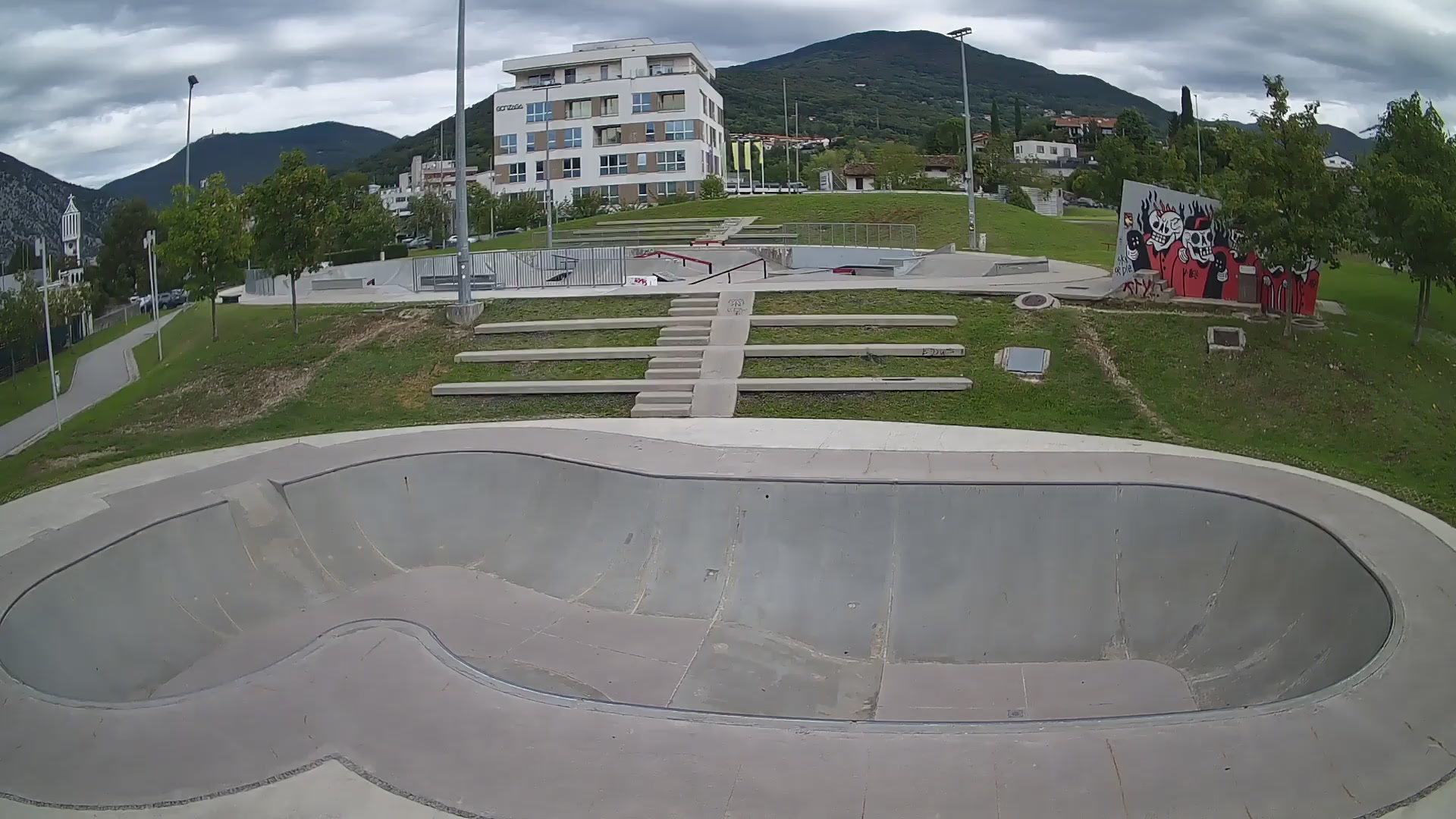


Country between the Alps and the Adriatic
Slovenia is a small European state located at the crossroads of several geographical regions. It borders Italy, Austria, Hungary and Croatia, occupying a territory of 20,273 km² with a population of about 2,076,598 people. The uniqueness of this country is that in just a few hours you can cross alpine passes, descend to the subtropical coast and find yourself among karst plateaus. Such diversity of landscapes makes Slovenia webcams particularly interesting for observation — each broadcast point reveals a completely different scenery.
The climate here varies from moderately continental in the central regions to Mediterranean on the narrow coastal strip. The Adriatic Sea coastline stretches just 46.6 km, but this is enough for the Slovenian coast to become a full-fledged resort region with Venetian architecture and warm waters.
Lake Bled — the country's calling card
Lake Bled is perhaps the most photographed attraction in Slovenia. Situated beneath a steep rock cliff topped by a medieval castle, this glacier lake attracts travelers from all over the world. In the center of the lake is the country's only natural island, home to the Church of the Assumption with a 17th-century bell tower. Tradition has it: if you ring the bell and make a wish, it will surely come true.
Bled Castle (Blejski Grad) is one of the country's oldest castles and a national cultural heritage site. It stands on a 130-meter cliff and offers panoramic views of the lake and surrounding Alps. Inside the castle there is a museum, and during the summer months knight tournaments and medieval feasts are held here.
Webcams at Lake Bled allow you to see this place in any weather — from morning mist over the water to sunset lighting, when the castle is illuminated with golden light. A particularly impressive view opens from Mount Straža, where a panoramic camera is installed.
Ljubljana — a compact capital with European charm
The capital of Slovenia, Ljubljana, is a city that can easily be explored on foot. The historic center lies between the Ljubljanica River and the castle hill. Ljubljana Castle (Ljubljanski grad) has dominated the city for more than eight centuries — the first fortifications here appeared as early as the 11th century.
The main pedestrian street — Čopova (Čopova ulica) — leads from Prešeren Square to the castle. Along the Ljubljanica embankment stretch cafes and restaurants in Baroque and Art Nouveau styles. The Triple Bridge (Tromostovje) is the city's architectural symbol, created by the famous architect Jože Plečnik.
Panoramic webcams of Ljubljana show the historic center from a bird's eye view. You can observe the life of Prešeren Square, where street musicians and artists gather, or watch the movement along the embankment at different times of the day.
Triglav National Park — the alpine heart of Slovenia
Mount Triglav at 2,864 meters is not just the country's highest peak, but a true national symbol. Triglav is depicted on the flag and coat of arms of Slovenia, its three-headed peak has become a symbol of Slovenian identity. Triglav National Park — the country's only national park — covers 83,807 hectares of alpine meadows, glacial valleys and karst plateaus.
The Seven Lakes Valley is one of the most picturesque parts of the park. Each lake has its own name and character: from the deep Black Lake at 1,319 meters to the shallow Grass Lake at the very edge of the forest. Mountain huts (koča) offer accommodation and traditional food — žganje (a local traditional dish) and Slovenian Tolminc cheese.
Webcams in the Triglav area show alpine landscapes in dynamics: changing cloud cover over the peaks, movement of tourists along trails, seasonal changes — from snow caps to flowering meadows.
Postojna Cave — the underground world of karst
Postojna Cave was discovered in April 1818 by lamplighter Luka Čech, who ventured into the unknown depths with a lit lamp and a pocket knife. Today it is the longest karst cave in Slovenia and one of the largest in Europe — 24 kilometers of explored galleries, of which about 5 kilometers are open to visitors.
The uniqueness of Postojna lies in its underground fauna. About 150 animal species have been found here, including the famous European olm (Proteus anguinus) — the "human fish." This blind, pale amphibian, 20–30 centimeters long, lives only in the underground waters of the Dinaric karst and can survive without food for up to ten years. The olm has become a symbol of Slovenian speleology and is depicted on the coat of arms of the town of Postojna.
The cave tour takes place on an electric train — the world's first cave railway transport, launched back in 1872. The route passes through halls with giant stalagmites, underground lakes and canyons carved by water over millions of years.
Adriatic Coast: Piran, Koper, Portorož
The Slovenian Adriatic coast is just 46.6 kilometers of coastline, but on this stretch are cities with a rich history. Piran is the pearl of the coast, a town with Venetian architecture, narrow streets and Tartini Square, named after the sculptor Antonio Tartini. The bell tower of St. George's Church is a smaller copy of the Venetian Campanile of San Marco.
Koper is the largest city on the coast and an important port of Slovenia. Its historic center has preserved the Gothic Praetorian Palace, the Cathedral Church of the Assumption and Titova Square. Portorož is a resort town with hotels, casinos and sandy beaches, popular among spa vacation enthusiasts.
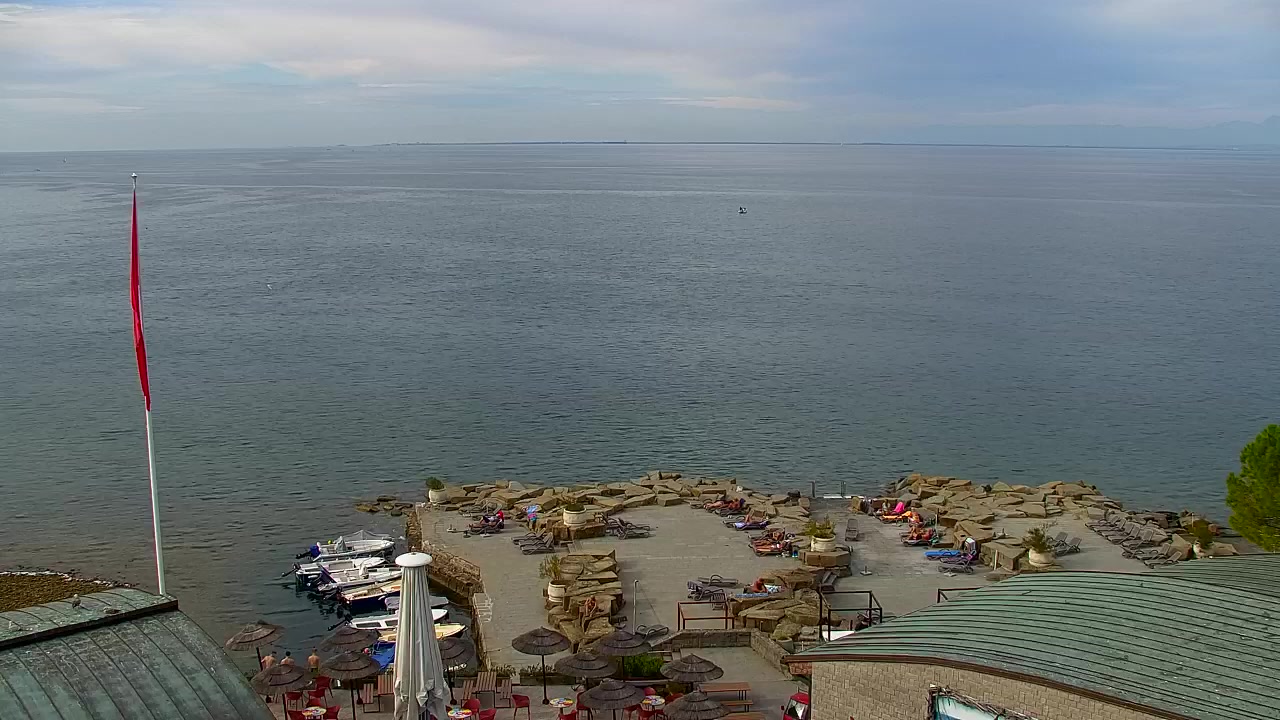
Webcams on the coast show seascapes, yachts in Koper harbor, sunsets over Piran and tourists on the Portorož promenade. This is a completely different Slovenia — Mediterranean, sunny, with the scent of salt and pine trees.
Maribor and the Wineries of Podravje
Maribor is the second largest city in Slovenia, located in the northeast of the country at the foot of the Pohorje mountains. The old town has preserved its medieval layout, and in the Main Square stands the Plague Column — a Baroque monument in gratitude to the Virgin Mary for deliverance from the plague of 1680.
Maribor is famous for its Vine — the world's oldest fruit-bearing grapevine. In the center of the city grows a grapevine over 450 years old, which still bears fruit. Wine is made from its berries and gifted to heads of state and honored guests. Wineries in the Podravje region produce excellent white wines — Riesling, Chardonnay and Traminec.
Webcams of Maribor show the Drava River embankment, the ski slopes of Pohorje in winter and green vineyards in summer. The city lives an active cultural life — Slovenia's largest festival "Lent" takes place here with street performances and fireworks.
Culture and Traditions of Slovenia
Slovenia is a country with a rich folklore heritage. Each region has its own traditional costumes, dances and culinary specialties. The national dish is Carniolan sausage (kranjska klobasa), which is prepared according to an old recipe and protected by EU geographical indication. Štruklji are also popular — rolled dough pastries filled with cottage cheese, apples or poppy seeds.
Slovenian cuisine reflects the country's geographical position: in the alpine regions, cheeses, mushroom soups and meat dishes predominate; on the coast — fish, seafood and olive oil. Winemaking is developed everywhere: the three main wine regions (Podravje, Posavje and Primorska) produce wines that are highly valued by connoisseurs.
Holidays in Slovenia combine Catholic traditions and pagan customs. The carnival in Ptuj (Kurentovanje) is one of the most colorful in Europe: participants wear Kurent masks — furry creatures with bells that are supposed to chase away winter and attract a good harvest.
Practical Information for Travelers
Slovenia is part of the Schengen zone and the eurozone, which simplifies trip planning for EU citizens. Russians and Belarusians need a visa. The language is Slovenian, but most of the population speaks English fluently, and in border areas — Italian or German.
Transport infrastructure is well developed: highways connect all major cities, the railway runs from Ljubljana to the coast and into the interior of the country. Jože Plečnik Airport in Ljubljana accepts flights from most European capitals. Airport webcams allow you to watch planes landing and taking off in real time.
The best time to visit depends on your goals: in summer — the coast and mountain hikes, in winter — the ski resorts of Krvavec, Vogel and Rogaška Slatina. In spring and autumn it is comfortable to explore cities and caves, when there are fewer tourists and the weather remains mild.
What the country's cameras show
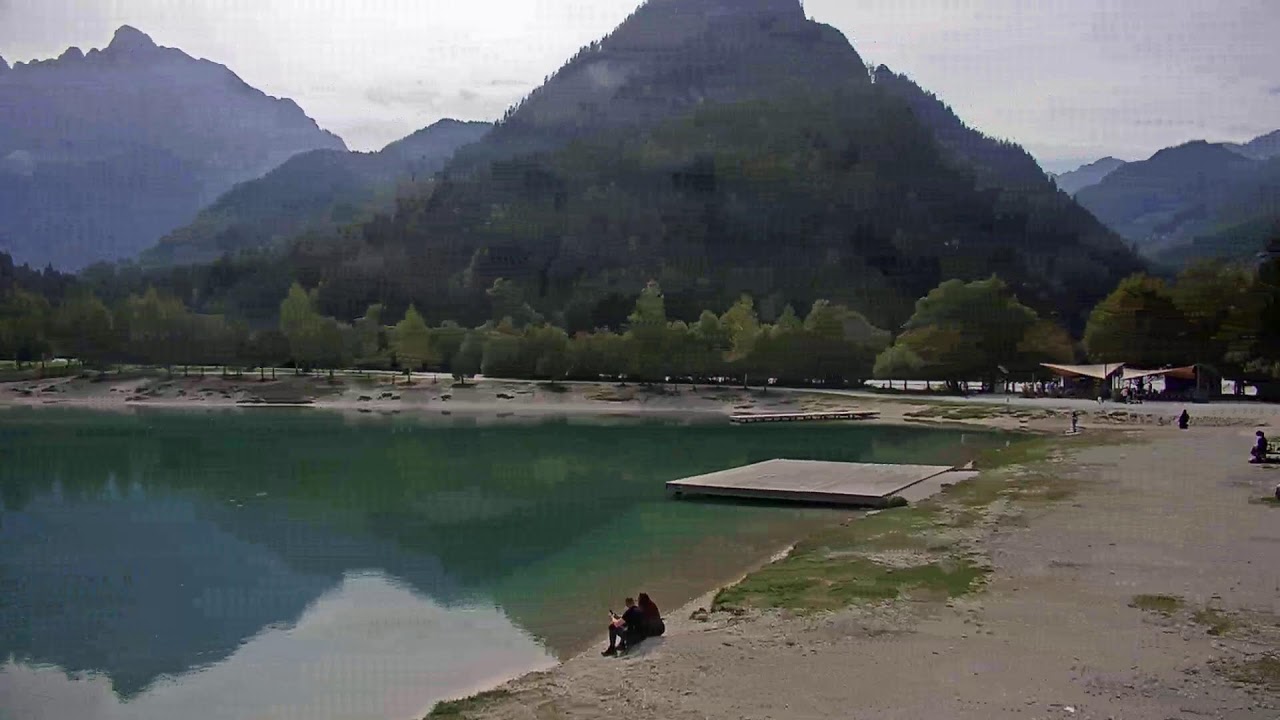
Slovenia webcams cover key points of the country — from alpine peaks to the sea coast. At Lake Bled, cameras are installed on Mount Straža and in the hotel area, showing the castle, island and surrounding mountains. In Ljubljana, panoramic broadcasts offer views of the historic center, Prešeren Square and the castle. Maribor, Piran, Koper and Portorož also have online cameras that allow you to observe the life of these cities.
For those planning a trip, Slovenia webcams online are a convenient way to assess the current weather at resorts, see how busy tourist spots are and choose the best time to visit. Postojna Cave, Triglav National Park, Vršič Pass — all these locations are available for virtual observation in real time.
Watching Slovenia through webcams is an opportunity to see the country in all its diversity: morning mist over Bled, midday heat on the Piran promenade, evening lights of Ljubljana and snowy slopes of Pohorje. Each camera is a window into another corner of this amazing alpine-Adriatic country.