

🏙️ Vladivostok Webcams Online — Watch the City in Real Time
33 cameras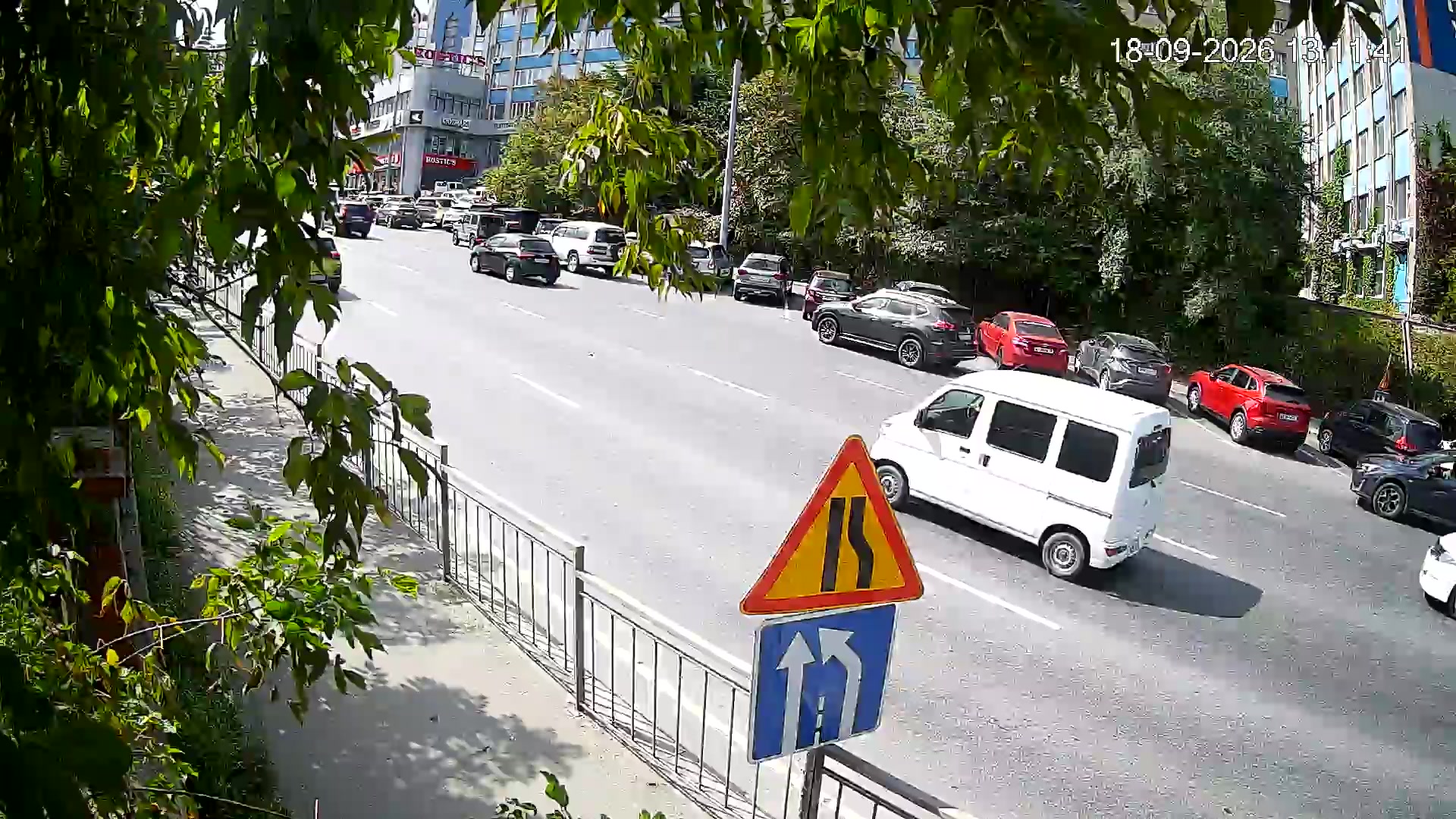
City on the Edge of Russia: Sea, Hills, and the Pacific Ocean
Vladivostok is a city unlike any other in Russia. It stretches across the Muravyov-Amursky Peninsula, washed by the waters of the Sea of Japan, and faces Asia. It is the only major Russian city entirely oriented toward the Pacific Ocean, and this geographic feature shapes everything—from the climate to the mentality of its residents. The city's name is derived from the words "vladet" (to rule) and "Vostok" (East), by analogy with Vladikavkaz, and since its founding in 1860 as a military post, it has lived up to its name, guarding the eastern frontiers of the country.
The city lives to the rhythm of the port: ships of the Pacific Fleet, fishing vessels, container ships—all this continuous movement that can be observed by choosing a webcam with a view of the harbor. Vladivostok is the terminus of the Trans-Siberian Railway, stretching 9,288 kilometers across eight time zones of Russia. Seven days of travel—and you are here, on the edge of the earth, where the railway ends and the ocean begins.
Closed City: Forty Years Behind the Fence
Few remember today, but Vladivostok was inaccessible to foreigners for nearly four decades. In late summer 1951, the USSR government passed a resolution turning the city and port into a closed zone. The reason was strategic: the Golden Horn, Uliss, and neighboring bays became the main base of the Pacific Fleet, with surface ships redeployed here from Sovetskaya Gavan. For almost forty years, the city lived behind an invisible fence where no foreigner set foot.
On September 20, 1991, RSFSR President Boris Yeltsin signed Decree No. 1244 "On Opening Vladivostok to Foreign Citizens". From January 1, 1992, the closed-city status was fully lifted. The first foreign vessel to enter Vladivostok was the bulk carrier "Hou Zhiyang" under the Vietnamese flag, chartered by a South Korean firm. It came from Japan carrying metal blanks to be delivered to Busan. Since then, the port has been open to the world, and the city began a new chapter in its history.
Russian Bridge: Engineering Marvel Over the Strait
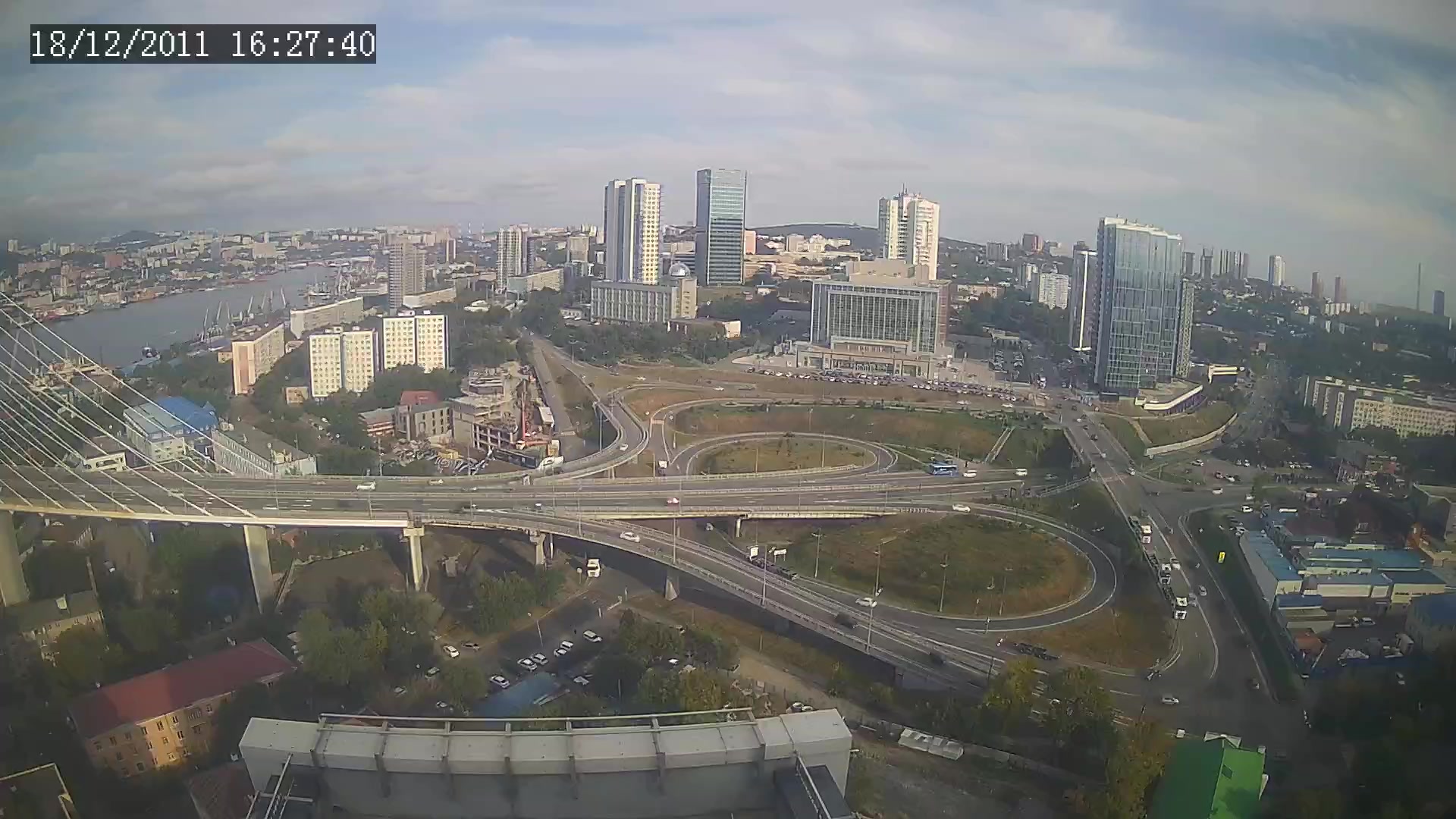
If you want to see the symbol of modern Vladivostok, look at the Russian Bridge. This cable-stayed giant connects the mainland part of the city with Russky Island, spanning the Eastern Bosphorus strait. Construction began on September 3, 2008, and was completed by July 2012—as part of preparations for the APEC summit. The official opening took place on August 1, 2012.
The figures of this structure are staggering: the total length is about 3.1 kilometers, the width is nearly 29.5 meters, with four traffic lanes and pedestrian zones. But the main feature is the cable-stayed span of 1,104 meters, making it the longest in the world among cable-stayed bridges. The pylons rise to 324 meters—the sixth tallest bridge on the planet. The structure is designed to withstand hurricane-force winds up to 47 meters per second, earthquakes up to magnitude 8, and typhoons. Domestic steel from Nakhodka was used in construction, along with 42 kilometers of cables from France with a century-long quality guarantee. The project cost about one billion US dollars.
The bridge is depicted on Russian currency and has become one of the city's main landmarks. Russian Transport Minister Igor Levitin described it as the most unique and complex structure not only in the context of APEC summit preparations, but in the entire practice of bridge construction in Russia and the world.
Trans-Siberian Railway: How the Railway Created the City
Construction of the Trans-Siberian Railway officially began in Vladivostok on May 31, 1891, when Tsarevich Nicholas Alexandrovich laid the first stone. Traffic on the main line opened in July 1904, and the entire line was fully commissioned in 1916. The railway transformed Vladivostok from an isolated maritime outpost into a key economic and strategic center of the Far East.
The journey between Europe and the Pacific Ocean was reduced from several months to a couple of weeks. The railway ensured rapid freight and passenger traffic, accelerated port development, and attracted investment in shipbuilding, fishing, and rail repair. The city began to grow, new industrial enterprises emerged, and the population increased. The Trans-Siberian became the main route for transporting over 70% of industrial products and an important tourist corridor attracting travelers from around the world.
Millionka: Secrets of the Old Chinese Quarter
On the shore of Amur Bay, near the Sportivnaya Gavan waterfront, the Millionka once stretched—a neighborhood where emigrants from China and Korea lived, along with Russian poor engaged in illegal business. Today, only ruins and legends remain here, but they are so dense that it seems the past still roams these streets.
City legend speaks of an underground city with secret passages and labyrinths through which smugglers transported goods to China and back. In March 1919, General Alexander Kolchak sent over two hundred tons of gold from Omsk to Vladivostok. Along the way, the chests disappeared, and the city believes they "settled" precisely in the Millionka. The neighborhood was liquidated by order of the NKVD in the 1930s, but the ghosts of its residents, they say, still appear on foggy nights near the piers.
There are other mystical stories: the ghost of the GUM's first owner appearing in evening allees, the "Hissing White Lady" near the piers, the spirit of a sailor between the seventh and ninth houses on Admiral Fokin Street—allegedly killed in a fight with the Chinese mafia. The ghost appears only to those who try to find treasure in the center of Vladivostok.
Life on the Slopes: Hills, Traffic Jams, and Expensive Housing
Vladivostok sprawls across hillsides, with streets descending to the sea. This terrain feature makes the city picturesque but extremely inconvenient for pedestrians. Steep climbs, winding switchbacks, lack of proper sidewalks—without a personal car, getting around here is difficult. Public transport is limited and uncomfortable, so most residents rely on cars, often parking them on narrow streets or in underground garages.
Housing in Vladivostok is among the most expensive in Russia. As of March 2026, the average price per square meter is 86,700 rubles, and over the past five years prices have nearly tripled. In new developments, a square meter already exceeds 200,000 rubles, and the average apartment cost is about 11.4 million rubles. Rent is also steep: a one-bedroom apartment costs an average of 50,000 rubles, a two-bedroom—65,000. Agencies charge commissions from 60% to 100% of the cost, plus a deposit to the landlord.
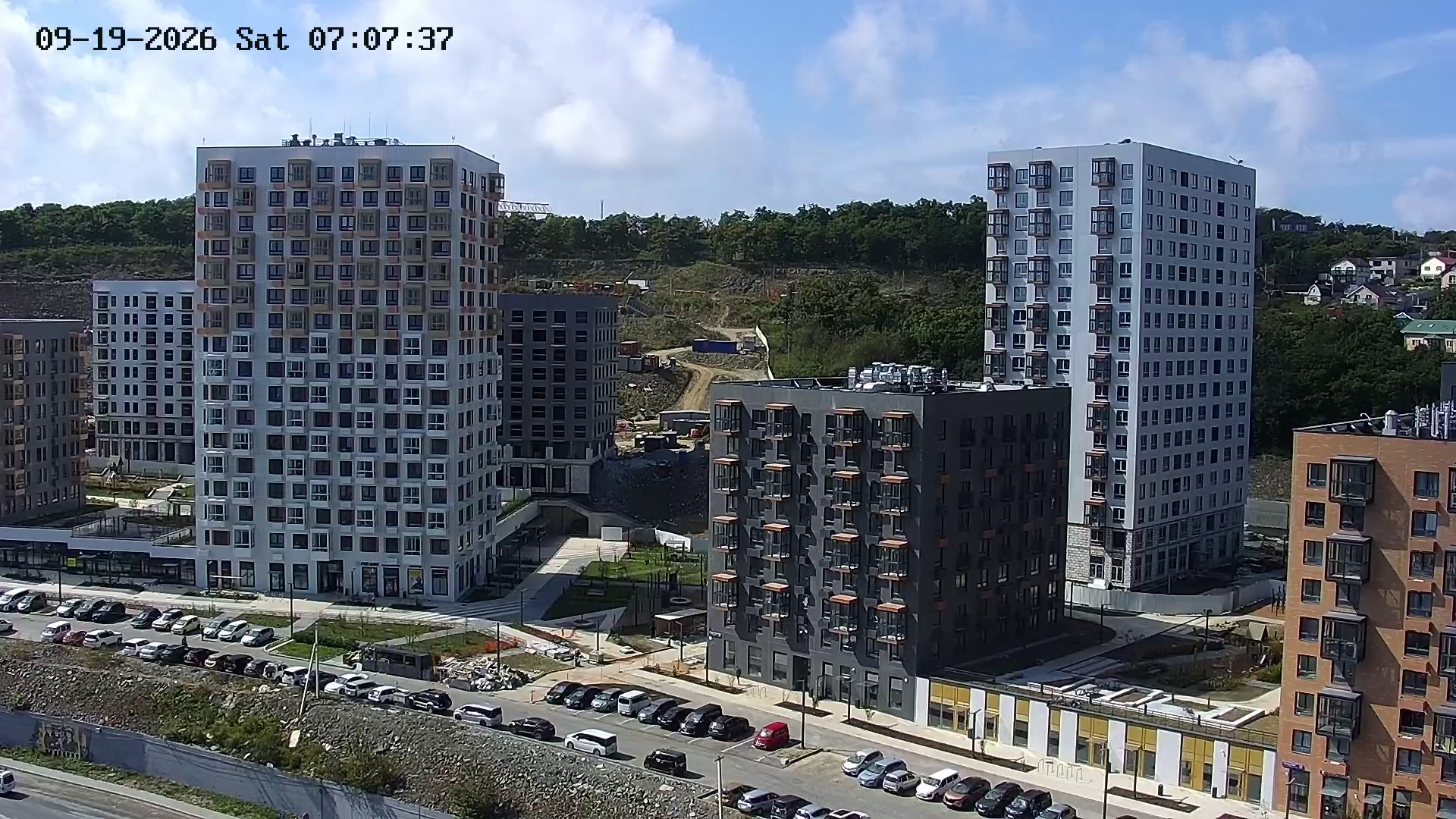
Fifteen years ago, the "Snegovaya Pad" microdistrict was built with state funds for military personnel—it went down in history as one of the largest long-term construction projects, but now the buildings are occupied. New residential complexes continue to appear by the sea and on the bay shore, and the Far East mortgage with rates from 1% to 2% per annum fuels the market with young families and specialists.
Tiger on the Street: Wild Nature at the Doorstep
Vladivostok borders the Ussuri taiga, and sometimes wild nature reminds itself in the most unexpected way. In October 2016, police received reports of an Amur tiger spotted on Vyselkovskaya Street, as well as on Irtyashskaya and Borodinskaya. Patrols were immediately dispatched, who advised citizens to exercise caution. In 2025, a case was recorded when a tiger broke free from under a canopy and jumped over a children's slide, after which it spent some time on a ski slope.
Such appearances are rare and usually associated with animals from nearby forest areas sometimes entering the city limits. In early October 2016, an Amur tiger crossing the road was seen in the city of Artyom—the predator was caught on a car dashcam but was never found. For Vladivostok residents, such encounters are not exotic, but part of life on the border of civilization and wild nature.
Free Port and Capital of the Far East
Since October 12, 2015, Vladivostok has held free port status—a port zone enjoying special customs, tax, investment, and related regulatory regimes. This gave impetus to business development, logistics, and international trade. And on December 13, 2018, the city became the center of the Far Eastern Federal District, securing its role as the capital of a vast region.
Today, Vladivostok is the largest scientific and educational center of the Far East. It is home to Far Eastern Federal University and the Far Eastern Branch of the Russian Academy of Sciences. The city's population is 594,201 people (2025), making it the twenty-sixth most populous city in Russia. It is a city of young, active, and healthy people—the terrain and climate forgive no weakness, but those who stay here love it irrevocably.
Which Cameras Show the City
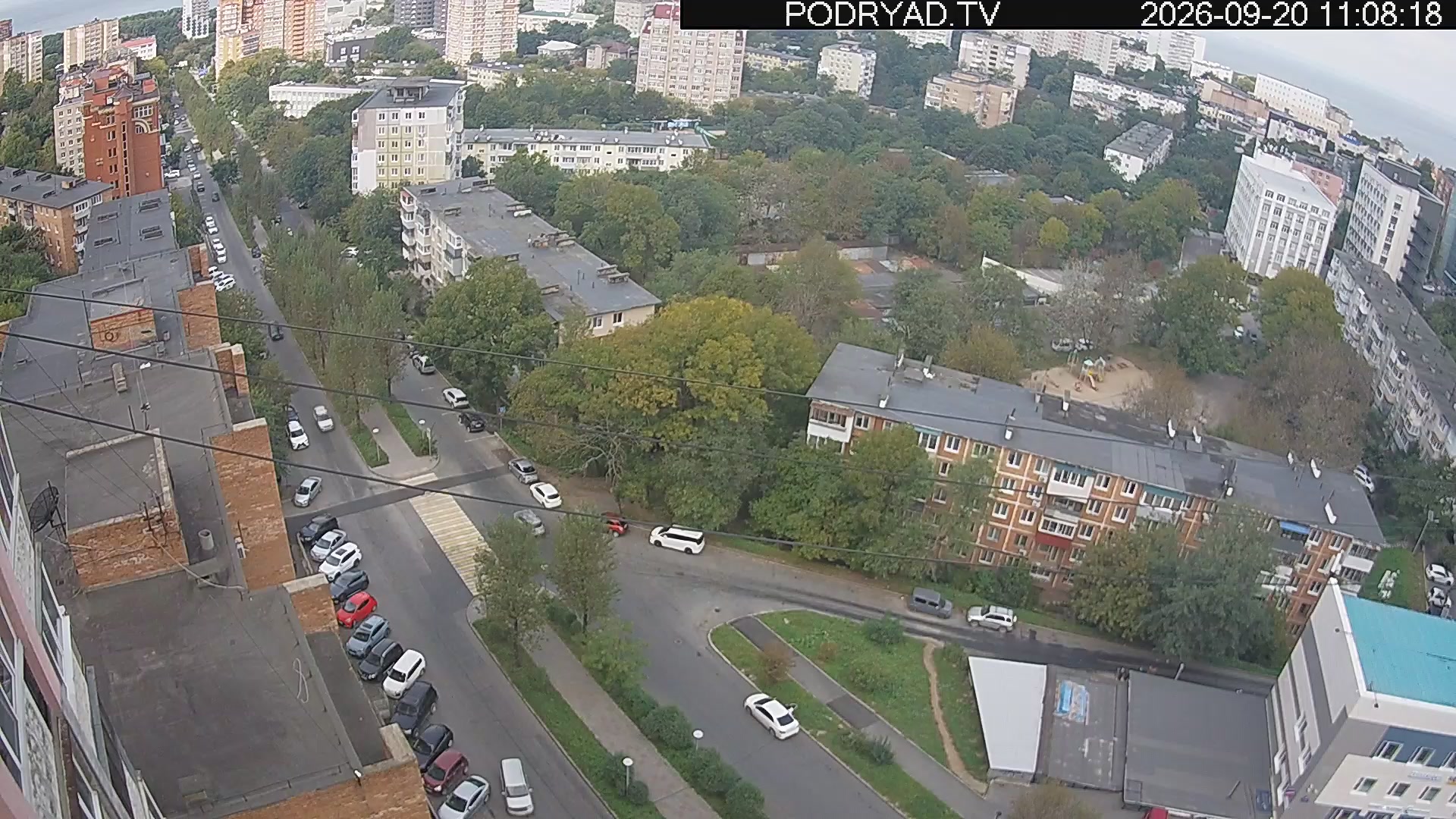
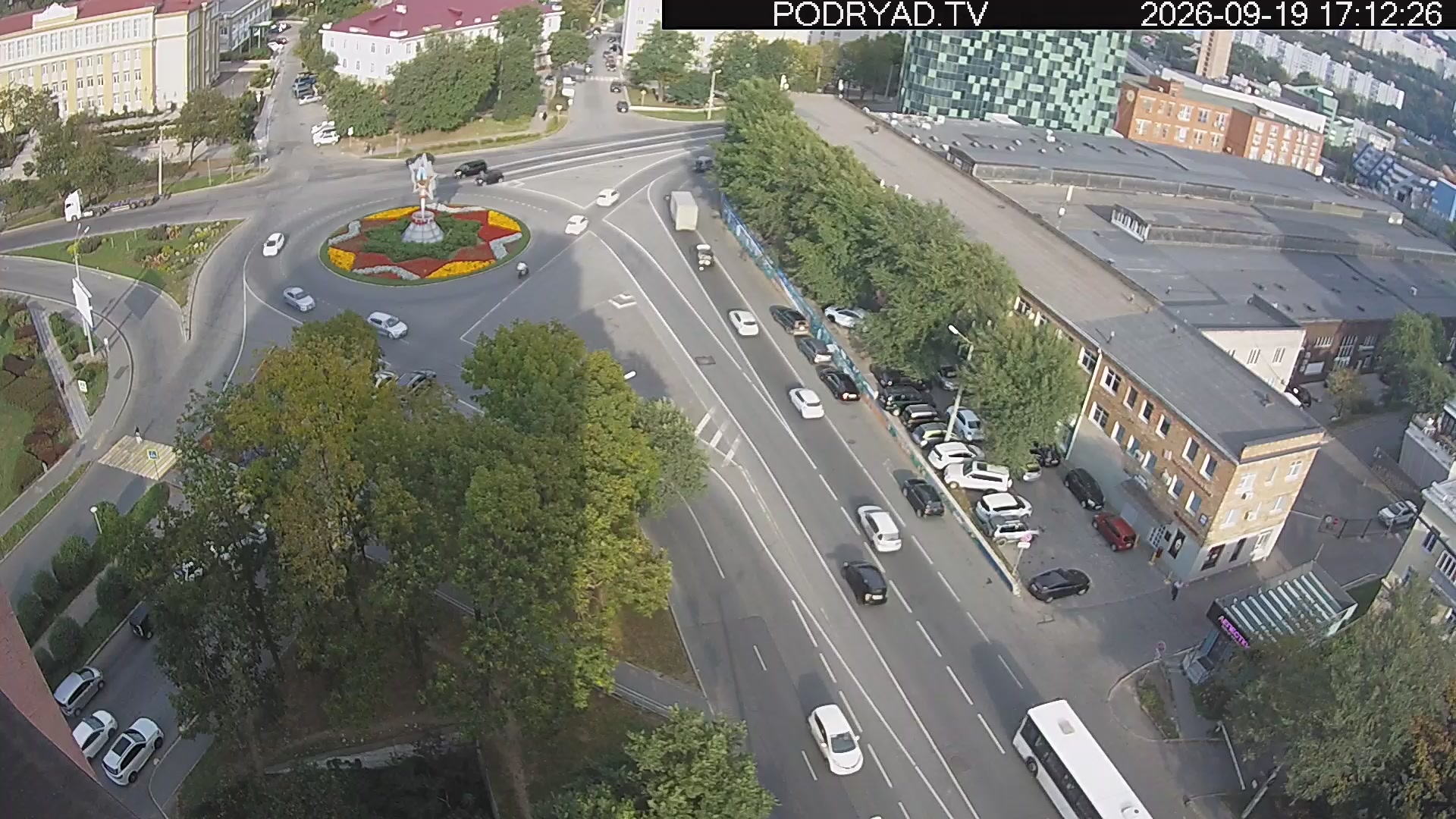
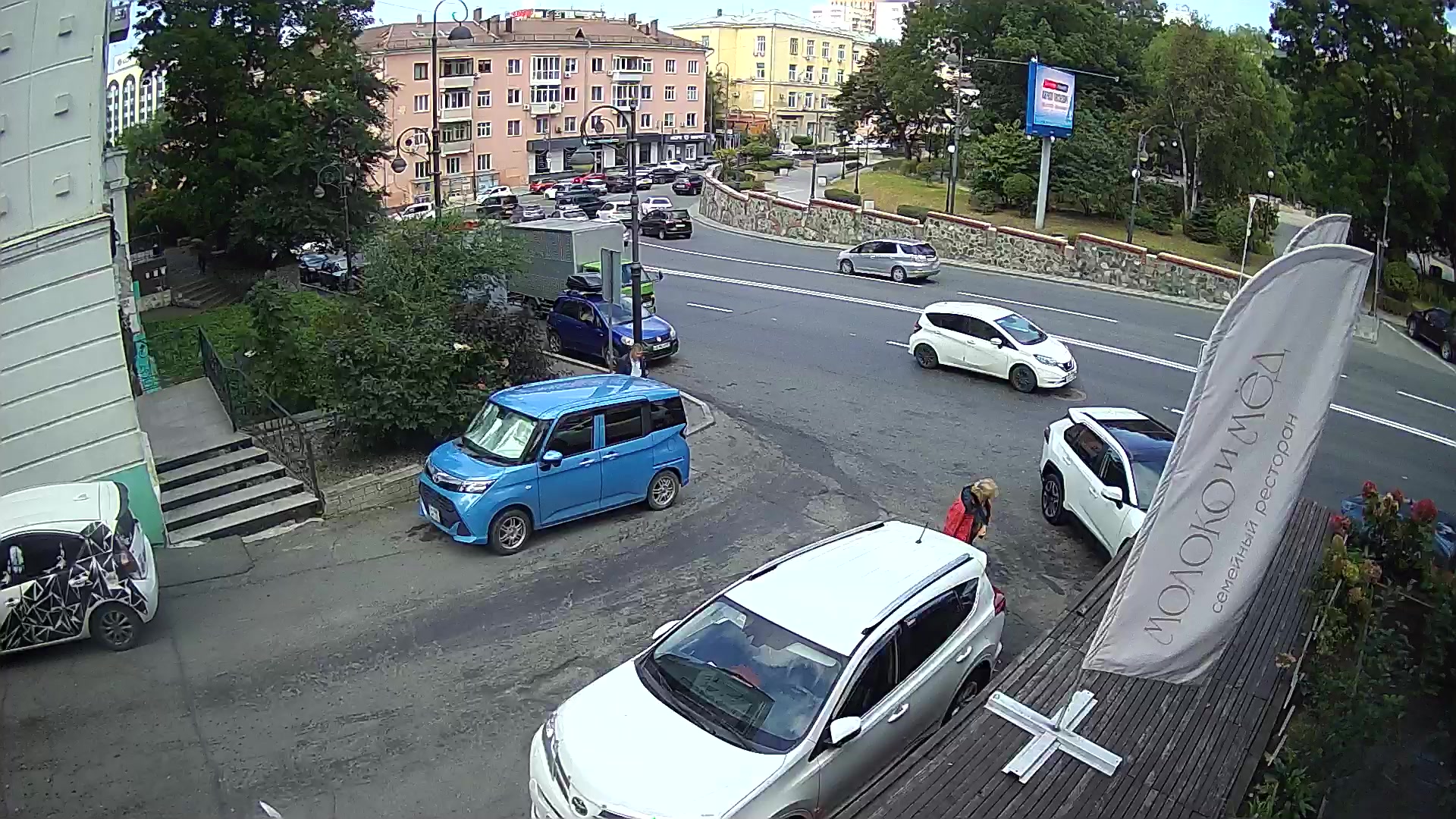
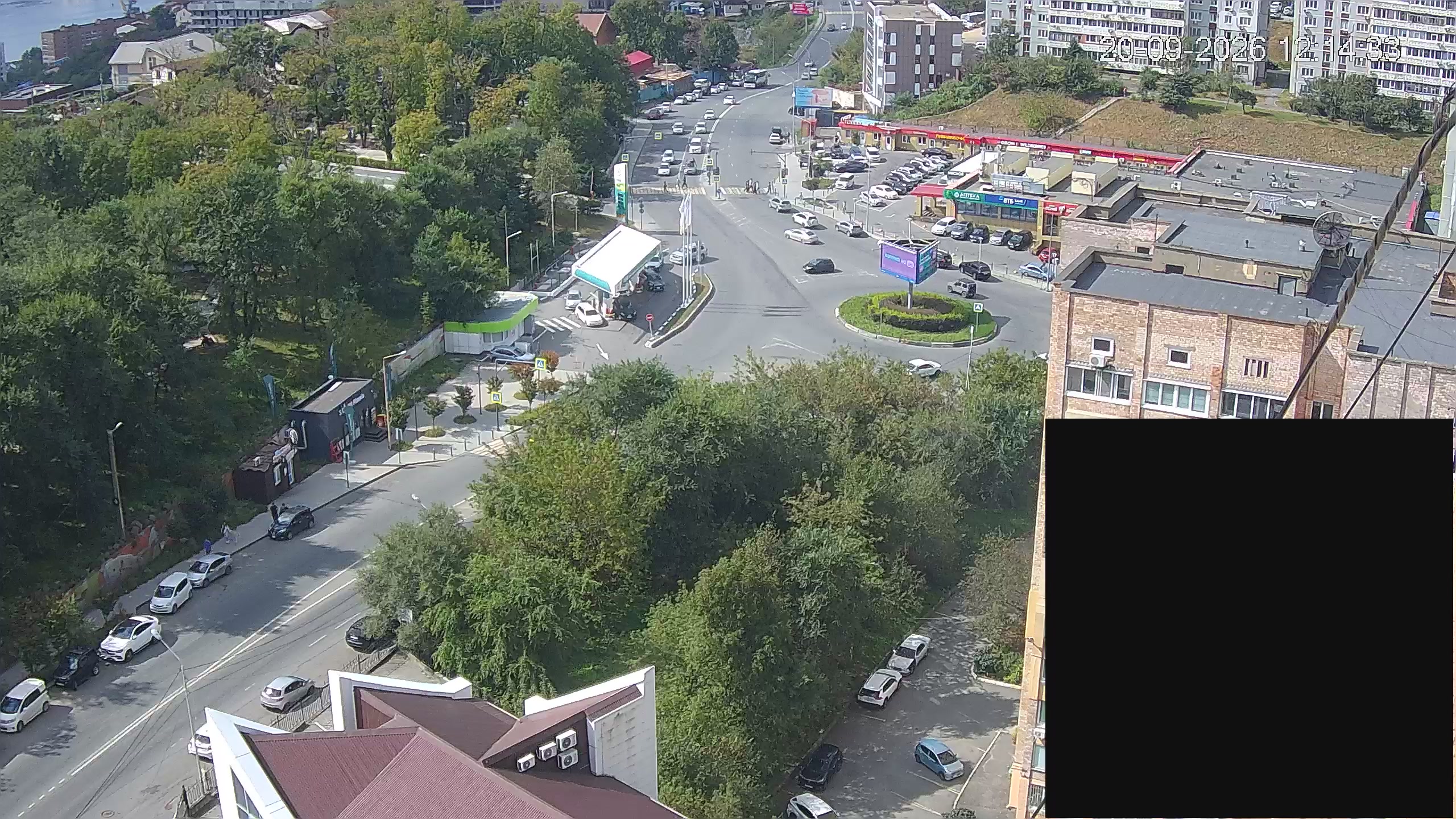
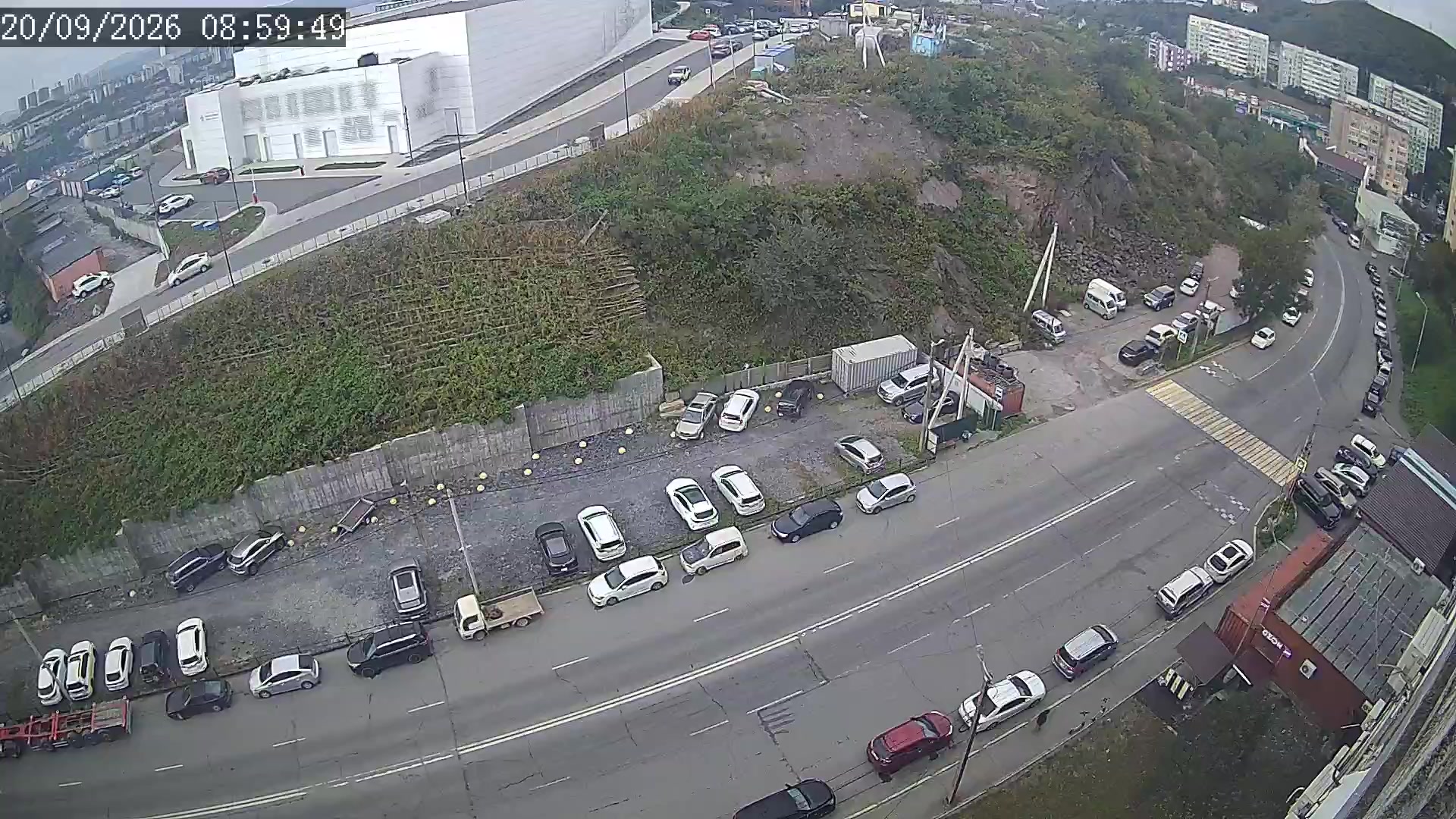
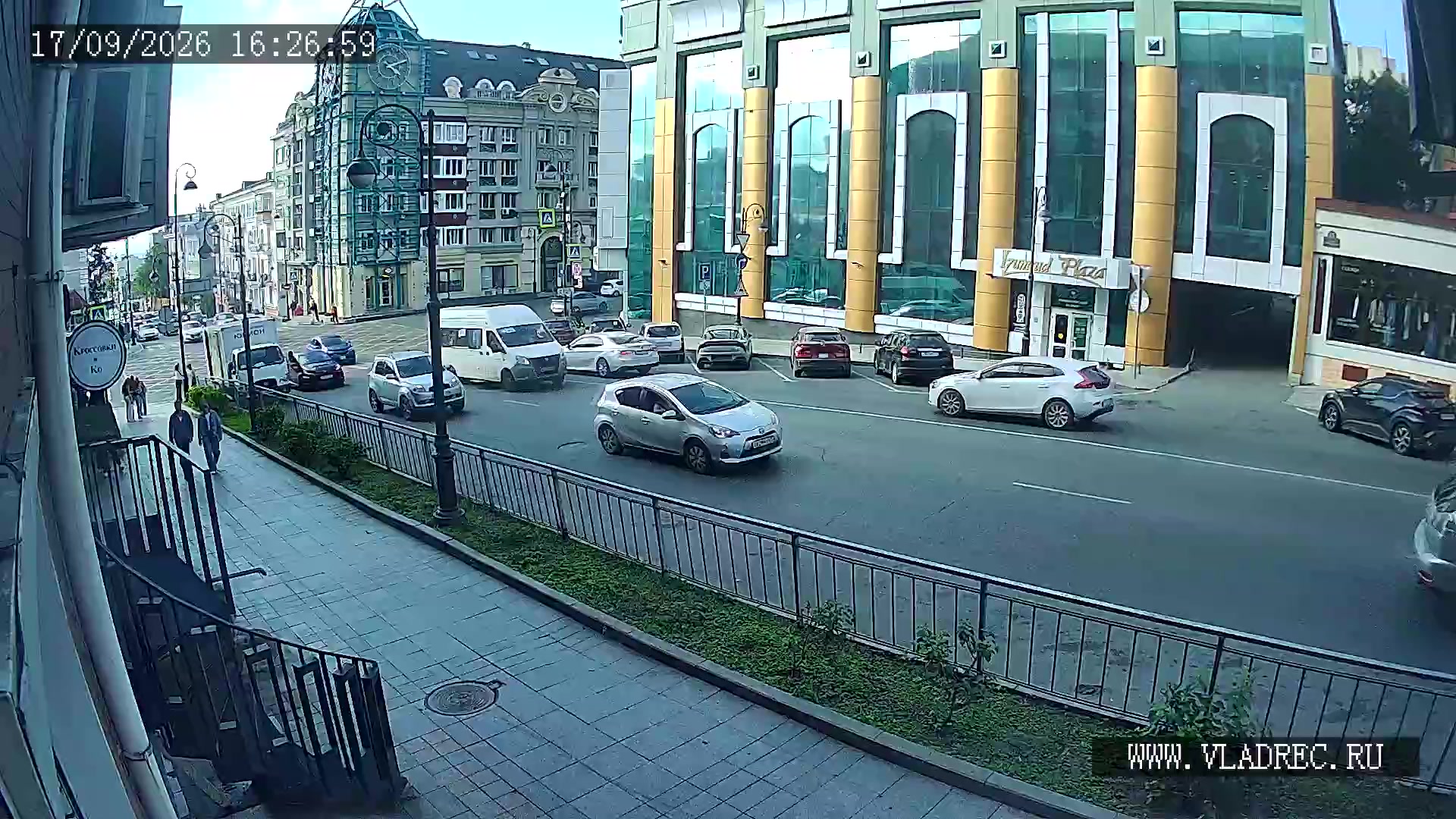
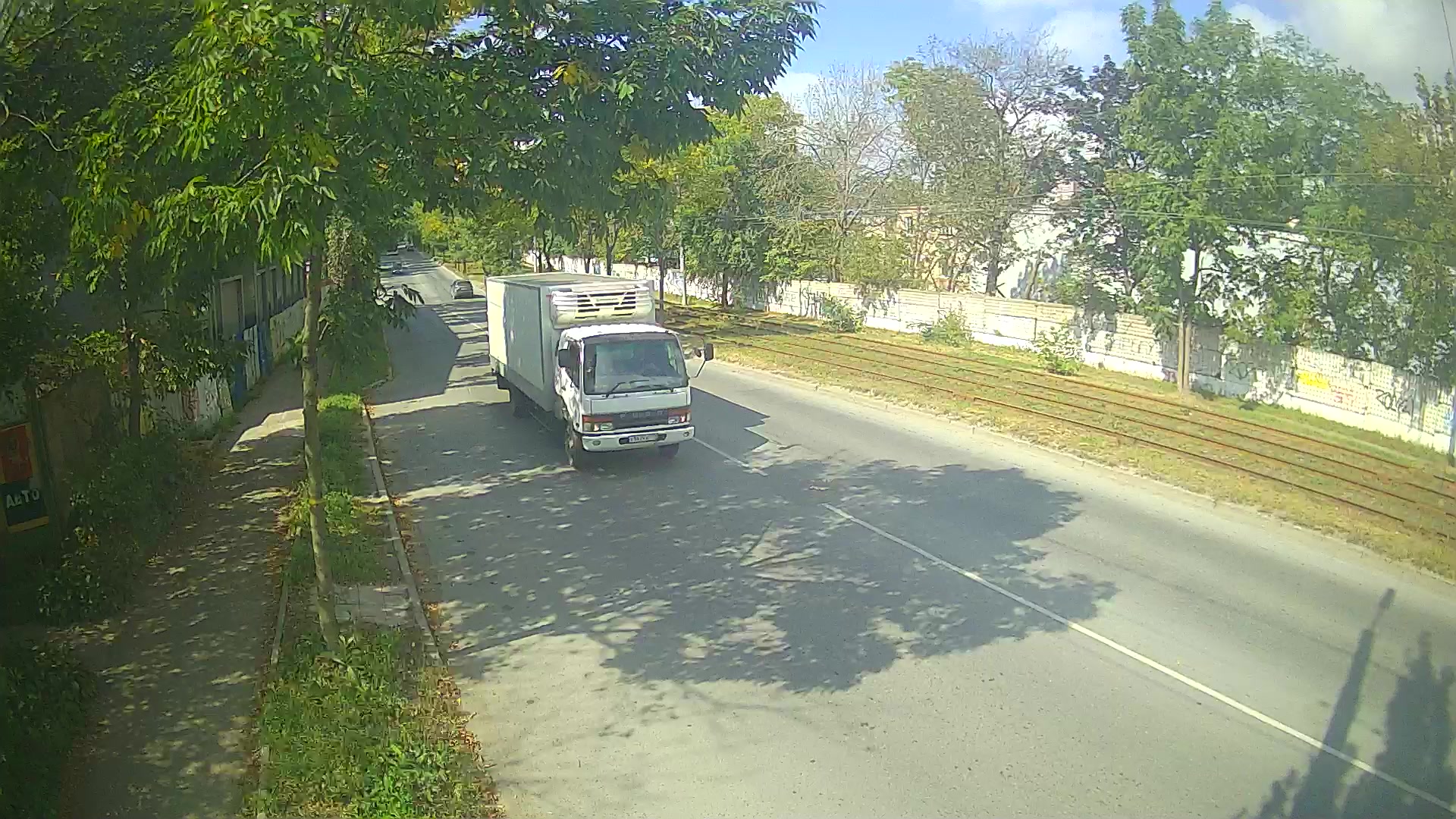
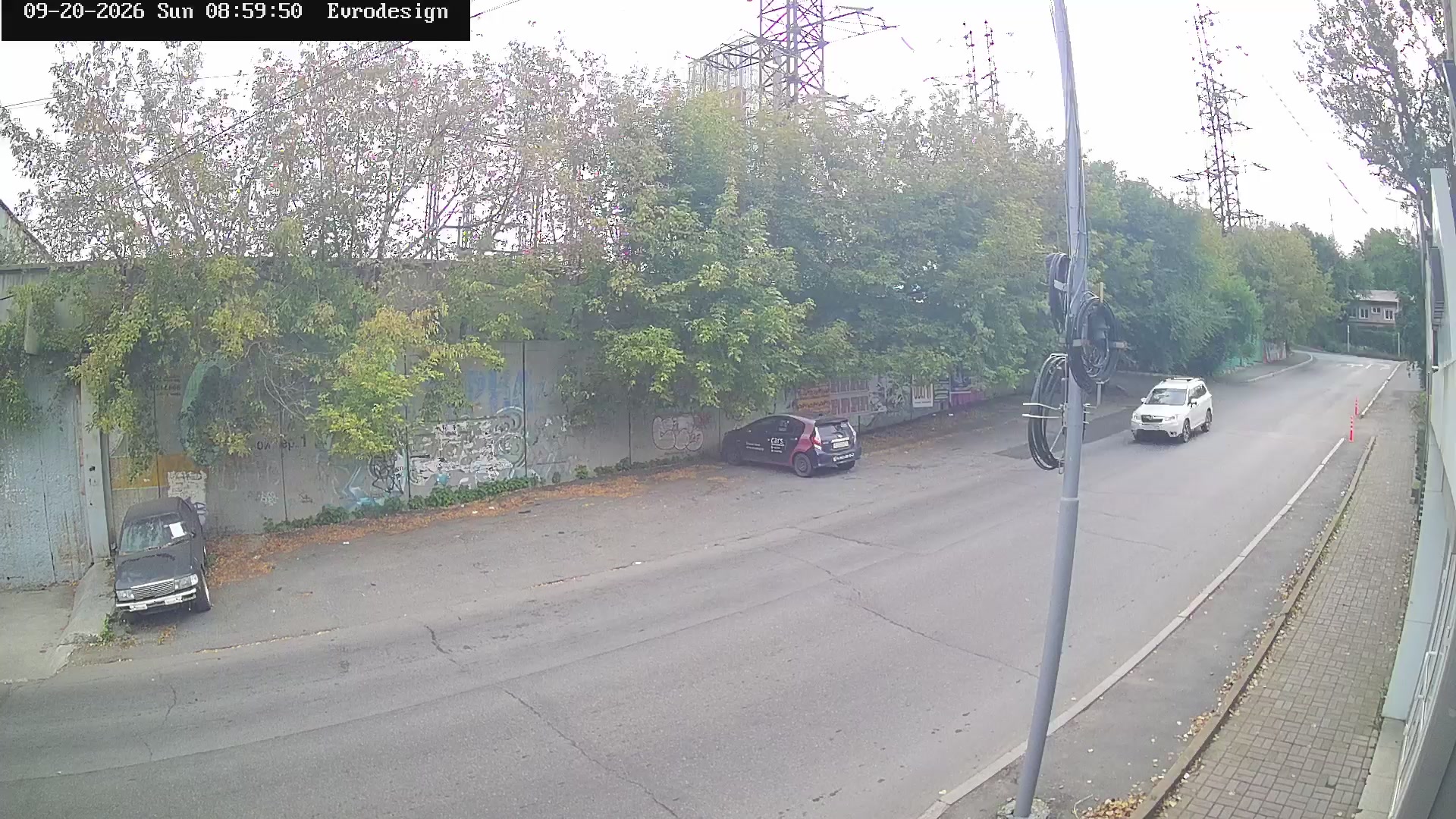
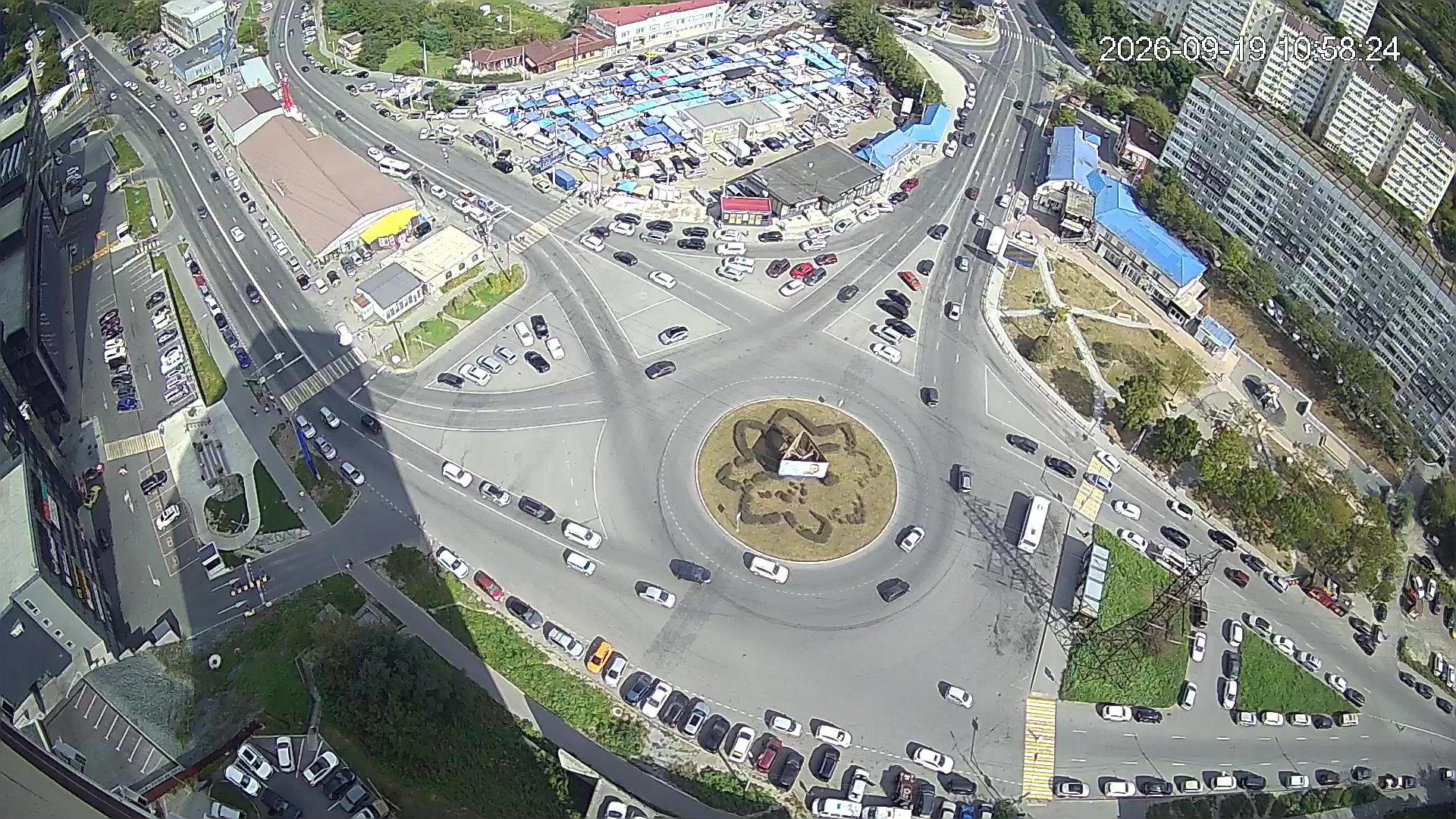
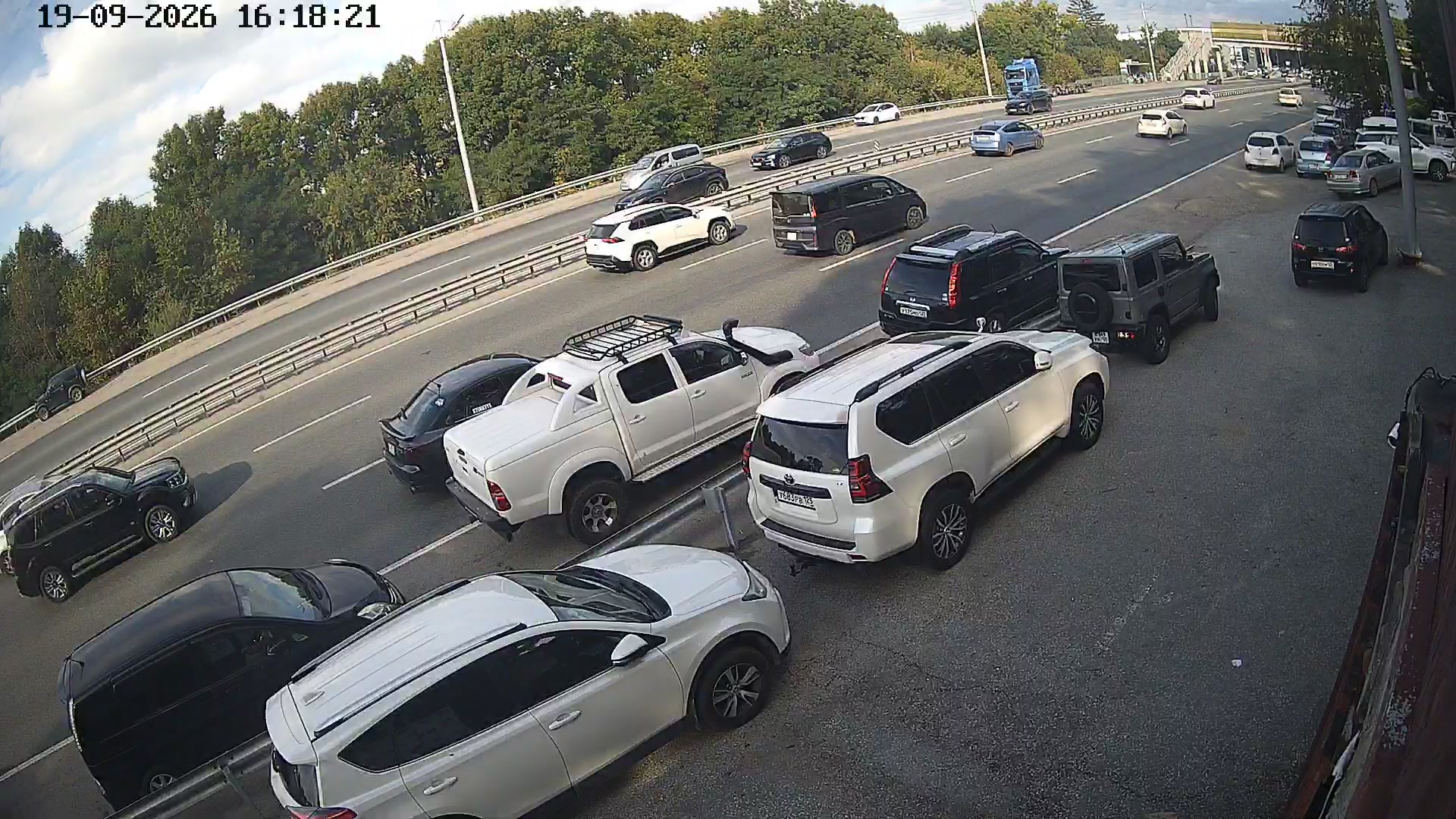
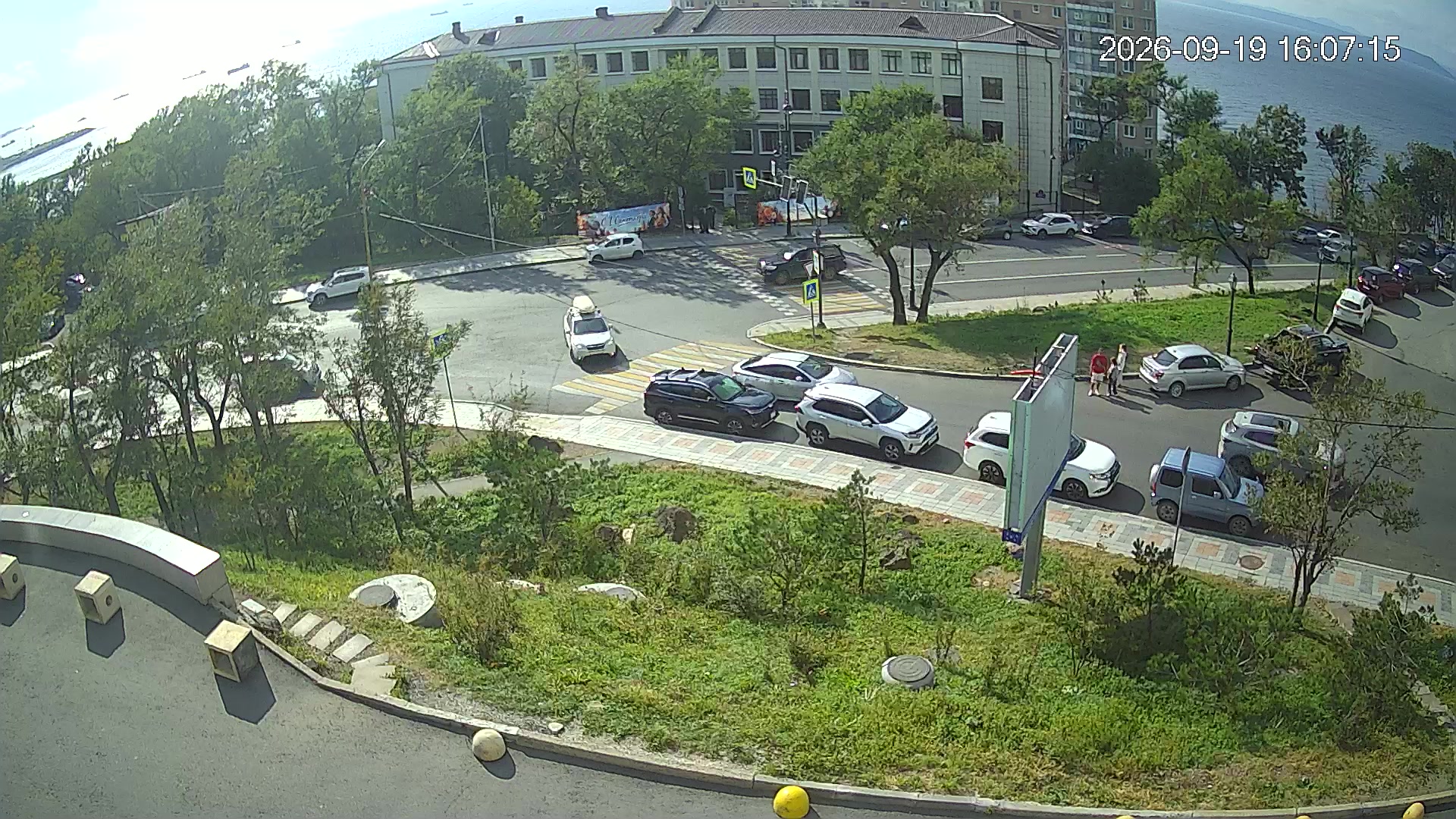
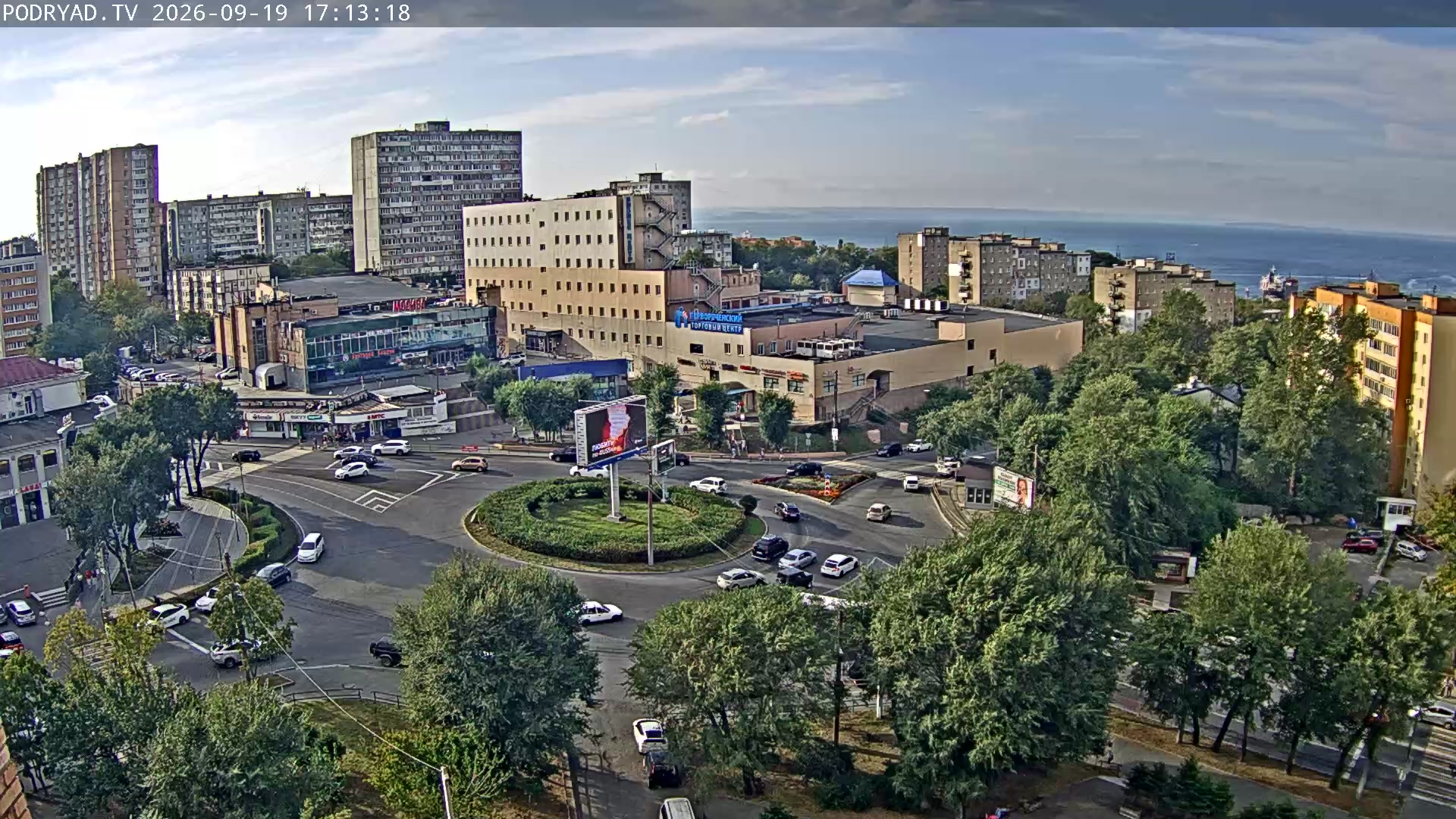
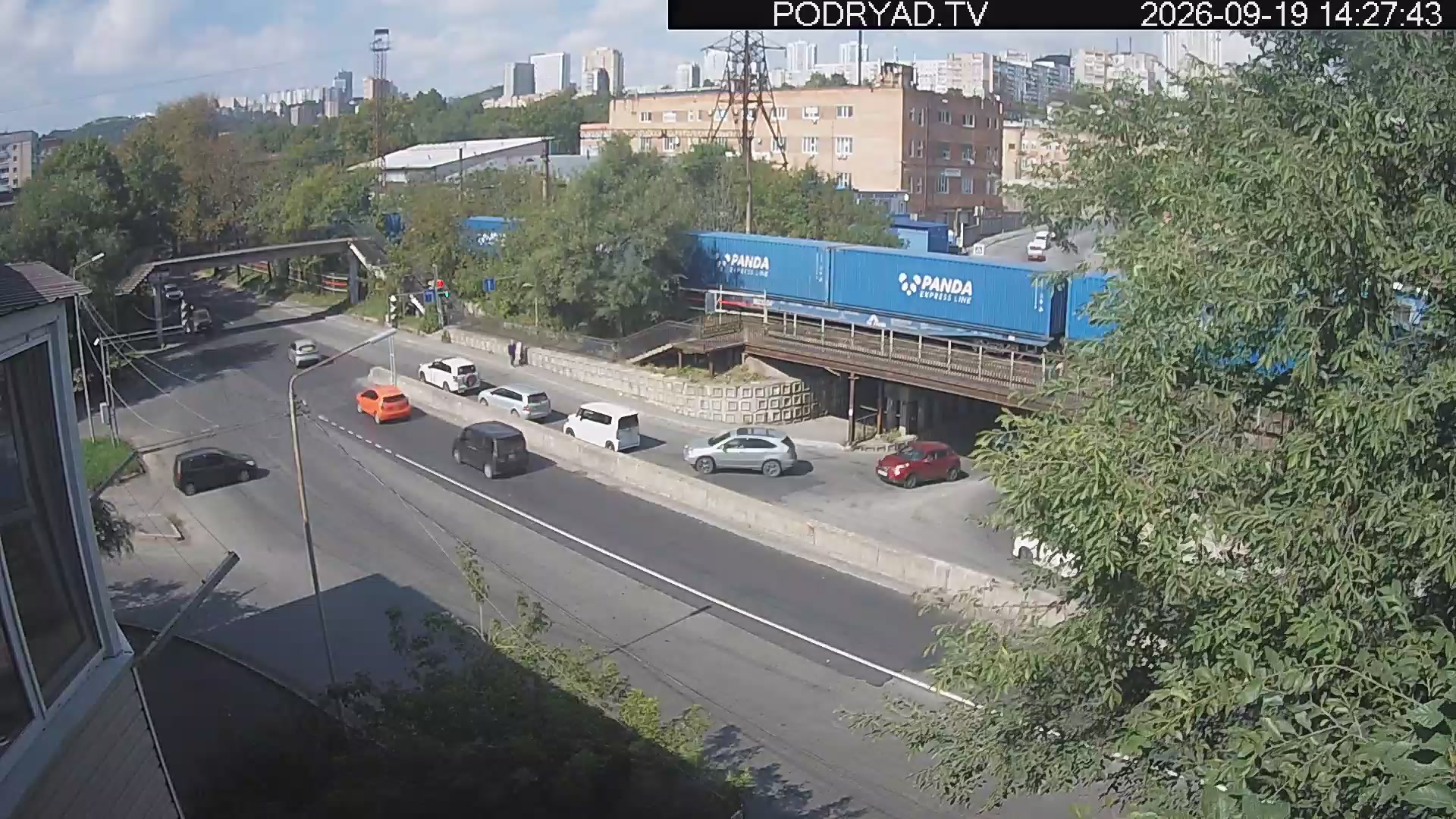
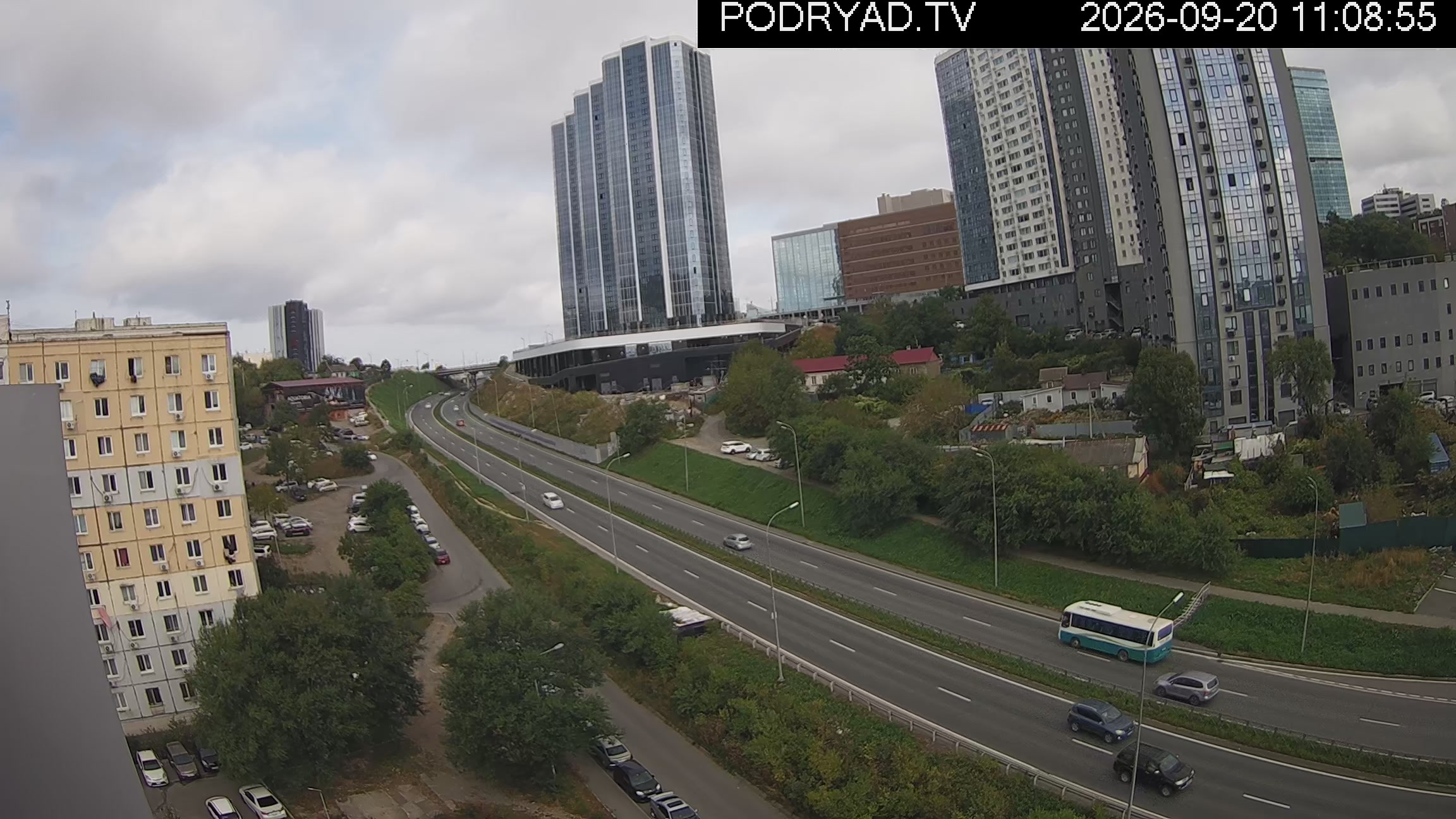
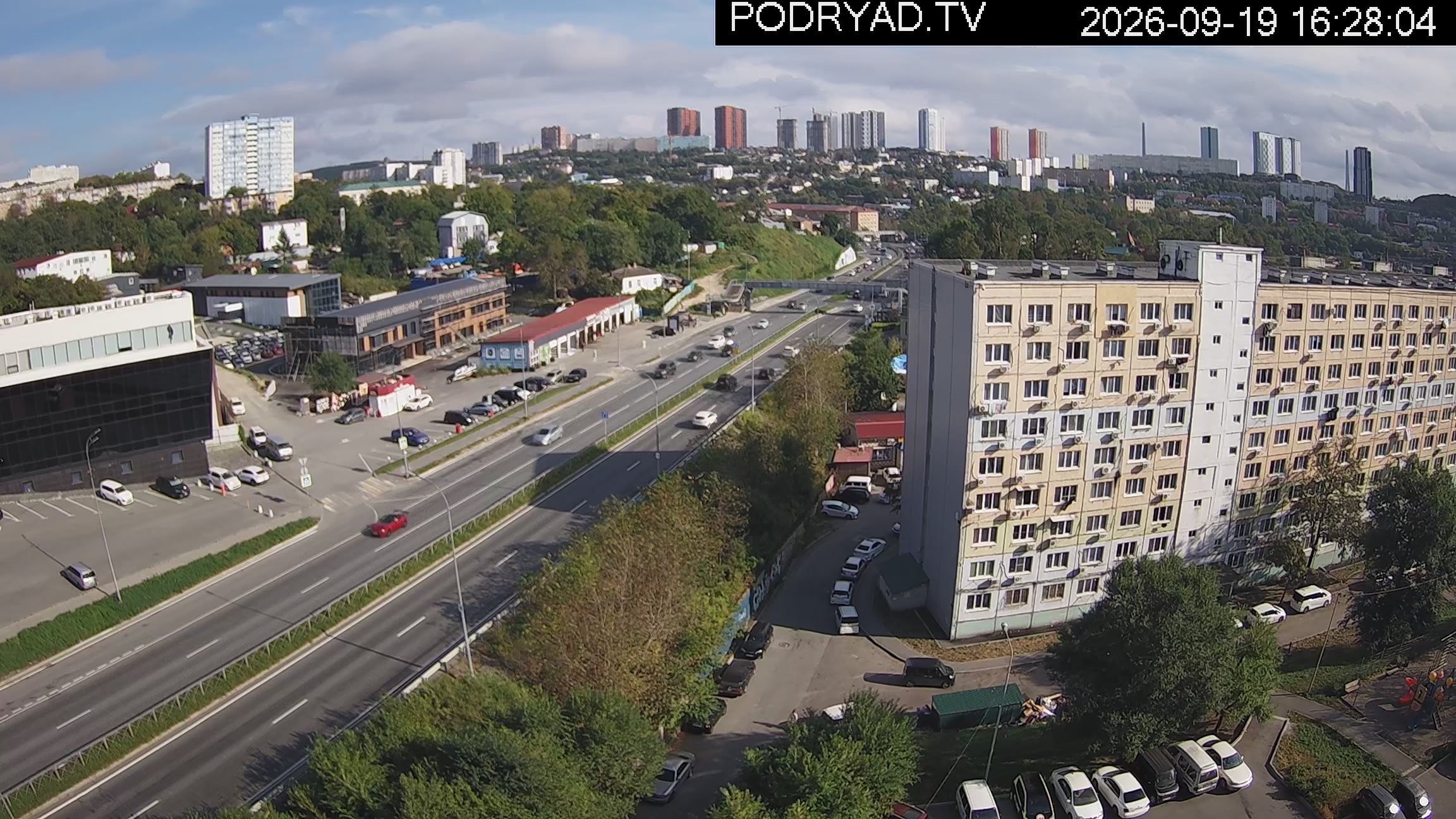
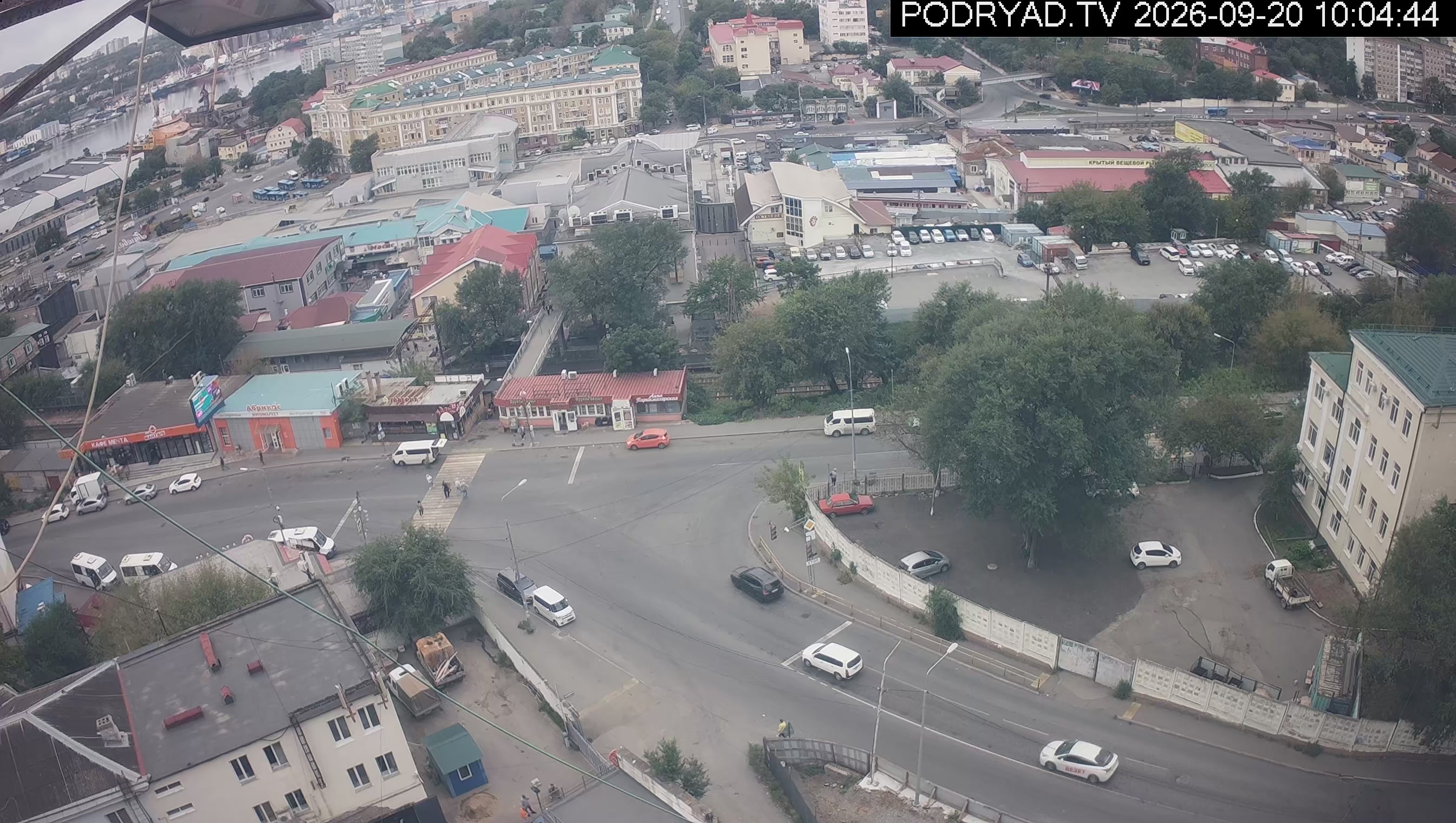
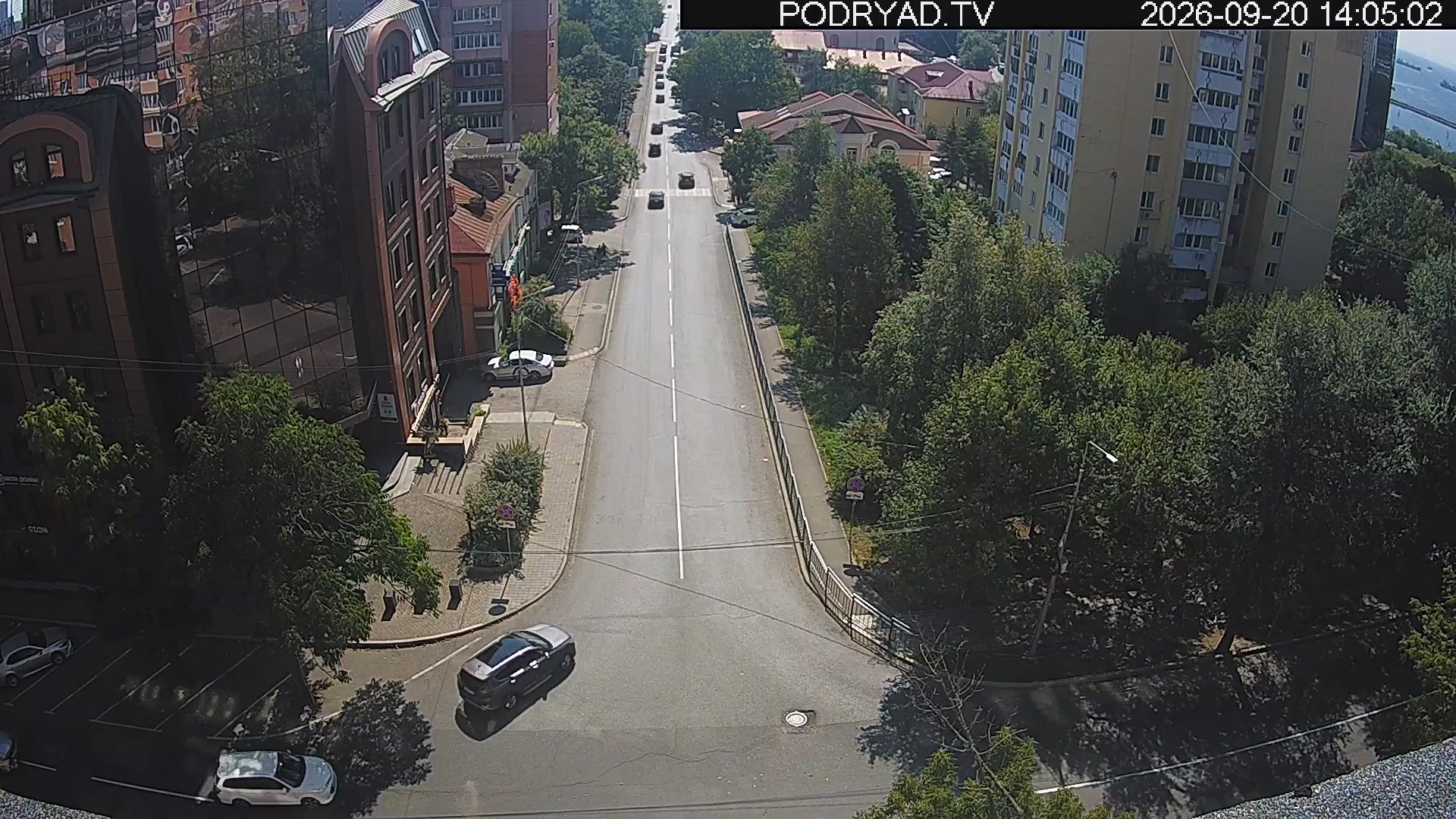
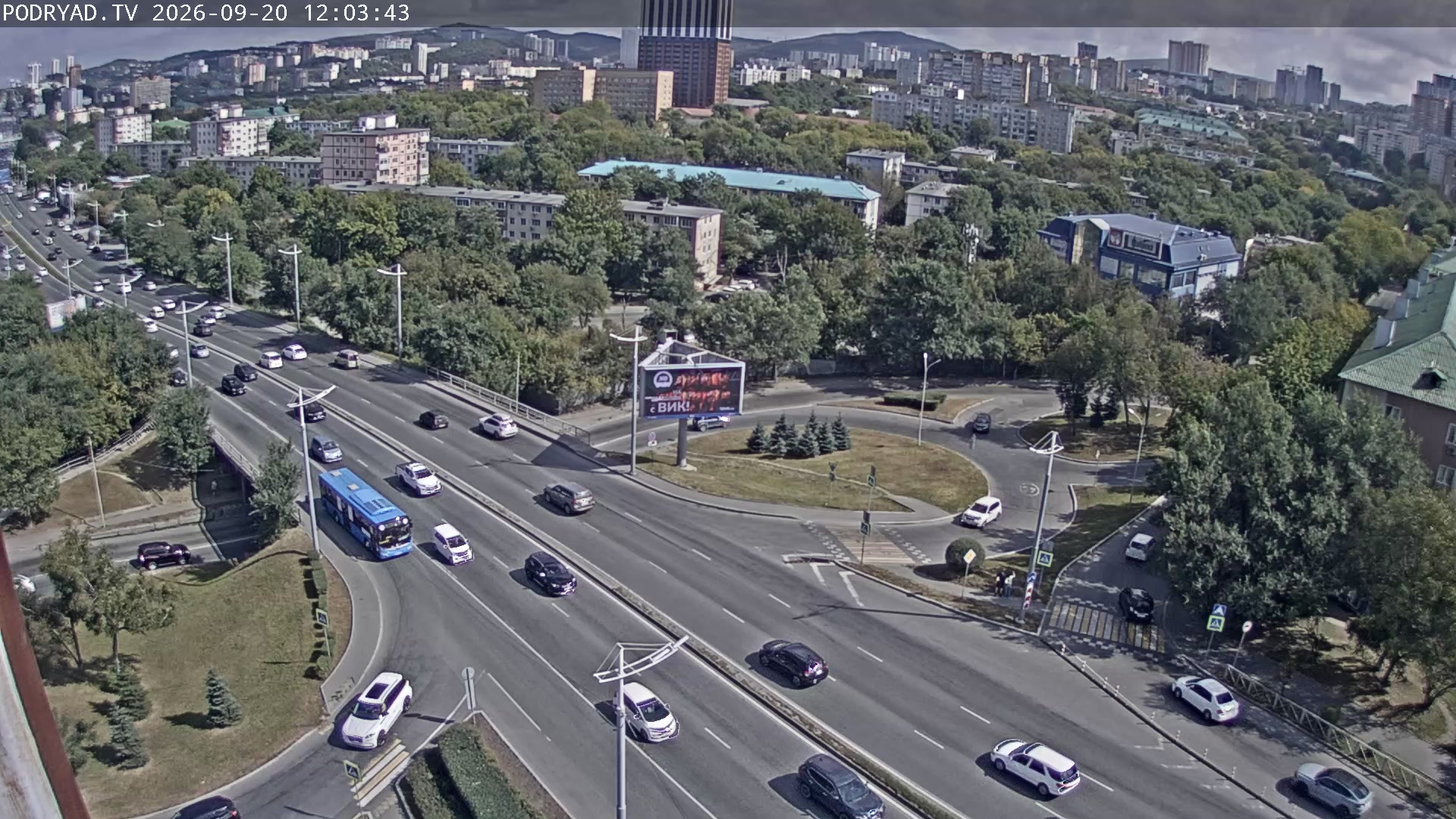
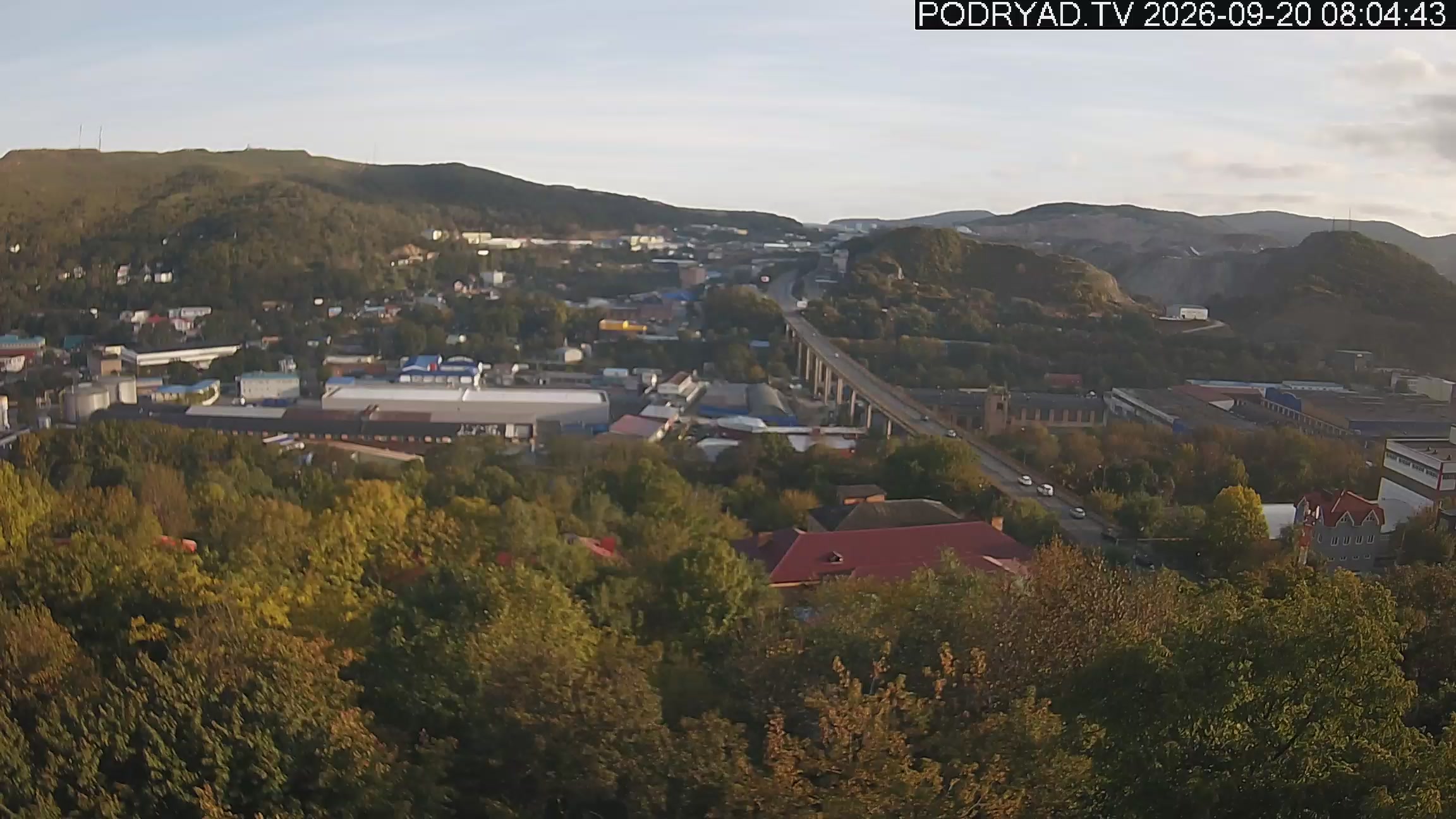
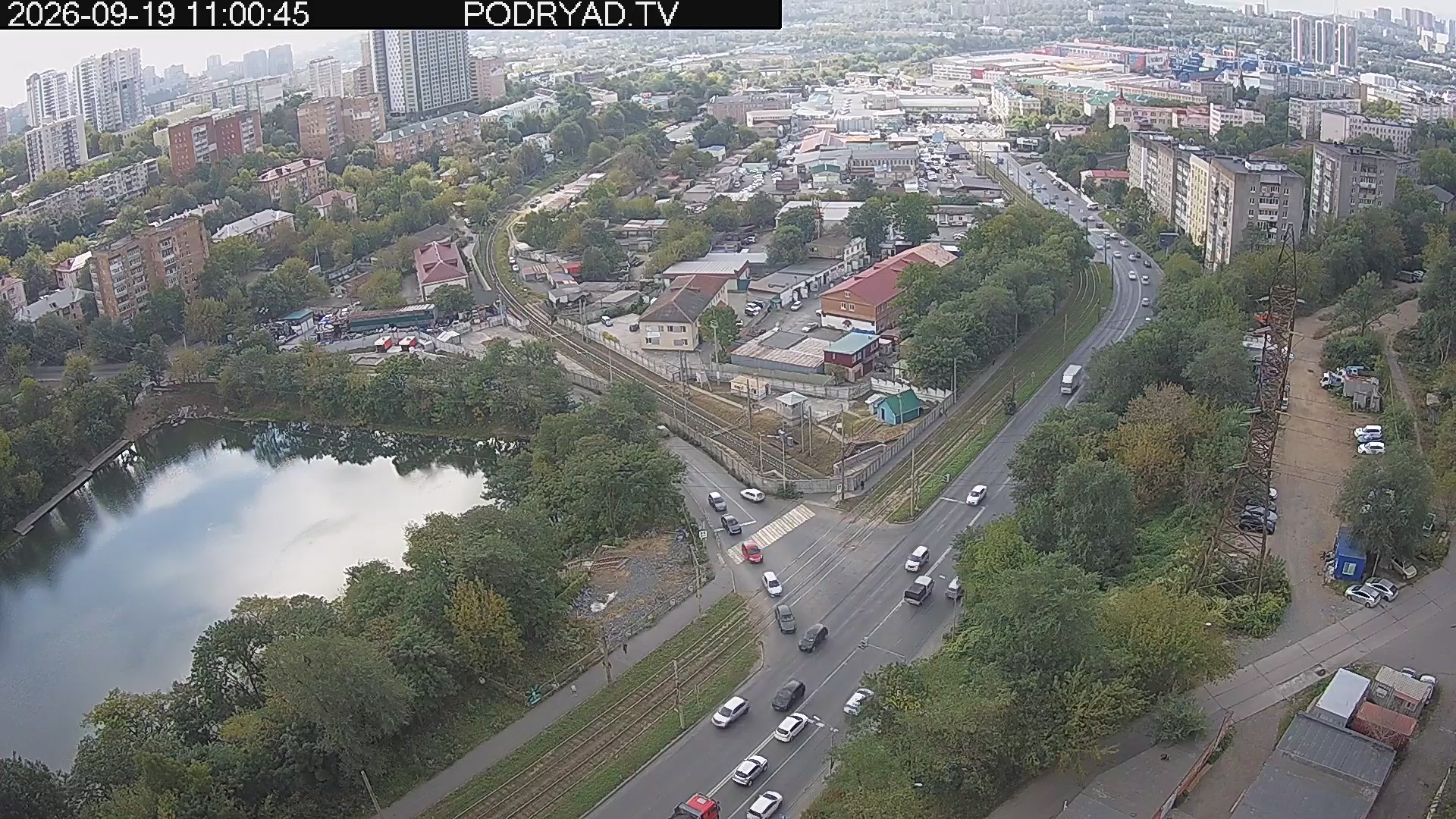
Vladivostok webcams offer views of key city landmarks: the Golden Horn embankment, where port lights come on in the evening, the Russian Bridge with its majestic pylons, the city center with its hills and switchbacks, and Russky Island with the FEFU campus. Cameras facing the harbor show Pacific Fleet ships and fishing vessels, while those aimed at the streets allow you to assess weather and traffic in real time. Choose a stream—and you will see the city that rules the East.