

🏙️ Webcams Astrakhan Online — Watch in Real Time
62 cameras
Southern Gateway to Russia on the Caspian Coast
Astrakhan is a city where Europe meets Asia not metaphorically, but literally. Spread across 11 islands of the Caspian Lowland, in the upper part of the Volga delta, it stands as one of the most colorful cities in southern Russia. Founded in 1558 as a Russian fortress on Zayachy Hill, it still bears traces of its Tatar past, Kalmyk steppes, and Caspian romance. This is a city where Orthodox churches stand alongside mosques, and merchant mansions neighbor wooden houses of the Tatar settlement.
Astrakhan is unique in that it lies 28 meters below sea level — the lowest city in Russia. This geography creates a special microclimate: summers are hot and dry, winters are mild with frequent thaws. The Volga, splitting into hundreds of branches and channels, dictates the rhythm of the city's life. Two bridges connect the left and right banks, while the embankment stretches for several kilometers along the main channel of the great river.
The Kremlin — Heart of the Historic Center
The Astrakhan Kremlin is the city's main landmark, visible from afar from any point on the Volga. Its construction began in 1582–1620, when the wooden fortress was replaced with a stone one. Of the eight original towers, seven have survived to this day: Krasny Vorota, Nikolsky Vorota, Prechistensky Vorota, Oruzheynaya ("Torture") Tower, Arkhiereyskaya, Zhitnaya, and Krymskaya. The tallest — Prechistensky Vorota — rises to 84.8 meters, making it one of the highest fortress towers in Russia.
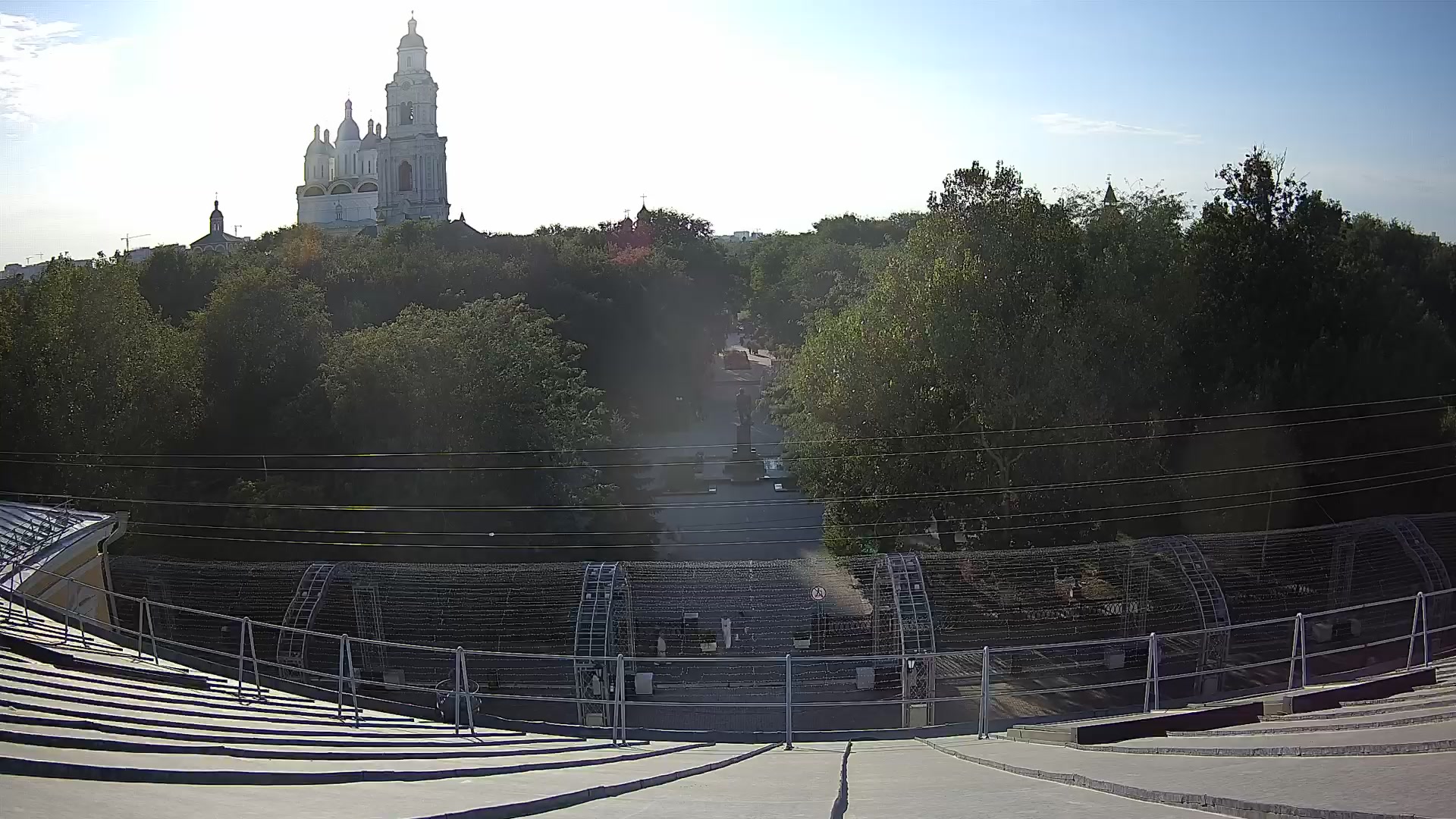
Inside the Kremlin stand two outstanding churches. The Trinity Cathedral, built in 1568, is a masterpiece of 16th-century Russian brick architecture. But the true gem is the Assumption Cathedral, founded on October 1, 1699. Construction lasted nearly 12 years under the direction of stonemason Dorofey Myakishev. The five-domed temple with Corinthian columns, molded brick, and carved white stone so impressed Peter I that the tsar declared: "There is no more beautiful cathedral in all my empire". The cathedral bell tower, built in 1910, rises 80 meters and serves as a landmark for ships navigating the Volga.
Multicultural Character of the City
Astrakhan has always been a city of many peoples. According to the 2021 census, representatives of over 170 nationalities live here. Russians make up 78.8% of the population, Kazakhs — 6.4%, Astrakhan Tatars — 5.7%. There are Nogais, Lezgins, Chechens, Armenians, Azerbaijanis, and Kalmyks. This diversity has left its mark on the architecture, cuisine, and everyday life.
The Tatar Quarter is a neighborhood where ancient buildings with carved wooden houses have been preserved. The White Mosque, built in 1777, and the Baku Mosque (1907–1909) are active places of worship and architectural monuments at the same time. In the city you can find Kalmyk Buddhist prayer houses and the Armenian Church of the Assumption of the Virgin. This vibrant mix makes Astrakhan resemble a Caucasus or Central Asian city, but with a Russian river running through it.
The Volga Embankment and Bridges
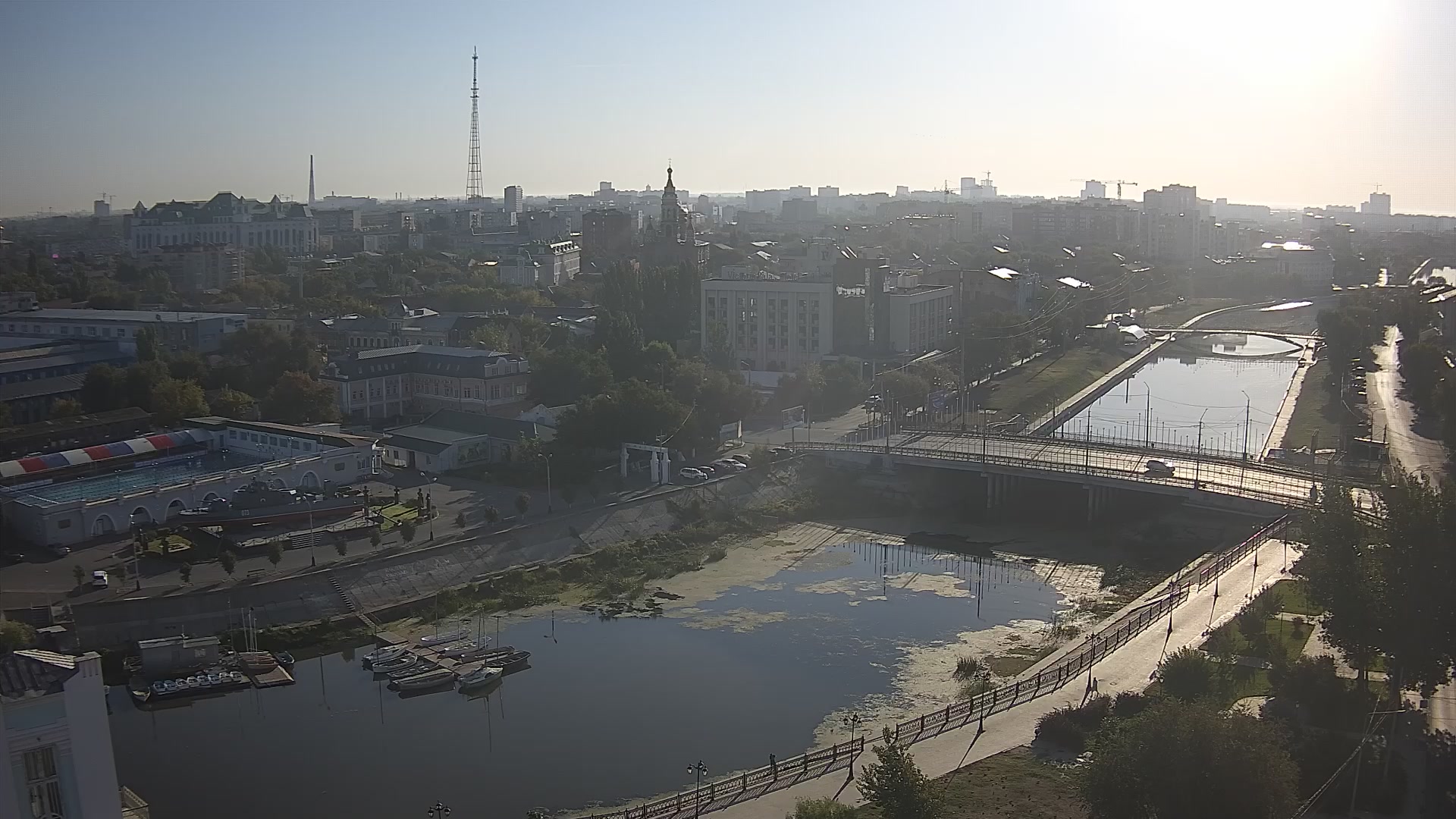
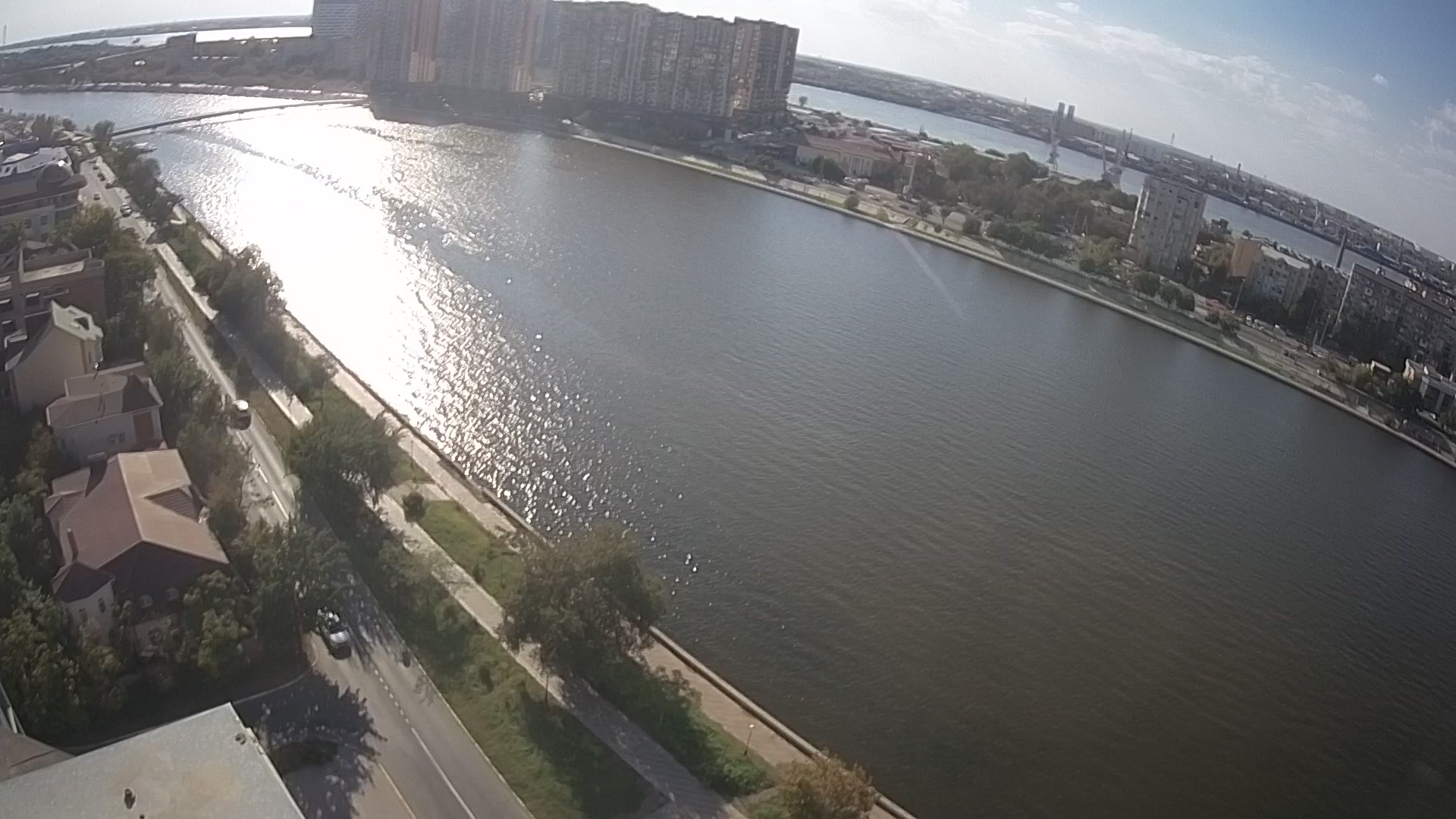
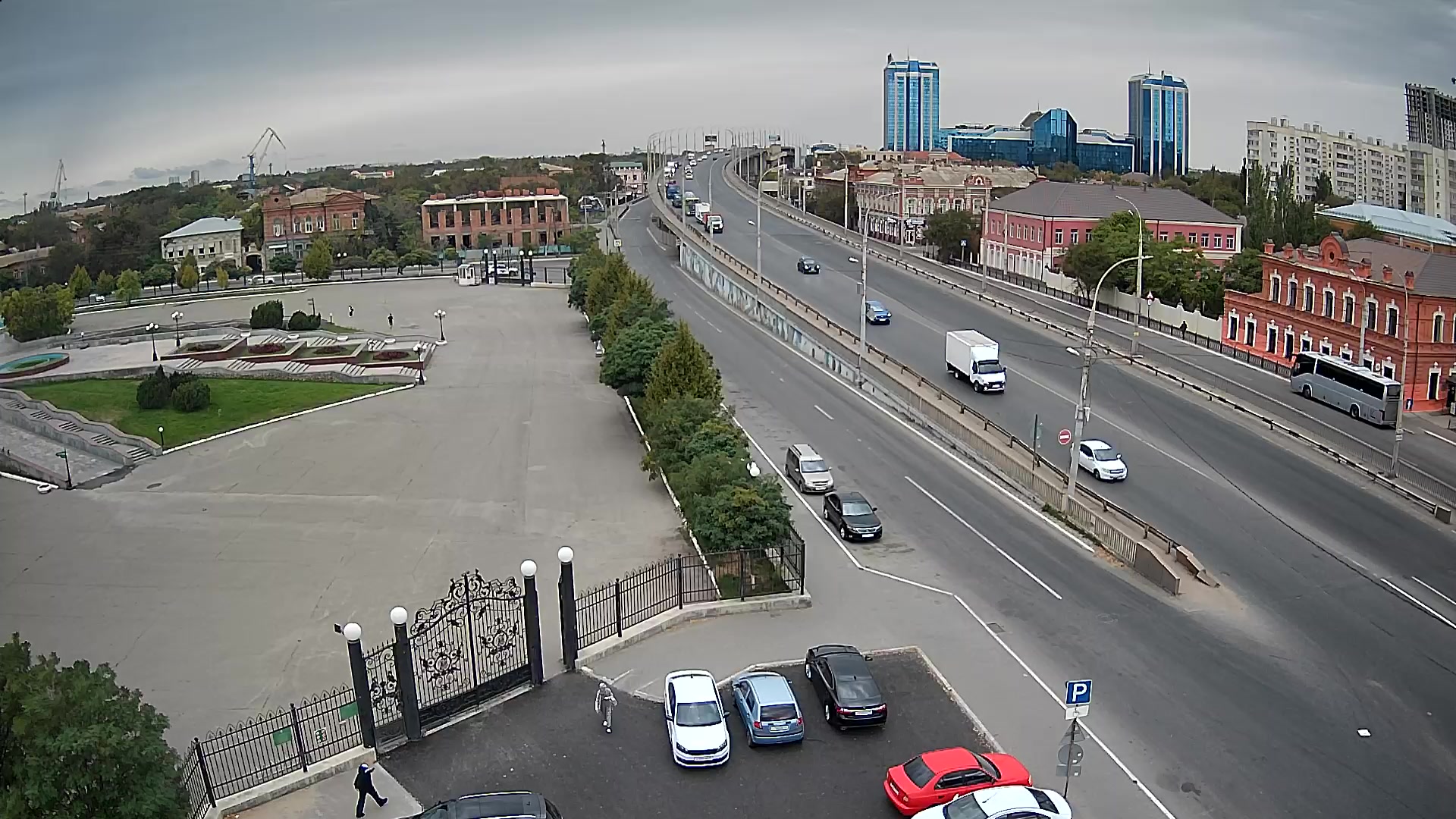
The Volga Embankment is a favorite walking spot for locals and tourists. It stretches along the left bank, from the Kremlin to modern residential areas. Parks, cafes, monuments, and observation decks are located here. From the embankment, there is a view of the bridge across the Volga connecting the two parts of the city. The right bank, home to about 20% of the population, is built up mainly with private houses and dacha settlements.
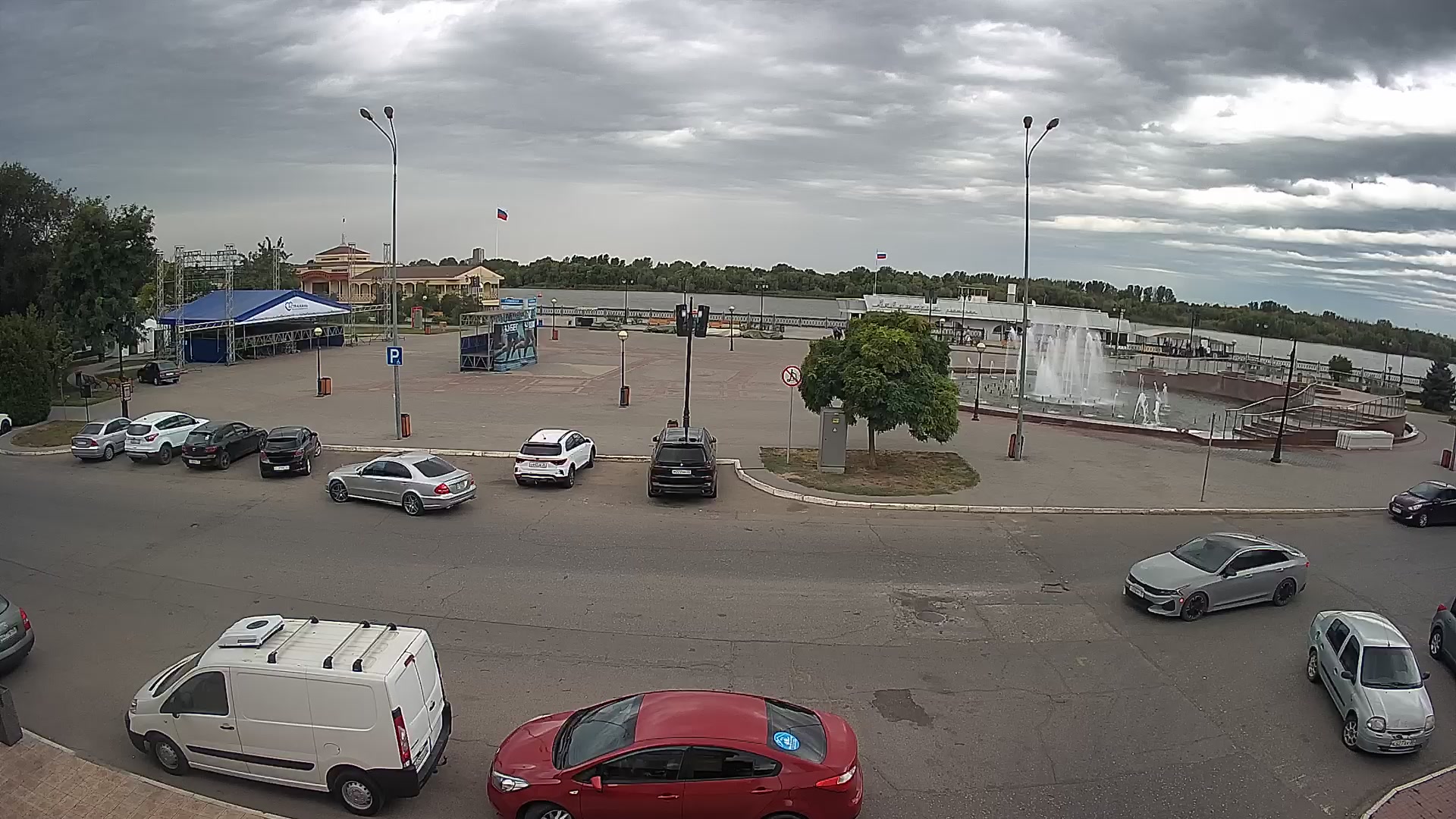
Astrakhan is a city of bridges. In addition to the road bridge across the Volga, there are numerous small bridges over channels and canals within the city. In the evening, when the lighting turns on, the bridges transform into glowing arches over the dark water. Observing this panorama is especially convenient from webcams installed on the embankment — they show the river, city lights, and ship traffic.
Climate and Nature of the Volga Delta
Astrakhan's climate is moderately continental, with semi-desert features. Summers are hot, with temperatures above +35°C, winters are mild, with frequent thaws and little snow cover. In spring, the Volga delta becomes a paradise for anglers and nature lovers: sturgeon, beluga, and sturgeon come here to spawn, and pelicans, flamingos, and herons nest on the islands.
The Astrakhan Biosphere Reserve, located in the delta, protects the unique ecosystem. But even within the city there is plenty of greenery: poplars, willows, and lilacs create shade on hot days. Vineyards and watermelon fields are an integral part of the Astrakhan landscape. Local watermelons are famous throughout Russia, while tomatoes and peppers hit the markets in early summer.
Economy and Transport Hub
Astrakhan is a major river port and base of the Caspian Flotilla. The city historically developed as a transport hub at the intersection of waterways between Russia, the Caucasus, Central Asia, and Iran. Today, shipbuilding and ship repair plants, food processing facilities, garment and shoe factories operate here. The Astrakhan region is rich in gas and sulfur, which has driven the development of the oil and gas industry.
Rail connections link Astrakhan with Moscow, St. Petersburg, Volgograd, and Baku. Narimanov Airport receives flights from the capital and major Russian cities. River cruises along the Volga are popular with tourists — Astrakhan often serves as the starting or ending point of the route.
Cultural Life and Education
Astrakhan is home to a drama theater, an operetta theater, a philharmonic society, and a local history museum with a rich collection. The Kremlin functions as a museum-reserve: inside its walls are exhibitions on the history of the Cossacks, Tatar culture, and regional archaeology. City Day is celebrated on the third Sunday of September — a time of folk festivals, fairs, and fireworks over the Volga.
Astrakhan State University and other institutions of higher education train specialists for the fishing industry, oil and gas sector, medicine, and pedagogy. The city has medical and pedagogical institutes, as well as branches of metropolitan universities.
City Districts: from the Center to Residential Areas
The historic center of Astrakhan is compact: the Kremlin, Trinity Monastery, Tatar Quarter, and merchant streets — all can be explored on foot. The Zakanakalye district, separated from the center by the Kutum River, was built mainly during the Soviet era — five-story and nine-story buildings predominate here. New microdistricta — Babayevsky, Zavodskoy, Kirpichny — are located on the outskirts and are being actively developed.
The right bank of the Volga is a private sector, gardening communities, and dacha settlements. City residents who desire space and closeness to nature move here. Two bridges and a ferry crossing provide connections between the banks, but during rush hour, traffic jams form on the bridges — a typical feature of a growing city.
What the Cameras Show
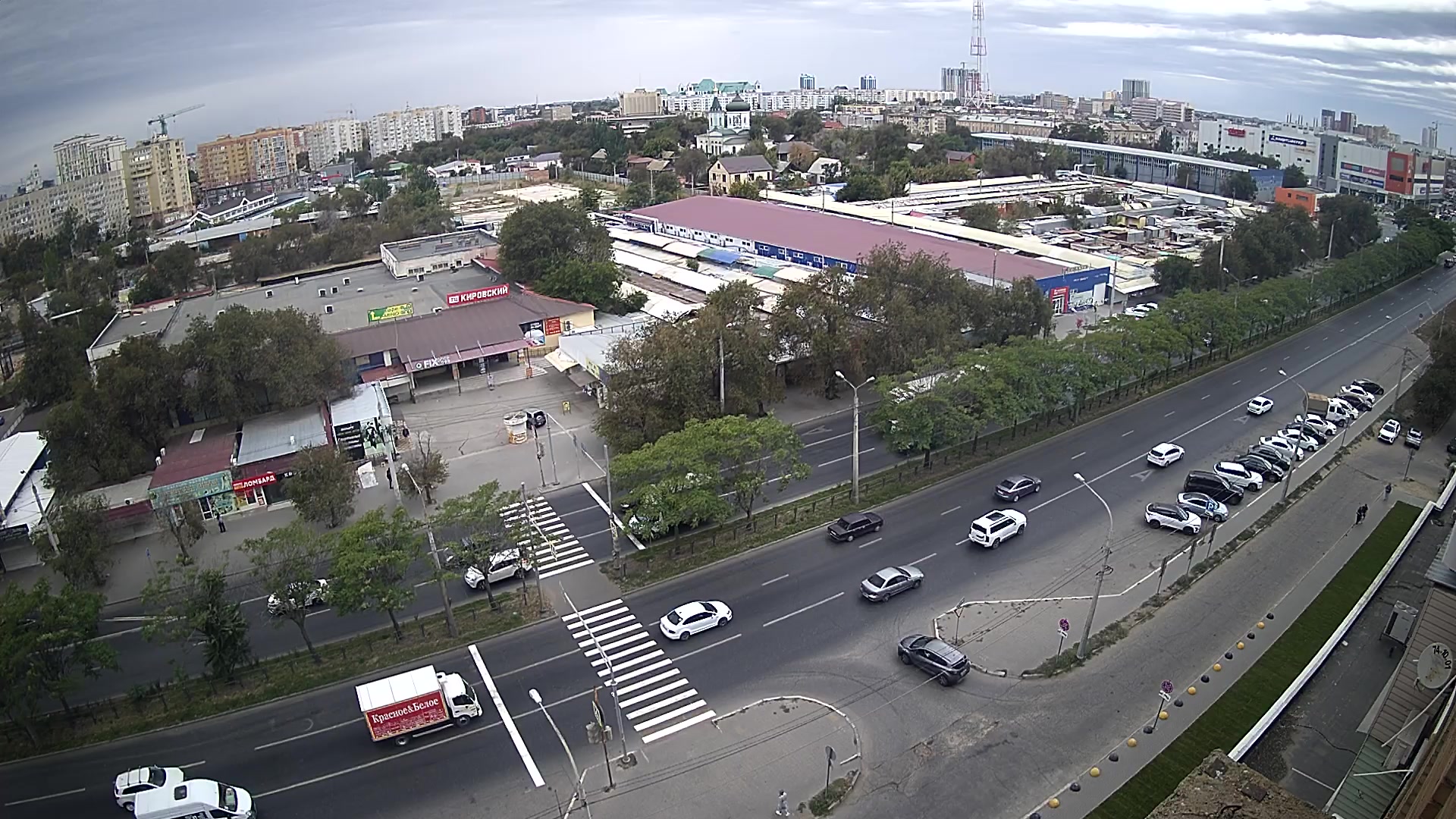
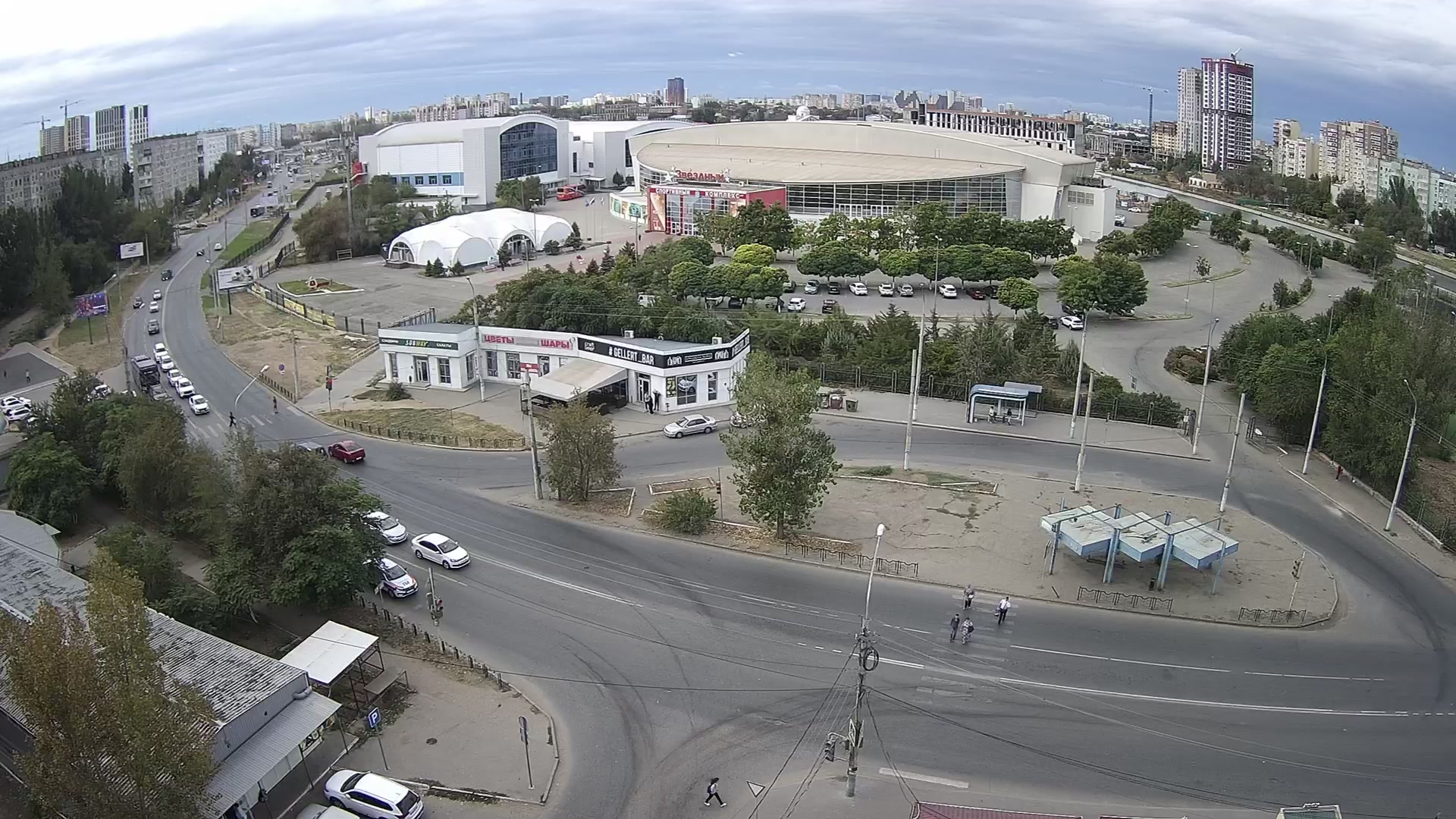
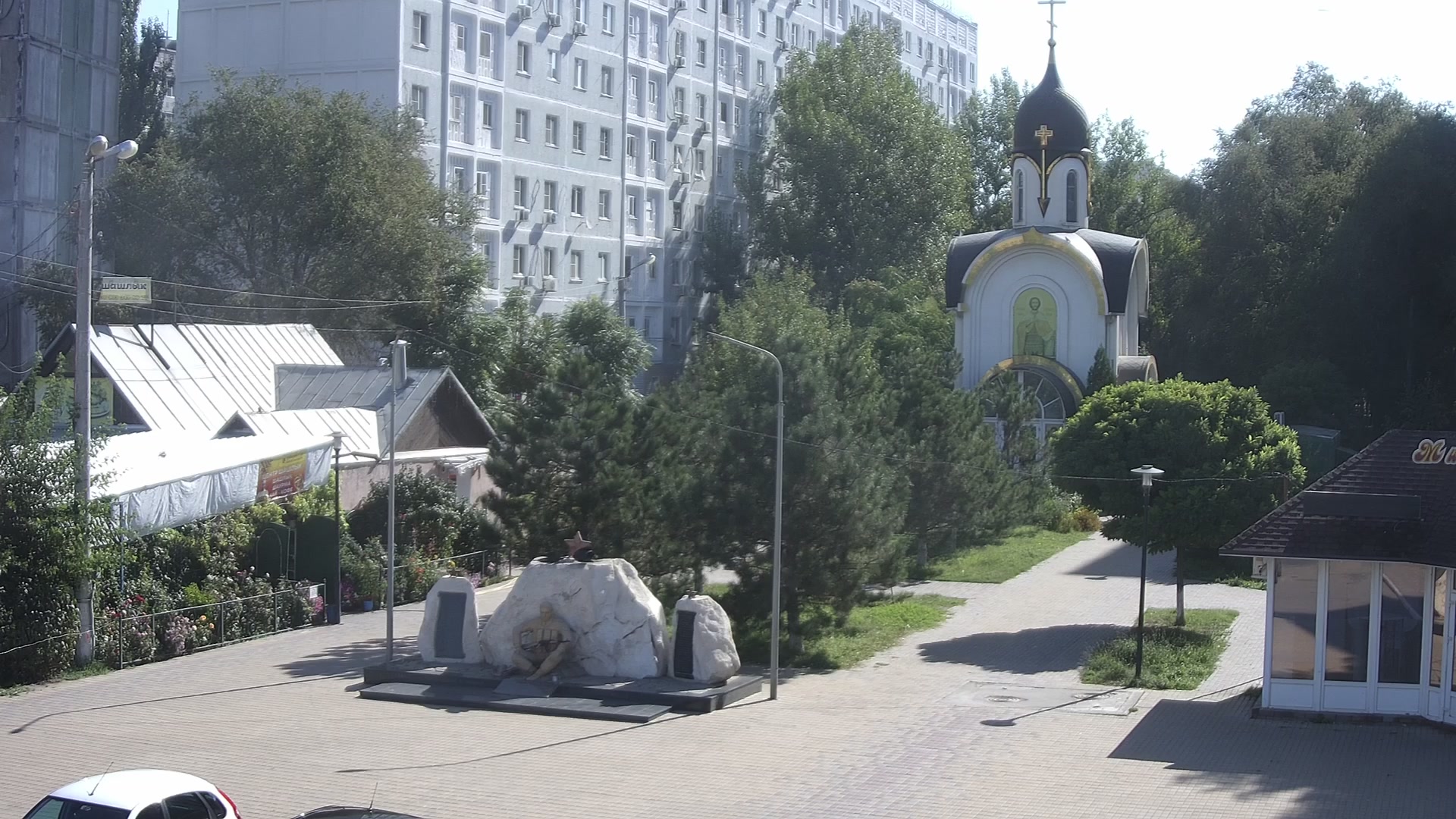
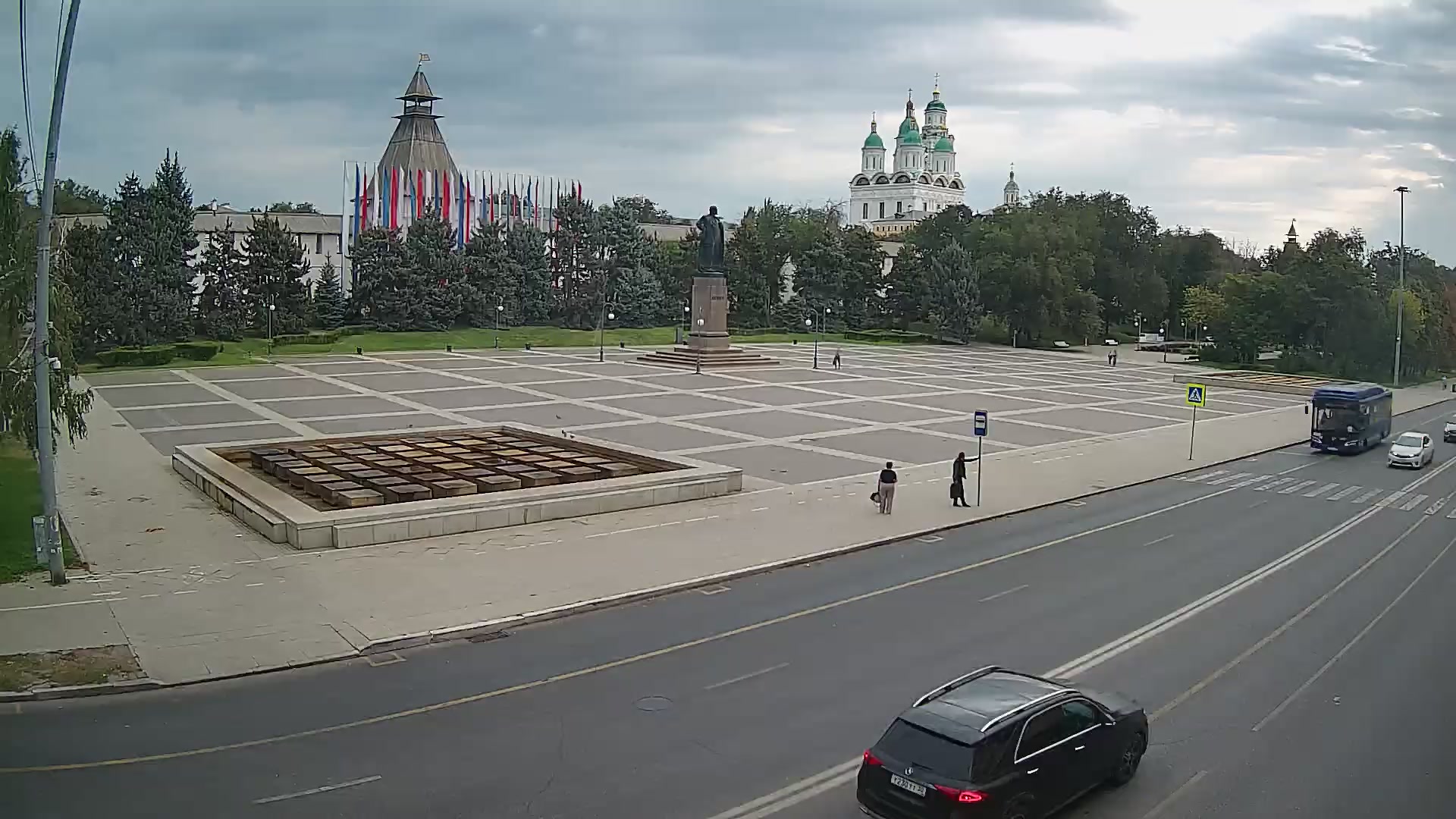
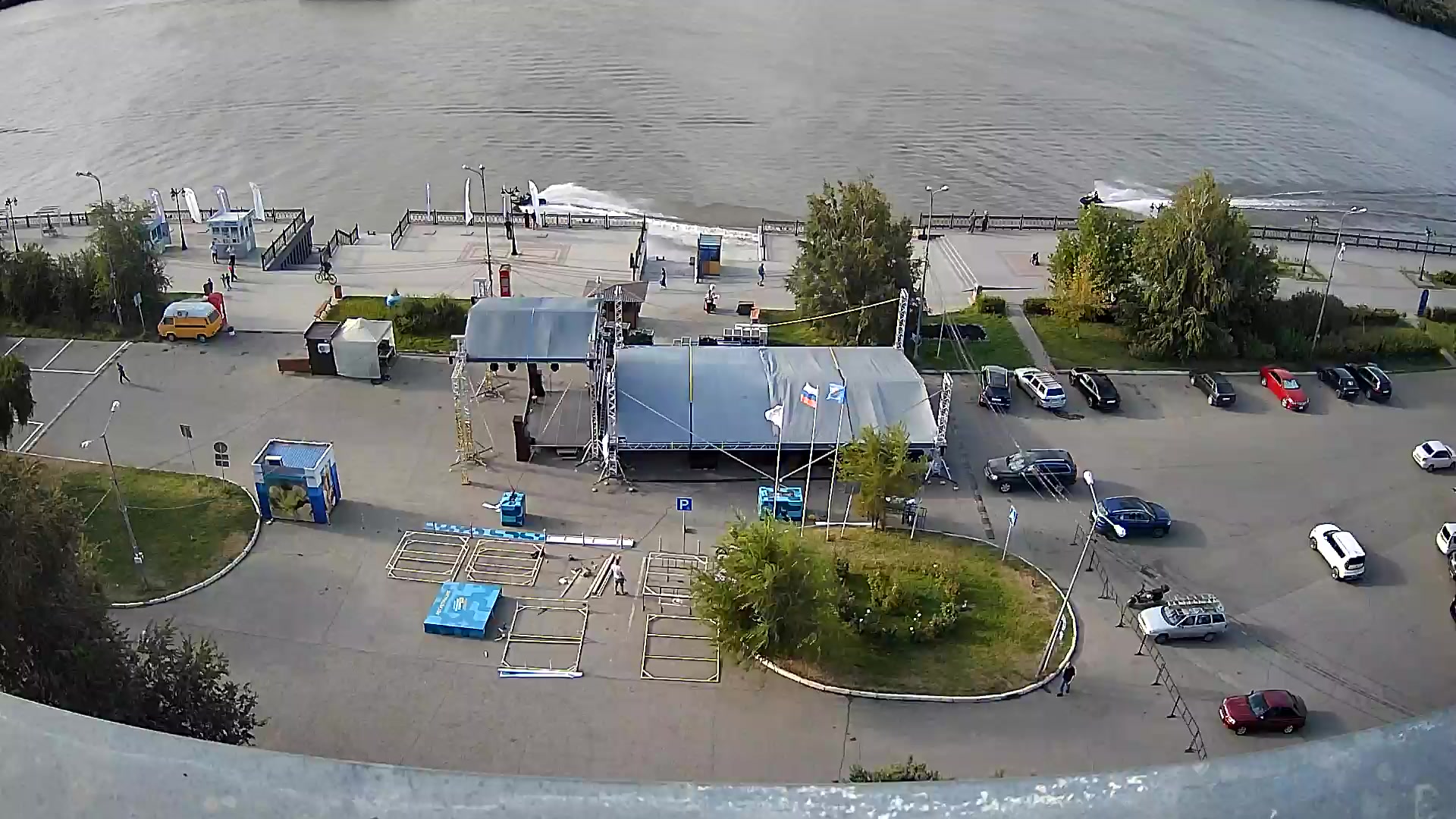
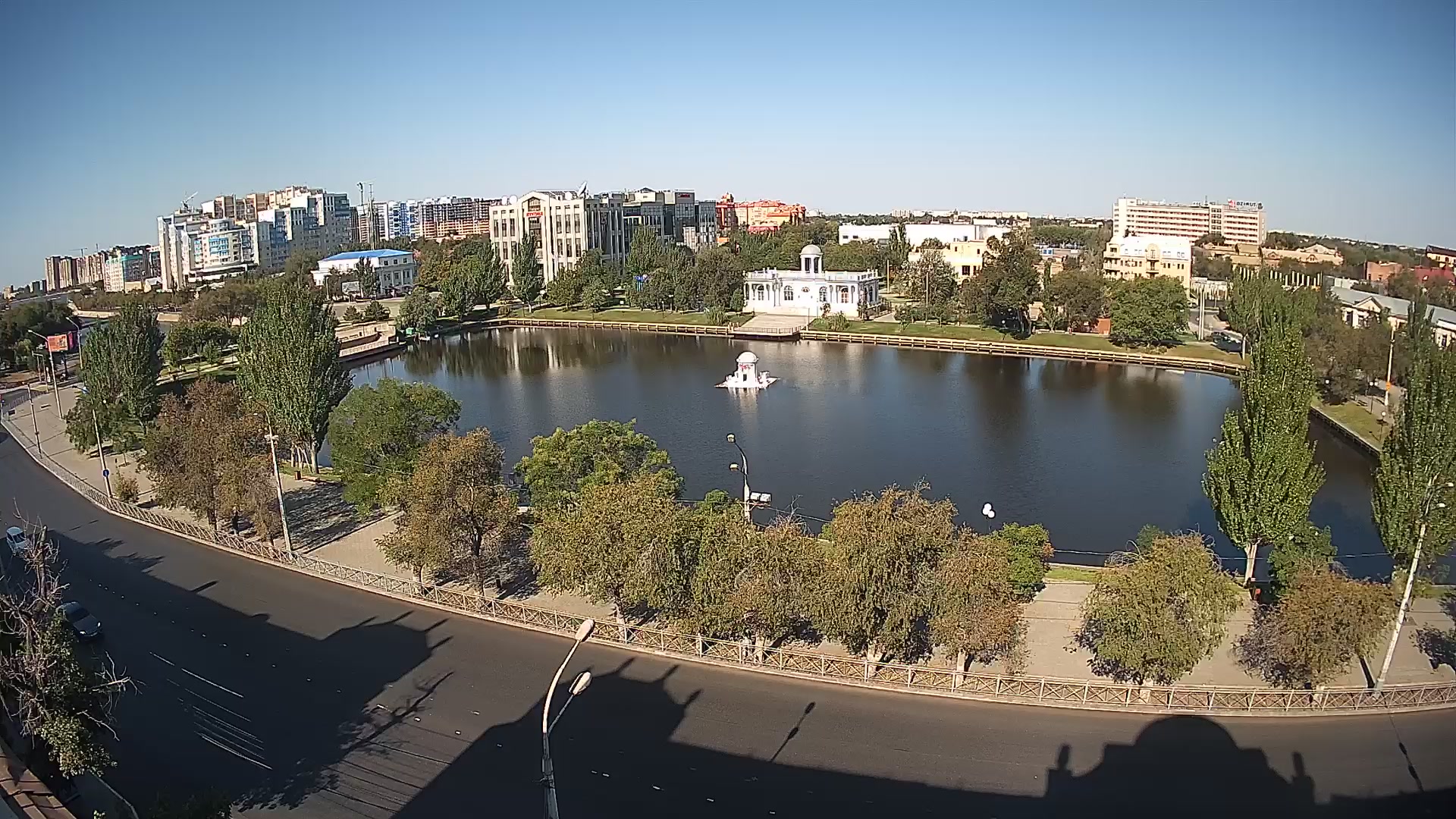
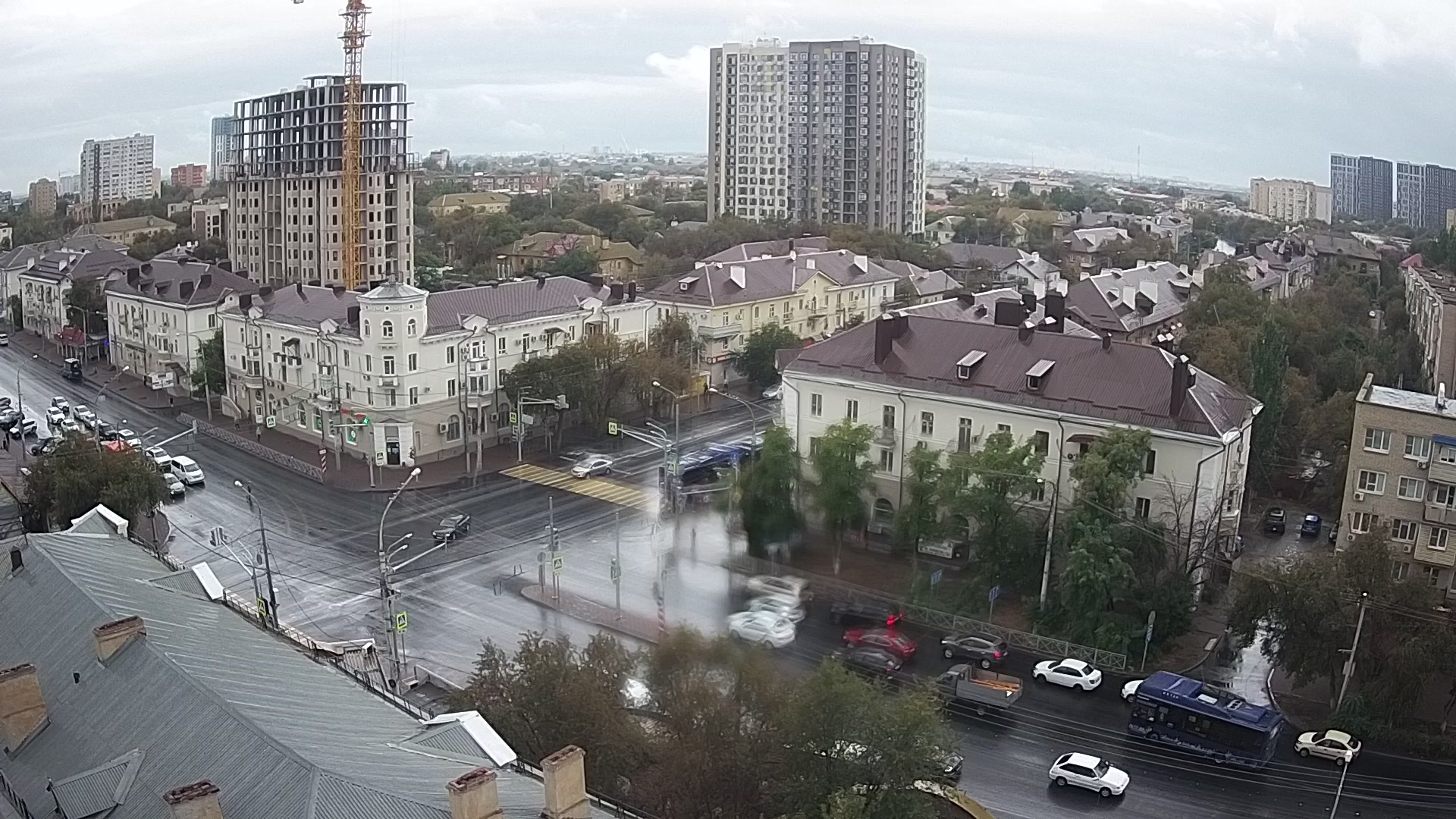
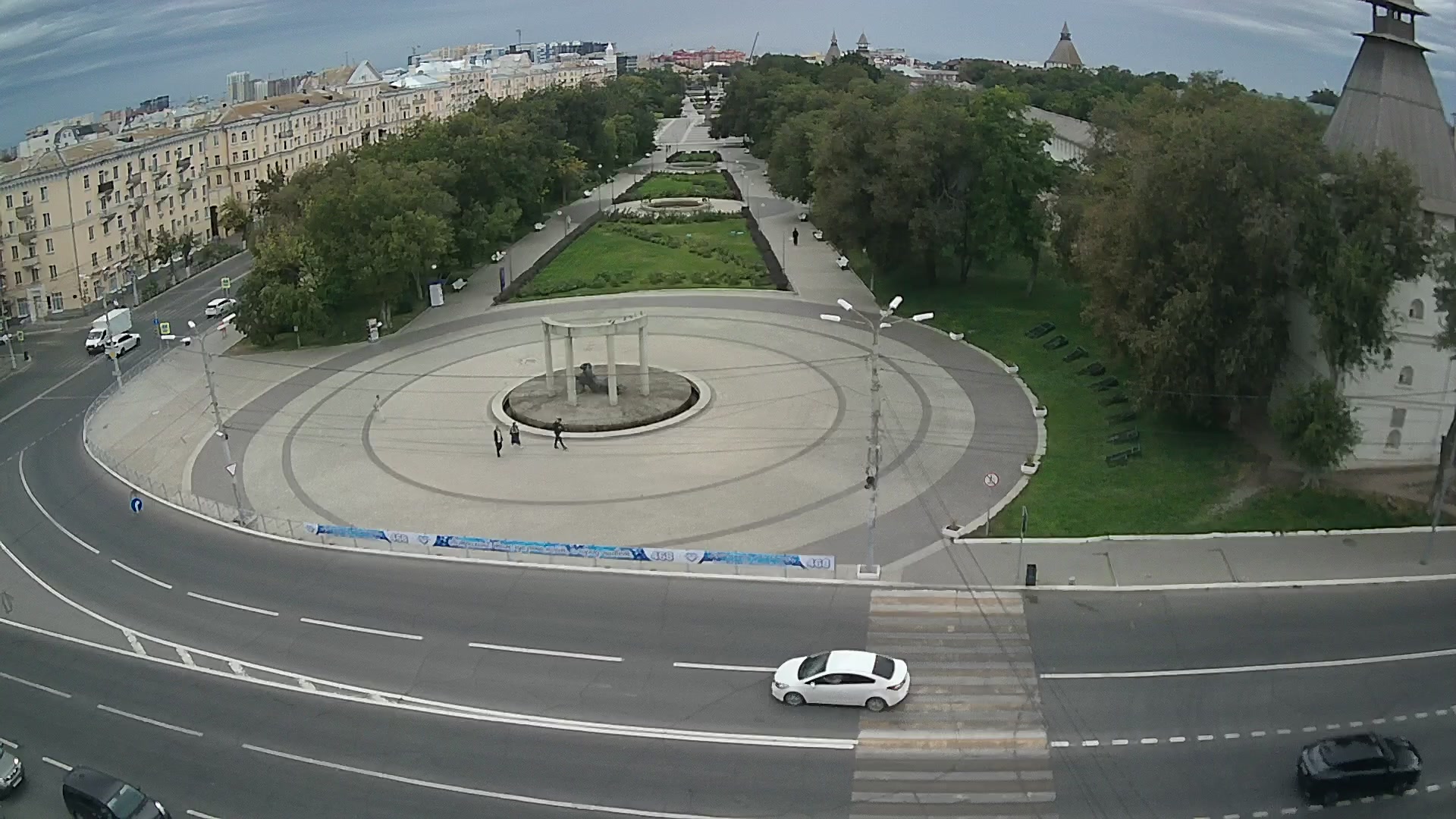
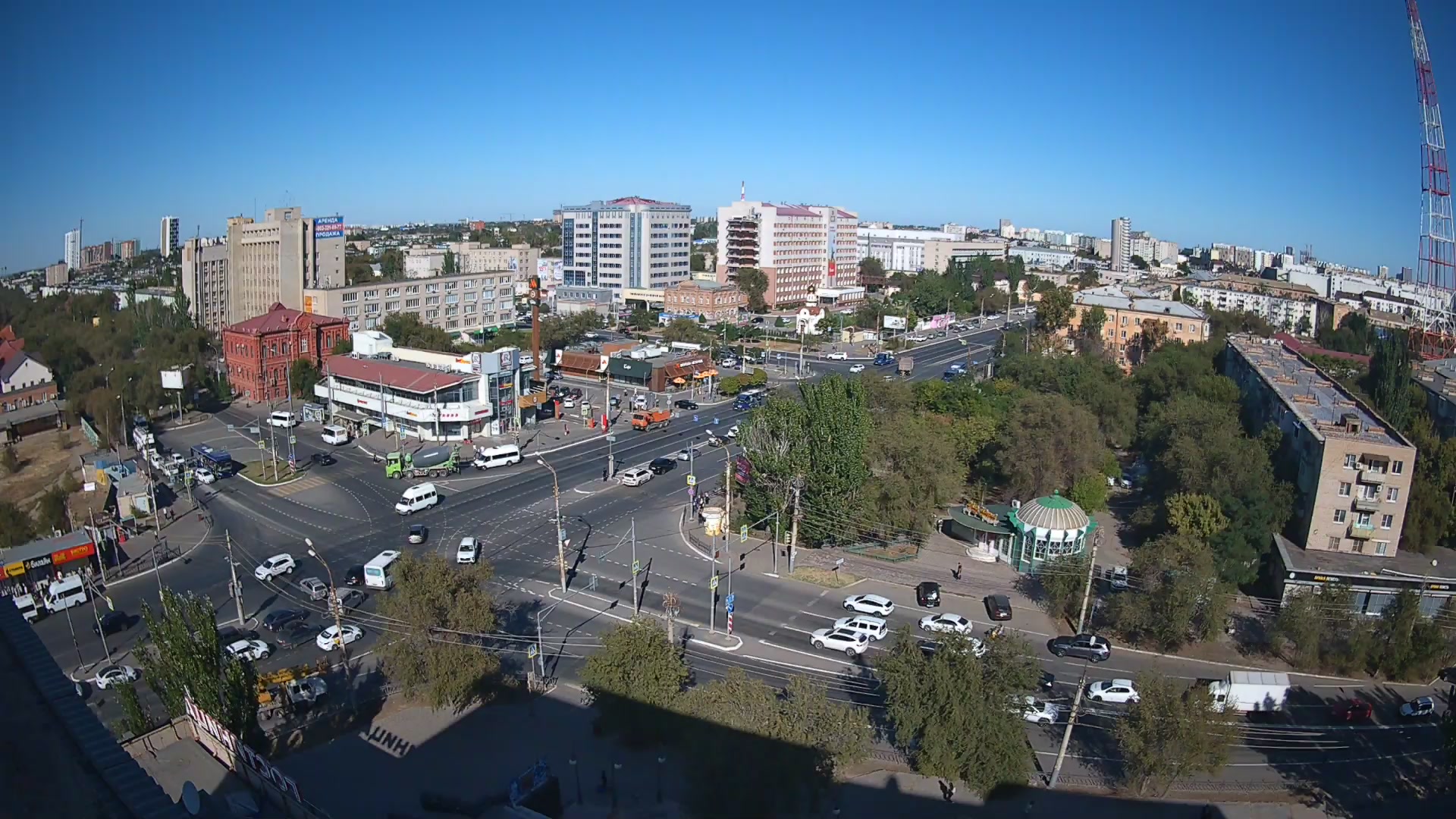
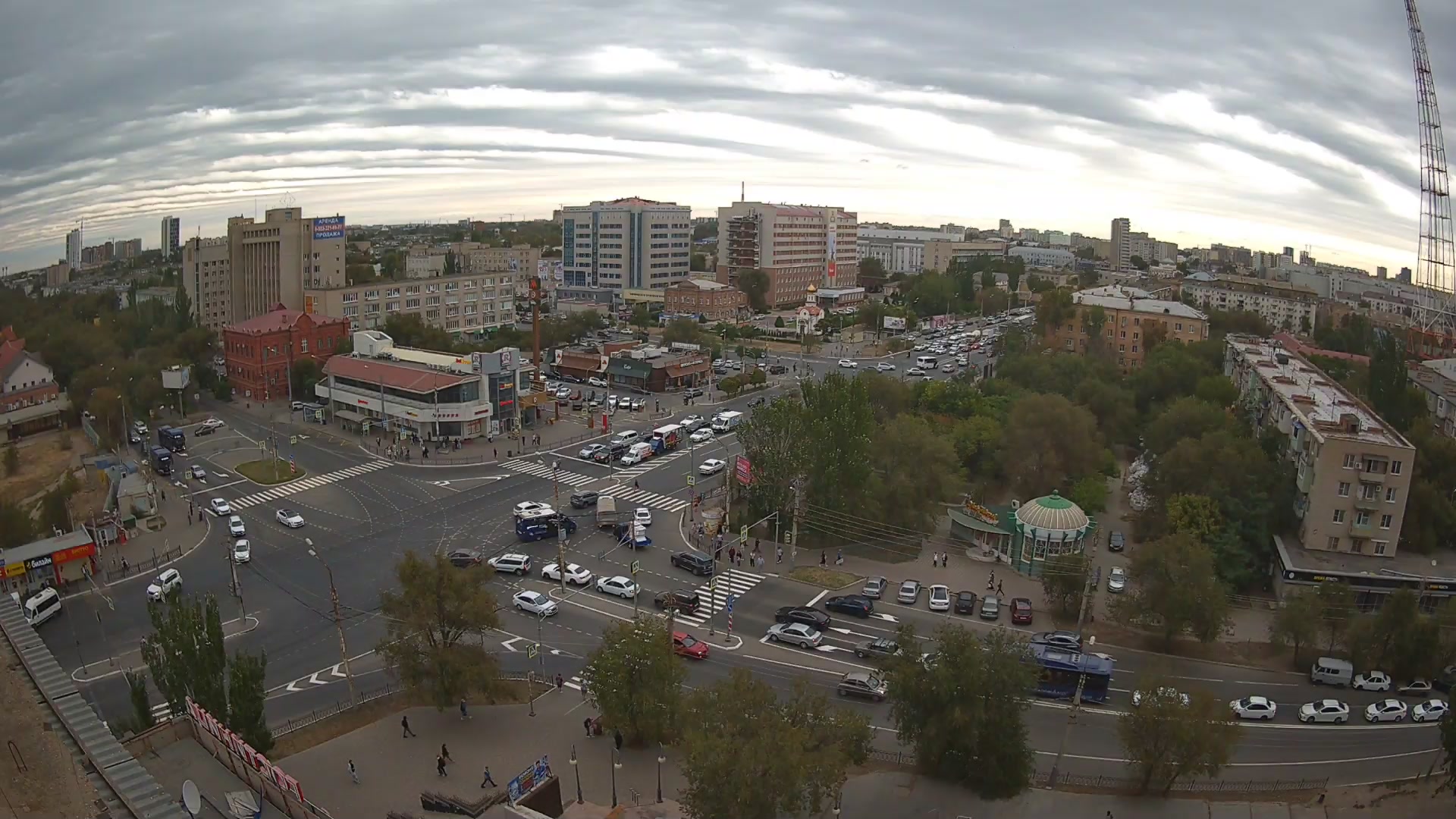
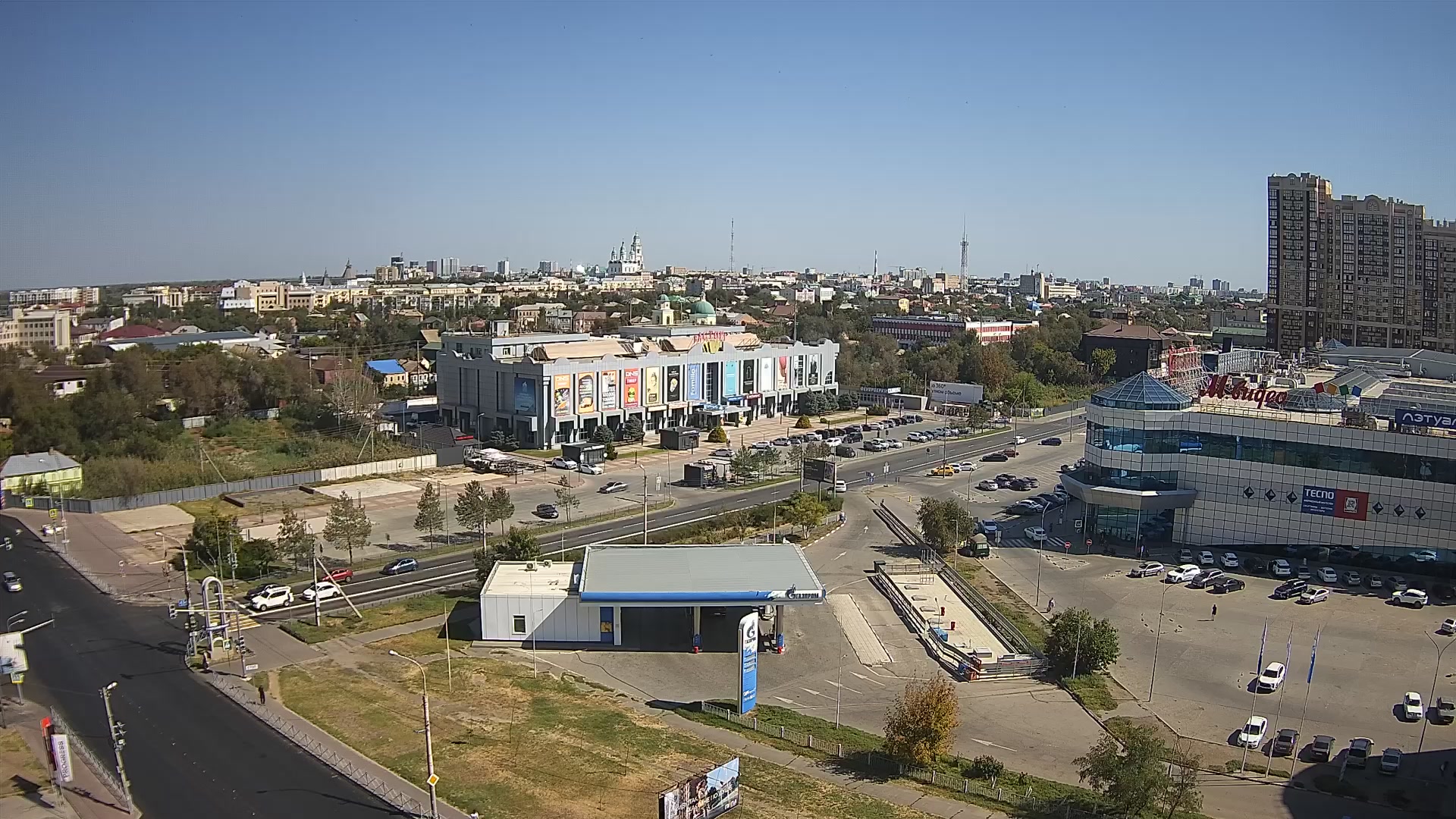
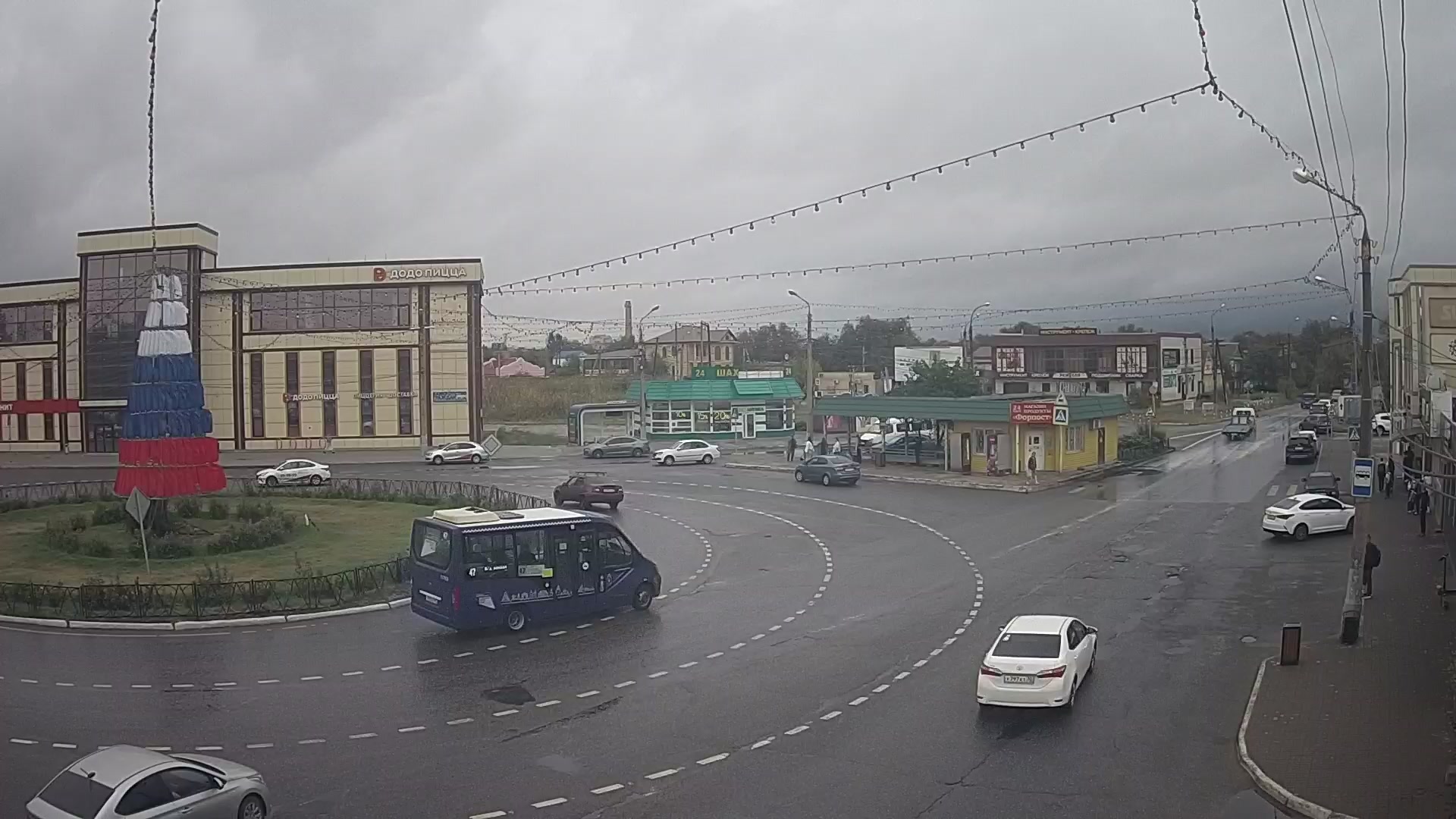
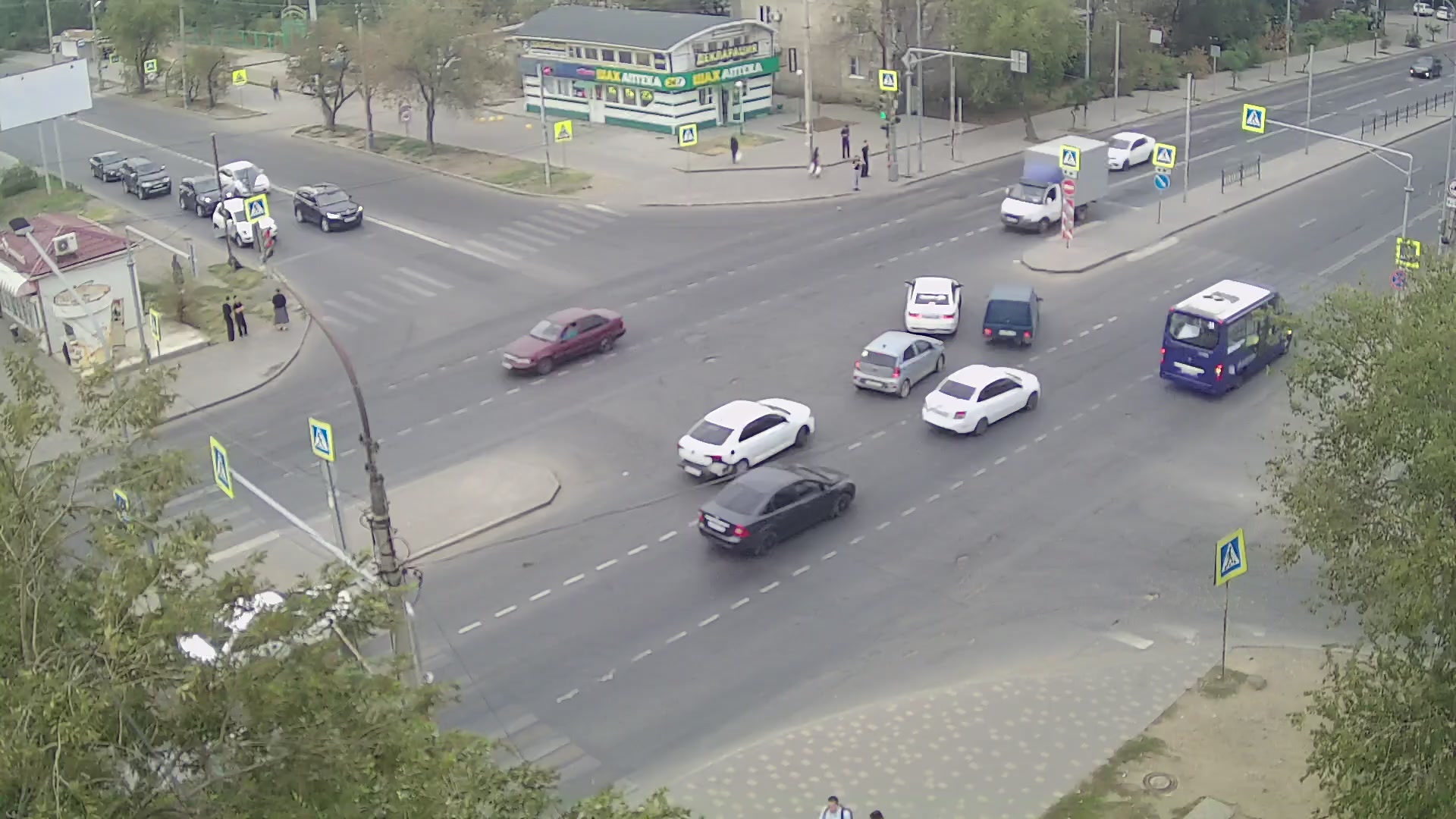
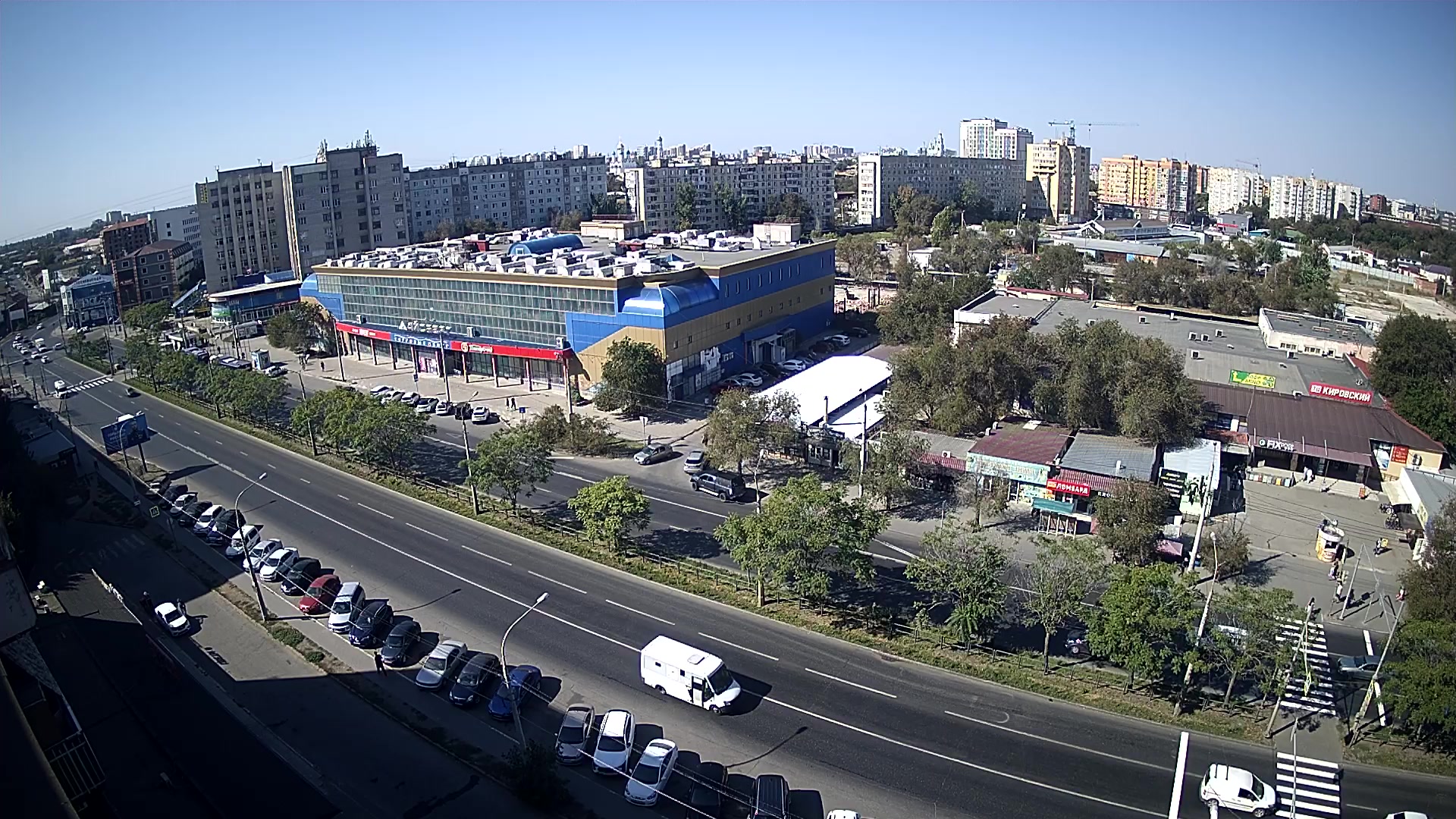
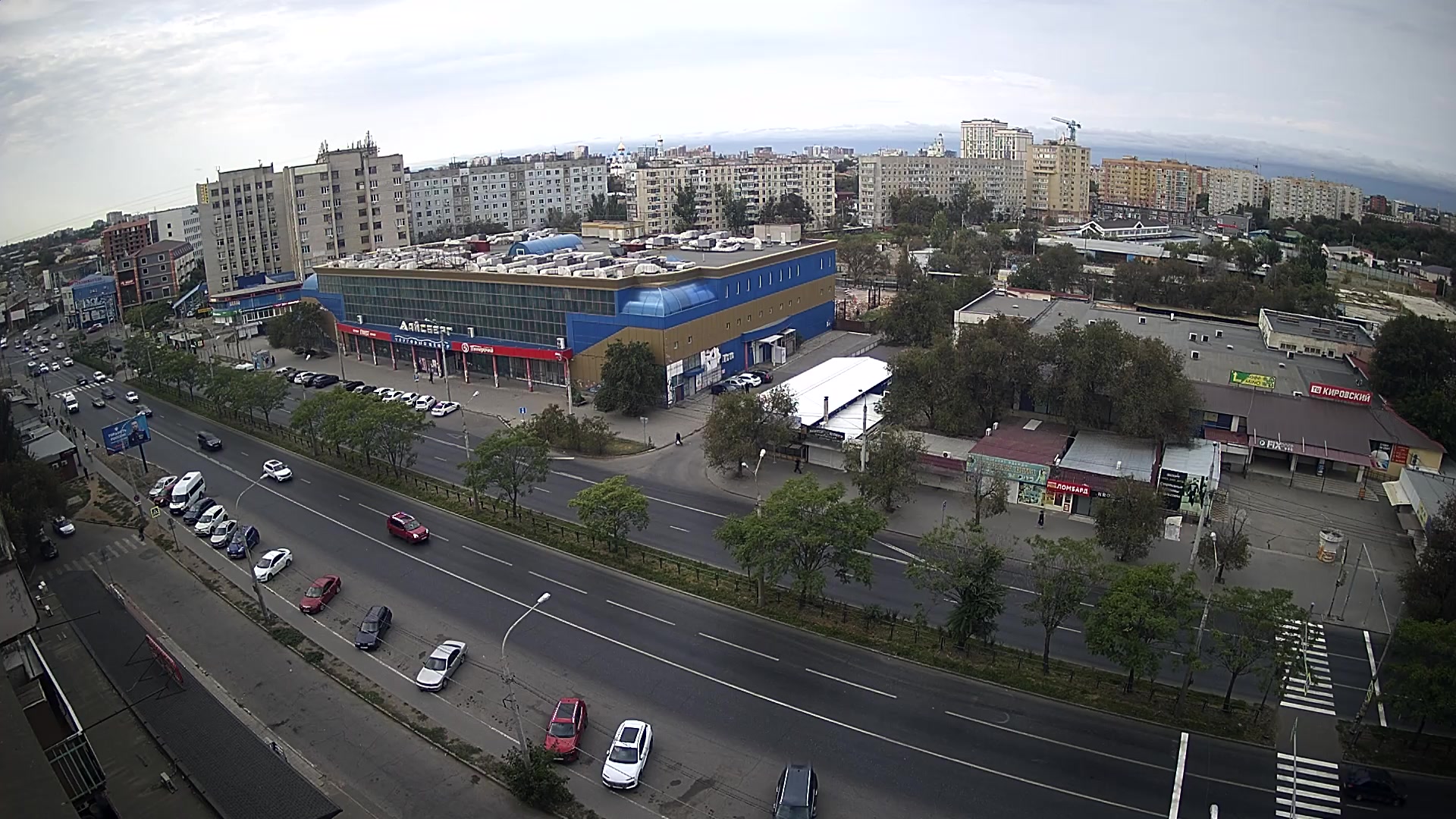
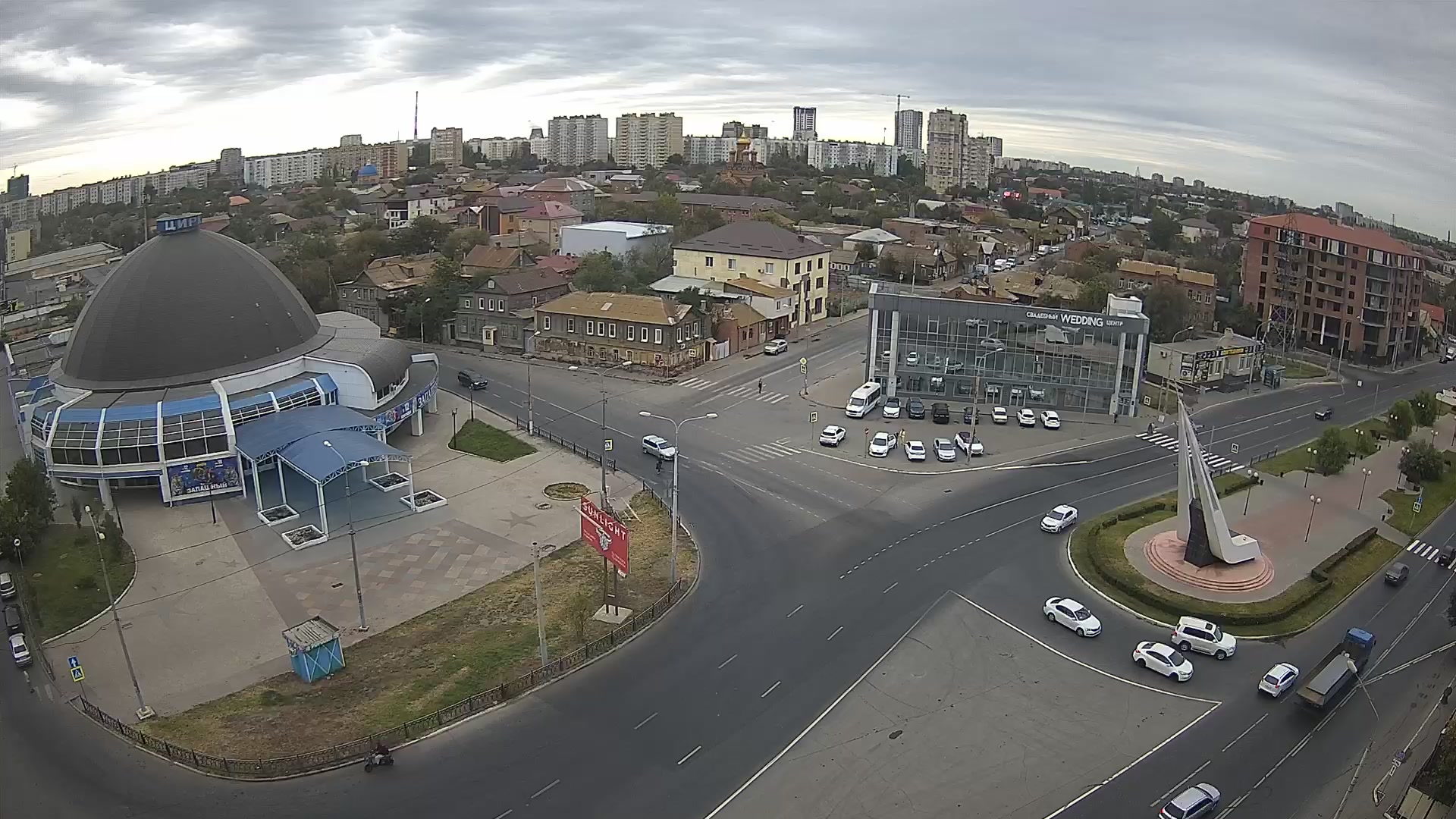
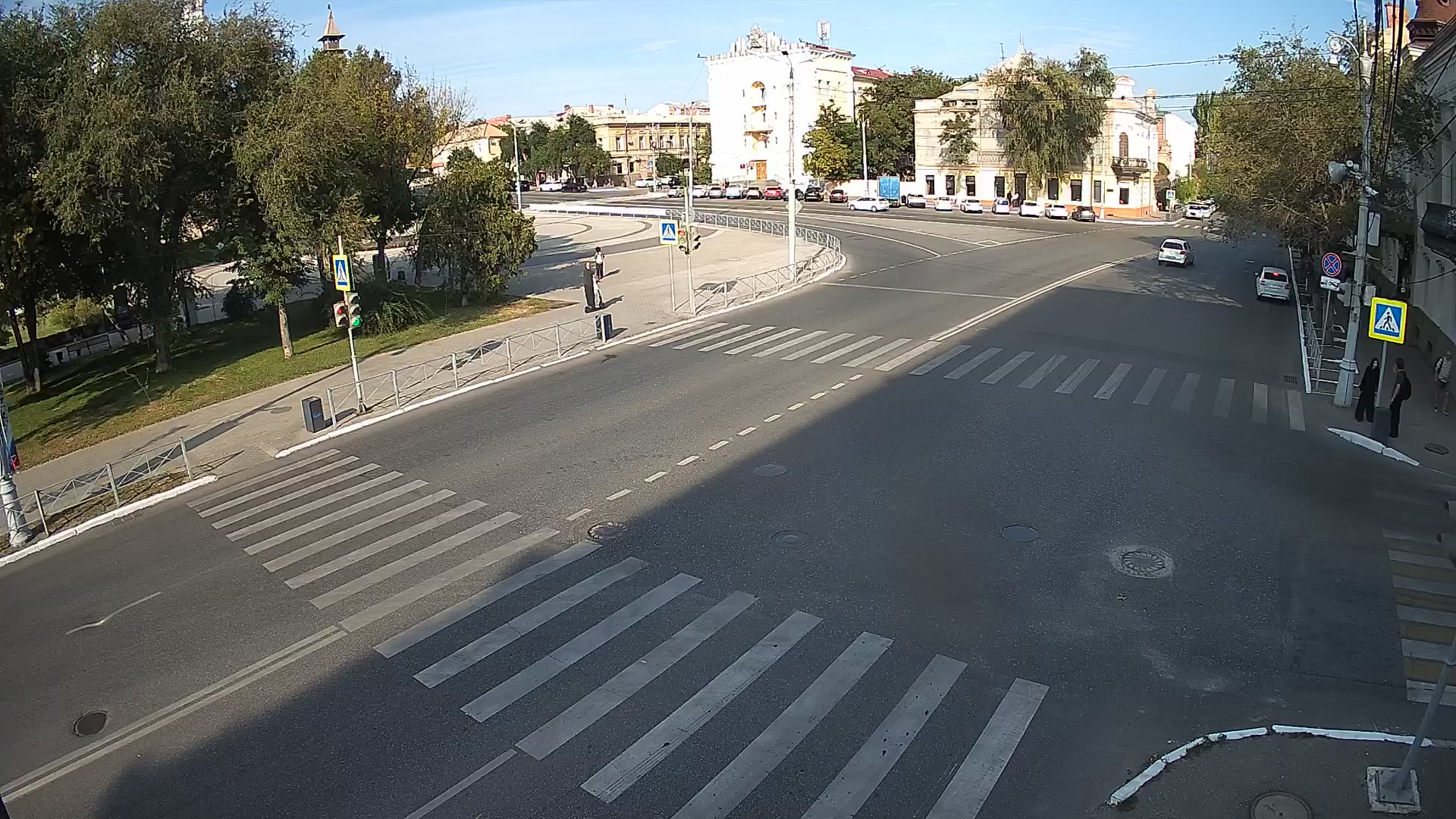
Astrakhan webcams online allow you to see the city in real time without leaving your home. Broadcasts from the Kremlin show the walls and towers, the Assumption Cathedral, and views of the Volga. Cameras on the embankment display the river, the bridge, and ship traffic. There are live streams from central squares — Lenin and Shaumyan, where city events take place. For those who want to check the weather before traveling, cameras at elevated points are available — they show a panoramic view of the city from the height of poplars and rooftops.
Watching Astrakhan via webcam is convenient both before a trip and simply out of curiosity: the city changes depending on the time of day and season. In the morning — it's fog over the Volga and the first rays of sunlight on the cathedral domes. During the day — a lively embankment and excursion boats. In the evening — the illuminated Kremlin and bridge lights. The Astrakhan live stream gives you the chance to feel the rhythm of this southern city, where history meets modernity on the banks of a great river.