

🏙️ Webcams Velikiye Luki Online — Watch in Real Time
18 cameras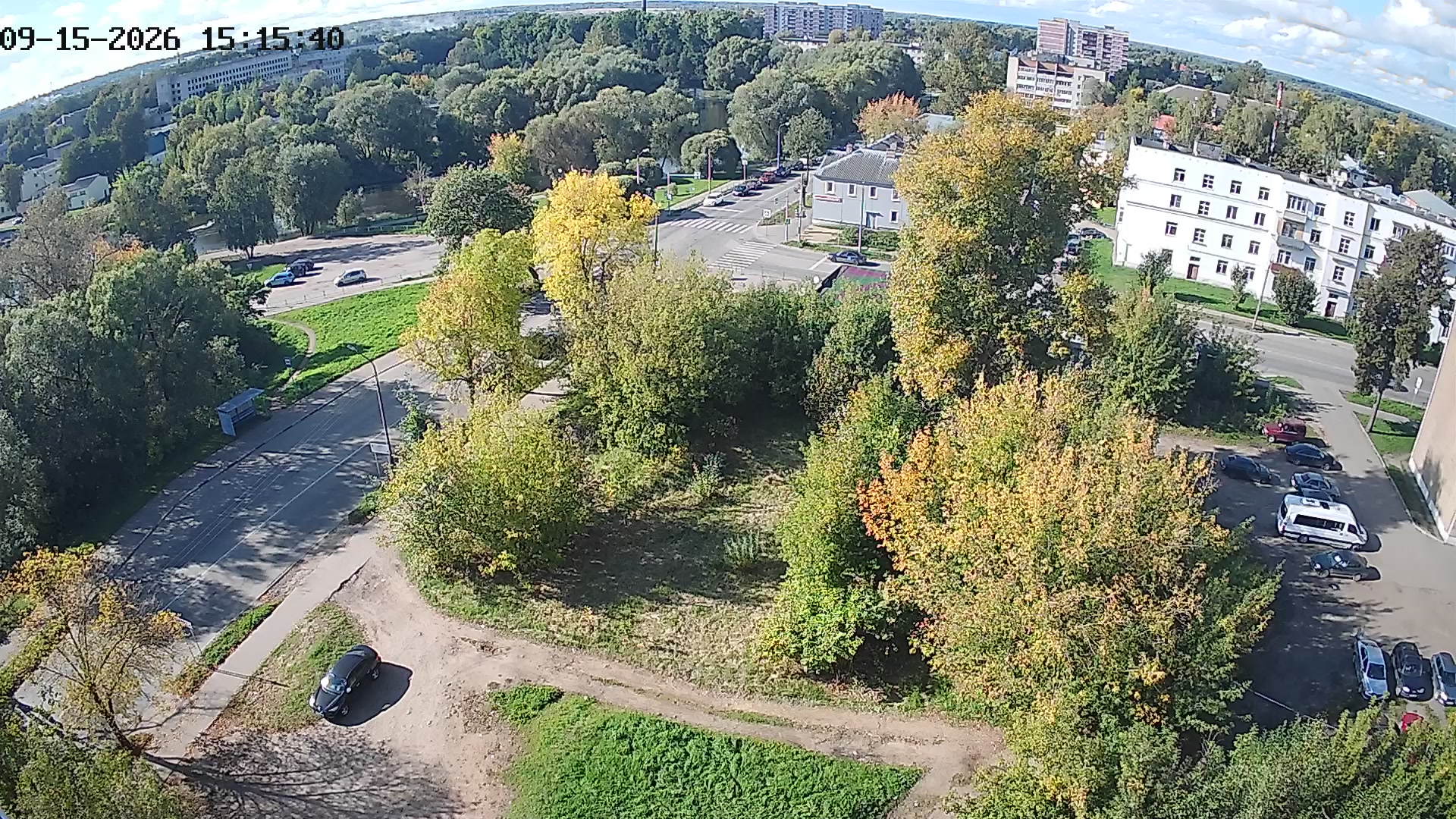




History and Origin of Velikiye Luki Name
Velikiye Luki is one of those Russian cities whose history goes back to deep antiquity. The settlement is first mentioned in chronicles under 1166, however archaeological finds indicate that the first settlements in this territory existed long before this date. The Lopatino settlement and other monuments suggest that the age of the city may be significantly older than commonly believed.
The etymology of the name still causes disputes among historians. According to one version, the word "luki" comes from low-lying flood meadows near the bend of the Lovat River. Another version connects the name with weapons — bows and arrows, which, according to legend, were stored here in large reserves for the druzhinas. A third version indicates the location of the city on the bend of the river — the "luka" of the Lovat, which determined the strategic importance of the settlement.
"Little Stalingrad" — How Velikiye Luki Survived the War
Velikiye Luki occupies a special place in the history of the Great Patriotic War. From July 1941 to January 1943 the city was under occupation by Nazi German troops. In November 1942, Soviet troops launched the Velikiye Luki offensive operation, which became one of the key battles on the Northwestern Front.
In December 1942, the forces of the 3rd Shock Army encircled the German garrison numbering about 12-20 thousand men. The encircled forces turned the city into a powerful fortress, putting up stubborn resistance and fighting for every block and house. To assist the advancing units, an airborne landing was dropped behind enemy lines — the 2nd Battalion of the 214th Airborne Brigade.
Due to the large-scale street fighting, the encirclement of a major enemy group, and the involvement of airborne troops, the battle for Velikiye Luki was compared to the Battle of Stalingrad. The city received the unofficial name "Little Stalingrad". Complete liberation occurred on January 17, 1943, when the last pockets of resistance were suppressed.
Capital of Russian Ballooning
Velikiye Luki officially holds the status of the capital of Russian ballooning. The city received this status thanks to regular major competitions that have been held here since 1990. The ballooning training center "Aero-Express" is based in Velikiye Luki, training hot air balloon pilots.
Every year the city hosts the International Balloon Festival, which includes the All-Russian Championship for the Prize of the Governor of the Pskov Region. The festival is famous for mass launches of unusually shaped balloons — figurative balloons, night illuminations when burning burners light up the balloons in the dark to music, as well as competitions for landing accuracy and flight distance.
The Lovat River and Its Role in the City's Fate
The Lovat is the largest river in the region, and it is thanks to it that Velikiye Luki emerged as a city. In ancient times, the river was part of the famous trade route "from the Varangians to the Greeks," connecting the Baltic with Ilmen and Volkhov and reaching toward Ladoga. This determined the commercial and strategic importance of the settlement.
The high and winding banks of the Lovat served as a natural barrier for enemies, which determined the construction of a fortress here. In the Middle Ages and in the 19th-20th centuries, the river and its tributaries were actively used for timber rafting, which gave a powerful boost to the development of the woodworking industry and plywood production in Velikiye Luki.
The historical center of the city is located on the high right bank of the Lovat, which protected it from spring floods and raids. Today, the river embankment is one of the favorite recreation spots for locals and tourists.
Gastronomic Symbols: From Gingerbread to Sausage
Velikiye Luki is famous for its gastronomic traditions. The main symbols of the city are the products of the Velikiye Luki meat processing plant, whose sausages are known far beyond the Pskov Region, and the Lukian confectionery factory.
A special place is occupied by Velikiye Luki gingerbread — one of the main regional brands. The gingerbread is made according to an old recipe based on honey and rye flour, characterized by dense dough and often stuffed with jam or condensed milk. Traditionally, Velikiye Luki gingerbreads are decorated with complex relief ornaments and inscriptions. Monuments have been erected in honor of this product, and its production has become part of the local tourism brand.
Museums and Attractions
Velikiye Luki is home to the Velikiye Luki State History and Local Lore Museum — one of the oldest in the Pskov Region. Unique is the Museum of the Lukian Confectionery Factory — the only museum of a confectionery factory in Russia, where you can see the history of the creation of famous sweets and taste the products.
There is also the Museum of the History of Velikiye Luki Journalism. And the only state Forge Museum in Russia is located in the village of Seredka in the Velikiye Luki district. It was created on the basis of a preserved 19th-century forge. The museum has a real blacksmith's forge and bellows, and blacksmithing master classes are held.
What Cameras Show the City
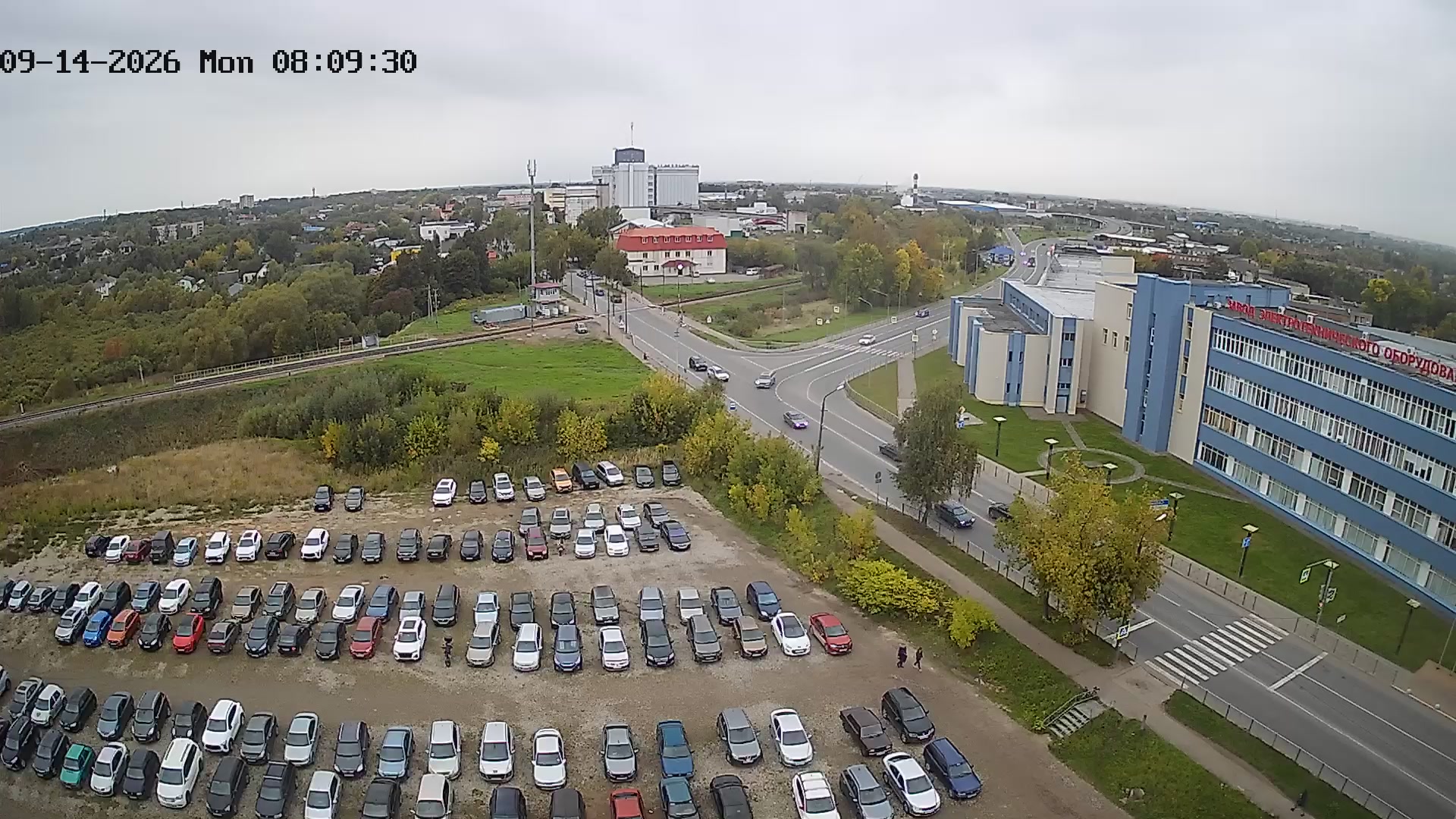
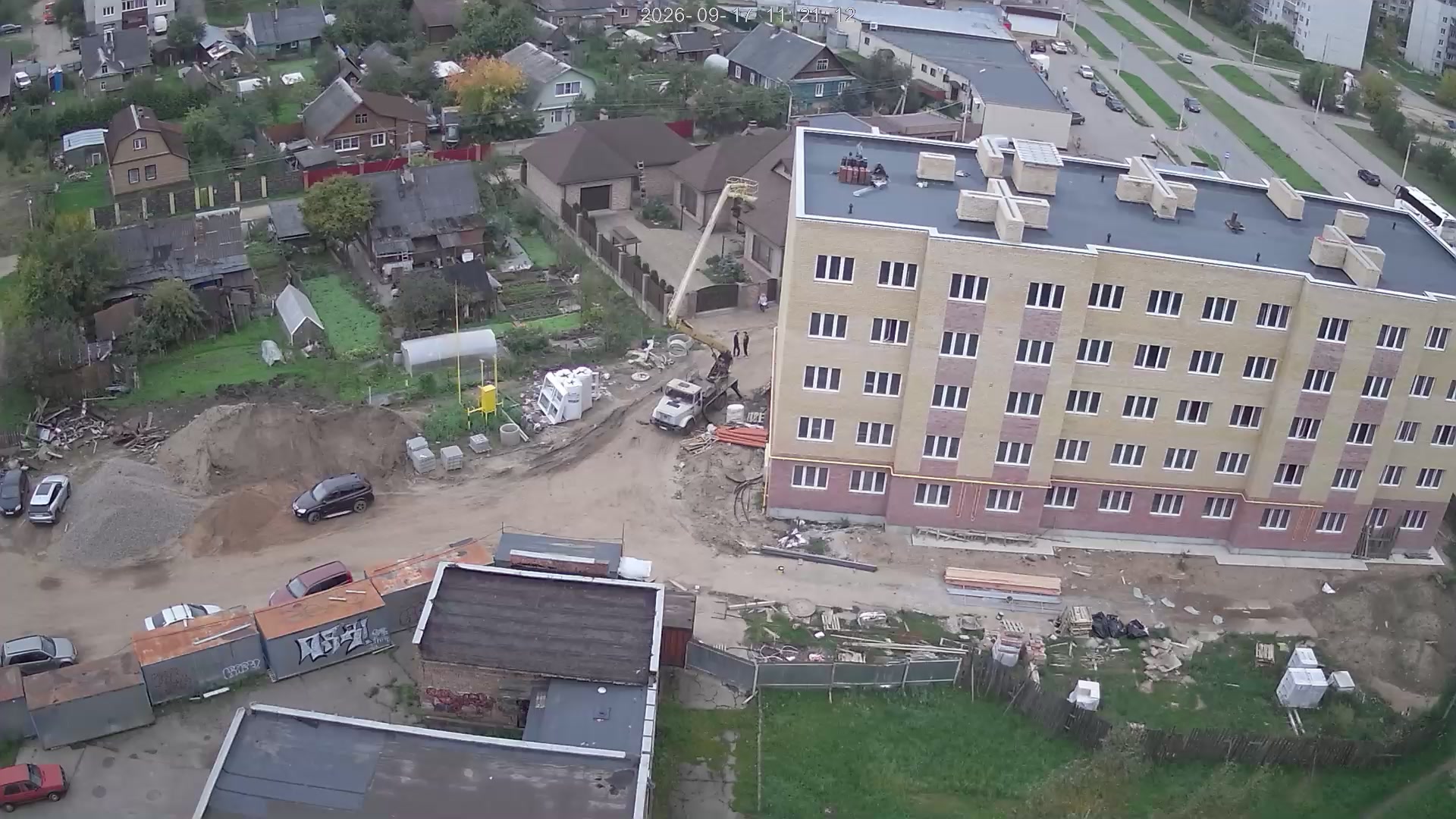
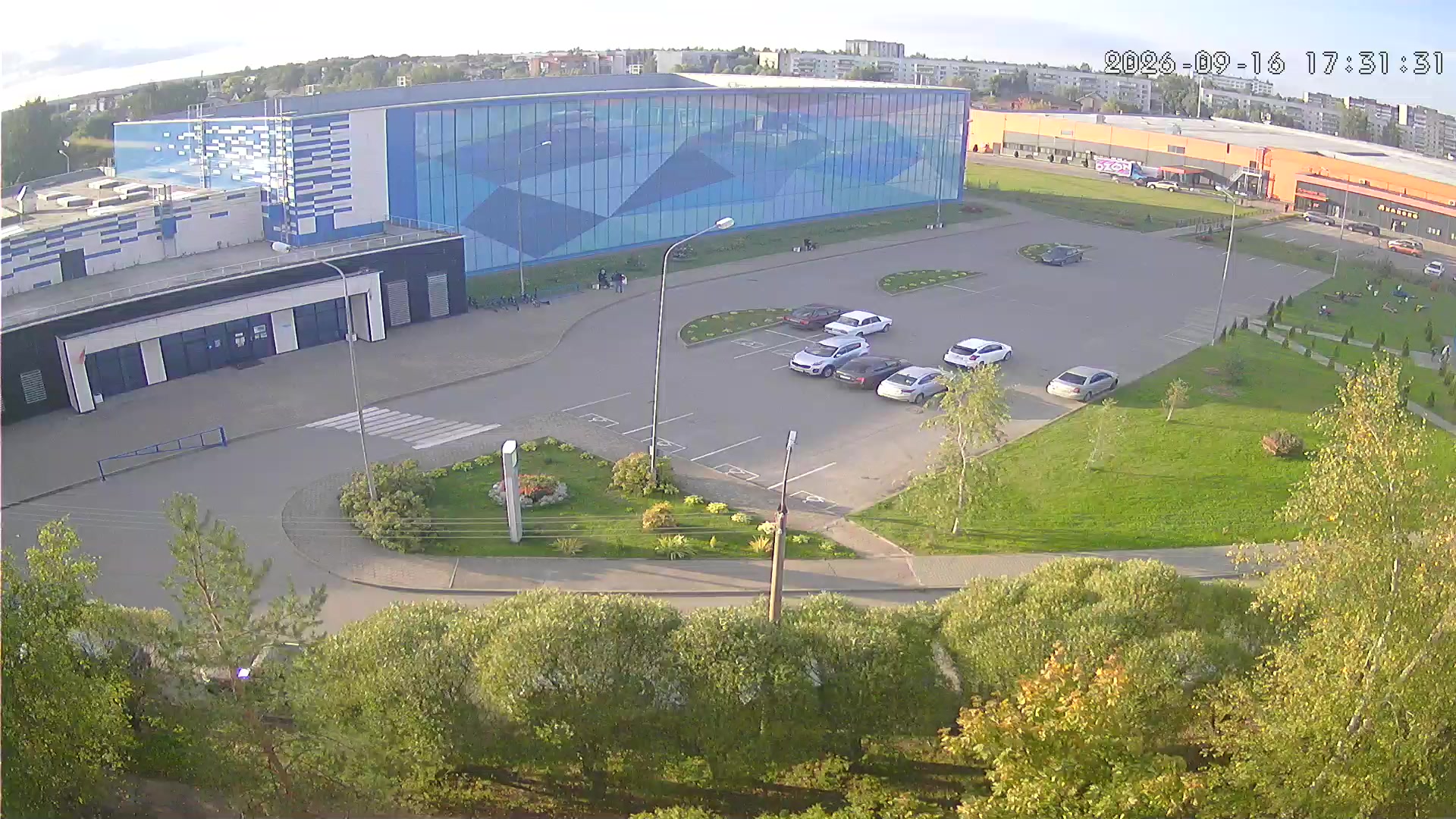
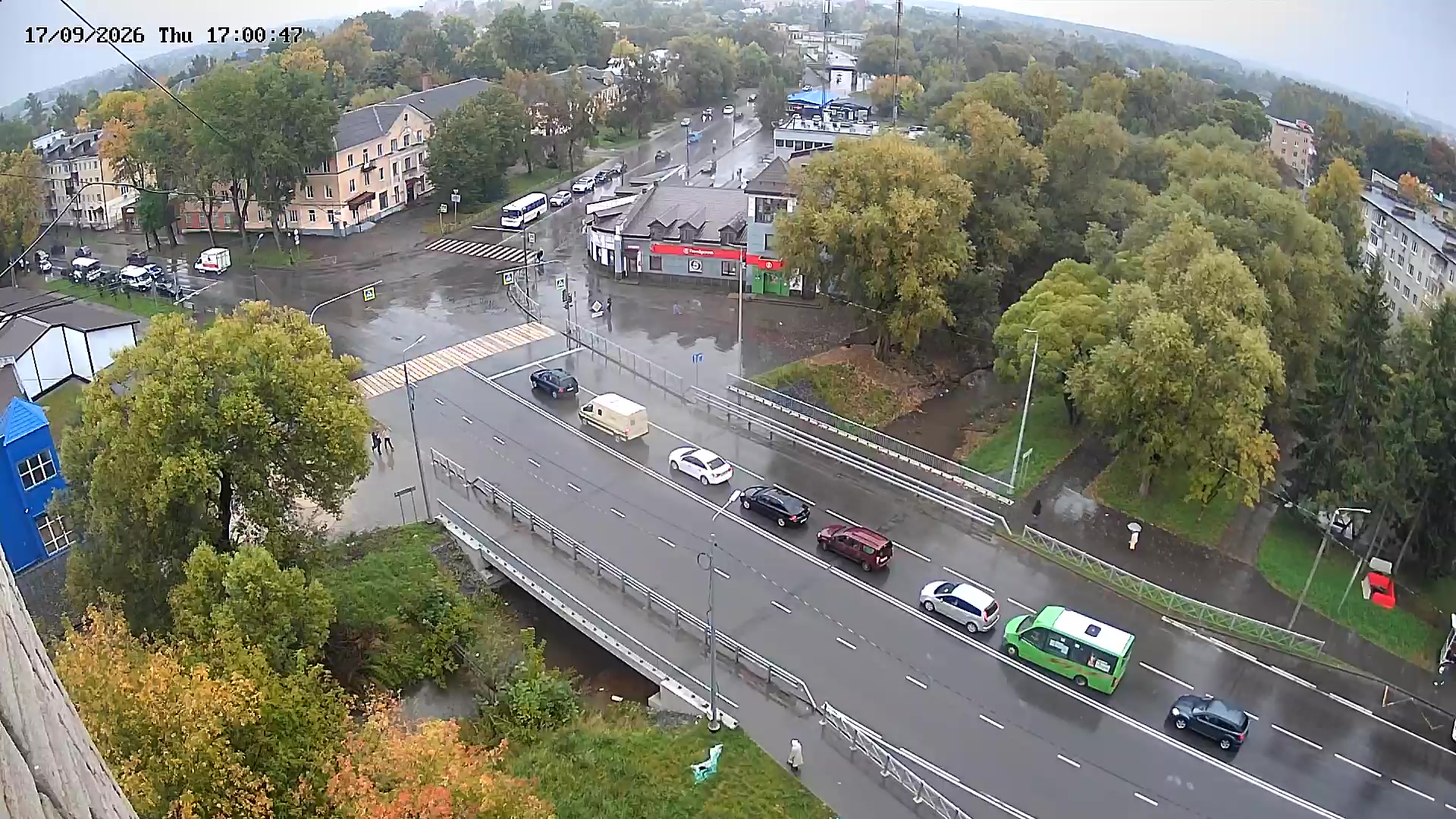
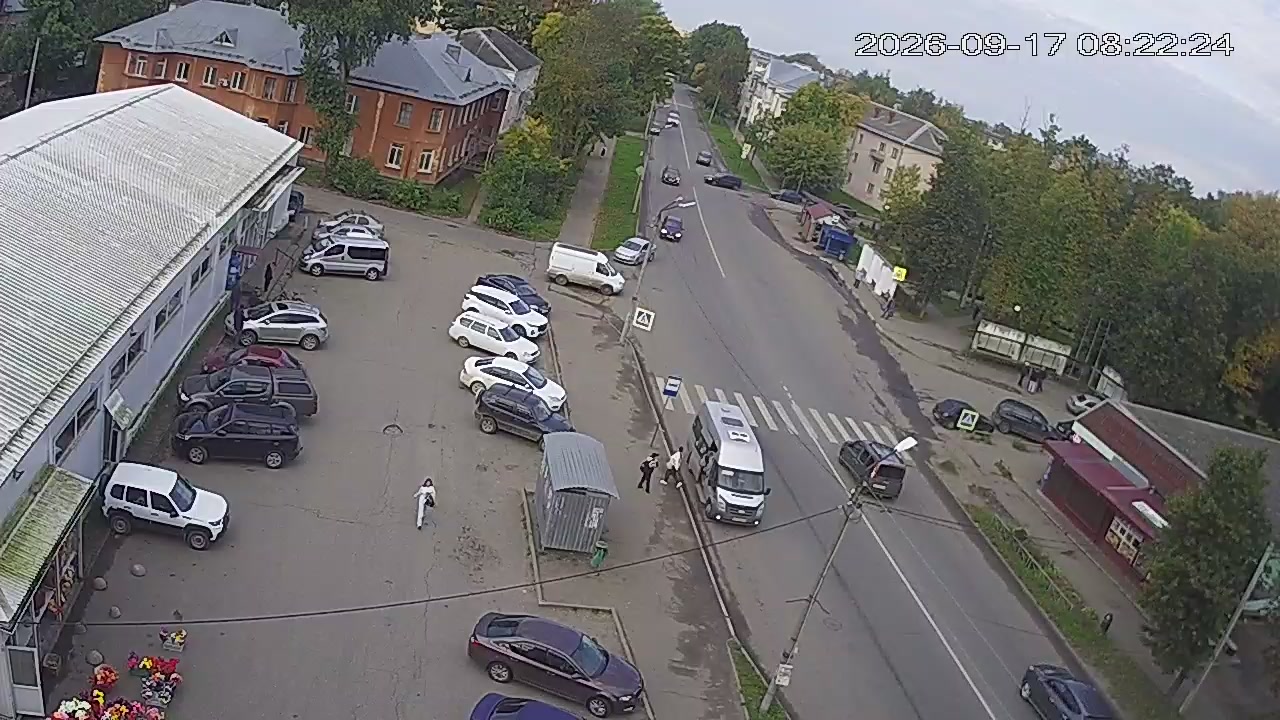
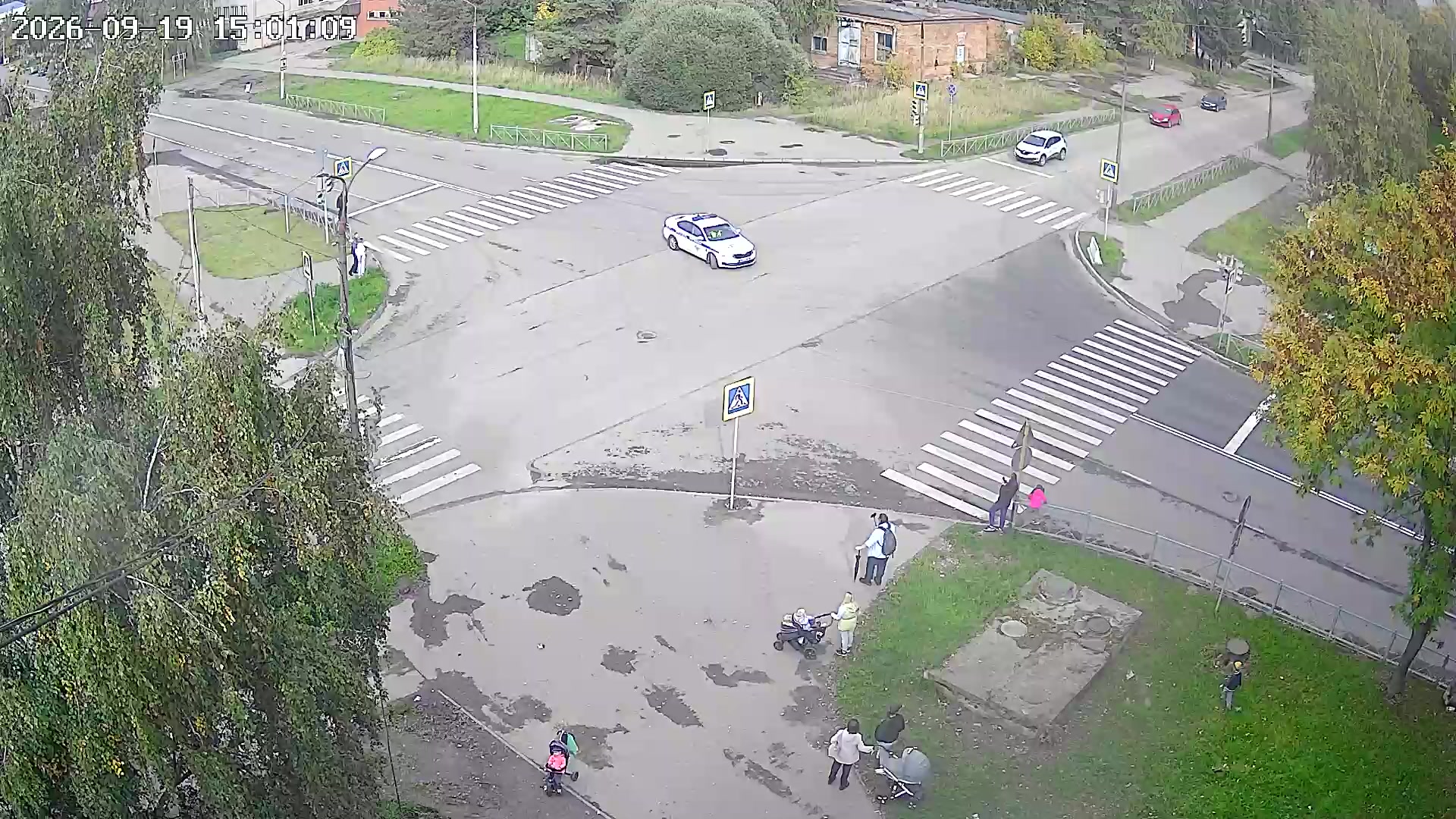
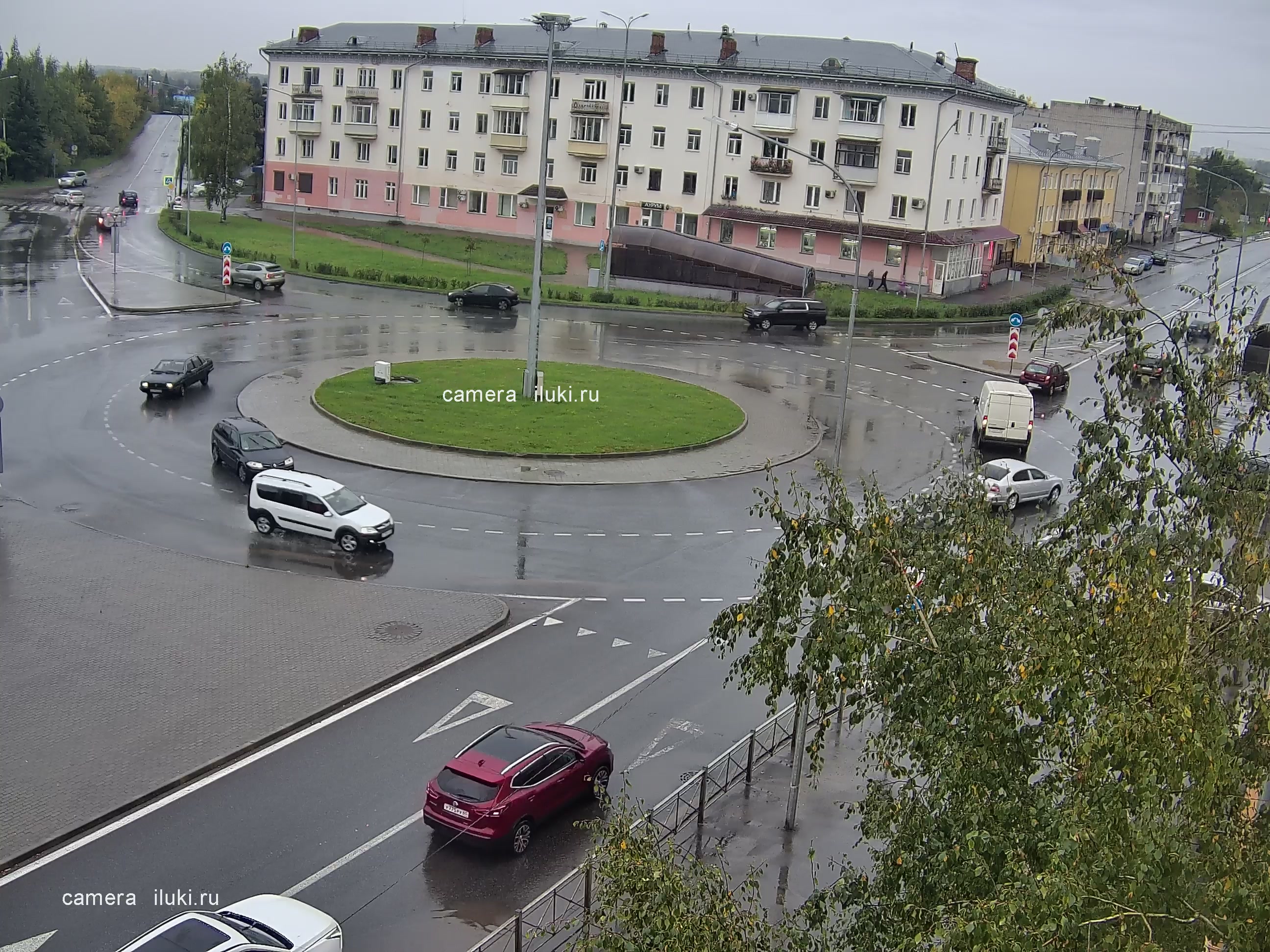
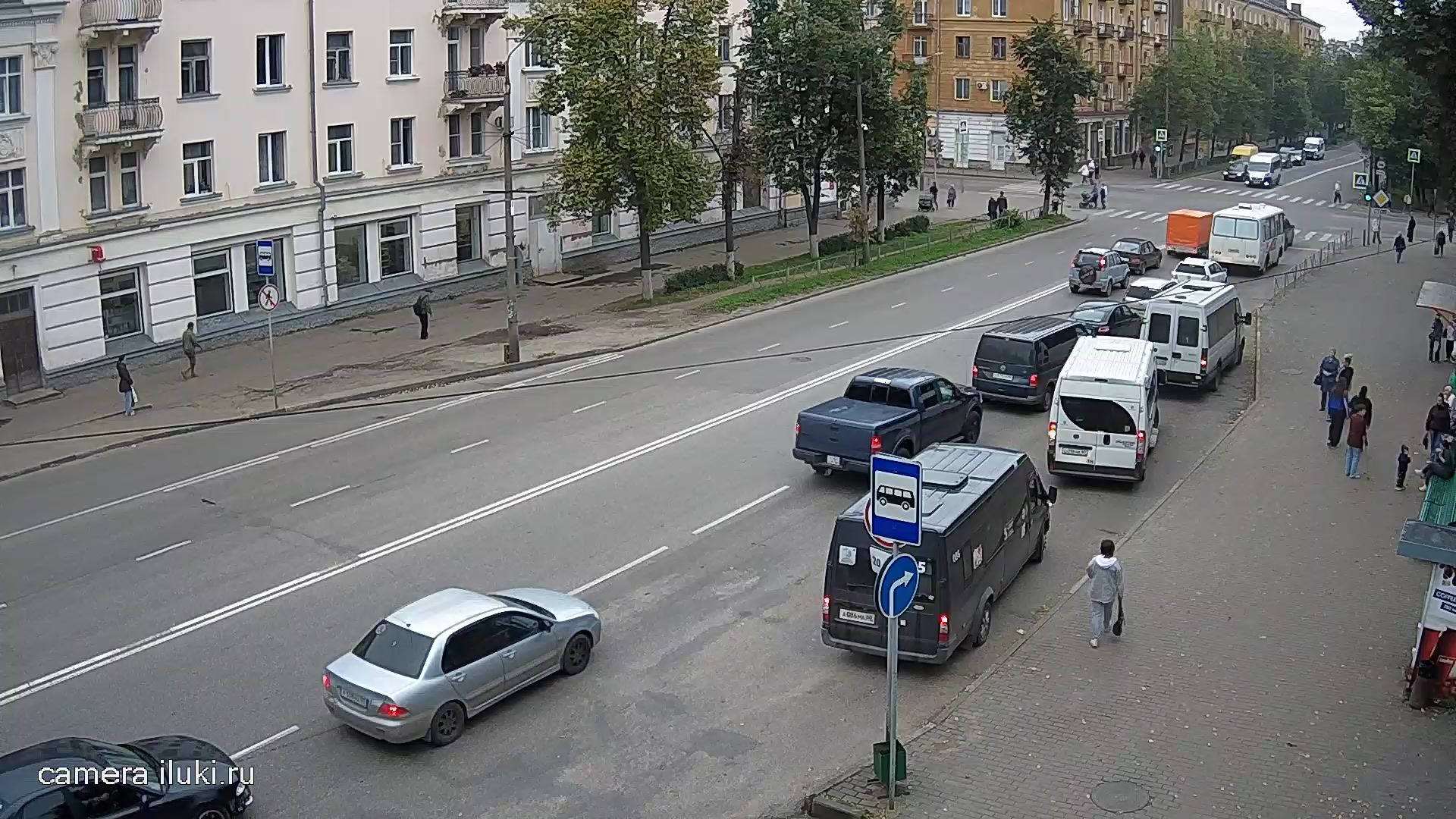
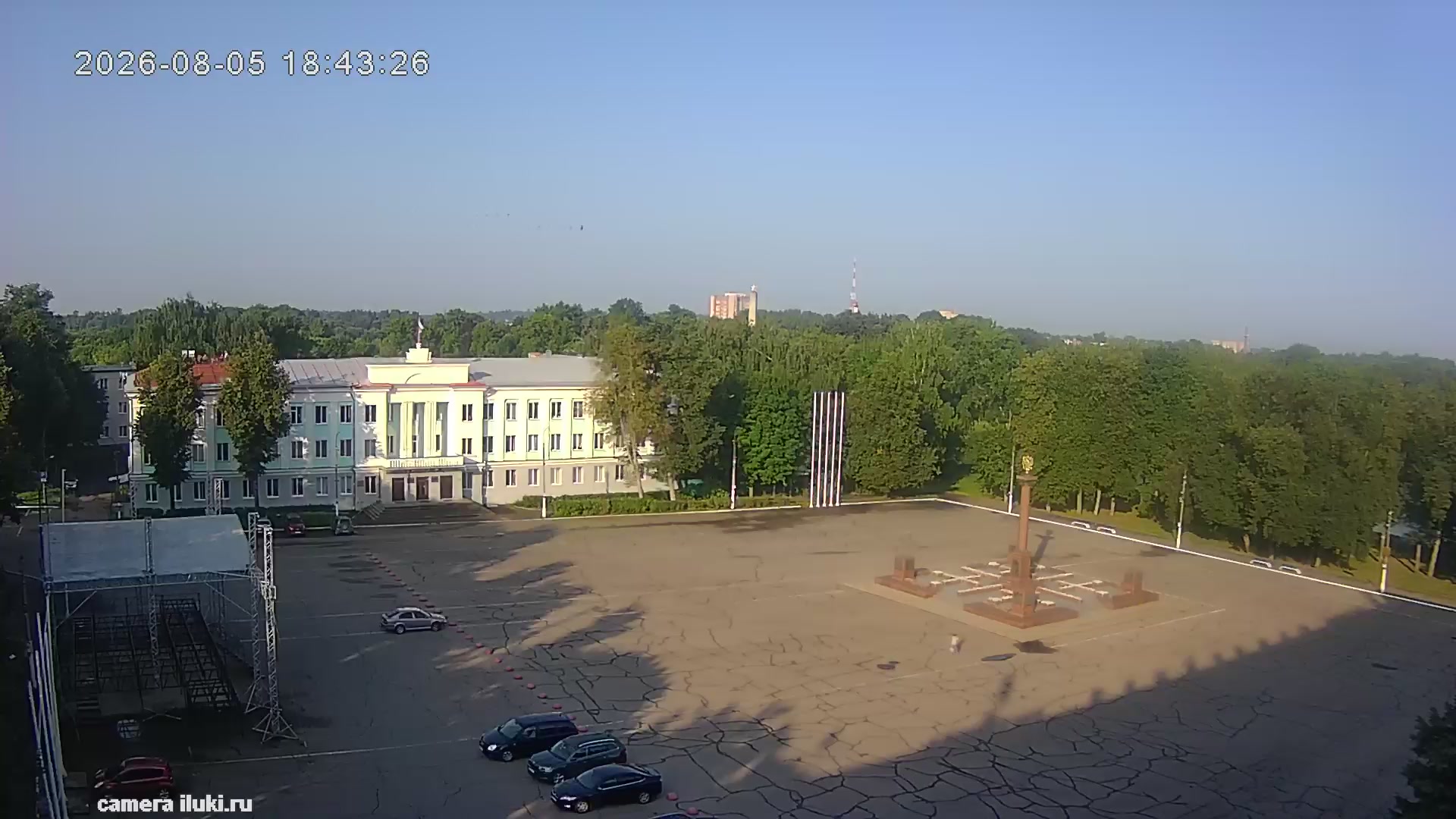
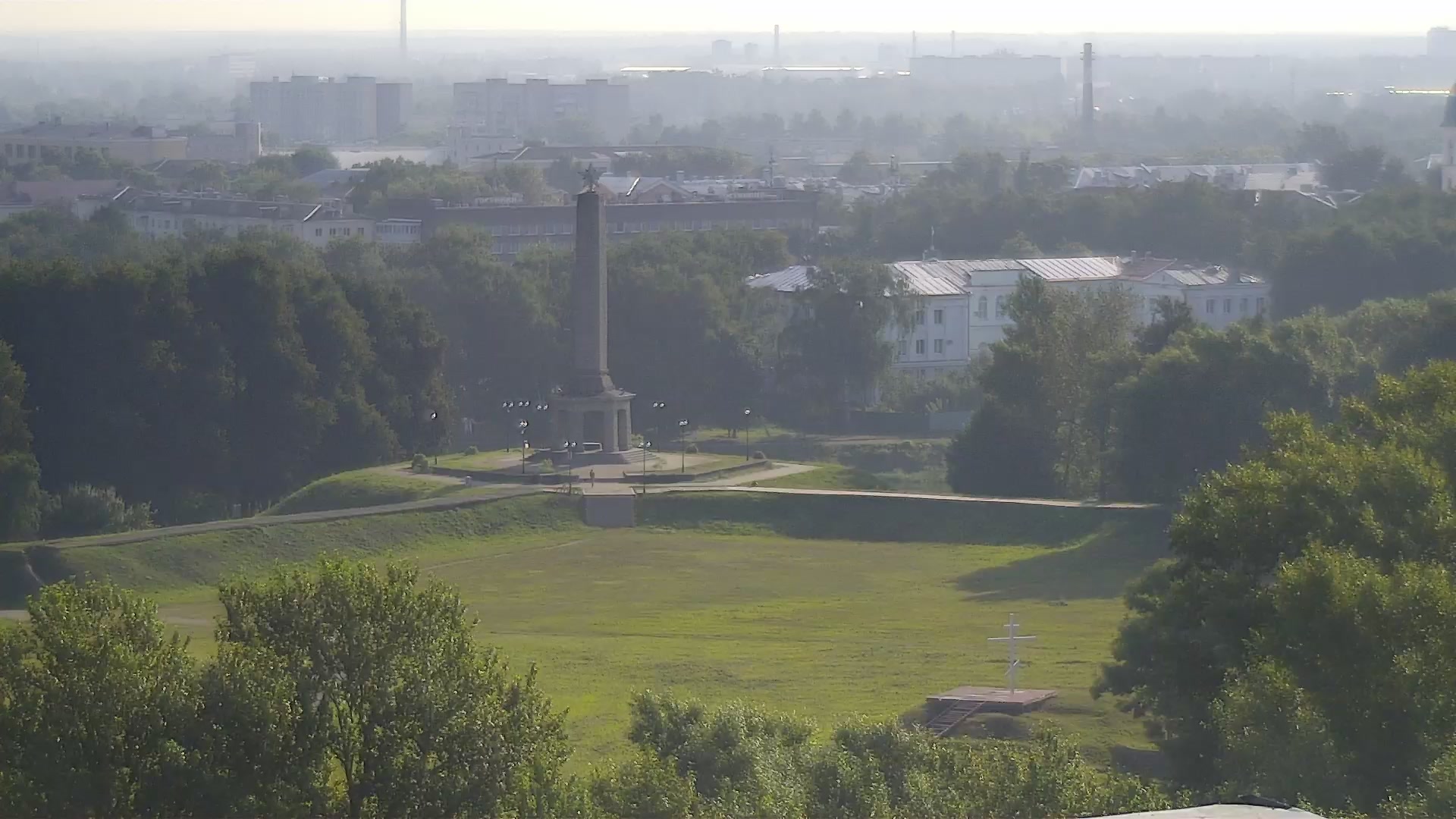
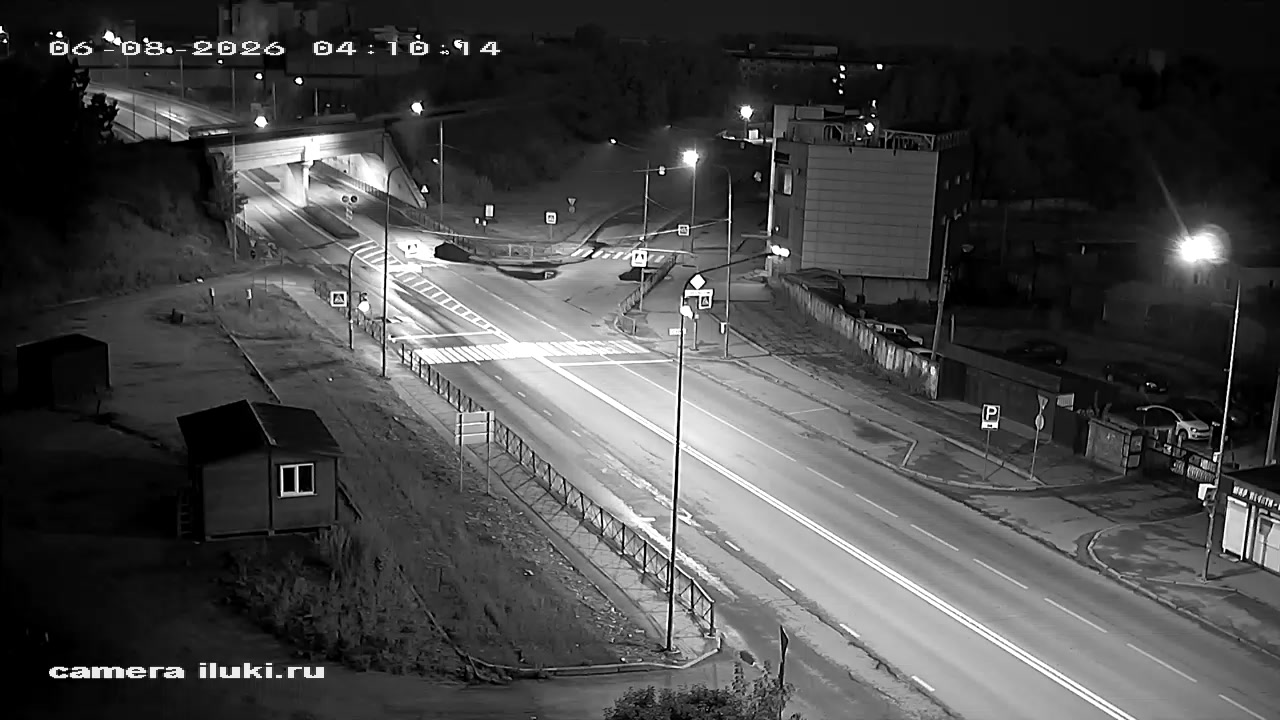
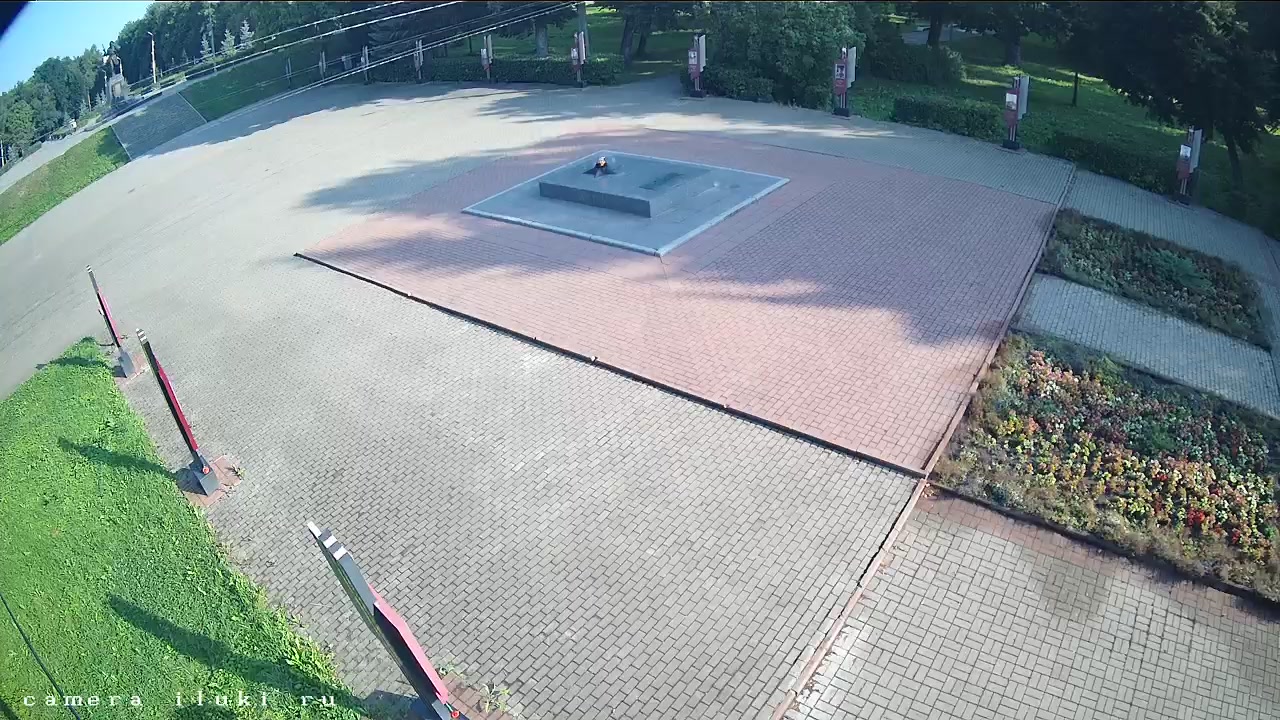
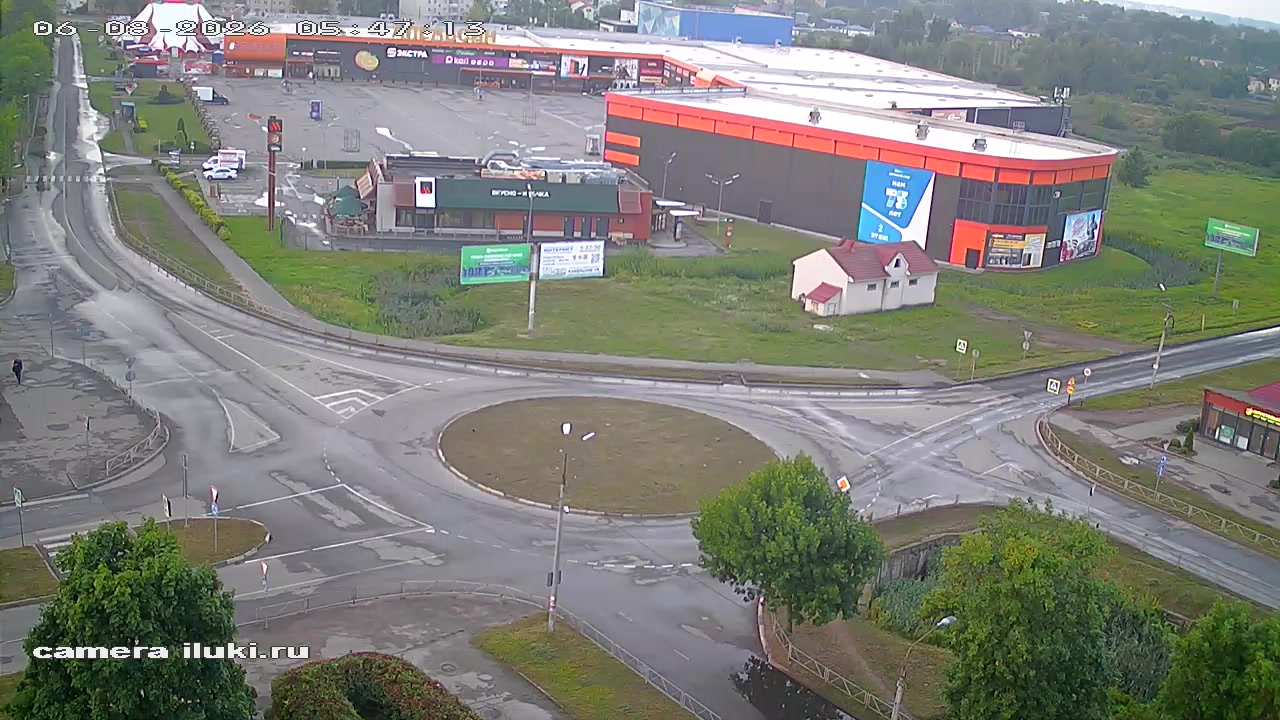
Velikiye Luki webcams online allow you to see the city in real time. The broadcasts cover central streets, the Lovat River embankment, and historic districts. You can watch Velikiye Luki webcam at any time of day — during the day you will see busy streets and architectural landmarks, and at night — quiet alleys and city lights.
The live broadcast of Velikiye Luki is available on our page. Choose the location that interests you and enjoy the view of this amazing city with a rich history and unique atmosphere.