

🏳️ Croatia Live Webcams — Watch Cities and Nature Online
72 cameras
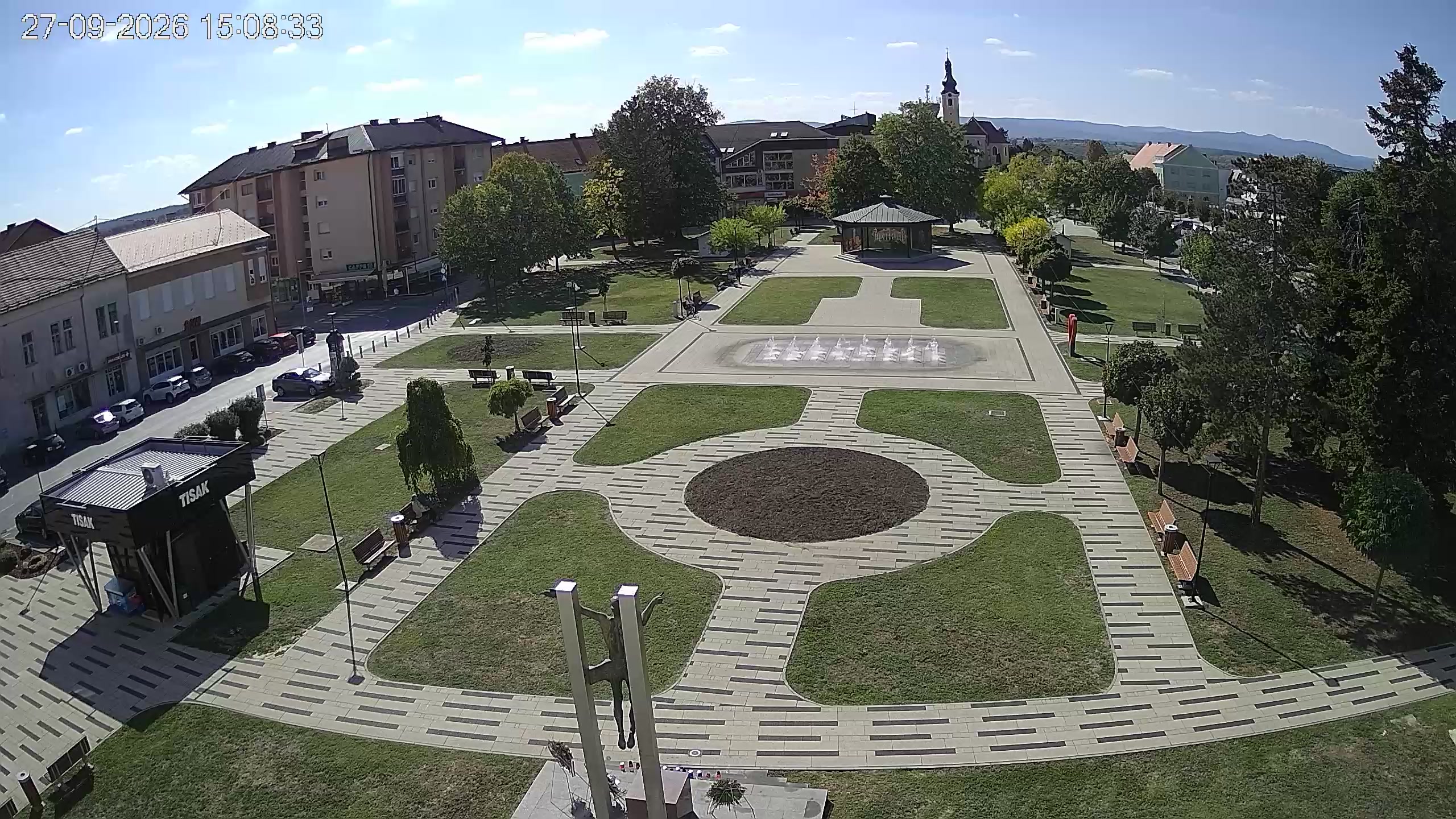
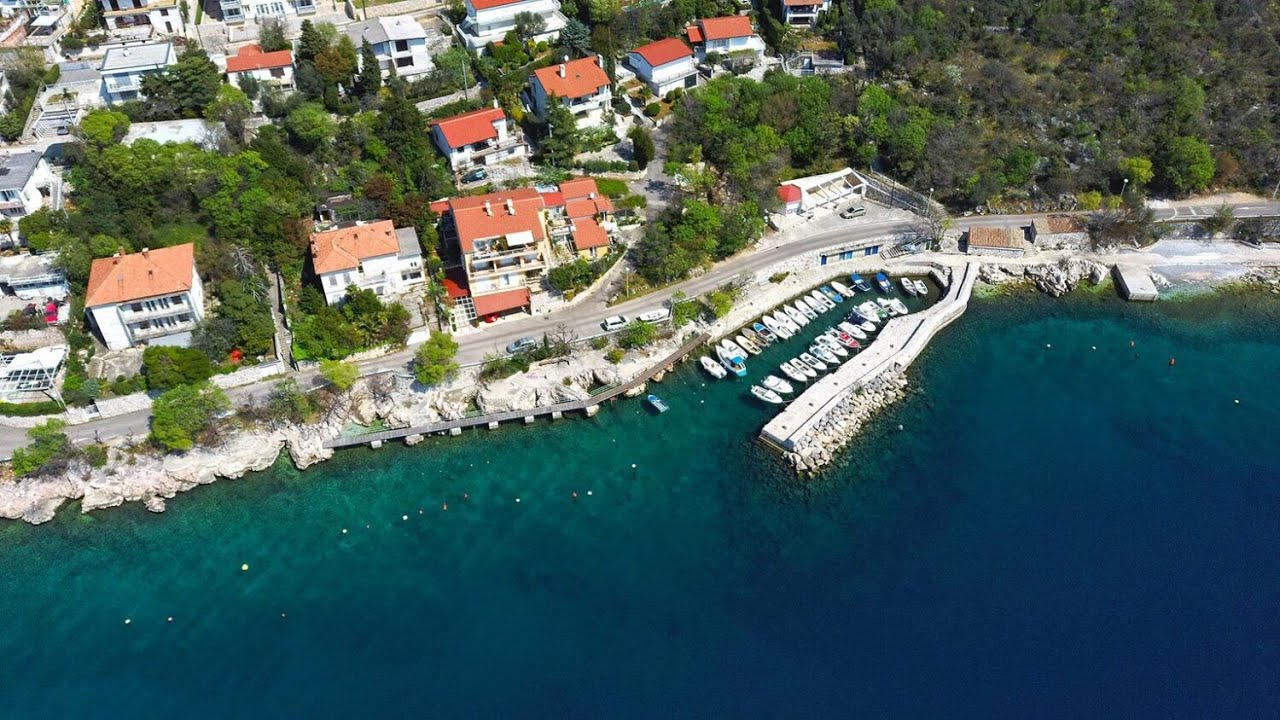
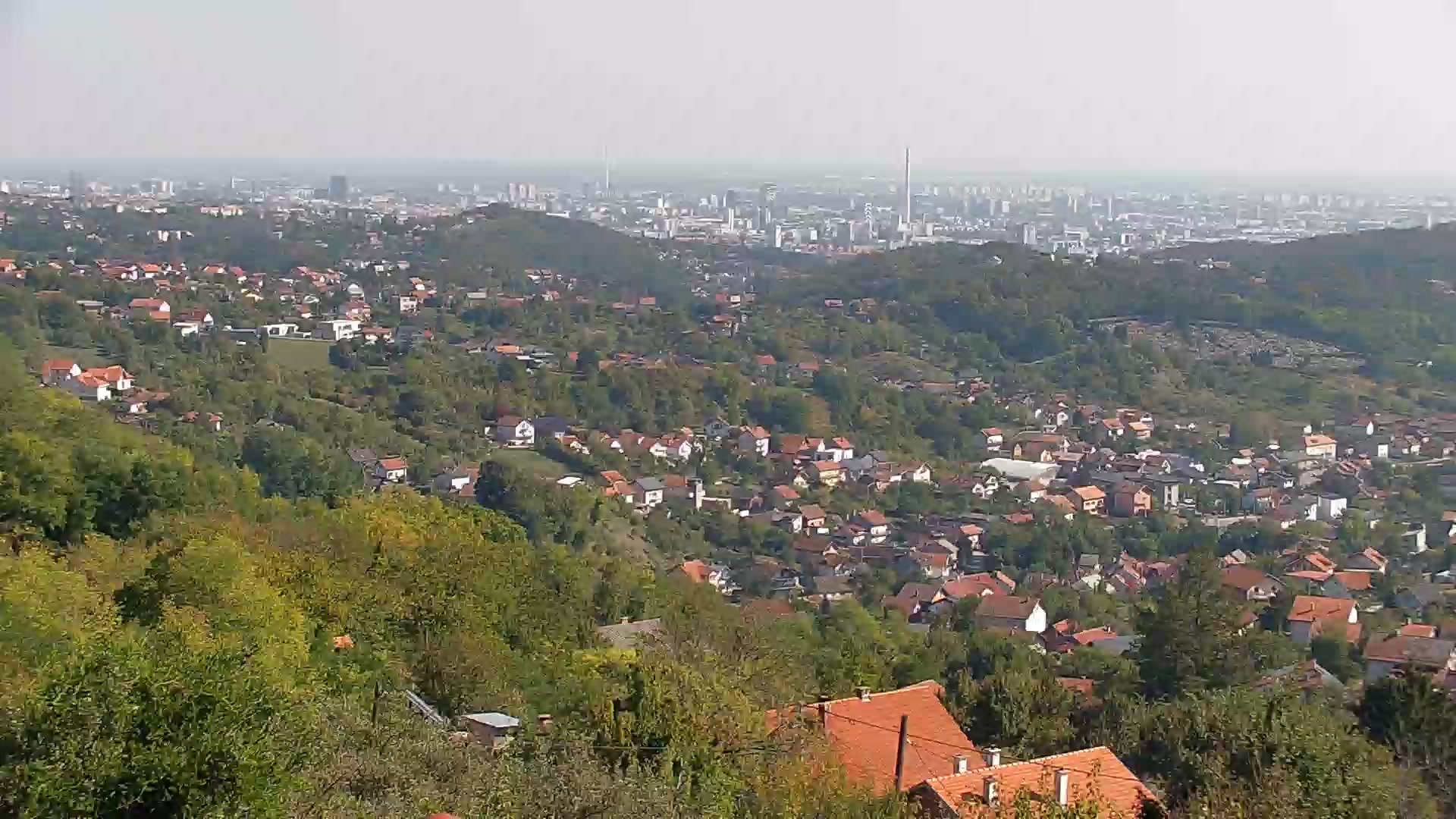
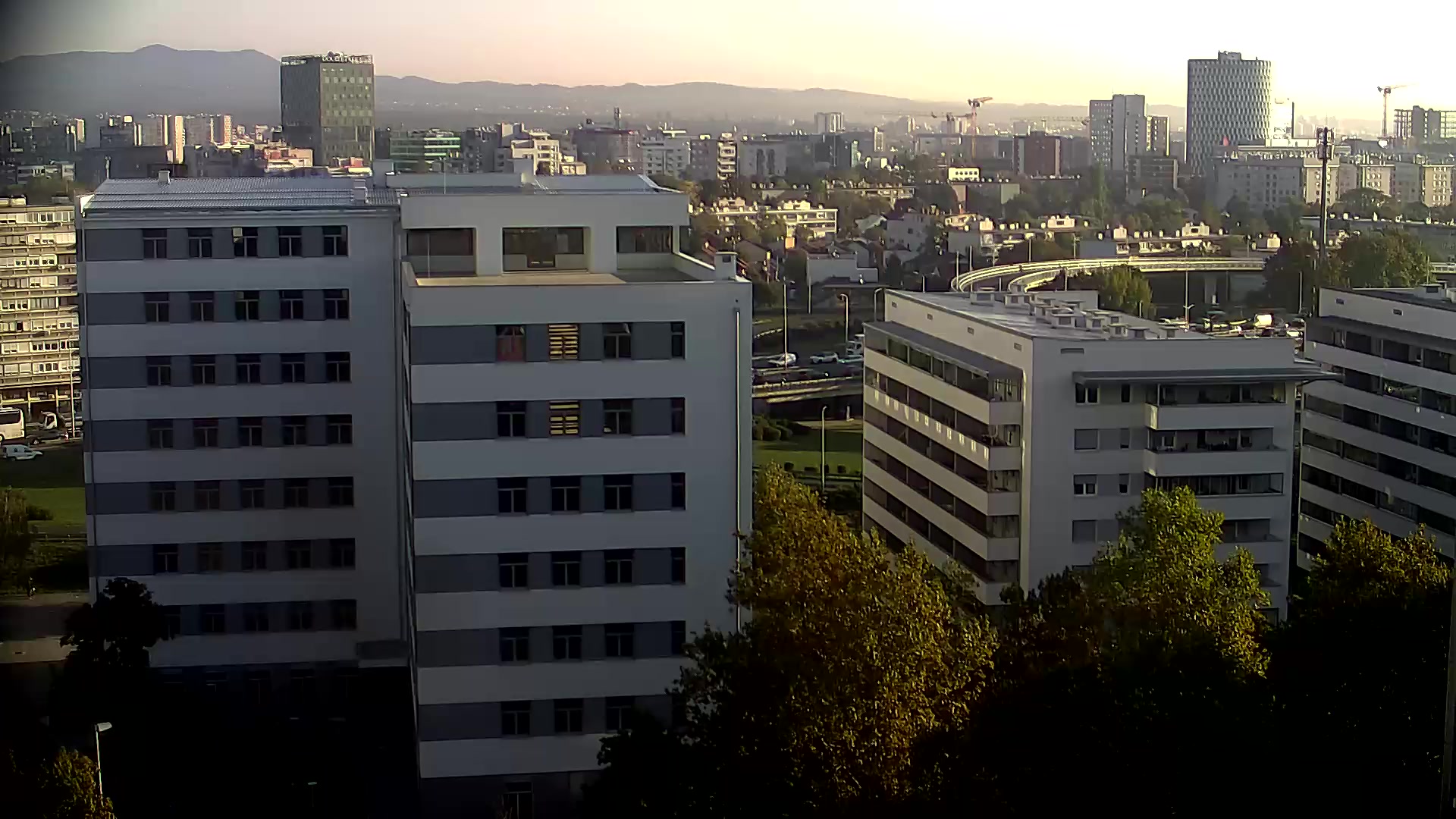
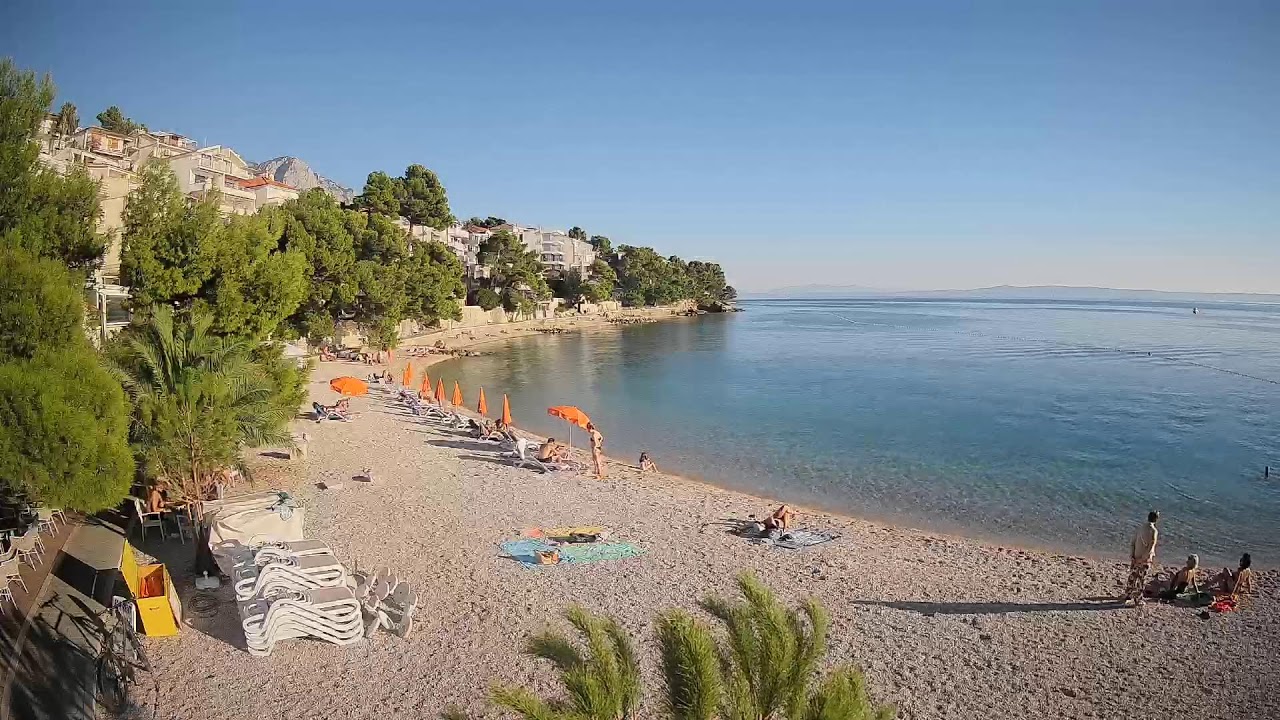
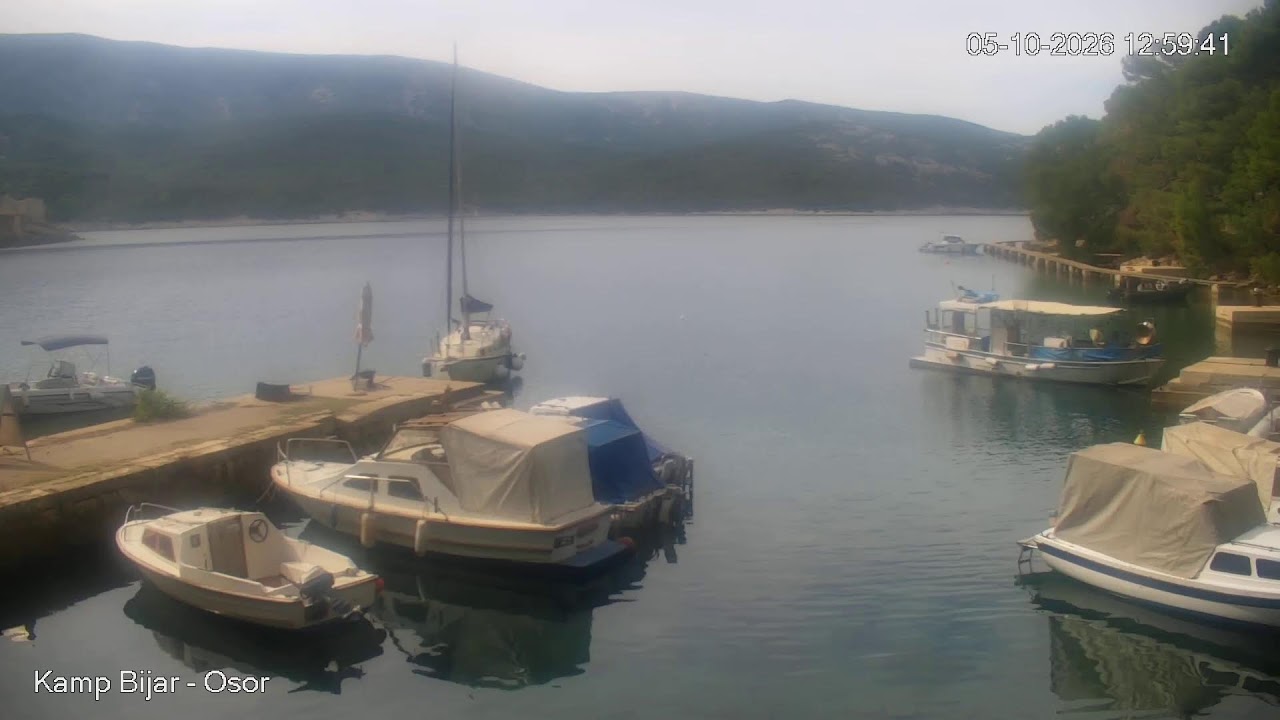
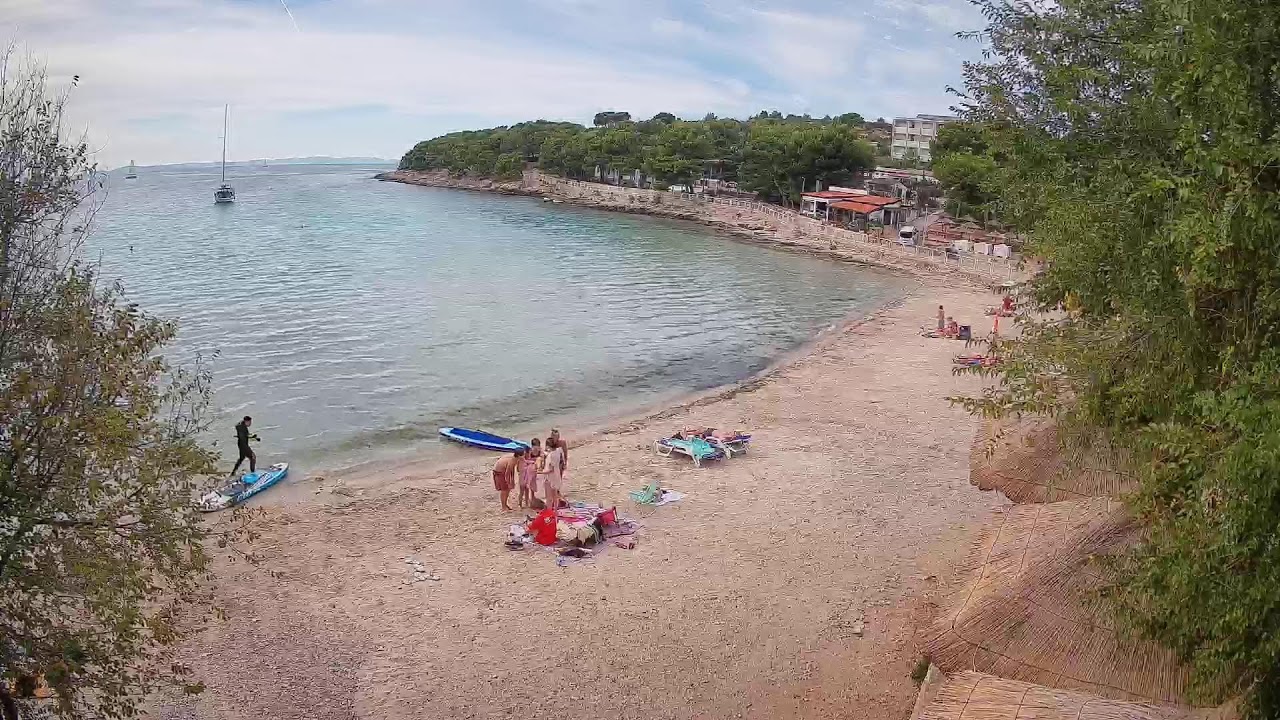


Croatia — A Country of a Thousand Islands and Ancient Cities
Croatia stretches at the crossroads of the Mediterranean and Central Europe, having absorbed the influence of Romans, Venetians, Austrians, and Ottomans. This country amazes with contrasts: from the rocky Dalmatian coasts to the green plains of Slavonia, from medieval fortresses to bustling resort promenades. The Adriatic Sea coastline stretches for 1,777 kilometers, and along it are scattered 1,246 islands and islets, of which 651 are uninhabited, 389 are entirely covered with rocks, and 78 are reefs. This geography makes Croatia a unique place for observing seascapes, mountain ranges, and historical cities.
The country is among the ecologically prosperous states with clean air, transparent sea, and beaches marked with Blue Flags. Nature here is protected at the state level: eight national parks and eleven nature parks occupy about 10 percent of the country's territory. For those who want to see this beauty in person, Croatia's online webcams provide access to the most picturesque corners — from rocky beaches to mountain passes.
Dubrovnik — The Pearl of the Adriatic
Dubrovnik was founded in the 7th century and for centuries was the independent Republic of Ragusa, rivaling Venice. In 1979, the city's historic center was included in the UNESCO World Heritage List. Stone walls almost two kilometers long surround the old town, where every building holds memories of trade, seafaring, and diplomacy. In 1991–1992, Dubrovnik was besieged during the war but was restored and today welcomes tourists from around the world.
A walk along Stradun Street — the main pedestrian artery — transports you to the era of Baroque and Renaissance. The Onofrio Fountains, Sponza Palace, and St. Blaise's Church are just a fraction of the treasures that can be seen here. The bell tower on Loggia Square has been keeping time for several centuries, and the view from Mount Srđ opens up a panorama of tiled roofs and azure sea. Dubrovnik webcams allow you to observe the life of this city in real time — from sunrise over the fortress walls to evening lights along the promenade.
Split — The Legacy of Diocletian
Split is a city with over 1,700 years of history, the largest city in Dalmatia and the second largest city in Croatia. Its heart is Diocletian's Palace, built in 305 AD by the Roman emperor for a secluded retirement. Over time, a city grew around the palace, and today its walls and basements, peristyle, and Cathedral of St. Domnius are included in the UNESCO World Heritage List.
The narrow streets of old Split are filled with cafes, shops, and workshops. The Riva promenade is a meeting place and evening stroll spot, where yachts and ferries connecting the city with the islands are visible. Mount Marjan rises above the center, offering walks among pine forests and views of the entire city. Split's online webcams show the daily life of this port city — from the fish market to sunsets over the Adriatic.
Zagreb — A Capital with Two Cities
Zagreb was first mentioned in chronicles in 1093, and its old town is divided into the Upper Town and Lower Town. The Upper Town is the medieval core with fortress walls, St. Mark's Square, and the Gothic Church of St. Margaret. The Lower Town took shape in the 19th century in the form of a horseshoe of boulevards and parks known as the "Lenuci Horseshoe." Zagreb is the country's largest cultural center with numerous museums and galleries, including the Museum of Broken Relationships and the Croatian National Theatre.
The Dolac Market operates every day from morning to noon — farmers bring fresh vegetables, fruits, cheeses, and flowers. Coffee culture here is no less important than in Vienna or Rome: on every corner there are cafes where locals spend hours discussing the news. Zagreb webcams broadcast the life of the capital — from Ban Jelačić Square to parks and the Sava River embankment.
Plitvice Lakes — A Cascade of 16 Lakes and 140 Waterfalls
Plitvice Lakes National Park is one of the natural wonders of Europe. It is a cascade of 16 large lakes connected by waterfalls. The park has 140 waterfalls, and the largest lake — Prošćansko — reaches a depth of 37 meters and a length of 2.5 kilometers. The water in the lakes changes color from emerald to turquoise depending on lighting and mineral composition.
The Plitvice Lakes area has one of the largest brown bear populations in Europe. Wolves, lynx, roe deer, and rare bird species inhabit the region. Swimming in the lakes is prohibited — this rule protects the fragile ecosystem and unique travertine formations that create natural dams. Wooden walkways lead visitors right over the water, allowing them to see carp and trout in crystal-clear water. Plitvice Lakes webcams show waterfalls and forests at different times of day — from morning mist to evening sunset.
Istria and Pula — Roman Heritage in the North
The Istrian peninsula is a jewel of Croatia, located on the northern Adriatic coast. Pula is situated on this peninsula, with an airport nearby, and the road north to the Slovenian border stretches for 100 kilometers. Pula's main attraction is Pula Arena, built in the 1st century AD under Emperor Vespasian. It is one of the best-preserved Roman amphitheaters in the world and the largest ancient structure in Croatia.
The Pula Arena structure consists of four towers and several dozen three-tiered arches. In ancient times, it accommodated up to 23,000 spectators watching gladiatorial combat. Today, concerts, festivals, and opera performances are held here. The arena's basements tell the history of olive oil and winemaking in Roman times. Pula webcams allow you to see this monument in the context of a modern city — with its port, Kaštel fortress, and views of the bay.
Opatija — A Resort with a Century of History
Opatija is located on the coast of the Kvarner Gulf, and the literal translation of its name is "abbey," derived from the monastery of Benedictine monks San Giacomo della Lucca. In the 19th century, the city became a fashionable resort for Austro-Hungarian aristocracy and still maintains a Belle Époque atmosphere. Villas, parks, and promenades create a sense of eternal relaxation.
The Lungomare promenade stretches 12 kilometers along the coast, connecting the city with Ičići and Volosko. It is an ideal place for walks, jogging, or simply watching the sea. The statue of the Maiden with a Seagull — the symbol of Opatija — stands on a rock right by the water. Opatija webcams show the promenade, parks, and sunset over the Kvarner in real time.
Croatian Islands — From Krk to Mljet
Croatian islands are a separate world. The island of Krk is connected to the mainland by a bridge and is famous for its historic towns and vineyards. The island of Mljet changed hands many times, and the Romans used it as a place of exile. Today, two-thirds of the island is covered with forests, and a national park with saltwater lakes operates on its territory. The island of Hvar is known for lavender fields and nightlife, and Korčula claims to be the birthplace of Marco Polo.
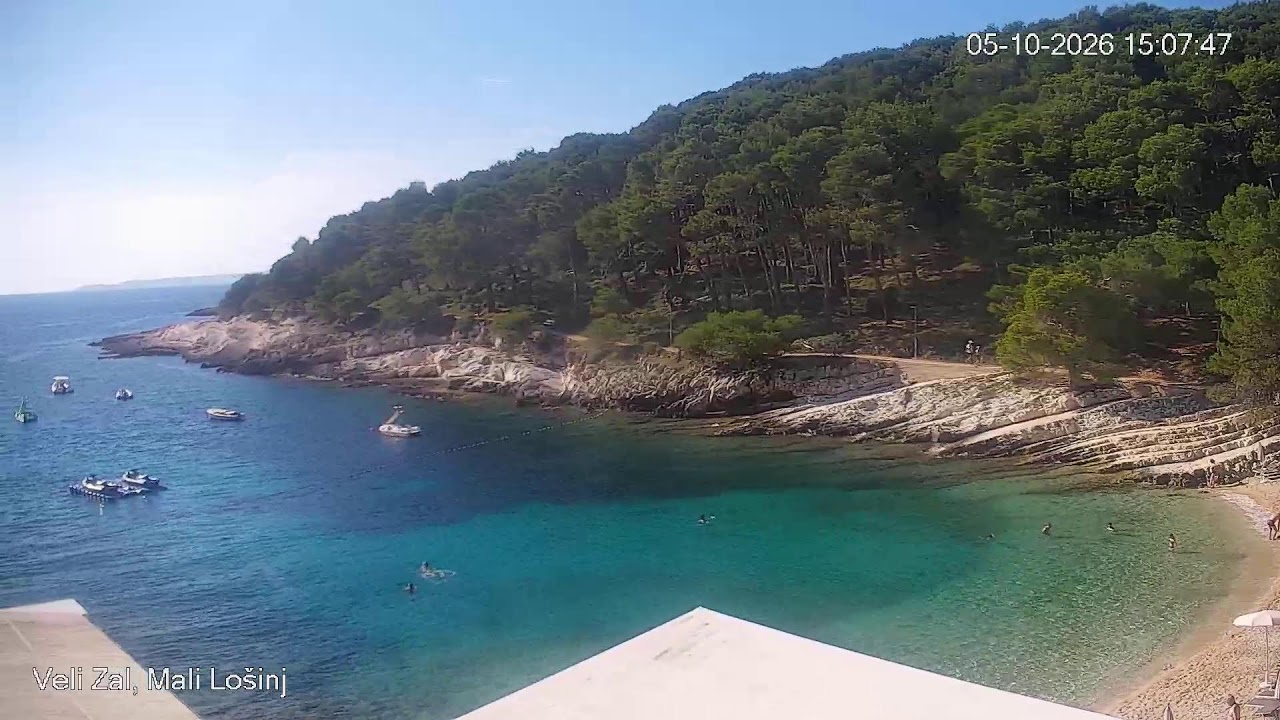
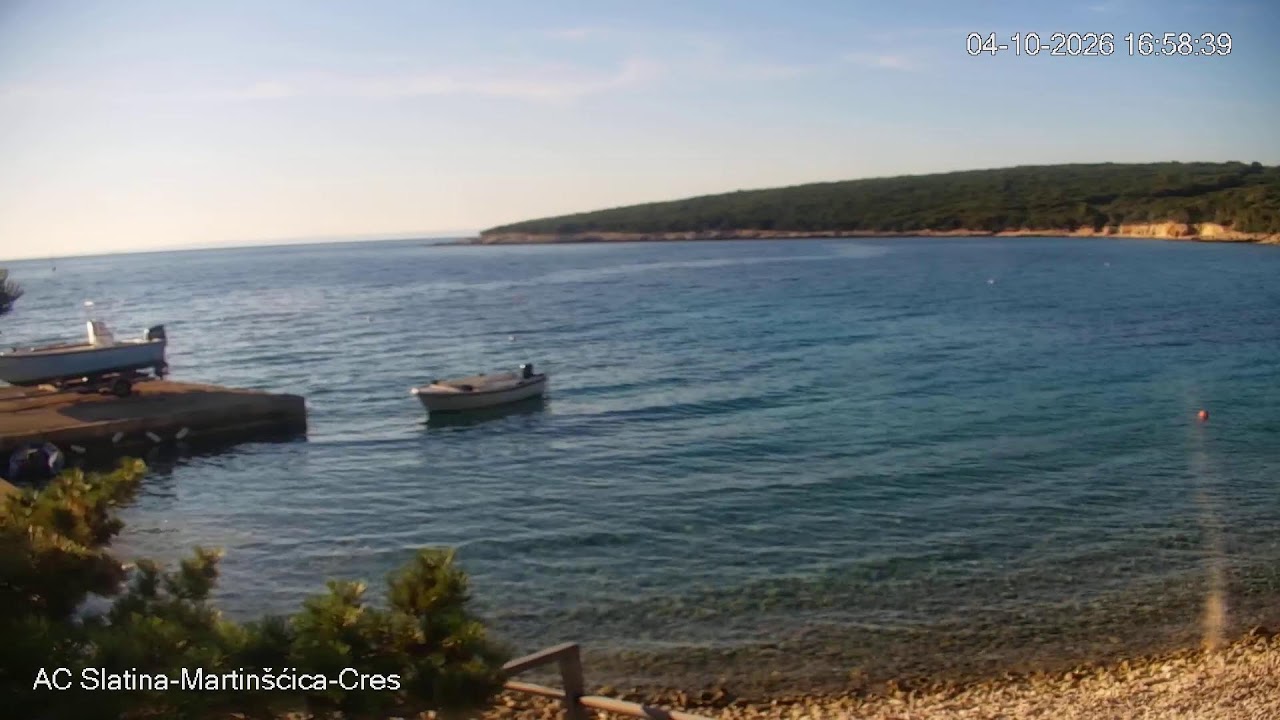
Each island has its own character: some attract diving and sailing enthusiasts, while others appeal to lovers of tranquility and wild nature. Webcams on the Croatian islands allow you to observe ports, beaches, and mountain landscapes without leaving home.
Culture and Traditions of Croatia
Croatian culture is a fusion of Mediterranean, Central European, and Balkan influences. Cuisine varies from region to region: Dalmatia features seafood and olive oil, Slavonia offers meat dishes and paprika, and Istria is known for truffles and pasta. Wine has been produced here for over two thousand years, and local varieties — Plavac, Pošip, Graševina — are known far beyond the country's borders.
Traditional crafts are alive today: Lepoglava lace is included in the UNESCO Intangible Heritage list, and Glagolitic roosters are a symbol of the country. Music festivals, summer carnivals, and fish parties fill the calendar year. Croatia's online webcams allow you to peek into city squares and promenades during holidays and ordinary days.
What the Cameras Show Across the Country
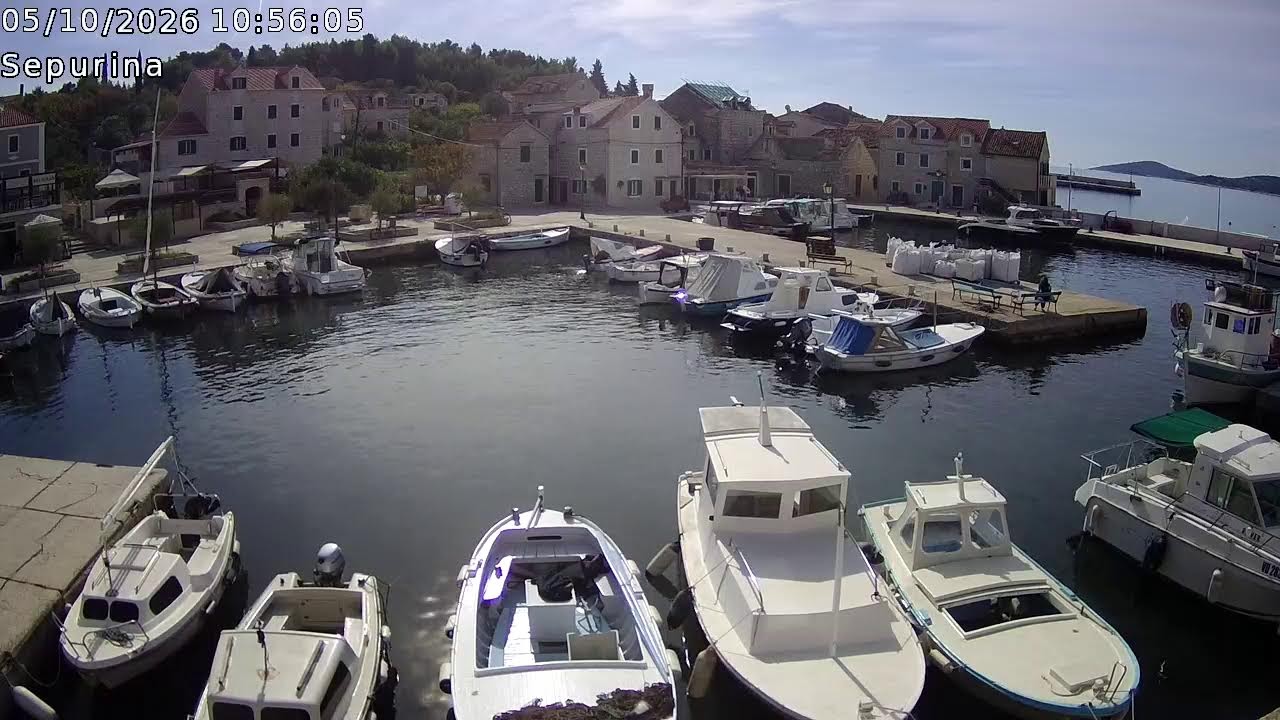
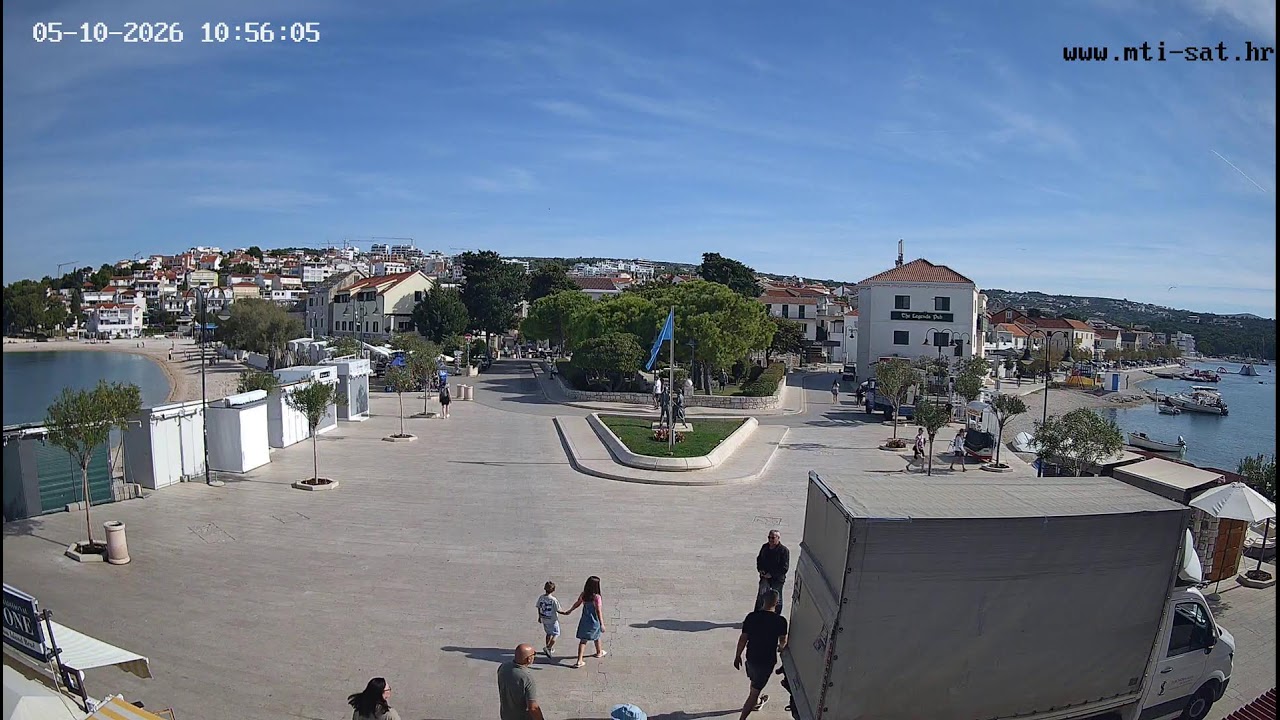
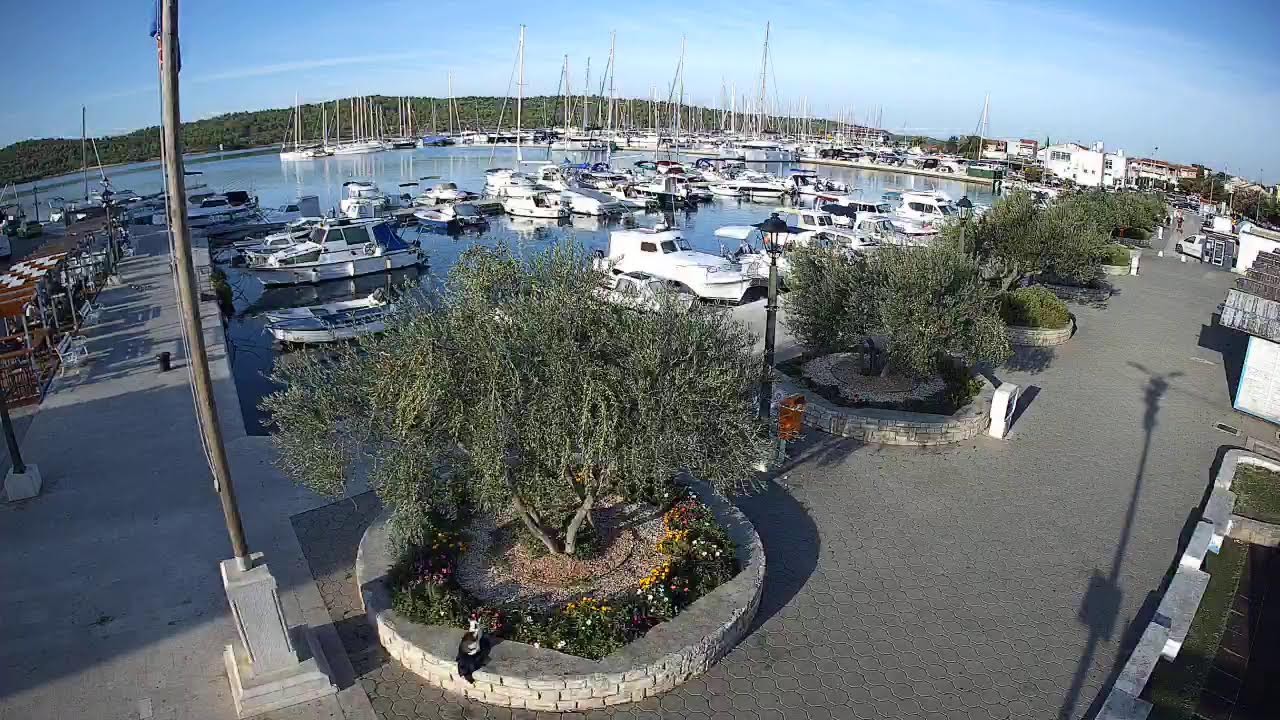
Croatia's webcams cover the country's key cities and natural attractions. In Dubrovnik, cameras are installed on the fortress walls, promenade, and Loggia Square — they show the historic center and views of the Adriatic. In Split, broadcasts come from the Riva promenade, Peristyle Square, and Mount Marjan. Zagreb is represented by cameras at Ban Jelačić Square, the Upper Town, and Dolac Market.
Plitvice Lakes are equipped with cameras at the largest waterfalls and walkways over the lakes. In Pula, cameras show the Arena and the port; in Opatija — the Lungomare promenade. Island cameras operate on Krk, Hvar, and Korčula. All broadcasts are available free of charge and operate around the clock, allowing you to observe Croatia in real time — from sunrise over the mountains to night lights of coastal cities.