

🏙️ Webcams Limbyayaha online — watch in real time
1 cameras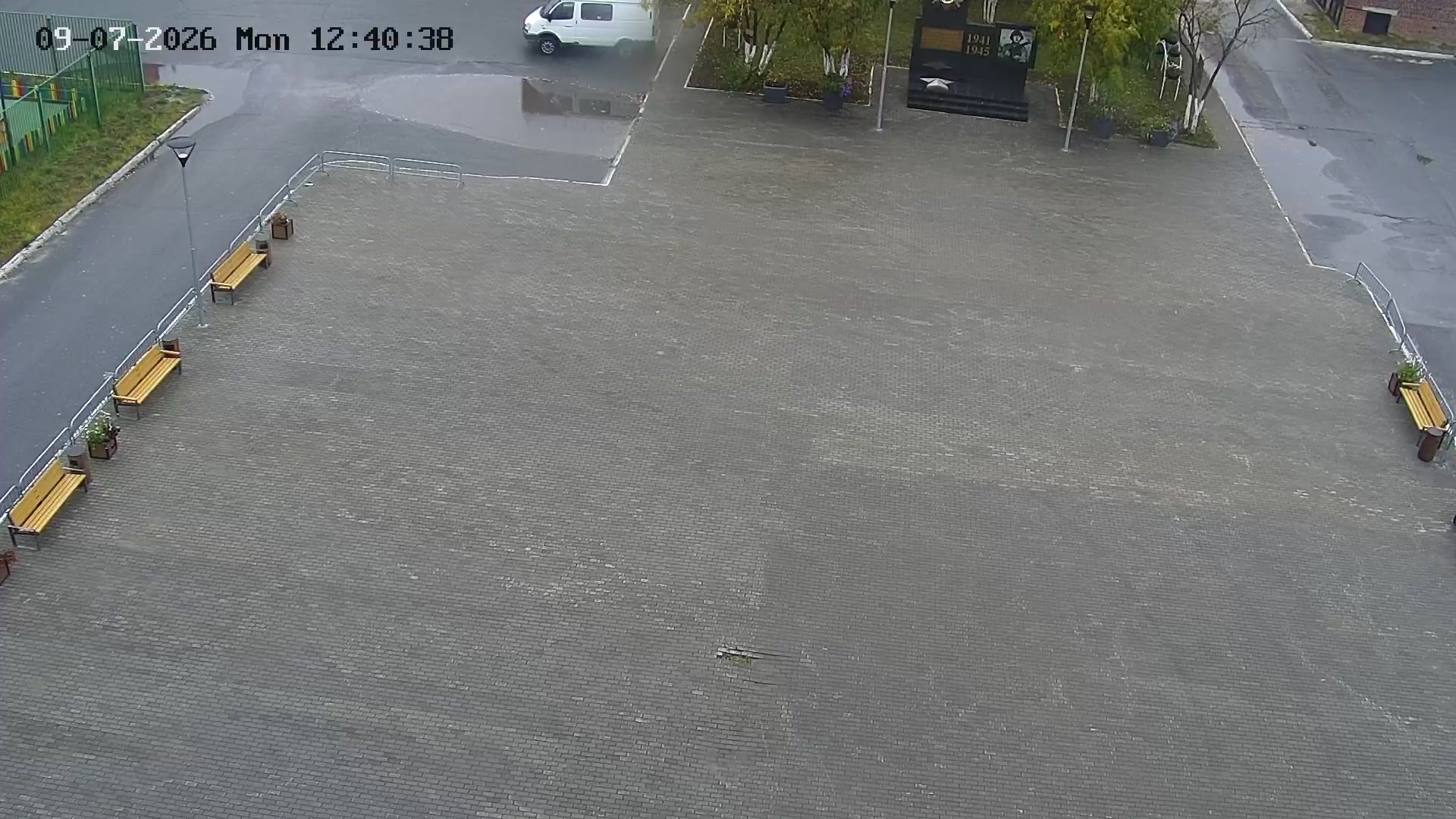
History of Limbyayaha: from a settlement of power engineers to a district of Novy Urengoy
Limbyayaha is not just a point on the map of the Yamalo-Nenets Autonomous Okrug, but a place with its own destiny, closely intertwined with the history of the development of the Far North. The settlement was founded in 1983 as an infrastructure springboard for the construction of the Urengoyskaya GRES — the first permanent power plant in the permafrost zone. This was a period when Yamal was rapidly becoming the country's energy outpost, and thousands of builders came here to construct facilities in conditions that seemed uninhabitable.
The name of the settlement carries the imprint of the indigenous peoples of the North. "Limby-Yakha" translated from Nenets means "eagle river" — a poetic name that reminds us that long before the arrival of industrialists, these lands were home to reindeer herders and fishermen. The eagle in Nenets culture is a symbol of freedom and strength, and a river with such a name could well have been considered sacred.
On May 10, 1988, Limbyayaha was officially granted the status of a workers' settlement, and it came under the administrative subordination of Novy Urengoy. This was a logical step: the settlement grew around a power facility, and its existence was inextricably linked with the gas capital of Yamal. However, for another sixteen years, Limbyayaha maintained a certain independence, having its own governing bodies and budget.
The turning point came in September 2004, when in a referendum, the overwhelming majority of residents voted to join Novy Urengoy. This decision was dictated by pragmatism: the merger made it possible to attract additional investment in infrastructure, improve the quality of utility services, and streamline territorial management. Since then, Limbyayaha has officially become a residential district of Novy Urengoy, while maintaining its unique identity.
Geography and nature: eagle river in the permafrost zone
Limbyayaha is located east of the center of Novy Urengoy, and the distance between them is about 80 kilometers. This is a considerable distance by Far North standards, where every road is an engineering feat, and in winter, moving between settlements becomes a real adventure. The district stretches along the shores of Lake Yamylimuyaganto, which, together with the Limbyayaha River, creates the characteristic landscape of this area.
Nature here is harsh but beautiful in its own way. The tundra with its endless expanses, dwarf birches, and mosses gives way to areas of forest-tundra, where you can find larch — a tree that has become a symbol of survival in permafrost conditions. In summer, there are white nights, when the sun barely touches the horizon but does not hide completely, and in winter — the polar night, diluted by the northern lights, which paint the sky in green and purple tones.
The climate of Limbyayaha is continental, with a long cold winter and a short cool summer. The average January temperature drops to minus 25 degrees, and frosts below minus 40 are not uncommon. The wind here is a constant companion, and it feels twice as strong due to the absence of natural obstacles in the path of air masses. That is why local residents joke that they have two seasons: "winter" and "preparation for winter".
Population and way of life in Limbyayaha
The population of the Limbyayaha residential district in 2026 is about 2,859 people. This is a small community where many know each other by sight, and news spreads faster than through official channels. This scale creates a special atmosphere — there is no metropolitan anonymity, but there is neighborly mutual assistance, which in the North is not just a word, but a matter of survival.
The bulk of the population consists of workers in the energy sector and their families. The Urengoyskaya GRES remains the city-forming enterprise, and many residents of Limbyayaha are directly connected with it — someone works at the station, someone in service organizations, and someone provides the infrastructure without which life in such conditions is impossible. Salaries here are higher than the Russian average, which compensates for the high cost of living and difficult climatic conditions.
The way of life in Limbyayaha differs from what can be seen in the central regions of Russia. There are no noisy highways and shopping centers, but there are sturdy houses built with permafrost in mind, and people accustomed to relying on their own strength. Many families keep a subsidiary farm, growing vegetables in greenhouses even in the conditions of a short summer. This is not a tribute to tradition, but a practical necessity: delivering food to the North is expensive, and fresh herbs from your own plot is not a luxury, but a contribution to the family budget.
Streets and microdistricts: 8 streets and 3 microdistricts
Limbyayaha is a compact residential area that consists of 8 streets: Geroikh Pozharnykh, Dalnyaya, Zelenaya, Irtyshskaya, Obshaya, Uralskaya, Energetikov and Energostroiteley. The names speak for themselves: Energetikov Street is a tribute to the profession that became the foundation of the settlement's existence, and Geroikh Pozharnykh reminds us of those who ensure safety in conditions where any carelessness with fire can have catastrophic consequences.
Three microdistricts — Nadezhda, Molodezhny and Centralny — form the internal structure of Limbyayaha. The Centralny microdistrict is the conditional heart of the area, where the main social infrastructure is concentrated. Molodezhny got its name for a reason — many young families live here who came to the North for high salaries and the opportunity to quickly get housing. Nadezhda is a name that reflects the optimism of the first builders who believed that their labor was not in vain.
The architecture of Limbyayaha is typical of northern settlements of Soviet and post-Soviet construction. These are predominantly panel and brick apartment buildings designed for harsh climatic conditions, as well as private houses that are gradually appearing on the outskirts. Landscaping is a constant headache for local authorities: the permafrost either thaws or freezes, and this has a destructive effect on roads, sidewalks, and utility networks.
Economy: the energy heart of Yamalo-Nenets Autonomous Okrug
The economy of Limbyayaha has a clear profile — energy. The Urengoyskaya GRES, the first permanent power plant in the permafrost zone, not only gave life to the settlement but continues to determine its economic well-being. The station provides electricity and heat not only to Limbyayaha itself but also to the vast surrounding area, including natural gas production facilities.
In recent years, an interesting trend has been observed in Limbyayaha — active development of private construction: more than 70 houses were being built in 2025. This indicates that people come here not just to earn money but plan to stay for a long time. The private sector is an indicator of stability: a person invests in their own home only when they are confident about the future.
In addition to energy, service, trade, and transport enterprises operate in the area. Shops, cafes, auto services — all this is necessary to ensure a normal life for the population. However, the variety of jobs here is limited, and many residents have to commute to work in Novy Urengoy, making transport accessibility a critical factor in quality of life.
What to see in Limbyayaha: attractions and atmosphere
Limbyayaha is not a tourist center in the usual sense of the word. There are no palaces, museums, or architectural monuments that attract travelers to historic cities. But this place has its own, special appeal — the appeal of authenticity, when you see life as it is, without embellishments and glamour.
The main attraction of Limbyayaha is nature itself. Lake Yamylimuyaganto and the Limbyayaha River create a landscape that changes from season to season. In summer, it is a mirror-like surface of water surrounded by tundra, which for a few weeks is covered with a carpet of flowering plants. In winter, it is an endless white expanse where ice and snow merge into a single whole, and only a dark polynya reminds us that water continues to live under the ice.
For those interested in industrial heritage, the Urengoyskaya GRES itself is an object of attention. It is a monument of engineering thought — building and operating a power plant in the permafrost zone was a task on the verge of fantasy, and the fact that it has been successfully operating for more than four decades speaks of the high professionalism of those who created and maintain it.
The atmosphere of Limbyayaha is the atmosphere of people who know the value of labor and mutual assistance. It is not customary here to complain about difficulties — they are simply overcome. Neighbors help each other with repairs, instead of celebrating New Year's they gather as an entire building, and if someone's car breaks down on the road, stopping and offering help is not heroism, but the norm of behavior.
Climate and weather features of the area
The weather in Limbyayaha is a separate topic of conversation. The climate here is sharply continental, with a huge amplitude of temperature fluctuations between winter and summer. The winter period lasts from October to May, and this is not a figure of speech, but a reality that one has to adapt to. Snow cover is established early and lasts until late spring, and its height can reach a meter or more.
Summer in Limbyayaha is short but intense. In two to three months, nature tries to compensate for the long winter, and this creates a unique phenomenon — explosive flowering of plants, activity of insects, and the arrival of birds that use northern territories for nesting. Mosquitoes and gnats in the tundra are a separate "attraction" that tests the nerves of unprepared visitors.
Wind is another factor that determines the local climate. In the open spaces of the tundra, it encounters no obstacles, and gusts can reach such strength that moving against the wind becomes physically impossible. That is why enclosed walkways between buildings and thoughtful microdistrict planning that minimizes wind load on pedestrians are so valued in Limbyayaha.
What the cameras show: live broadcast from Limbyayaha
Limbyayaha webcams online is an opportunity to see the life of a northern district in real time, without leaving a warm and comfortable room. Broadcasts from cameras installed at various points in the area allow you to assess the current situation: what the weather is like in Limbyayaha now, what the streets look like at different times of the day, how busy the roads are, and what natural phenomena can be observed at the moment.
Watching Limbyayaha webcams online is especially interesting for those who are planning a trip to this area or simply want to get acquainted with life in the Far North. The broadcasts show the real atmosphere of the settlement — without staged shots and tourist embellishments. You will see what a typical day in Limbyayaha looks like, how people cope with the challenges of northern nature, and how everyday life is arranged in conditions that seem extreme to many.
Limbyayaha center webcams watch online is also a tool for those who have personal connections with this place. Perhaps you want to check how your friends or relatives are doing, or you are nostalgic for the time spent in the North. In any case, live broadcasts give a sense of presence and allow you to feel the connection with this unique corner of Russia, where energy is not just a profession, but a way of life.