

🏳️ Bulgaria Webcams Online — Watch Live Streams in Real Time
6 cameras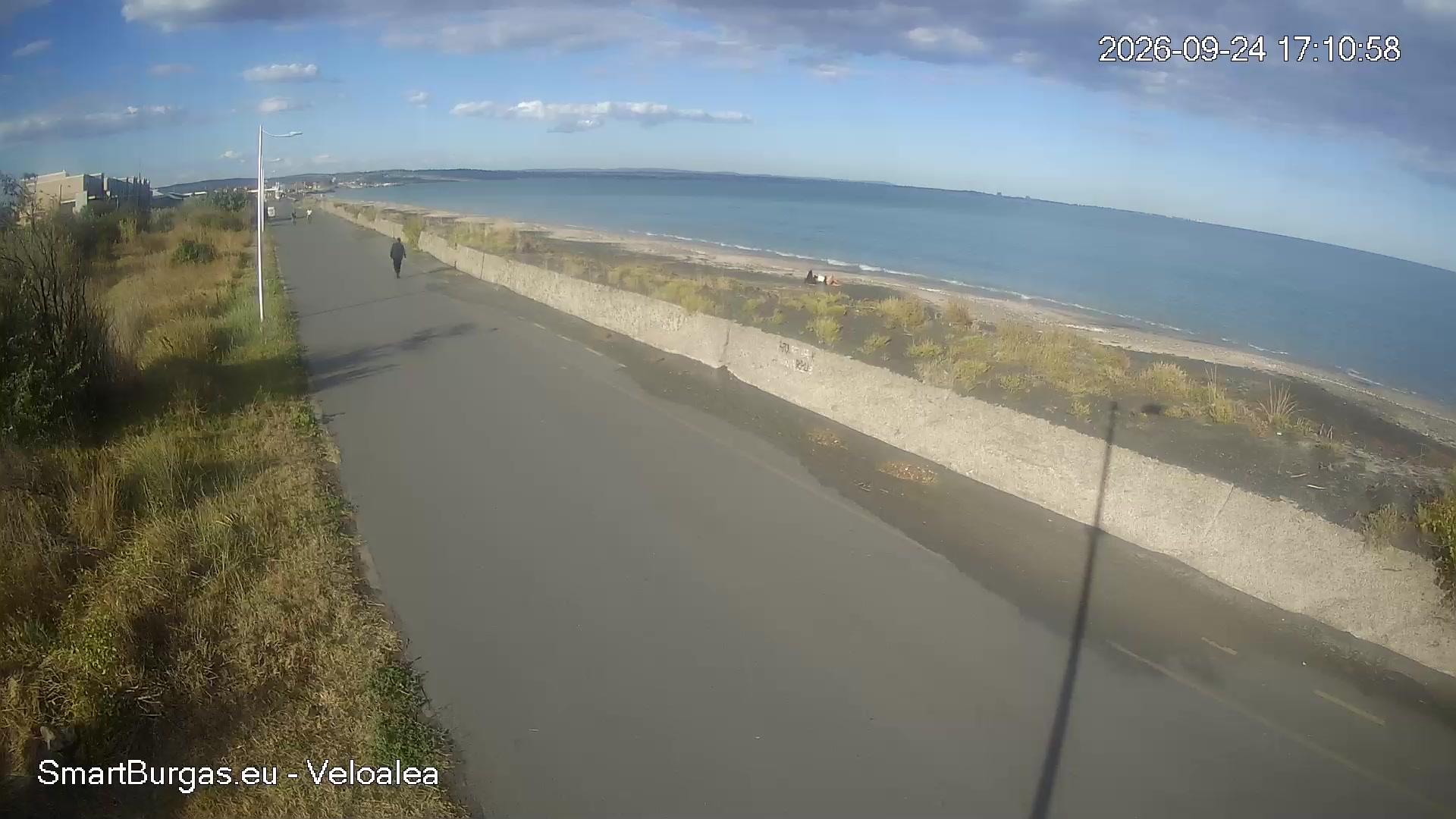
Bulgaria — a country of contrasts and picturesque landscapes
Bulgaria is a state in southeastern Europe, located on the Balkan Peninsula. The country borders Romania to the north, Serbia and North Macedonia to the west, Greece and Turkey to the south, and its eastern border is washed by the waters of the Black Sea. The territory of Bulgaria covers about 111,000 square kilometers, and the population exceeds 6.5 million people.
Bulgaria's geographical location has determined its unique climate — from temperate continental in the center to Mediterranean on the coast. The Balkan and Rhodope mountain ranges create natural barriers that protect the southern regions from cold northern winds. This is why the Bulgarian Black Sea coast has become one of the most popular resorts in Europe.
Sofia — ancient capital with a European character
Sofia is the capital and largest city of Bulgaria, located in the western part of the country at the foot of Vitosha Mountain. The city with a population of about 1.3 million people is the most important economic, cultural, and transport center of the region. Sofia is among the ten oldest capitals in Europe — its history spans more than 7,000 years.
The architectural appearance of Sofia is a whimsical combination of eras. Here you can see the remains of Roman thermae, Byzantine basilicas, Ottoman mosques, and monumental buildings of socialist realism. The main dominant of the city is the Memorial Cathedral of Saint Alexander Nevsky, consecrated in 1912 in memory of the 200,000 Russian soldiers who fell in the Russo-Turkish War for the liberation of Bulgaria. The golden domes of the cathedral are visible from many points in the city and have become one of the symbols of Sofia.
Vitosha Mountain, towering above the capital, is a favorite recreation spot for city residents. Its highest point — Cherni Vrah (2,290 meters) — is popular among tourists year-round. In winter, ski slopes operate here, and in summer — hiking trails through alpine meadows and coniferous forests.
Black Sea coast — the jewel of Bulgarian tourism
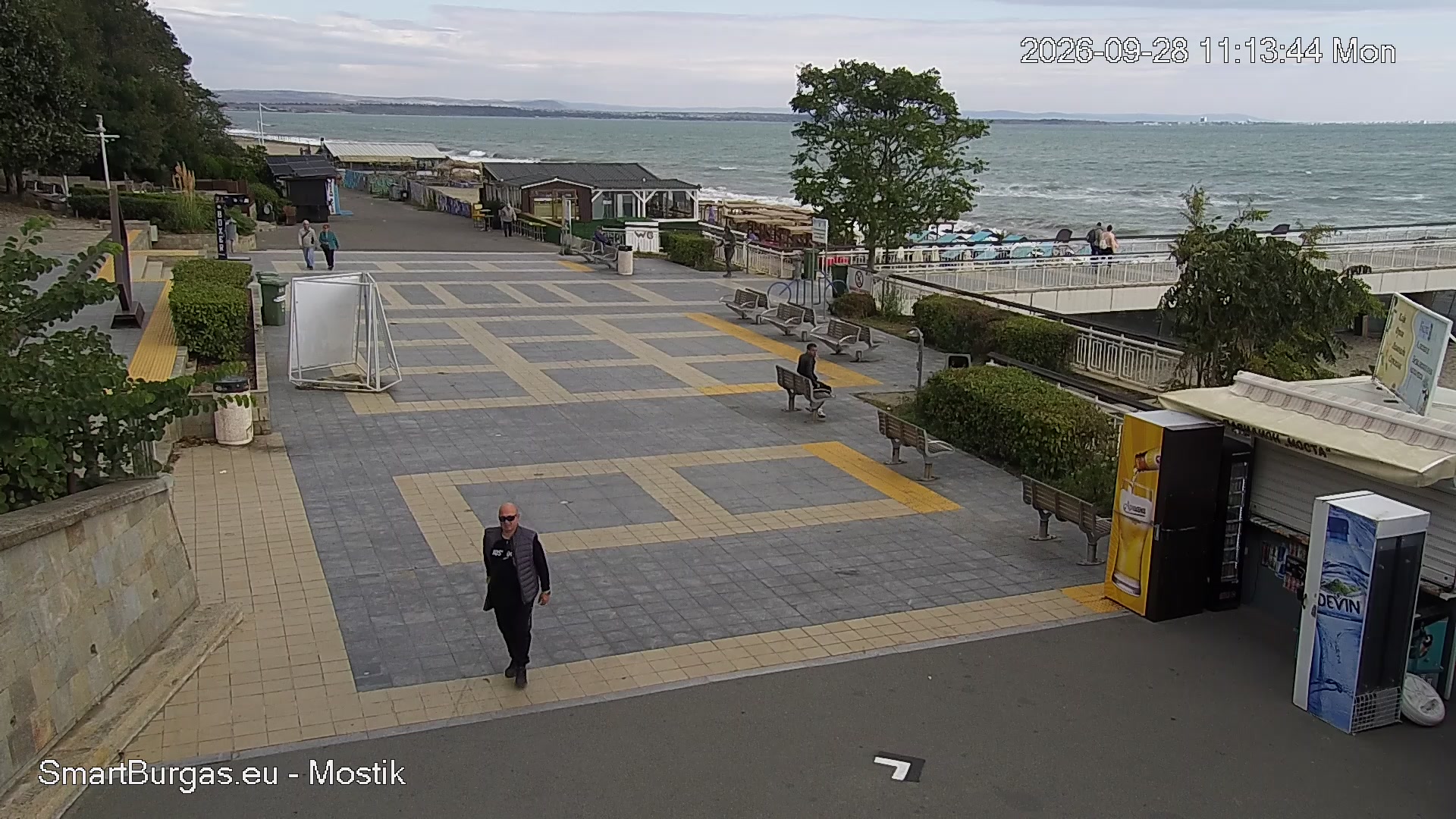
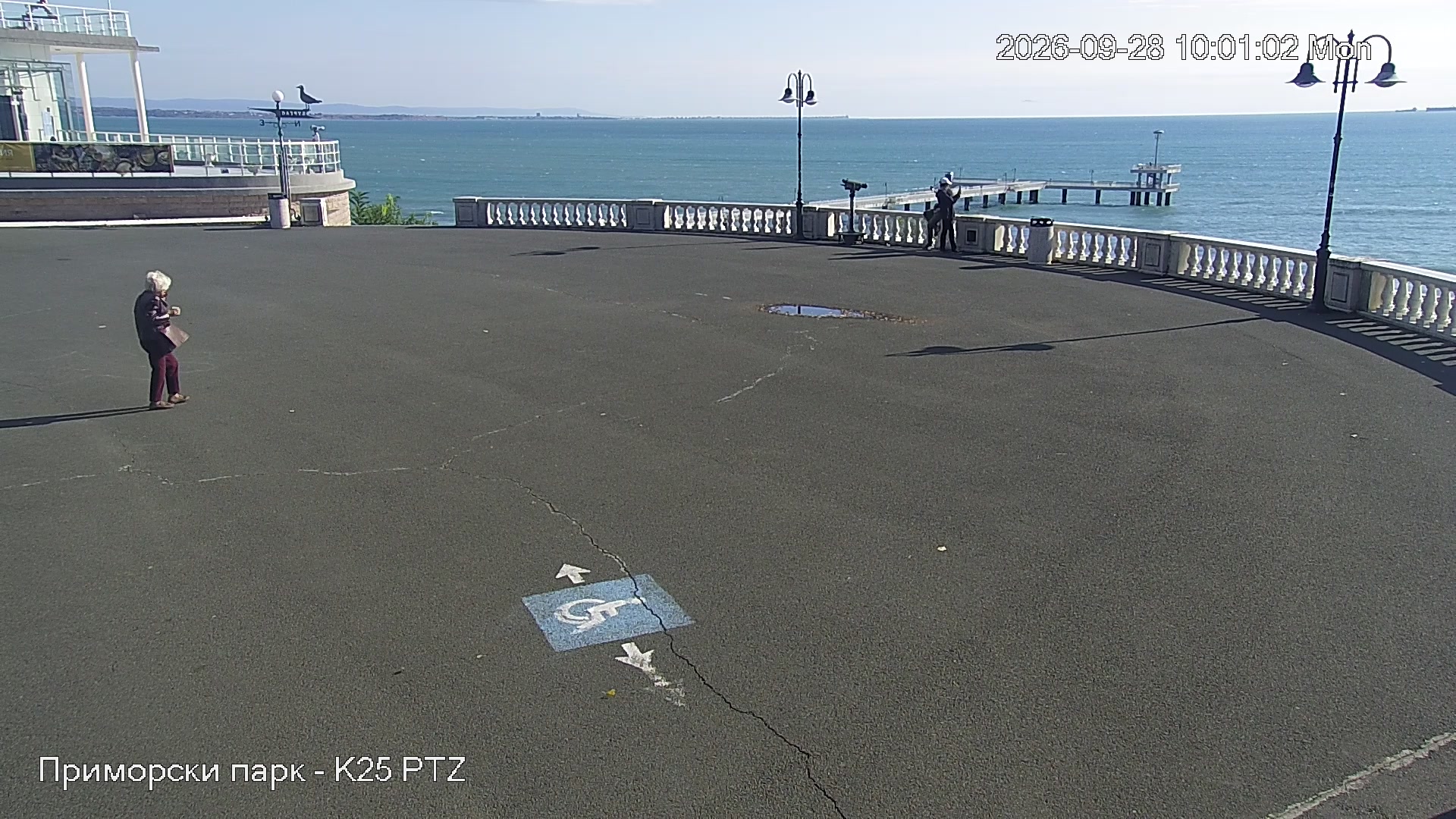
The Black Sea coast of Bulgaria stretches for 378 kilometers from the Romanian border in the north to the Turkish border in the south. It is one of the most popular resort regions in Eastern Europe, attracting tourists with sandy beaches, warm sea, and affordable prices. Bulgaria's webcams allow you to observe the life of resorts in real time, assessing the weather, sea conditions, and beach occupancy.
Varna is the third largest city in the country and the main seaport of Bulgaria. The city is located in a picturesque bay and is famous for its parks, museums, and beaches. The Sea Garden of Varna is the largest landscape park in the Balkans, stretching along the waterfront for 8 kilometers. The city is home to the famous Varna Necropolis with finds of gold jewelry dating back to the 5th millennium BC.
Golden Sands — a resort in a national park
Golden Sands is a climatic resort area on the Black Sea coast, located on the territory of a national park 18 kilometers northeast of Varna. The resort got its name thanks to the fine golden sand that shimmers in the sun and creates a unique beach holiday atmosphere.
The Golden Sands National Park is a protected natural area of more than 1,300 hectares. Relict forests with endemic plant species have been preserved here, as well as habitats of rare animals. Mineral springs flowing in the vicinity of the resort have been known for their healing properties since ancient times.
The infrastructure of Golden Sands includes dozens of hotels of various classes, restaurants, bars, aqua parks, and sports grounds. The resort is ideal for family vacations — the gentle entry into the water and shallow areas make the beaches safe for children.
Sunny Beach — the largest resort in Bulgaria
Sunny Beach is located in a beautiful bay with a sandy beach that stretches for 8 kilometers around the ancient town of Nesebar. It is the largest resort complex in Bulgaria, hosting hundreds of thousands of tourists from all over Europe every year. The resort is famous for its developed infrastructure, wide beaches with fine sand, and clean water.
Sunny Beach is located 35 kilometers north of Burgas and 90 kilometers from Varna. The resort zone stretches along the coast for several kilometers, offering tourists a wide choice of hotels — from budget apartments to luxury complexes with their own beaches and aqua parks.
A special feature of Sunny Beach is its proximity to historical attractions. Just a few minutes' drive away is Old Nesebar — an open-air museum included in the UNESCO World Heritage List. This allows tourists to combine beach vacations with educational excursions.
Nesebar — an open-air museum
Old Nesebar is included in the UNESCO World Heritage List thanks to its many medieval churches and preserved ancient ruins. The city is located on a small rocky peninsula connected to the mainland by a narrow isthmus about 400 meters long. It is one of the oldest cities in Europe with a history spanning more than 3,000 years.
Nesebar was founded by the Thracians, later became the Greek colony of Mesembria, and then an important Byzantine center. Throughout its history, the city was under the rule of Rome, Byzantium, Bulgaria, and the Ottoman Empire. Each era has left its mark on the architecture of Nesebar — from ancient fortress walls to medieval churches with unique frescoes.
Today, Old Nesebar is an architectural reserve where more than 40 churches of various periods are located on narrow cobblestone streets. Among them are the Basilica of Saint Sophia from the 5th century, the Church of Saint Stephen from the 11th century, and Christ Pantocrator from the 14th century. Many buildings have been converted into galleries, restaurants, and souvenir shops.
Burgas — the gateway to the southern resorts
Burgas is the fourth largest city in Bulgaria and the most important port on the southern Black Sea coast. The city is located in the western part of the Burgas Bay and is surrounded by three lakes — Burgas, Atanasovsko, and Mandra. Burgas is a major industrial and transport center, as well as a starting point for trips to the southern coast resorts.
Unlike Varna, Burgas is not so much a resort city as a business and cultural center. However, its suburbs — Lozenets, Sarafov, and the resort complex Slantchev Bryag — offer excellent beaches and developed tourist infrastructure. The Sea Garden of Burgas is one of the favorite recreation spots for city residents with century-old trees, sculptures, and views of the bay.
The Burgas lakes are an important ornithological region where thousands of migratory birds stop during migration. Lake Atanasovsko is known for its healing mud, which is used in the balneological clinics of the region.
Plovdiv — the cultural capital of Bulgaria
Plovdiv is the second largest city in Bulgaria and one of the oldest cities in Europe with a history spanning more than 8,000 years. The city is located in the Upper Thracian Lowland on the banks of the Maritsa River and is surrounded by seven syenite hills, making its panorama recognizable among other European cities.
Old Plovdiv is an architectural reserve where buildings from the Bulgarian National Revival era of the 18th–19th centuries have been preserved. Carved wooden ceilings, bright facades, and narrow cobblestone streets create the atmosphere of an old Bulgarian city. The Roman Stadium, built in the 2nd century AD and accommodating 30,000 spectators, is one of the main archaeological attractions of the city.
In 2019, Plovdiv held the title of European Capital of Culture. The city is famous for its rich cultural life — international festivals, exhibitions, and concerts are held here. The Ethnographic Museum in the Kuyumdzhiev House introduces visitors to the lifestyle and traditions of the Bulgarian people.
Mountains and nature reserves of Bulgaria
Bulgaria is a mountainous country: about 30% of its territory lies at an altitude of more than 600 meters above sea level. The main mountain systems — the Balkans (Stara Planina), Rhodopes, Rila, and Pirin — form the diverse relief and climatic zones of the country. The highest point of Bulgaria — Mount Musala (2,925 meters) in Rila — is also the highest peak of the Balkan Peninsula.
Rila is the sacred mountain of the Bulgarians, home to the famous Rila Monastery — the spiritual and cultural center of the country, founded in the 10th century by Saint John of Rila. The monastery is included in the UNESCO World Heritage List and is a place of pilgrimage for Orthodox Christians from around the world.
Pirin National Park is another UNESCO site, known for its glacial lakes, relict pine forests, and alpine meadows. The park is home to more than 1,800 plant species, many of which are endemic, as well as rare animals — brown bears, wolves, and Balkan chamois.
Culture and traditions of the Bulgarian people
Bulgarian culture is a unique blend of Thracian, Slavic, and Byzantine heritage. Bulgaria gave the world the Cyrillic alphabet — a script created by the disciples of Saints Cyril and Methodius in the 9th century. Today, Cyrillic is used by more than 250 million people in Russia, Ukraine, Serbia, Mongolia, and other countries.
Traditional Bulgarian cuisine reflects the country's geographical location — it is a combination of Balkan, Mediterranean, and Eastern influences. Shopska salad, kebapcheta, tarator, and banitsa have become the calling cards of Bulgarian gastronomy. Bulgaria is also one of the largest wine producers in Eastern Europe — winemaking has been practiced here since ancient times.
Bulgarian folk traditions have survived to this day. The horo circle dance, performed to the sounds of the gaida (bagpipe) and tambura, is an integral part of holidays and celebrations. Bulgarian folk songs with their distinctive dissonant sound have been recognized by UNESCO as a masterpiece of the oral and intangible heritage of humanity.
What the cameras show in Bulgaria
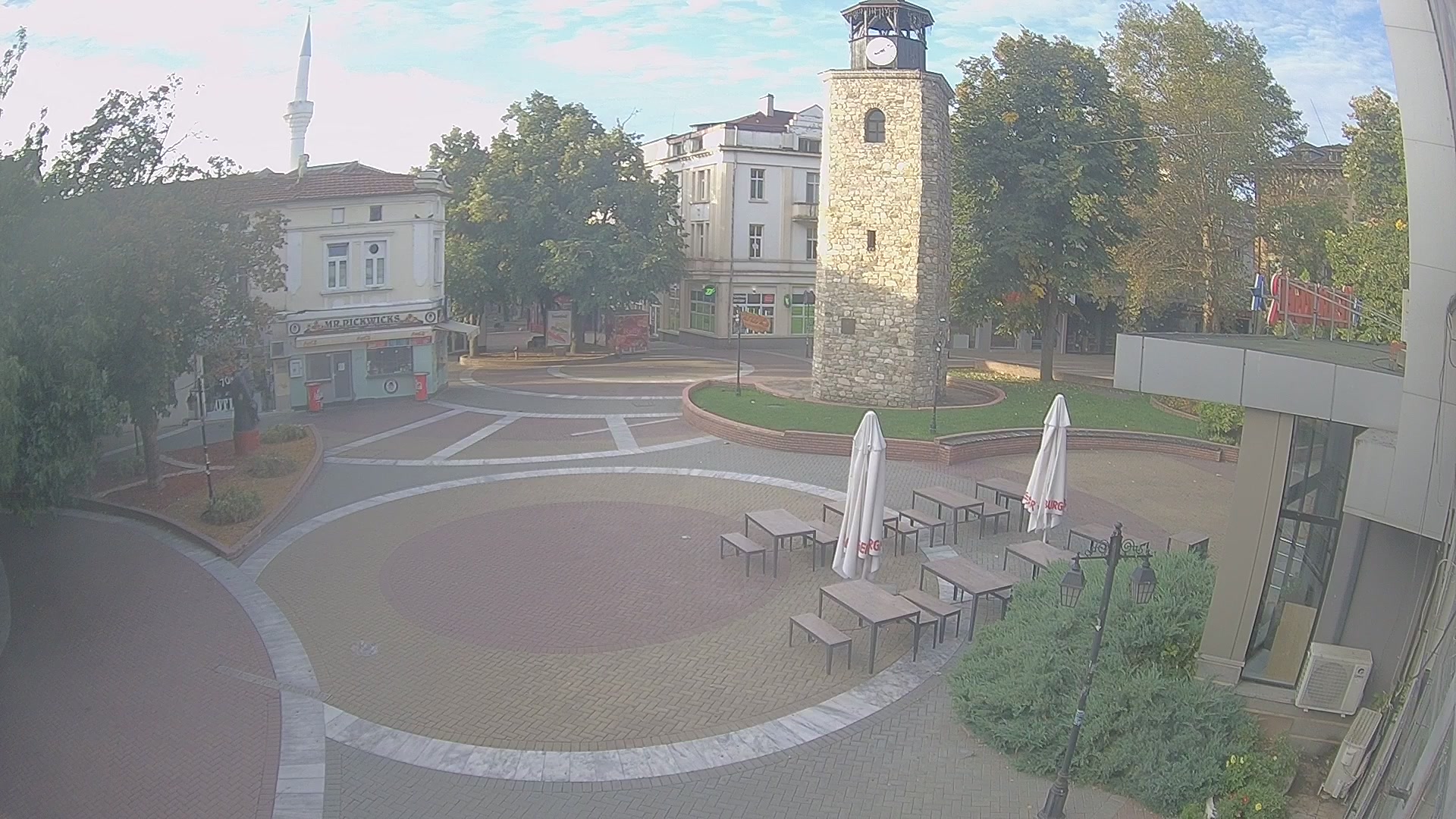
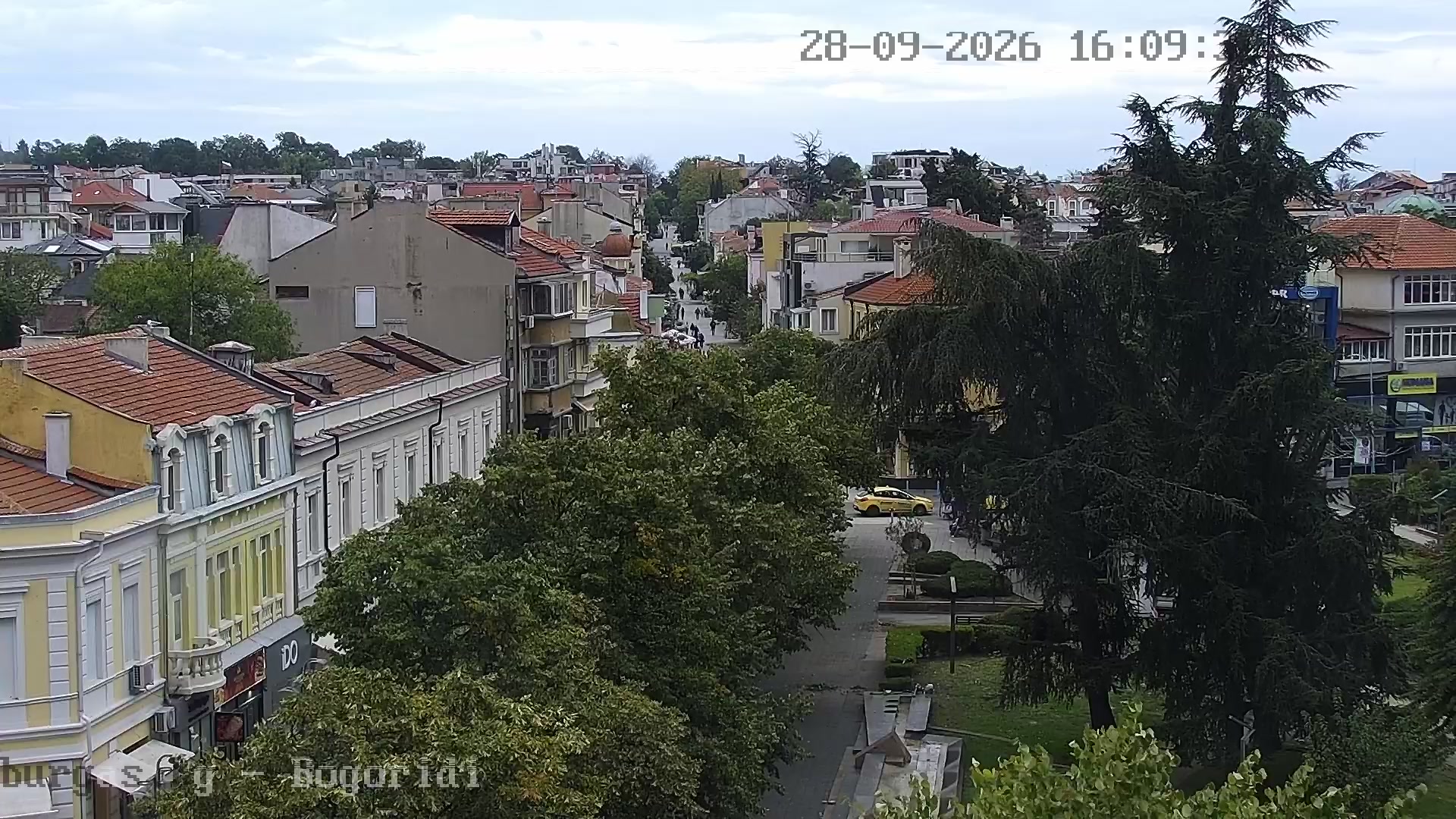
Bulgaria's webcams are located at key points in the country and allow you to observe the life of cities and resorts in real time. In the capital, cameras are installed in the Hladilnika district, offering a panorama of the Vitosha massif with its peaks Cherni Vrah, Kamen Del, and Kopitoto. Cameras in the center of Sofia broadcast views of the Memorial Cathedral of Saint Alexander Nevsky and the busy streets of the capital.
On the Black Sea coast, webcams cover all the main resorts. In Varna, cameras show the city center, the waterfront, and the seaport. Golden Sands broadcasts the beach area and the surroundings of the resort. Sunny Beach is represented by PTZ cameras on the beach of the Golden Inn hotel, allowing you to assess sea conditions and beach occupancy.
Nesebar is one of the most interesting objects for observation. Cameras in the Old Town show medieval churches, the port, and the waterfront, as well as panoramas of the Black Sea. The camera from the restaurant "Zornitsa i Sevina" broadcasts a view of the sea surface and the peninsula with its characteristic silhouettes.
Bulgaria's webcams are not only a way to check the weather before a trip, but also an opportunity to experience the atmosphere of this hospitable country. Observing the life of Bulgarian cities and resorts in real time allows you to better understand the rhythm of local life, appreciate the beauty of nature and architecture, and plan a future trip taking into account current conditions.