

🏙️ Webcams Hula Online — Watch in Real Time
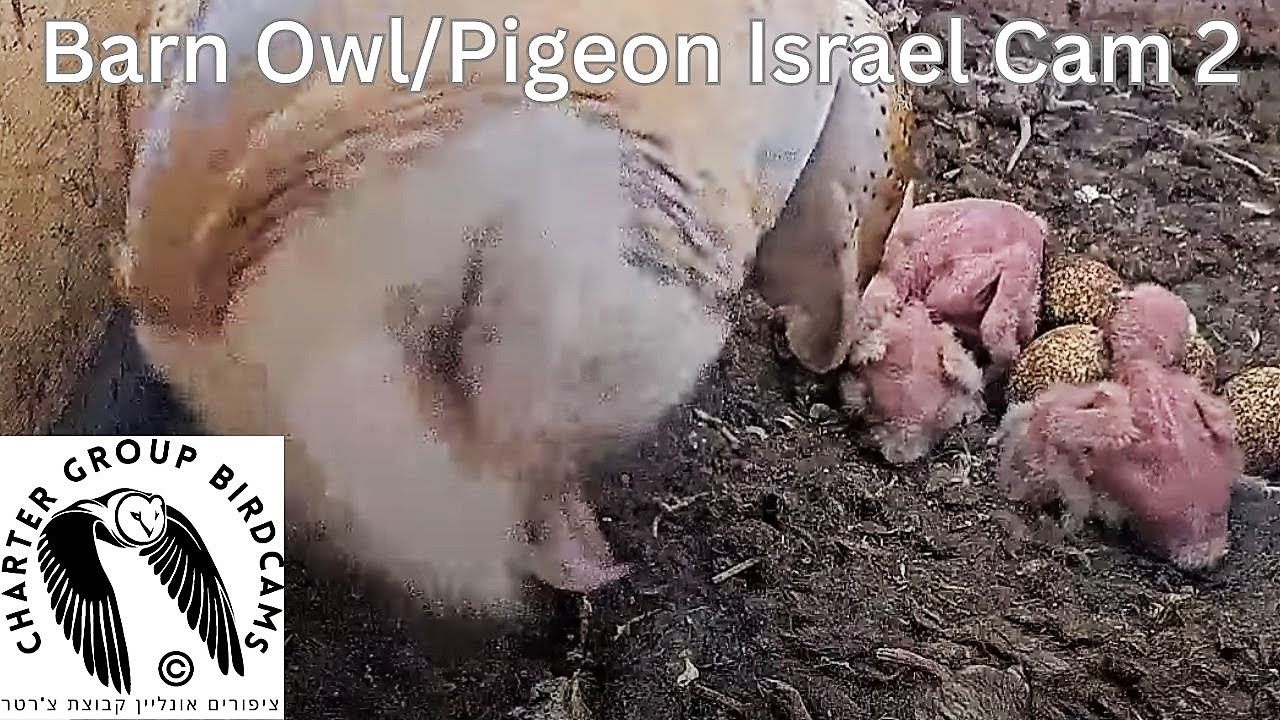
2 cameras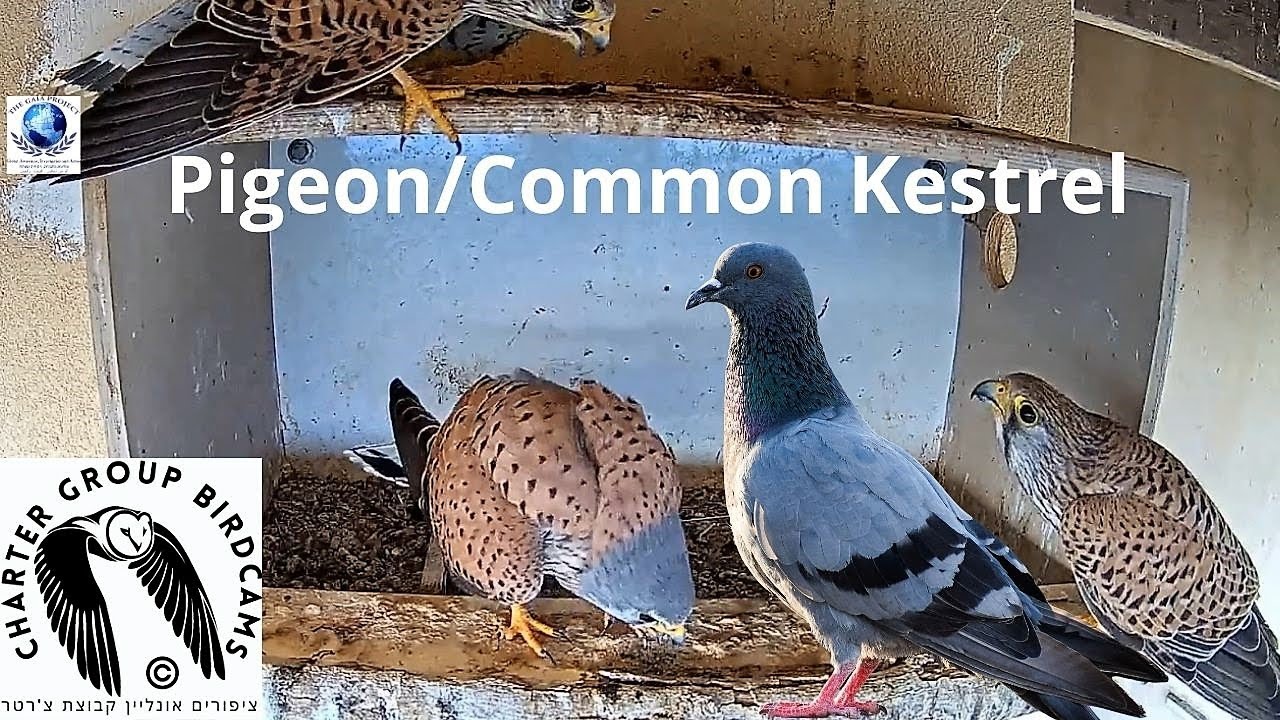
Hula Valley — A Green Corridor Between Three Continents
Hula is not a city in the traditional sense, but a vast tectonic depression in northern Israel, known as the Hula Valley or Emek HaHula. Located along the Syrian-African Rift, this area serves as a crucial crossroads for bird migration routes between Europe, Asia, and Africa. Fertile agricultural land, an abundance of freshwater, and a unique microclimate have made the valley a magnet for human settlement for millennia. Today, Hula is primarily a natural gem of Israel, where wildlife can be observed in its pristine state.
Geographical Location and Natural Features
The Hula Valley is located in the upper part of the Jordan River Valley, between the Golan Heights to the east and the Naftali ridge to the west. It is part of the Great Rift Valley — a giant tectonic formation stretching from Turkey to the Mozambique Depression. It is here, at the junction of three continents, that a unique bird migration corridor was formed. The natural shallow lake, surrounded by swamps, historically covered an area of 12 to 14 square kilometers. The depth of the water body ranged from 1.5 meters in summer to 3 meters in winter, creating ideal conditions for waterfowl and other aquatic inhabitants.
Dramatic History: Drainage and Ecological Catastrophe
In 1951, the Jewish National Fund launched a large-scale project to drain Lake Hula and the surrounding swamps. The main reasons were pragmatic — combating Anopheles malaria mosquitoes and creating new agricultural land. Operations continued until 1958 and included deepening the Jordan River channel downstream, as well as constructing two new peripheral canals — Eastern and Western — which diverted the Jordan's waters to the north of the valley. In 1955, the Israeli government invited American engineer John Zuckerman as a project consultant.
The ecological consequences of the drainage proved catastrophic. Endemic fish species disappeared, including the Hula bream (Mirogrex hulensis), Galilean Nun (Nun galilaeus), and Hula shortjaw tristramella (Tristramella intermedia). The exposed soil was subject to erosion, and the quality of water flowing into Lake Kinneret noticeably deteriorated. A unique ecosystem, formed over millennia, was destroyed in just a few years. Only in the mid-1990s did the Israeli government acknowledge the mistake and begin a project to partially restore the wetlands.
Revival: The 1990s Rehabilitation Project
In 1994, an ambitious project to re-flood part of the valley was launched. The Hula Valley Wetlands Rehabilitation Program was supported by the European Union under the LIFE-97 TCY/IL/038 project. Engineers restored the original course of the Jordan River, created new drainage channels, and built dams to control water levels. A complex system was developed to treat nitrogen-containing water before its use in agriculture. Soil reconstruction was achieved by controlling groundwater levels, allowing the area to be drained in winter and retain water in summer. The result was the creation of a new nature reserve — Agamon Hula.
Agamon Hula: A Bird Paradise on the Great Rift
Every year, over 500 million birds of more than 400 species fly through the Hula Valley. Twice a year — south in autumn and north in spring — the sky above the valley fills with flocks of white storks, cranes, pelicans, flamingos, and cormorants. About 35,000 cranes arrive in Hula in autumn, and approximately 15,000 of them stay for the winter. The valley has been recognized as an Important Bird Area (IBA) by BirdLife International — about 24,000 hectares are included in the international list of key bird sites.
Among the rare predators that can be found in the reserve are the greater and lesser spotted eagles, European honey buzzard, eastern imperial eagle, gyrfalcon, crested pratincole, and Spanish sparrow. Special structures have been built for birdwatching: observation towers on an artificial hill, a wooden observatory with panoramic windows designed in collaboration with professional ornithologists, and a hidden observation point about 600 meters long — a covered floating bridge that allows visitors to get as close to the birds as possible.
Unique Fauna: From Water Buffaloes to the "Extinct" Frog
The reserve is home to Israel's largest herd of water buffaloes — "jammu," as they are called in Arabic. There is evidence of breeding these animals in the region since the 8th century AD. After the Six-Day War in 1967, several individuals were discovered in the Beth Saida Valley northeast of the Kinneret. Wild boars often graze alongside the buffaloes, and in a fenced area lives a small herd of Persian fallow deer (Dama mesopotamica) — a species that was also on the verge of extinction.
A real scientific sensation occurred in November 2011, when the Hula painted frog (Discoglossus nigriventer) was rediscovered. This endemic species, up to 4 cm in size, was originally identified in the 1940s by Professor Heinrich Mendelssohn and Professor Heinz Steinitz. After the lake was drained in the 1950s, the frog was considered extinct and was included in the IUCN Red List as an extinct species. However, one of the reserve employees accidentally discovered it in the restored water body. The species' return is linked to improved water quality and increased water volume following ecosystem rehabilitation.
In the dense thickets of old eucalyptus trees, planted around 1890, insectivorous bats, diurnal and nocturnal birds of prey live. Golden jackals, Egyptian mongooses, otters, foxes, wolves, badgers, martens, and marbled polecats are far from a complete list of mammals in the Hula Valley. Mountain gazelles are found in the mountains to the west of the valley.
Biblical Waters of Merom and Ancient Trade Routes
The Book of Joshua (11:5) mentions the "Waters of Merom" — this is what Lake Hula was called in biblical times. This name is associated with Joshua and King Jabin of Canaan. Ancient Egyptian sources from the 14th century BC called the lake Samhun, the Greek historian Josephus in the 1st century AD called it Semechonitis, and in the Talmud it is mentioned as Yam Sumchi. The Aramaic name is Hulata or Ulata.
The Hula Valley was a major crossroads on an important trade route connecting Damascus with the eastern coast of the Mediterranean Sea and Egypt. The Via Maris ("Way of the Sea") route linked Egypt, Africa, and Asia. Bronze Age cities Hazor and Laish (later Dan) were built on this route about 4,000 years ago. At the end of the 13th century BC, the Tribe of Dan destroyed Laish and built the city of Dan. About 400 years of Israelite rule ended with the conquest by the Assyrian king Tiglath-Pileser III.
At the southern end of the valley stands the ancient Bnot Yaakov Bridge ("Daughters of Jacob"), built around 1260 during the Mamluk rule. The basalt arches of this bridge narrowed the Jordan River channel, causing Lake Hula to rise higher in winter and the swamps to expand northward almost to the edge of the valley. In 1934, the old bridge was replaced by a modern one to the south, and in 1946 it was destroyed by the Haganah in the "Night of the Bridges." The Syrians captured the bridge in 1948, later withdrawing under the armistice agreement.
What to See: From Oforia to Night Safari
The Hula Nature Reserve, founded in 1964 as Israel's first nature reserve, offers visitors the modern Oforia Visitor Center, opened in 2006. Here, an interactive presentation with 3D video and a multisensory experience takes place: sections about the hidden lake, Hula's birds, valley animals, a quiz, and a map of migration routes. A floating bridge about 600 meters long leads across the water surface to a hidden observatory, where you can watch fish, turtles, and birds while remaining unnoticed.
The Founders' Grove — old eucalyptus trees planted in the late 19th century — is home to bats, owls, kestrels, golden orioles, and bee-eaters. For those who want to see nocturnal predators, special safaris are organized with an almost guaranteed chance of observing jungle cats (Felis chaus) and golden jackals. Near the reserve are the Ein Tina and Jahula springs, as well as the HaTanur, Tel Dan, and Banias reserves with their famous waterfall.
In December 2007, Israel issued a series of three stamps depicting the Hula Reserve, and in 2014, commemorative coins (silver 1 and 2 new shekels, gold 10 new shekels) for the 50th anniversary of the reserve, featuring a crane and aquatic plants.
What the Cameras Show
Webcams Hula online allow you to observe the life of the nature reserve in real time, without leaving your home. Broadcasts from the Agamon Hula area show flocks of migratory birds, water buffaloes, and picturesque valley landscapes. You can watch Hula webcam right now — choose any broadcast from the catalog and enjoy the view of one of the most amazing places in the Middle East. Hula online broadcast is an opportunity to see with your own eyes how thousands of cranes take to the sky at dawn, how buffaloes leisurely wade through the shallows, and how the landscape changes throughout the day.