

🏙️ Red Oak webcams online — watch the city in real time
1 cameras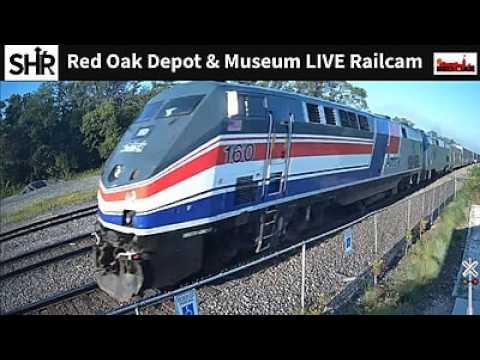
Red Oak webcams online — watch the city in real time
Red Oak, a city in the state of Iowa, located in the East Nishnabotna River valley, attracts attention from those seeking a unique experience of observing a rural American town. Live streaming through webcams provides an opportunity to follow the rhythm of the community's life, observe the development of infrastructure and natural landscapes around. The city is valued for its peaceful atmosphere, historical heritage, and hospitality of its residents. Convenient online cameras allow you to monitor the current situation on the streets, in parks, and near key city landmarks without the need for physical presence here.
Behind every frame appearing on the webcam screen is the living life of the city. You can notice traffic movement along Main Street, residents walking along the river, the work of local institutions, or festivals taking place in downtown. Such online broadcasts help form an impression of the city's character without unnecessary expenditure of time and money. Image clarity and navigation capabilities make viewing comfortable and informative for users from different parts of the world.
History of the city's founding and interesting dates
As early as 1869, the Chicago, Burlington and Quincy Railroad, then known as the Burlington and Missouri River Railroad, took an important step in the development of the future city. The railroad cut through the prairie, opening new opportunities for trade and migration. It was during this period that the official history of the settlement began, which over time became an important center for the surrounding area. The railroad became the foundation for economic growth, allowing the export and import of goods, as well as attracting new residents.
On March 20, 1876, the name was officially established as Red Oak Junction — at the suggestion of the railroad, which marked this route. The symbolism of the name is associated with the abundance of red oaks growing along the banks of a creek flowing into the East Nishnabotna River. Nature left a noticeable mark on the name, and today the forests around continue to adorn the landscape, creating picturesque transitions from city streets to natural areas.
The founder of the city was Alfred Hebard, who left a significant mark on the history of the settlement. The house he built has survived to this day, becoming a kind of beacon for history enthusiasts. The city's toponymy and architecture reflect the aspirations of early settlers to create a community combining coziness and functionality. Unique facts related to this period can be studied in sources of the city's history on individual pages of the IA-48 route.
Geographical location and surrounding environment
Red Oak is located in the East Nishnabotna River valley — here waterways play an important role in shaping the landscape and community life. The river flows through the central areas of the city, creating a natural corridor for wildlife and recreational activities. The banks are adorned with vegetation, including the aforementioned red oaks, which, in combination with other tree species, form picturesque green zones. In summer, the valley fills with the noise of birds and the shade of foliage, creating ideal conditions for walks and nature observation.
The water resource serves not only as an aesthetic element but also as an important infrastructure component. The East Nishnabotna River provides oxygen inflow, supports the ecosystem, and creates conditions for fishing, boating, and enjoying the water surface. In spring, the river may overflow its banks, forming rich fertile soils in the floodplain, which positively affects agriculture in adjacent territories. A webcam installed in the vicinity of the river allows you to monitor water level changes and natural processes, observe birds, fish, and other wildlife species.
The climatic features of the region are a combination of continental style, with a clear division into warm summer days and cool winters. In winter, the river and trees can be covered with frost and snow, creating a special atmosphere. In summer, the city fills with colors from the blooming of maples, oaks, and other trees. Street webcams allow you to follow the transformation of the landscape depending on the seasons, noticing details that might go unnoticed during ordinary observation.
Historic core and architectural landmarks
The Downtown Historic District was listed on the National Register of Historic Places in 2016, confirming its cultural and architectural significance. This district represents a collection of buildings reflecting the economic and social changes of the city throughout the 19th and early 20th centuries. Two-part commercial blocks along Main Street demonstrate the classic model of trade center development in rural settlements. The buildings are executed in the Main Street Commercial Architecture style and preserve their historical appearance, creating a time-travel effect.
The Montgomery County Courthouse, built in 1891, is one of the key landmarks of the district. Its facade is adorned with Renaissance details and neoclassical motifs, and the interior preserves traces of old court proceedings. The Firehouse and City Jail building, erected in 1898-1901, is also listed on the National Register, which speaks to its unique architectural value. The building demonstrates the evolution of fire safety systems and prison detention of criminals at the end of the 19th century.
The Red Oak Public Library, opened in 1909, became the center of the community's intellectual life and reflects the aspirations of the first residents toward education and cultural development. The building was constructed in the neoclassical style and today continues to preserve its historical significance. Three historical landmarks — the courthouse, firehouse, and library — form a continuous historical landscape of downtown, creating a unique atmosphere that can be felt not only during visual inspection but also by observing the life of the district through a webcam.
The former Burlington Northern depot, converted into the Restored BN Depot and World War II Museum, tells the story of the city through the prism of railroad development and local residents' participation in world events. During World War I, Company M from Red Oak sent 250 men to the front — a full complement, which speaks to the high responsibility of citizens for the fate of the country. The museum preserves exhibits, documents, and photographs describing the contribution of city residents to the history of military operations.
Development of urban infrastructure and lifestyle
The Red Oak Municipal Airport, located 2 nautical miles west of the central business district, provides the city's connection to the outside world. The airport has FAA code KRDK (RDK) and is equipped with three runways: 5/23, 13/31, and 17/35. Access to the runway is via US Highway 34 through Avenue G and 200th Street, making the airport easily accessible for pilots and passengers. Street cameras around the airport allow you to monitor aircraft activity and the overall condition of the infrastructure.
The lifestyle in Red Oak is shaped by rural traditions, cultural heritage, and historical legacy. The city serves as the county seat of Montgomery County, and local administration activities are concentrated in the stone buildings of downtown, creating a vibrant rhythm of government and public institutions. The Red Oak School District, founded in 1870, continues educational traditions in modern times, raising a new generation of residents. The Red Oak Express newspaper, first published by Webster Eaton, long remained the voice of the city, covering important events and local life happenings.
The Red Oak Street Railway — a horse-drawn line that once connected city districts — demonstrates early attempts to improve transportation infrastructure. The rails were dismantled in preparation for bridge construction, but the memory of the line remains in historical sources and urban legends. Today, the network of street cameras is being updated and modernized, creating a continuous picture that helps residents and tourists navigate the space and follow the city's development.
Population and demographic trends
In recent censuses, the city's population has remained at a stable level, but there is a trend toward a slight decrease in the number of residents. According to the 2020 census, 5,596 people lived in the city, in 2010 — 5,742, and in 2000 — 6,197. Such dynamics reflect general urbanization and migration processes characteristic of many rural settlements in the USA. The red oaks that gave the city its name today grow not only in the surroundings but also in the city's toponymy, symbolizing strong roots and continuity of generations.
Red Oak has a rich history of railroad expansion and connection to the Underground Railroad. This historical aspect is reflected in archives and museum exhibits telling about people escaping slavery through the Underground Railroad system. City streets, old buildings, and locations associated with this period preserve the memory of the resilience and humanism of early settlers. Reading Willa Cather's story "The Bohemian Girl" (1912), one can find mentions of this settlement, confirming its cultural significance in literature.
What the cameras show in the city
Webcams in Red Oak are available for online access and allow you to observe the life of the city in real time. Located on streets, embankments, and near historical buildings, the cameras convey the atmosphere and rhythm of the settlement's life. Users can switch between different directions, follow traffic movement, the work of institutions, and natural phenomena. Image quality and frame update frequency make viewing convenient and informative.
Cameras located in downtown show Main Street, the historical core of the city, and key landmarks. Here you can see architectural details, open spaces, and community life. Observing the courthouse, firehouse, and library through online broadcasts creates a sense of presence in the historical center. Cameras around the airport record aircraft arrivals and departures, as well as runway operations. Cameras along the East Nishnabotna River allow you to follow natural landscapes and water flows, which is especially relevant during the flood and high water season.
Street webcams in Red Oak are available for free, without the need for registration or additional procedures. Each camera updates regularly, creating a continuous flow of visual information that helps users better understand the city, its features, and lifestyle. With these broadcasts, you can form an impression of local businesses, road conditions, activity of street public spaces, and even weather conditions without leaving your home.