

🏙️ Webcams Saint Petersburg online — watch the city in real time
20 cameras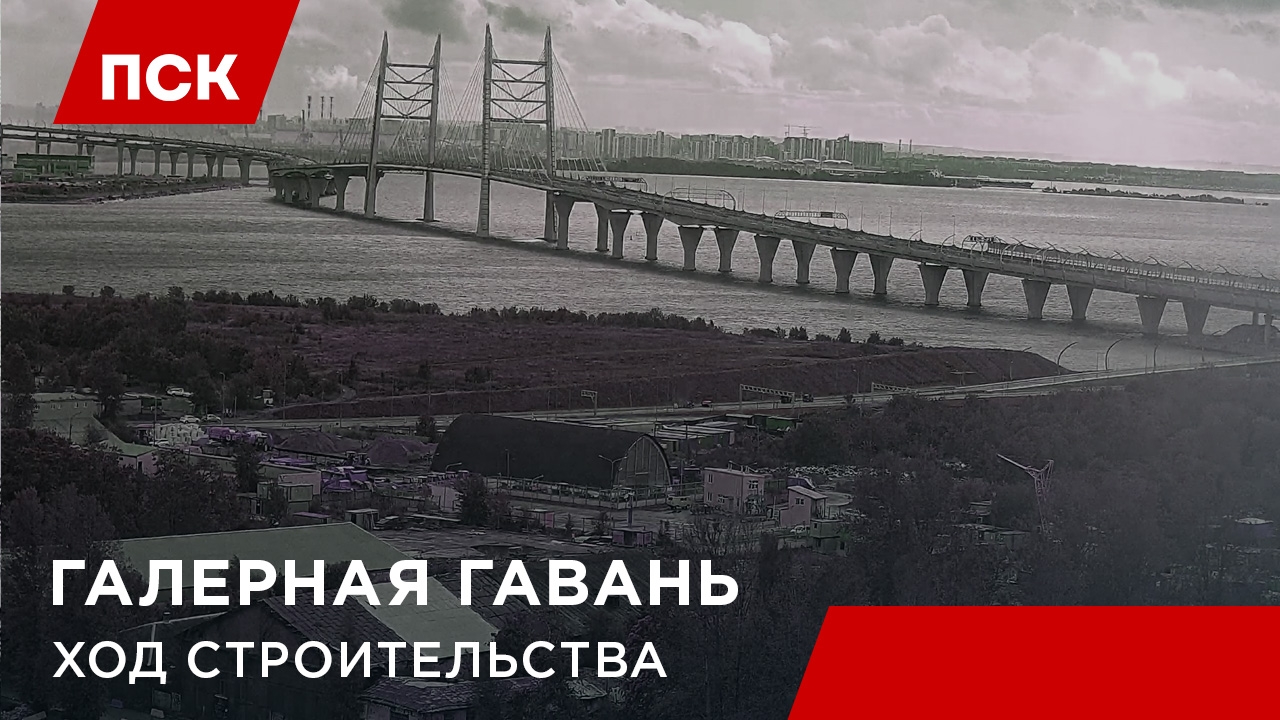





White Nights and Drawbridges — Symbols of the Northern Capital
Saint Petersburg is a city that never sleeps in the literal sense. From late May to mid-July, the sun barely dips below the horizon, and the night sky remains light. The official White Nights period is from June 11 to July 2, when at midnight the sun is no lower than 7°. The brightest night falls on June 21–22 and lasts about 5 hours and 12 minutes. During this time, Saint Petersburg transforms into a continuous carnival: the "Stars of the White Nights" festival by the Mariinsky Theatre, the jazz "White Nights Swing," the "White Nights" marathon, and an international badminton tournament in Gatchina.
But even outside the White Nights season, the city lives its own life — and you can observe it through Saint Petersburg webcams, which broadcast panoramas in real time. Drawbridges look especially impressive in the dark. The city has over 800 bridges — more than Venice, Amsterdam, and Stockholm combined. Only 22 of them are drawbridges, but they are what earned Petersburg its reputation as the "city of drawbridges." Daily, during the navigation period, 12-13 bridges are raised.
The Palace Bridge is the star of night broadcasts. It is raised about 300 times a year, usually twice a day, and up to 25 vessels pass under it overnight. The Birzhevoy Bridge creates an optical illusion from the water: its raised wings perfectly frame the spire of the Peter and Paul Fortress. The longest drawbridge is Alexander Nevsky (629 m), and the widest is the Blue Bridge over the Moika, whose width is 97.3 meters, allowing it to be called a "bridge-square."
Underground Palace: Amazing Facts About the Petersburg Metro
The Petersburg Metro is not just transport — it's a true underground kingdom. It opened its first line in 1955 and has since become a record-breaker in many parameters. The deepest station is "Admiralteyskaya" at a depth of about 86 meters. In terms of average station depth, the Petersburg Metro is the deepest in the world.
In 1980-81, Leningrad metro builders set world tunneling records: in 1980 — 1,070 meters of tunnel per month, and in 1981 — 1,270 meters per month on the "Udelnaya" — "Chyornaya Rechka" stretch. This record remains unbroken to this day. About 65 types of natural materials were used in construction — granite, marble, labradorite, limestone. And in the red salyutite marble at "Ploshchad Lenina" station, remains of ancient corals and sea lilies were found.
For over three decades, passengers have heard the voice of announcer Mikhail Bykov — the legendary voice of Leningrad Television. And the escalator handrail moves 2% faster than the steps — different mechanisms require constant synchronization. 8 stations are recognized as cultural heritage sites of Russia, and each of them is a work of art.
Hermitage Cats: Living Guardians of Museum Treasures
The Winter Palace is home not only to masterpieces of world art but also to their fluffy guardians. About 50 cats live in the Hermitage, each with a passport and veterinary record. The tradition of keeping cats to fight rodents dates back to 1745, when Empress Elizabeth Petrovna issued a decree "On Sending Cats to the Court" and thirty cats were delivered to the Hermitage.
Modern "ermiks," as staff affectionately call them, freely move through the almost twenty-kilometer network of basements — the "great cat basement." They are forbidden from entering the exhibition halls, but the basements are always dry and warm, all rooms equipped with small passages. All cats are sterilized — a tradition established under Elizabeth Petrovna. Since 1998, Hermitage Cat Day has been held annually in late May, when underground "cat routes" are opened.
Among the cats, there are their own "specialists." For example, cat Elisha serves as a kind of "policeman" — he watches visitors from above the pipes and once began hissing, biting, and scratching a man who picked up a girl's phone and decided not to return it. Staff claim that each cat has its own character and specialization.
Legends and Myths of Petersburg Monuments
Saint Petersburg is a city with a mystical atmosphere, and many of its monuments are shrouded in legends. The ship on the Admiralty spire, according to legend, is made of pure red gold, and beneath it, in a golden sphere, a cache of gold coins is hidden, opened by rotating two halves in a certain way — the mystery remains unsolved. Now inside the "golden apple" is a box with repair reports, newspapers from different years, and a time capsule.
The Bronze Horseman is considered the city's patron. According to legend, in 1812, in Major Baturin's sleep, Peter promised to protect Russia. During the siege years, residents believed: as long as the statue stands, the enemy will not enter — and the city held. On the University Embankment stand sphinxes that, according to legends, saw drowning people and heard strange voices. And the Rotunda on Gorokhovaya Street is known as a place for mystical rituals — staircases and mirrors emit a mysterious light.
Foundation of the City: Myths and Reality
There is a widespread myth that on May 27, 1703, Peter I personally laid the first stone of the Peter and Paul Fortress, and throughout the day he was accompanied by an eagle. In fact, on that day the tsar was in Lodeynoye Pole (200 km from the founding site), where ships were being built for the Baltic Fleet. He drew the plan of the future fortress himself, but would lay the first stone only three years later, in 1706, when the structure was decided to be rebuilt in stone according to the design of Domenico Trezzini.
Another myth is that where the future city would stand, there was a huge swamp and nothing else. In fact, where the historic center is now, there were about 40 settlements that existed even before the Swedes came and belonged to Novgorod. The inhabitants of these settlements became the first Petersburgers and actively participated in construction. By the end of Peter I's reign, the population of Petersburg had grown to 40,000 people.
The city changed its name multiple times: originally called Petropavlovsk, then Saint Petersburg, in 1914 renamed Petrograd, in 1924 — Leningrad, and only in 1991 was the historical name Saint Petersburg returned. Each name is a reflection of its era, and you can observe how the city lives today through Saint Petersburg webcams in real time.
What the Cameras Show
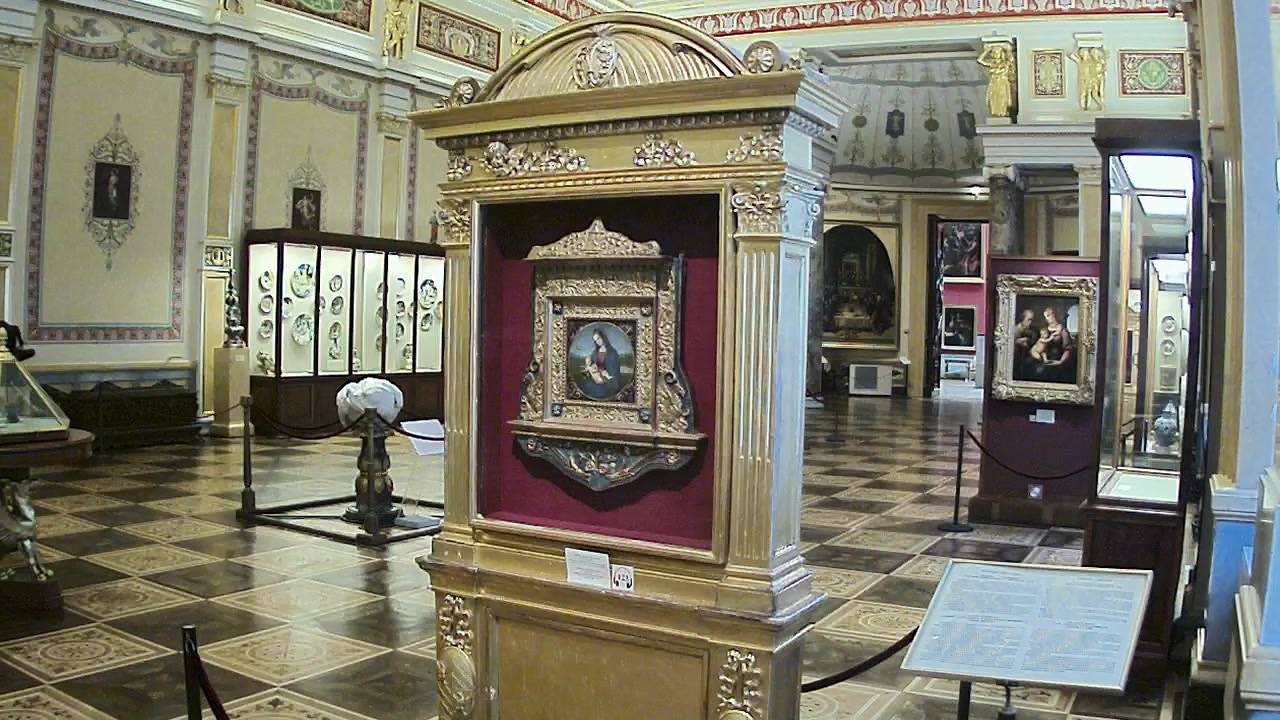
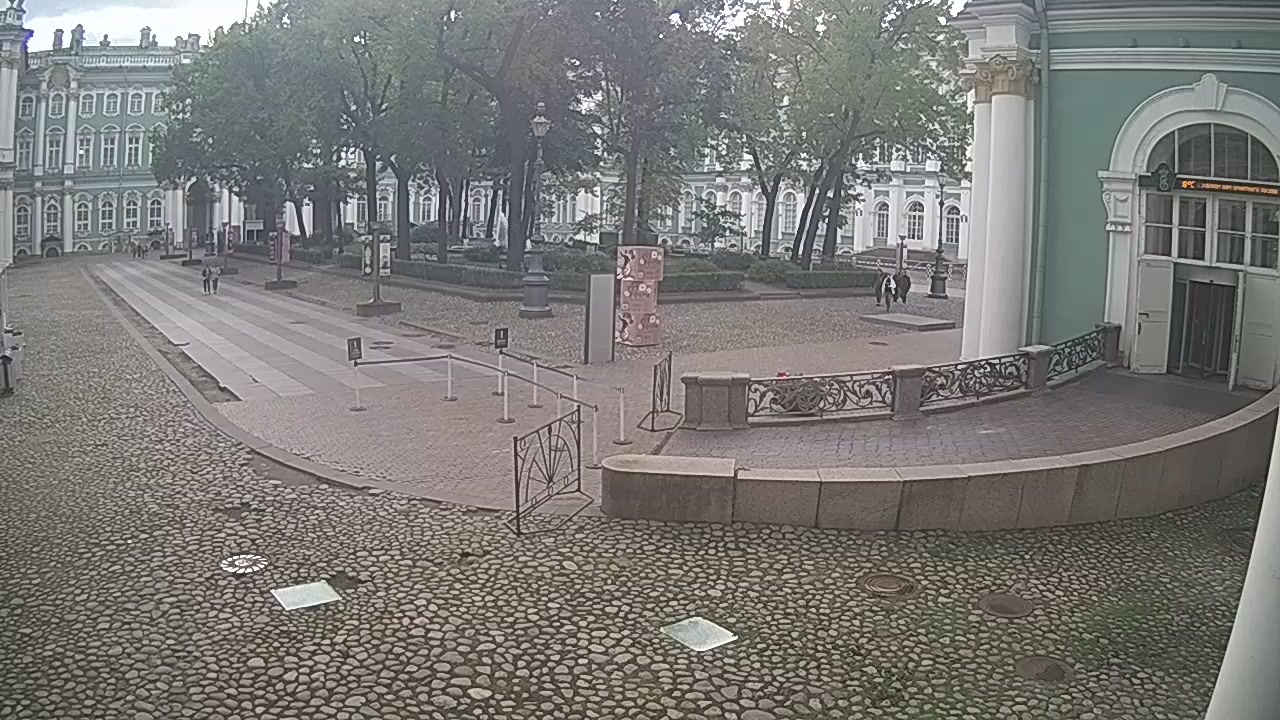
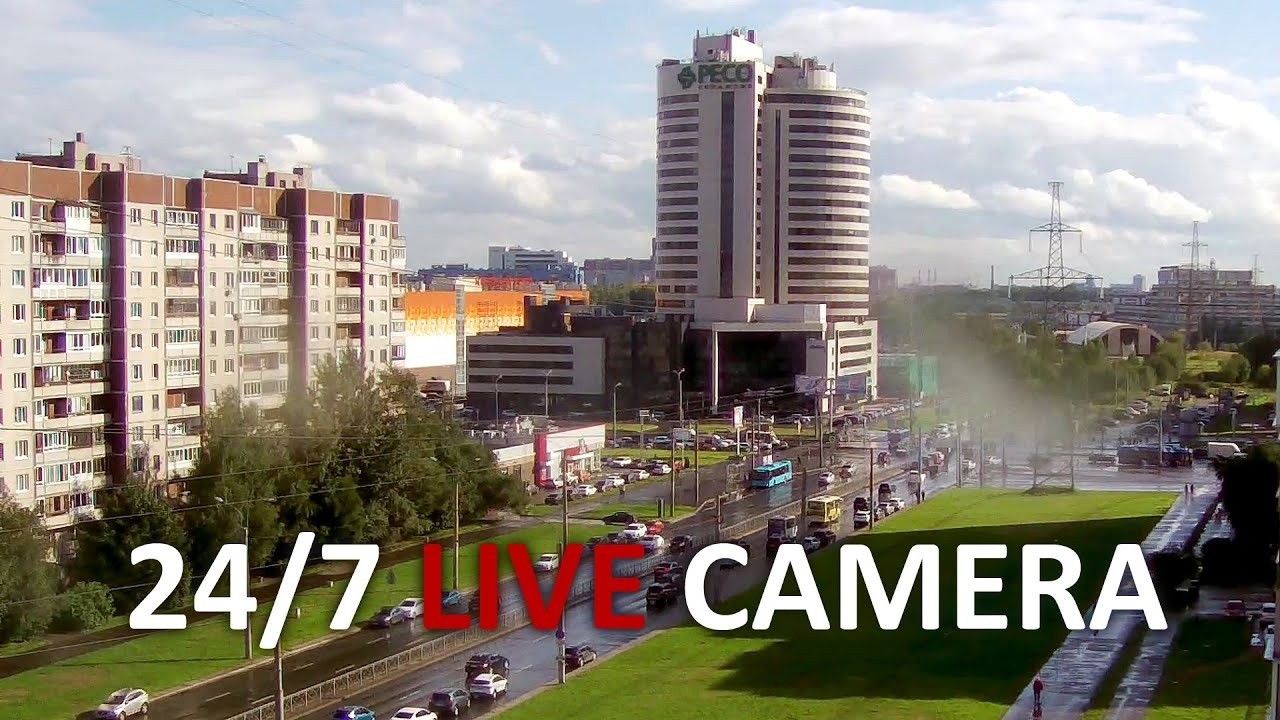
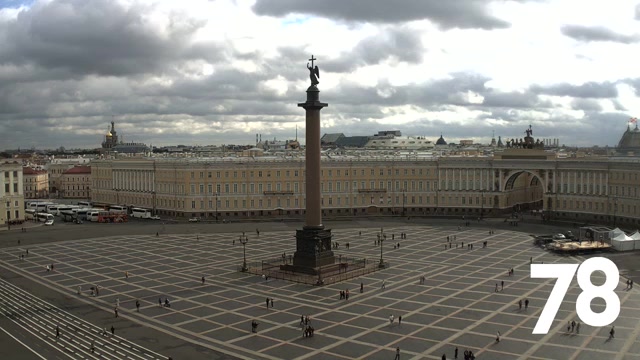
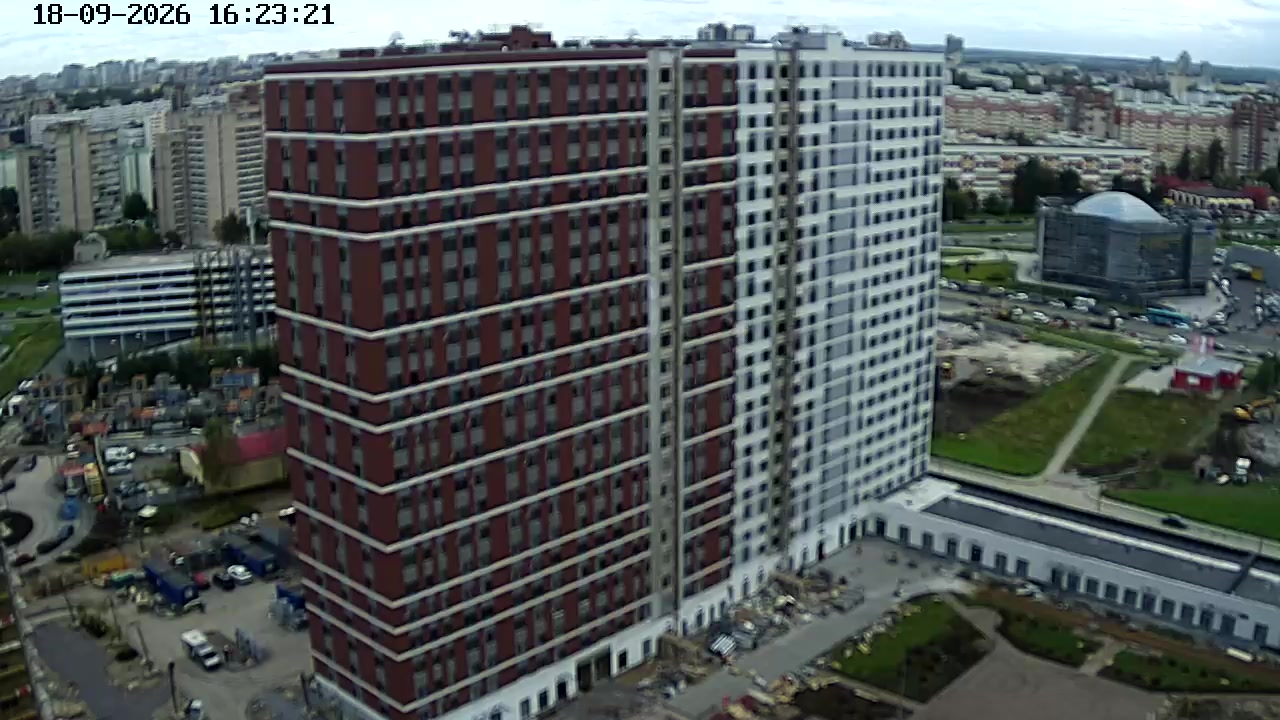
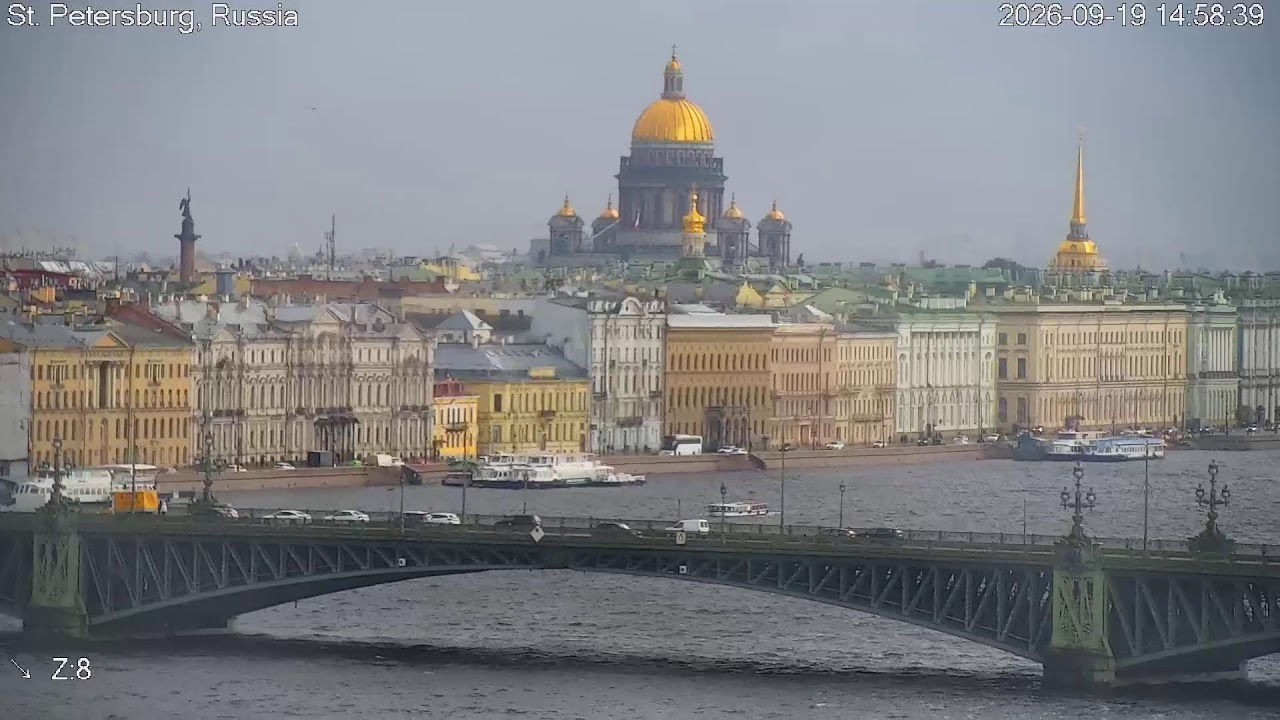
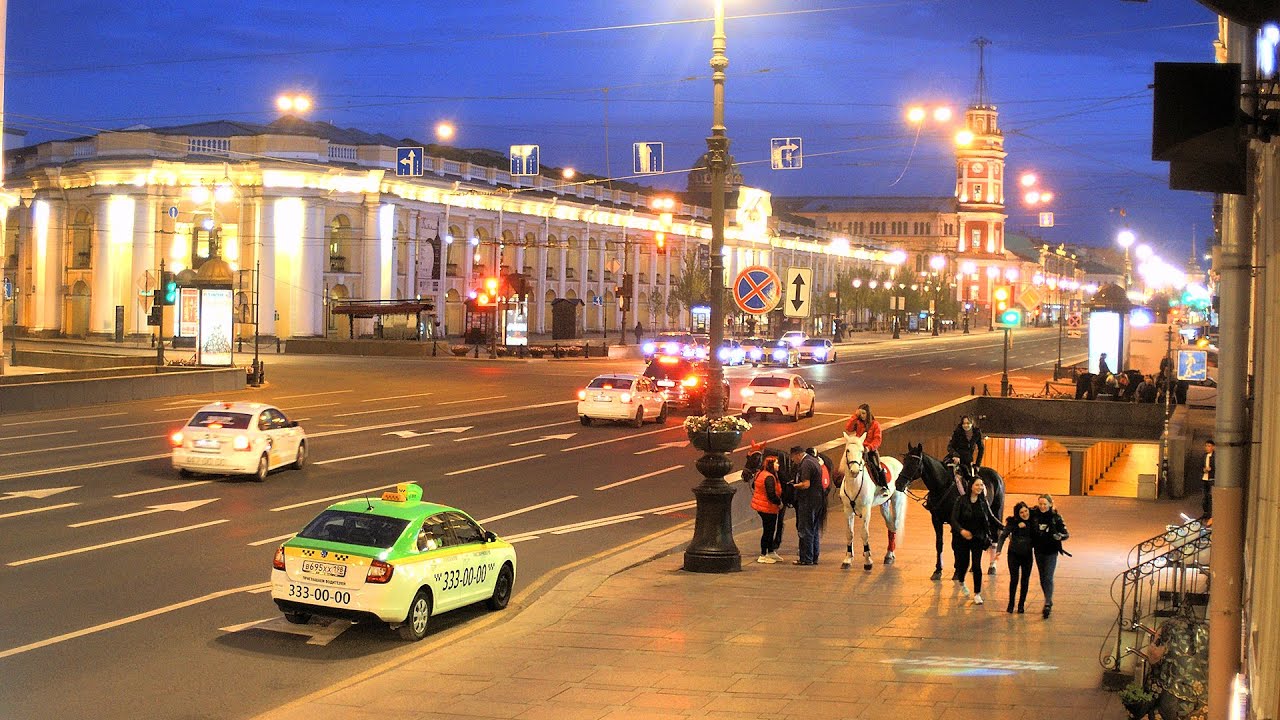
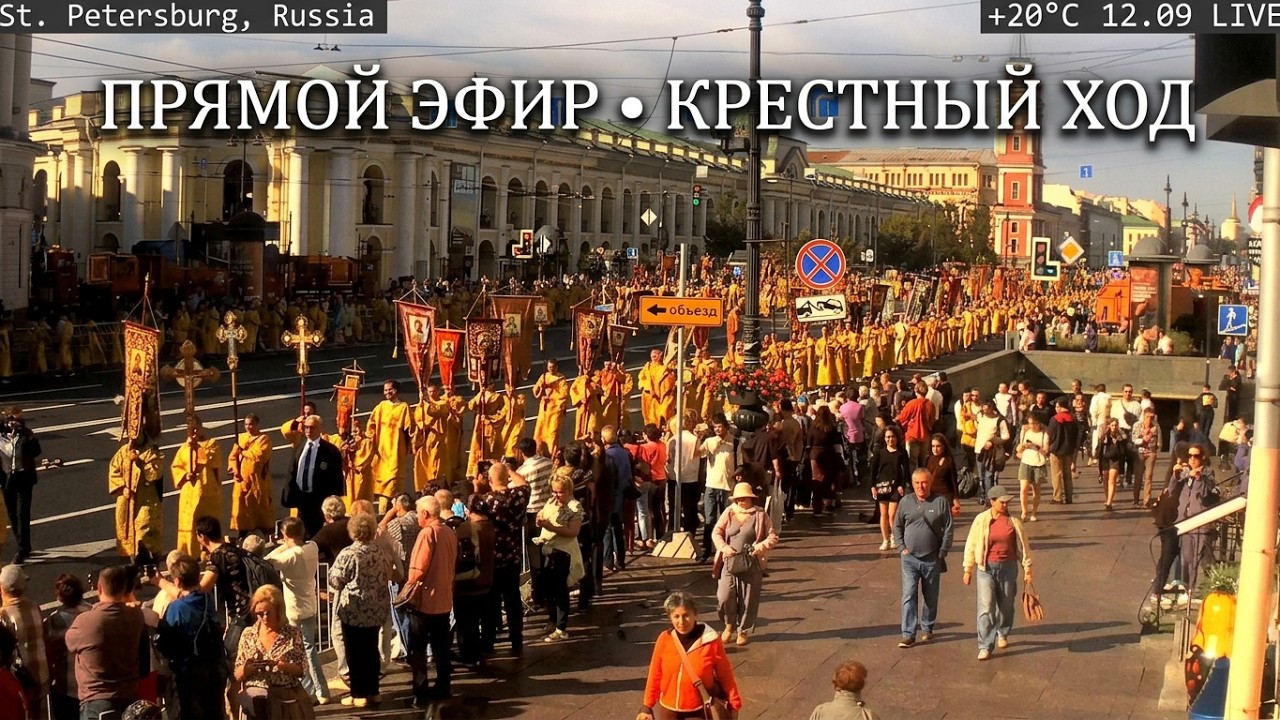
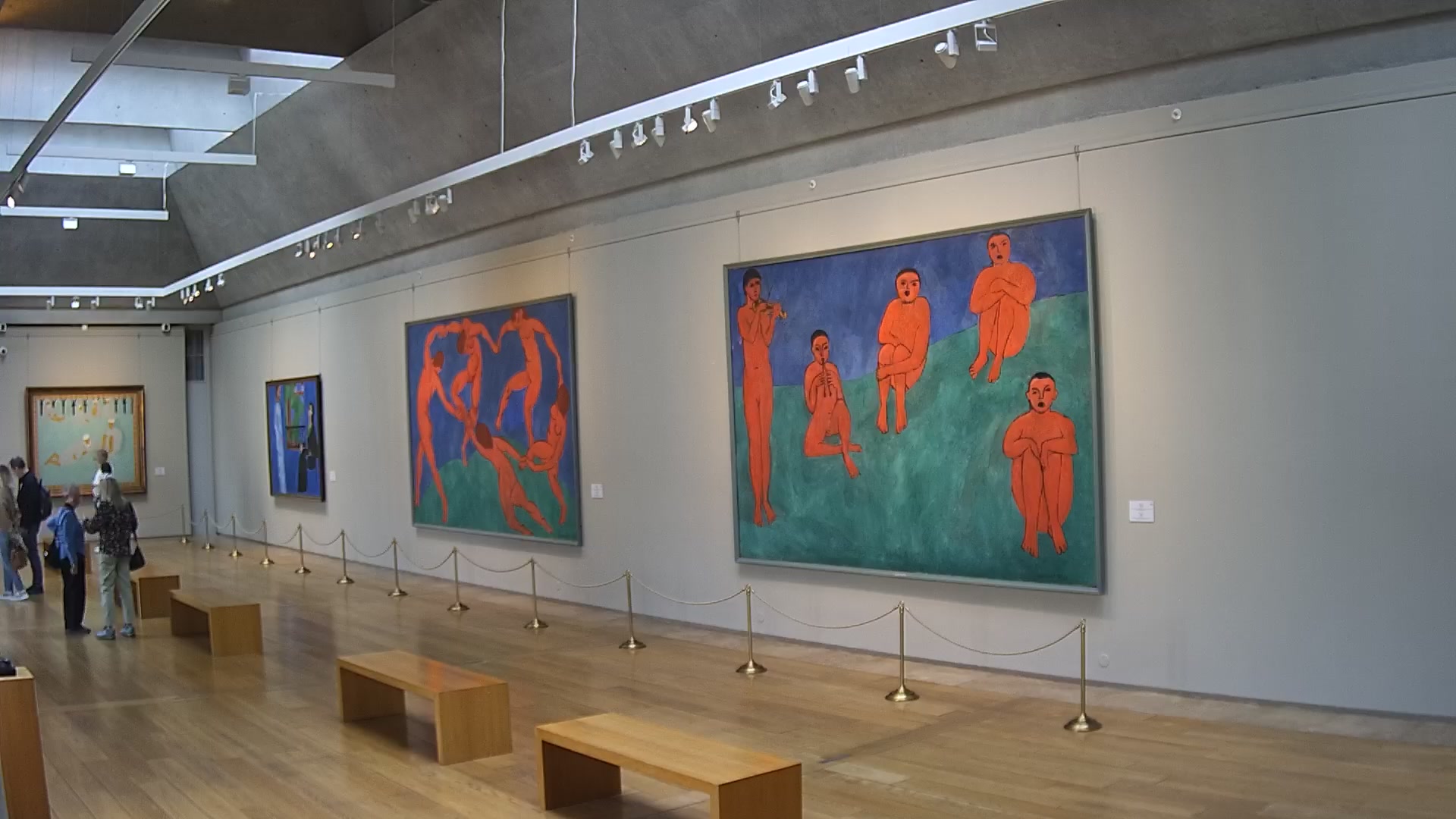
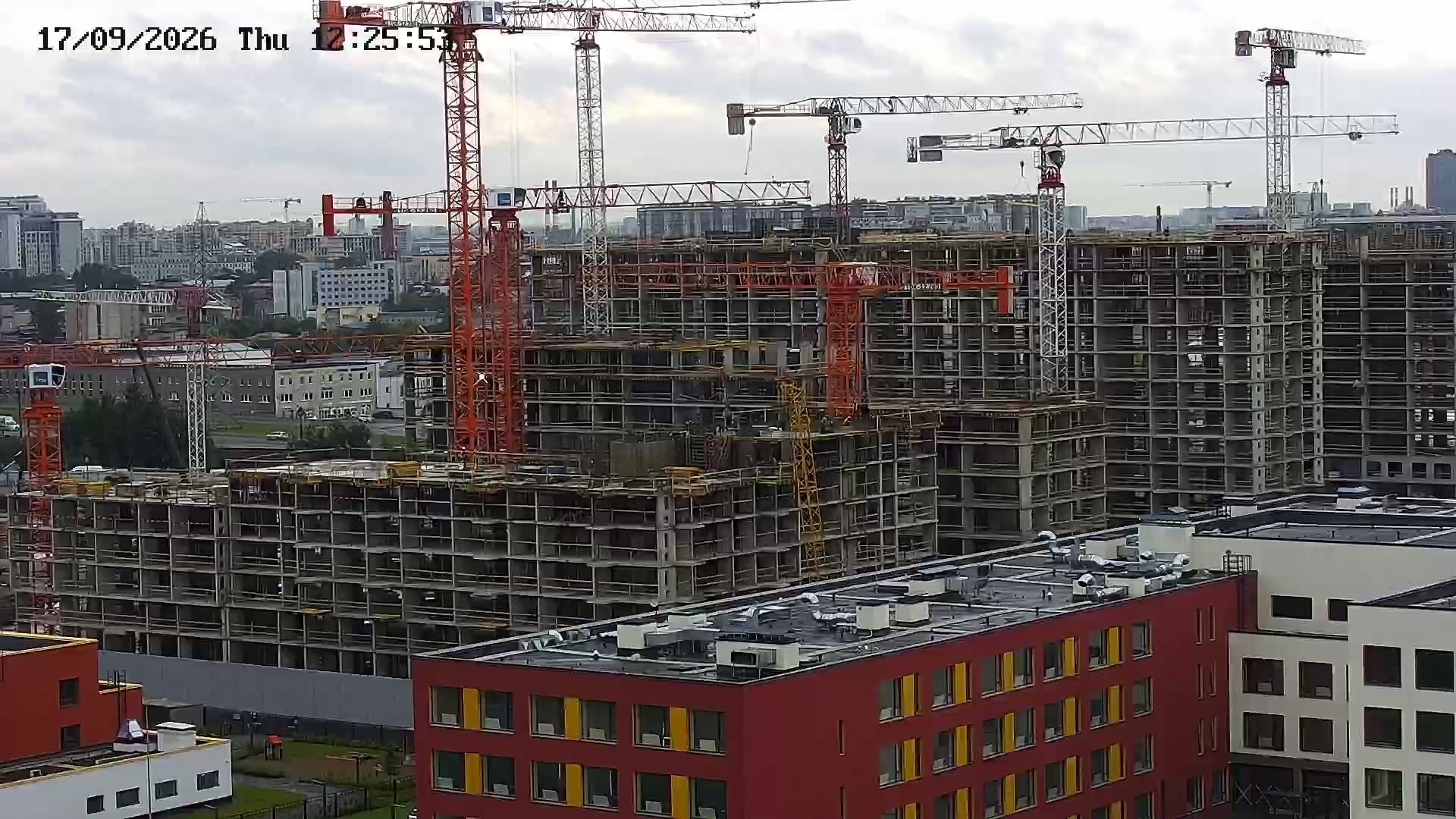
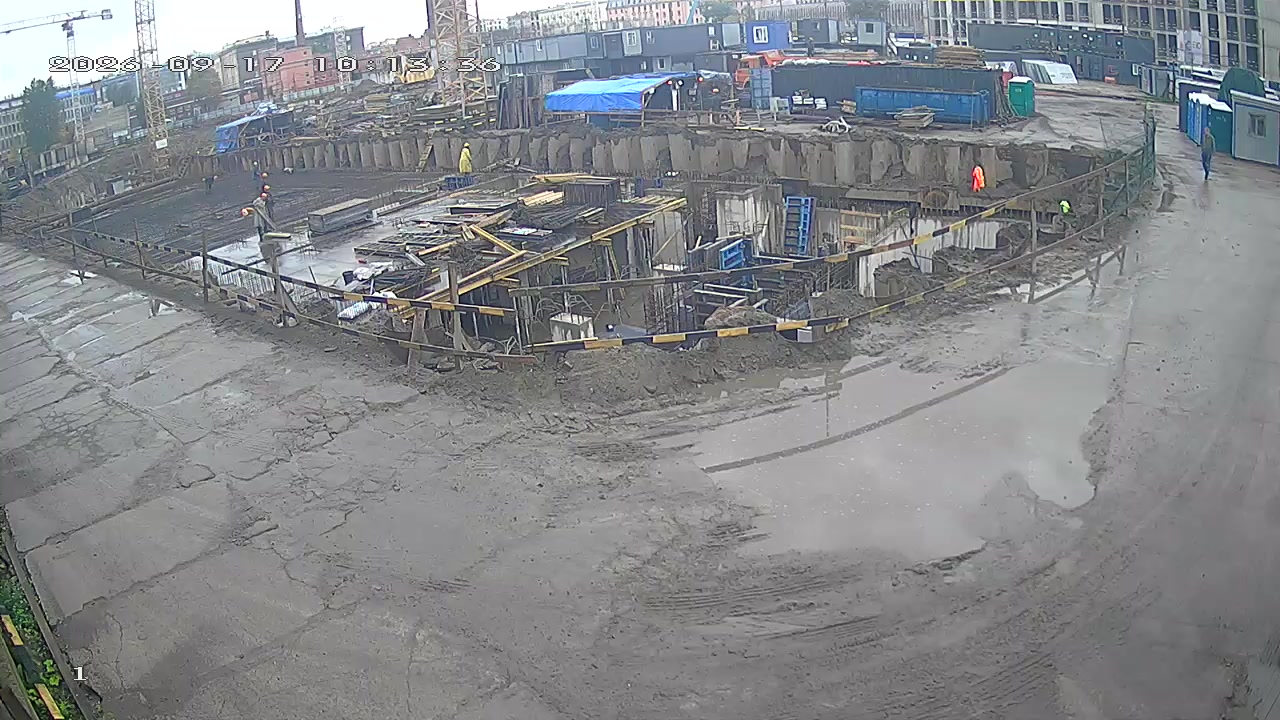
Saint Petersburg webcams cover key points of the city: Palace Square, Nevsky Prospekt, drawbridges, panoramas of the Neva, and the historic center. Cameras are installed on high-rise buildings and in public spaces, providing a real-time view. You can watch vessel traffic on the Neva, follow bridge raising at night, enjoy the White Nights, or simply explore the architecture of the Northern Capital from home. All broadcasts are available free of charge and without registration — choose the camera you're interested in and embark on a journey through Saint Petersburg right now.