

🏙️ Elyria Ohio web cameras online - watch in real time
1 cameras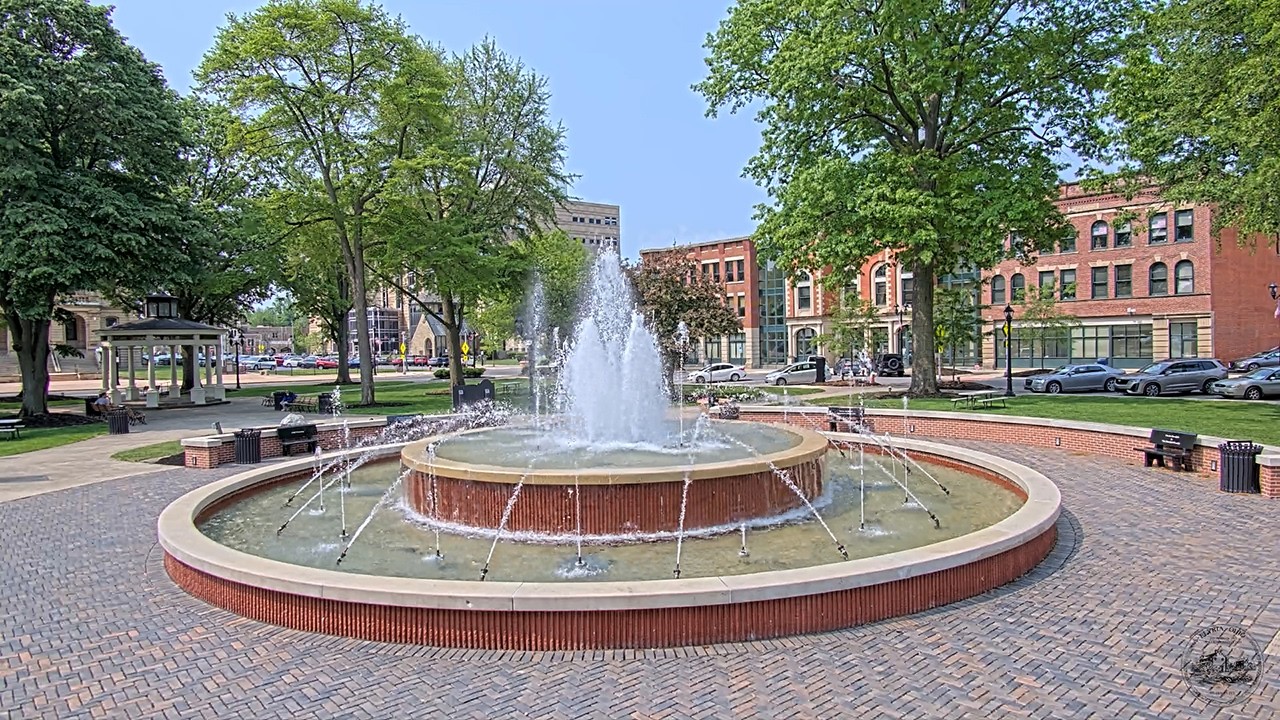
History of Elyria's founding and early years
Elyria is a city with rich historical roots, founded by entrepreneur Heman Ely. In March 1817, he purchased a 12,500-acre plot at the confluence of the Black River branches and built a log cabin, dam, gristmill, and sawmill. This was the beginning of not just a settlement, but a future commercial hub for the region. The early years of the city were closely tied to the development of the lumber industry and transportation. The city's name also has an interesting etymology: it comes from the founder's surname and the historical region of Illyria, which the ancient Greeks and Romans called the Adriatic coast. From the very beginning, Elyria was conceived as a major trading center, and an annual wool buyers' fair was held on historic Broad Street, which still retains its commercial significance. In the first decades of the 19th century, the city developed rapidly, transforming from a primitive sawmill into a full-fledged settlement with infrastructure.
Geographical location and climate features
Elyria is located in the northeastern part of Ohio, in Lorain County, and serves as its county seat. The city is just 23 miles southwest of Cleveland and 30 miles from the shore of Lake Erie, which distinguishes it favorably from many other settlements in the region. Its location at the intersection of natural and trade routes made Elyria an important hub. Thanks to its proximity to Lake Erie, the city has a unique microclimate: the lake is the shallowest, warmest, and southernmost of the Great Lakes of North America, which influences weather conditions in the surrounding area. Water resources play a key role in the life of the region, determining the landscape, character of rivers, and even the economic opportunities of the city.
Nature and parks of the city
One of the main natural attractions of Elyria is Cascade Park — a large natural area of 145 acres located in the city center. The Black River, which surrounds the city, forms characteristic waterfalls in the park, creating a picturesque landscape. The natural area of Cascade Park is a place of power and attraction for local residents. The park is especially popular for the opportunity to observe wildlife and enjoy walks along the riverbed. Near Cascade Park is Elywood Park, which is also connected to Cascade Park by a suspension footbridge. This area attracts bird lovers and hiking enthusiasts, offering peaceful walks among greenery and water. A historic site on the park's territory recalls the first contacts between Europeans and Native Americans in the region, where in 1755, 18-year-old James Smith was captured, whose story became one of the early records of interaction between different cultures in these places.
Demographics and modern development
According to the 2020 census, Elyria's population is 65,211, making it the ninth-largest city in Ohio and the third-largest in the Greater Cleveland region. Elyria is the largest city in its county, which gives it the status of a social, economic, and cultural center for the surrounding areas. In recent decades, the city continues to develop, maintaining a balance between historical heritage and modern requirements. The historic commercial street Broad Street is still alive, supporting economic activity, and architectural structures from that time remind us of how Elyria was formed in the first centuries of its existence.
Industrial past and modern achievements
Elyria has experienced several periods of industrial development. In the 19th century, the oil boom of the 1860s made the city one of the first in Ohio to benefit from oil extraction. The oil boom became an important chapter in the city's history, opening new economic opportunities for local residents. Later, in 1903, the city began large-scale construction of a water supply system that pumped fresh water over a distance of more than 10 miles. This made Elyria an experimental model in the field of water supply and provided residents with quality drinking water long before most other settlements in the region. To this day, the architectural appearance of the city preserves traces of these eras: the county courthouse buildings and the former New York Central Railroad depot on Broad Street recall the railway history and urban planning traditions of the 19th and 20th centuries. The city's historical heritage is becoming increasingly valuable, attracting the attention of researchers and tourists.
What the cameras show in the city
Viewing street cameras in Elyria allows you to follow the city's atmosphere in real time, observe traffic on historic Broad Street, assess the condition of natural areas along the Black River, and visit Cascade Park. Digital broadcasts make the city accessible for observation from anywhere in the world, preserving a vivid picture of its streets, parks, and natural features.