

🏙️ Choptank Webcams Online — Watch the City in Real Time
1 cameras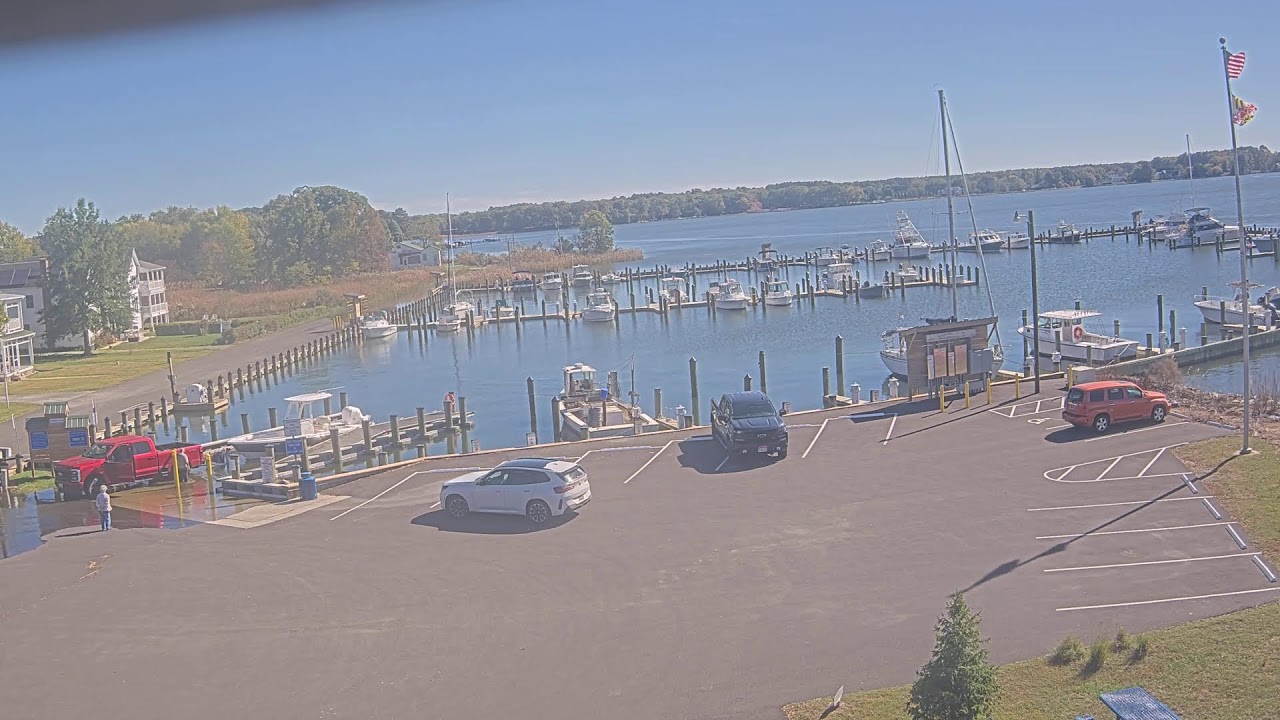
About Choptank on Maryland's Eastern Shore
Choptank is a small community located on the shore of a major estuary in the state of Maryland. This town is listed as a census-designated place in the eastern part of the state. Administratively, it belongs to Caroline County and holds a special place on the Delmarva Peninsula. The settlement takes its name from the Choptank River, which is the largest tributary of the Chesapeake Bay and the largest river on this peninsula. The river's length is 71 miles (about 114 kilometers).
The climate and natural conditions of the region are shaped by the influence of this major waterway. Tides are constantly at work here, making the Chesapeake Bay waters some of the most active in the eastern United States. Choptank preserves the historical atmosphere characteristic of rural settlements in this state and attracts those interested in American heritage and the nature of the East Coast.
How the Modern Settlement Was Formed
The historical roots of Choptank go back to the 17th century. For several decades, this region remained home to local Native American tribes. By the late 17th century, the Nanticoke and Choptank peoples were the only Native American communities that had survived to that time on Maryland's Eastern Shore. They endured numerous conflicts and contacts with European settlers who began arriving in the region simultaneously with the exploration of the Chesapeake Bay shores.
The name "Choptank" has deep roots in Algonquian languages. It is an anglicized version of the word "tshapetank," which was the name of the tribe that occupied territory along both banks of the river. An important historical feature of the region is that the Native American population underwent significant changes as a result of colonization. The arriving Europeans brought new diseases, complex conflicts over land rights, and a system of forced assimilation, which led to a substantial reduction in the local tribal populations. Choptank and its surroundings became part of the history of settler colonization of the Delmarva Peninsula and the subsequent transformation of the local ethnic landscape.
Life on the River Today
Choptank's geographical position is shaped by the influence of the Choptank River — the main waterway of the region. It is the largest tributary of the Chesapeake Bay, forming extensive estuarine areas. The river meets the marine coastline and creates an important natural landscape where fresh water mixes with salt water. The Chesapeake Bay coastline is known for its high ecological significance and the diversity of living organisms inhabiting the aquatic environment and shores.
The river and its coastal areas are significant not only for the region's ecosystem but also for historical memory. Here, at the place where the Choptank River flows into the bay, important historical events related to the exploration of the shores took place. Along the river's course, there is a system of historical sites and nature preserves that attract tourists and researchers of American regional history.
Attractions and Surroundings
In close proximity to Choptank, there are a number of significant historical and natural sites. A special place is occupied by the Choptank River Lighthouse, which has been restored in modern form on the grounds of Long Wharf Park in Cambridge. This white lighthouse, which has become a symbol of the bay, recalls the maritime history of the region. The architectural features of the lighthouse are typical of Chesapeake Bay Lighthouses — a small square tower with white and red stripes, mounted on a pier. In the vicinity of the river, there is also the Maryland Steamboat Wharf historical complex, associated with important events in the history of Maryland's Eastern Shore. This site is actively used for studying the history of slavery and freedom in the region, as well as for educational programs on preserving historical memory. In nearby Denton, the Choptank River Heritage Center is located on the waterfront, housing exhibits that tell the story of life in the region over the centuries.
The nature around Choptank preserves rich biological potential. On the river's coast is the Black Walnut Point nature preserve, covering about 53 acres — a space where fresh river water meets the salt water of the bay. This area is excellent for observing the diverse species of birds and plants characteristic of the eastern United States. In close proximity is the Blackwater National Wildlife Refuge, which is an important natural area for preserving the diversity of local fauna and flora. In the town of Williston, located in the same county, stands the historic Potter Hall house — an architectural monument in the Federal style, built in the early 19th century in three sections and characterized by the classical features of the dominant architectural movement of that time. The building is distinguished by the preservation of its details and provides insight into the daily life and architecture of the region in the 19th century.
Architectural Features of the Region
Choptank and its surroundings are characterized by unique architectural features that reflect the history and climatic conditions of the region. Choptank cottages are one of the distinctive features of this part of Maryland. They are distinguished by spacious living rooms, high ceilings, and special window openings that provide optimal sunlight in summer and protection from winter cold. Such homes were created for families engaged in farming and fishing, and reflect adaptation to coastal zone conditions. In general, the buildings of the region demonstrate a striving for practicality, heat retention, and moisture protection, which is characteristic of homes on Maryland's Eastern Shore.
Historical studies of the architectural heritage of Dorchester County, "Between the Nanticoke and the Choptank" (1984), describe in detail the buildings of this region and trace the development of architectural styles. In museums located in the surrounding area, you can learn about life in Caroline County and how the urban development and construction of coastal areas changed over the centuries. The combination of historical sites, nature preserves, and local buildings makes this area attractive for researchers, history enthusiasts, and those interested in the American heritage of the East Coast.
Things to Do Around Choptank
The Choptank area offers diverse opportunities for active recreation and exploring local nature. The Chesapeake Bay coastline and adjacent natural areas serve as ideal places for bird watching, beach walks, and studying the unique estuarine ecosystem. Fishing in the river and bay waters is a traditional activity for local residents and visitors to the region. Many tourists choose fishing in Choptank's waters due to the abundance of fish and the convenience of shelter spots.
Historical sites, such as the restored lighthouse and heritage centers, provide an opportunity to connect with history. In Denton and Williston, you can explore preserved historic homes, museums, and other buildings that serve as reminders of the region's former glory. Gardens and parks located along the coastline become places for picnicking, watching the sea sunset, and active outdoor recreation. Visitors can also visit local farmers' markets and shops, try local cuisine rich in seafood and traditional Maryland dishes. The region is famous for its oysters and other delicacies that attract gourmets from across the country.