

🏙️ Webcams of Madrigal de las Altas Torres online — live broadcast
1 cameras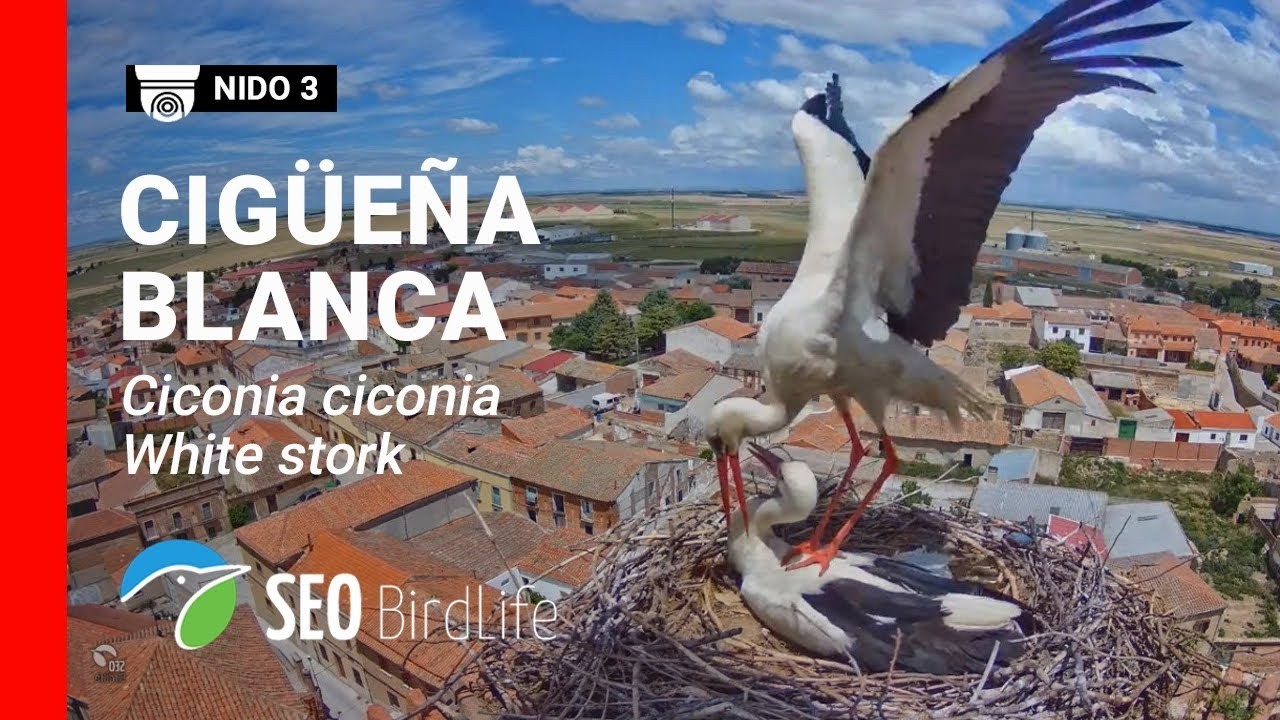
Fortress town on the Castilian plain
Madrigal de las Altas Torres is one of those Spanish cities whose history is literally laid out in stone by medieval walls. Located in the province of Avila, in the heart of the autonomous community of Castile and Leon, this settlement has preserved the appearance of a real fortress, built not on a hill, as is customary in Spain, but on a flat plain. This feature explains its powerful defensive architecture — there was no natural relief advantage here, so protection was created exclusively by human hands. Madrigal de las Altas Torres is one of the few medieval fortresses in Spain built not on a hill but on a plain.
The city's name speaks for itself: "Altas Torres" translates as "high towers." And although the exact etymology of this toponym has not been fully established, the fact that there were many towers is confirmed by archaeological data. The city wall of Madrigal de las Altas Torres once numbered from 60 to 80 towers — a grand defensive belt for a settlement of this size. To this day, 23 towers have survived — square or pentagonal in plan, as well as several sections of the wall and four gates: Arevalo, Medina, Peñaranda, and Cantalapiedra. Preserved elements of the fortress appearance: 23 towers, wall sections, and four gates.
The best-preserved section is the southern part of the wall, stretching from Puerta de Arevalo through Peñaranda — this is the largest surviving section of the city's defensive system. The southern part of the wall is the best-preserved section of the defensive system. Walking along these walls, one can imagine what the city looked like in its heyday — powerful, impregnable, controlling the trade routes of the Castilian Meseta.
Plaza de San Nicolas: the heart of the medieval city
The main square of Madrigal de las Altas Torres — Plaza de San Nicolas — is a space where the city's public life has been concentrated for centuries. Here stand the Church of San Nicolas de Bari, the town hall building, and a structure that once served as a royal prison. Porticoes and shields with coats of arms surround the square, creating the atmosphere of a typical Castilian medieval settlement. On Plaza de San Nicolas stand the church, town hall, and former royal prison.
15 meters from the former royal prison, built in 1443, is the Royal Hospital of the Immaculate Conception (Real Hospital de la Purísima Concepción), also built in 1443. It is located on Plaza del Cristo. The Royal Hospital was built in 1443, 15 meters from the prison. These two buildings — the prison and the hospital — stand so close to each other that they create a remarkable architectural ensemble, reminiscent of the complex social structure of medieval Spain, where mercy and punishment often coexisted.
Architectural heritage: from defense to mercy
Madrigal de las Altas Torres is a city where every stone preserves the memory of the past. The surviving 23 towers are not just ruins but full-fledged defensive structures of square or pentagonal section that once stood guard. Four gates — Arevalo, Medina, Peñaranda, and Cantalapiedra — served as controlled entrances to the city, regulating the flow of merchants, travelers, and troops.
The city wall, despite the loss of a significant number of towers, still dominates the silhouette of Madrigal de las Altas Torres. Its fragments can be seen in different parts of the historic center, and the southern section represents the most intact fragment of medieval fortification. For those interested in the military history of Spain, this city is of particular interest as an example of a plain fortress — a rare type for the Iberian Peninsula.
Castilian cuisine and gastronomic traditions
The restaurants of Madrigal de las Altas Torres offer guests the chance to discover the authentic cuisine of Castile and Leon — one of the most distinctive in Spain. The region is famous for its meat dishes: roast lamb (asado) is cooked in wood-fired ovens until crispy, chorizo and blood sausage (morcilla) add richness and characteristic flavor to the table. Lentils with bacon — a simple yet surprisingly aromatic dish that has been cooked here for generations.
Castilian soup (sopa de ajo) is another traditional dish, perfect for cool evenings on the plain. For dessert, cookies are served according to recipes from local monasteries — a sweet heritage of monastic communities that for centuries have defined the gastronomic character of the region. In Madrigal de las Altas Torres, you can try all these dishes in an atmosphere where medieval walls serve as the backdrop for dinner.
Feast of Saint Agatha: Women's Day in Castile
The Day of Saint Agatha, celebrated on February 5, takes on special significance in Madrigal de las Altas Torres — it is practically equated with Women's Day. On this day, water, bread, and salt are blessed in church to protect the home from evil. The tradition of blessing bread and salt is not just a religious rite but also a way to bless the hearth and protect the family from adversity for the entire coming year.
This holiday reminds us how deeply folk customs intertwined with the Catholic calendar are rooted in the Castilian province. In a small city where everyone knows each other, such days become an occasion for communal celebration, when streets fill with residents and churches with parishioners who have come for blessing and protection.
Surrounding landscape: the plains of Old Castile
Madrigal de las Altas Torres is located in the province of Avila, in the autonomous community of Castile and Leon — the historical region of Old Castile. The city is located in the province of Avila, in the historical region of Old Castile. The surrounding landscape is the flat Castilian steppe known as la Meseta. Endless fields crossed by rare roads create a feeling of spaciousness and at the same time isolation — this is the view that opened up to travelers for centuries.
The flat terrain explains why the city needed such a powerful defense system: there were no natural barriers in the form of mountains or ravines that could be used for protection. The entire defensive strategy was based on artificial structures — walls, towers, gates. Today, this flat landscape creates ideal conditions for observing the city: from any point in the historic center, panoramic views of the surrounding fields open up.
How webcams reveal the atmosphere of the city
Modern technology allows you to feel the rhythm of life in Madrigal de las Altas Torres without leaving home. The city's webcams broadcast live from its streets, squares, and surroundings, allowing you to see how the sun illuminates the medieval walls, how locals walk through the main Plaza de San Nicolas, how the light changes on the Castilian plain throughout the day.
The online broadcast from Madrigal de las Altas Torres is an opportunity to appreciate the scale of the preserved fortification, examine the architectural details of the towers and gates, and feel the atmosphere of a provincial Spanish city where time flows slower than in megacities. Cameras installed in the central part show the everyday life of the fortress city, which over the centuries remains true to its traditions.
What the cameras show in the city
This section collects the webcams of Madrigal de las Altas Torres available for real-time viewing. The cameras are installed at key points in the city: on the main Plaza de San Nicolas, near the preserved sections of the city wall, in the historic center area. The broadcast is live, allowing you to observe the life of the fortress city at any time of day.
Select a camera to see Madrigal de las Altas Torres online: medieval towers, quiet streets, the plains of Old Castile — all of this is available for viewing right now. The city's webcams operate in real time, opening a window into a world where history meets modernity.