

🏙️ Ebro Delta webcams online — watch nature and beaches in real time
1 cameras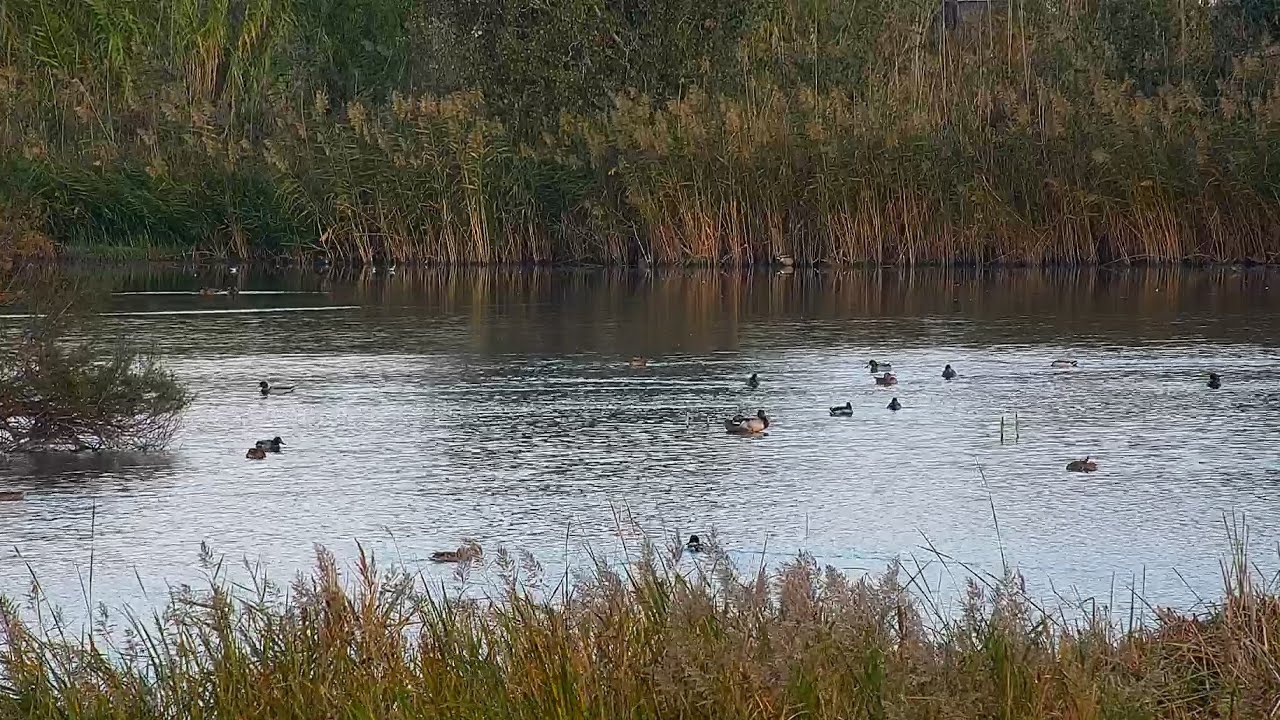
Where the Ebro Delta is and why this place is unique
On the southern coast of Catalonia, where the majestic Ebro River meets the Mediterranean Sea, lies one of the most remarkable landscape gems of the western Mediterranean. The Ebro Delta is the largest wetland in Catalonia, covering an area of about 320 sq. km, which is also listed as a Wetland of International Importance under the Ramsar Convention. This is a place where fresh river water mixes with marine salt, where endless rice fields alternate with lagoons and sandy spits, and where the sky is almost always adorned with flocks of birds. For those who want to see this beauty, a great way is Ebro Delta webcams online — they allow you to observe the life of this amazing corner of Spain at any time of day.
Three waters that create life
The reason the Ebro Delta attracts naturalists from around the world lies in its hydrological uniqueness. Three types of water meet here: fresh water from the Ebro River, brackish water in the lagoons, and salt water from the Mediterranean Sea. This intersection creates exceptional biodiversity that cannot be found anywhere else on the coast. Depending on the season and tides, the boundaries between these environments shift, forming a mosaic of habitats. In the salt lagoons, which are called albuferas here, brine shrimp (artemia) concentrate — the foundation of the food chain for dozens of species of waterfowl.
Flamingos and a bird paradise
If you've ever wondered why pink flamingos chose this particular place, the answer is simple: these birds live in the delta thanks to the abundance of salt lagoons, where artemia — the main food source that gives their plumage its pink color — thrive in large numbers. Flocks of flamingos have become the symbol of the Ebro Delta, and watching them is a special pleasure. But flamingos are only part of the region's avian wealth. The delta is called a "bird paradise" as it serves as a key nesting, wintering, and stopover site on the migration route for more than 300 bird species. Herons, cormorants, red-breasted geese, bearded tits, birds of prey — ornithologists and nature lovers come here for unforgettable observations.
Rice fields: the gold of the delta
The landscape of the Ebro Delta is unimaginable without its famous rice fields, which occupy a significant part of the territory. Rice fields began to be actively developed in the early 20th century, and large-scale irrigation projects in the 1960s turned the region into one of the largest rice-growing centers in Spain, where rice occupies about 65% of the delta's territory. During the flooding period, the fields turn into giant mirrors reflecting the sky, and during harvest season — into a golden sea of ears. Local rice of the bomba and bahia varieties is renowned for its culinary qualities and is the foundation of Catalan paella. Ebro Delta webcams allow you to observe how the landscape of the fields changes with the season — from the mirror-like surface of water to green shoots and golden harvest.
How the river created the land and how humans are changing it
The Ebro River delta is a geological monument to patience. For millennia, the powerful deposits of silt and sand that the river carried from the Pyrenees and the Cantabrian Mountains formed this fertile plain, reclaiming territory from the sea. However, in the 20th century, everything changed. The construction of the massive Mequinenza and Ribarroja dams diverted about 99% of sediment, causing the delta to begin retreating under the onslaught of the sea. Today, the coastline is eroding, sandy spits are shrinking, and salt waters are penetrating further inland. This is a quiet battle between the river and the sea, in which humans have inadvertently sided with the ocean. Observing this process through webcams means seeing how the face of the earth changes before our eyes.
Traditions and culture of coastal villages
Life in the Ebro Delta has always been inseparably linked to water. The traditions of local residents were built for centuries around fishing for eels, mullet, and shellfish gathering, and today the main cultural tradition has become rice cultivation, accompanied by annual festivals dedicated to the sowing cycle. In villages like Sant Carles de la Ràpita, Deltebre, and Amposta, you can still see fishing boats called "flautes" — flat-bottomed vessels specially adapted for navigating shallow lagoons. Local cuisine is a symbiosis of the sea and rice fields: black rice with cuttlefish, eel in sweet sauce, grilled mullet, and, of course, the famous paella. Every September, rice festivals are held in the delta, where locals honor their main crop.
Beaches, lagoons and wild nature
In addition to rice fields and bird habitats, the Ebro Delta is famous for its beaches. The sandy spits of Punta de la Banya and Els Eucaliptus separate the open sea from calm bays, creating ideal conditions for swimming with children. Lagoons — L'Alfabet, El Fonduc, La Tancat — attract windsurfing and kayaking enthusiasts. The Delta de l'Ebre Natural Park offers cycling routes where you can encounter turtles, otters, and countless birds. For those planning a trip, Ebro Delta webcams online are a great way to assess the weather and atmosphere on the coast in advance.
A culinary journey through the delta
The gastronomy of the Ebro Delta deserves a special mention. Local rice is not just an agricultural crop, but the foundation of the region's identity. Varieties are grown here that are ideal for paella, arròs negre (black rice), and rice cooked in a casserole. The fish markets of Sant Carles de la Ràpita offer eel, mullet, shrimp, and shellfish caught just hours ago. Wine from the neighboring Tarragona region with its designated origin perfectly complements local dishes. And desserts — flan de arròs (rice pudding) and bunyols made with rice flour — complete the culinary journey through this generous land.
What the cameras show
This page features Ebro Delta webcams that allow you to observe the life of this amazing region in real time. You can watch live streams with views of lagoons where flamingos feed, rice fields that change color with the seasons, sandy beaches, and fishing harbors. Ebro Delta webcams are a window into a world where nature and humans have been creating a unique landscape for centuries. Choose the stream you're interested in and enjoy the beauty of one of the most valuable wetlands in the Mediterranean.