

🏙️ Belgrade Webcams Online — Watch the Serbian Capital in Real Time
14 cameras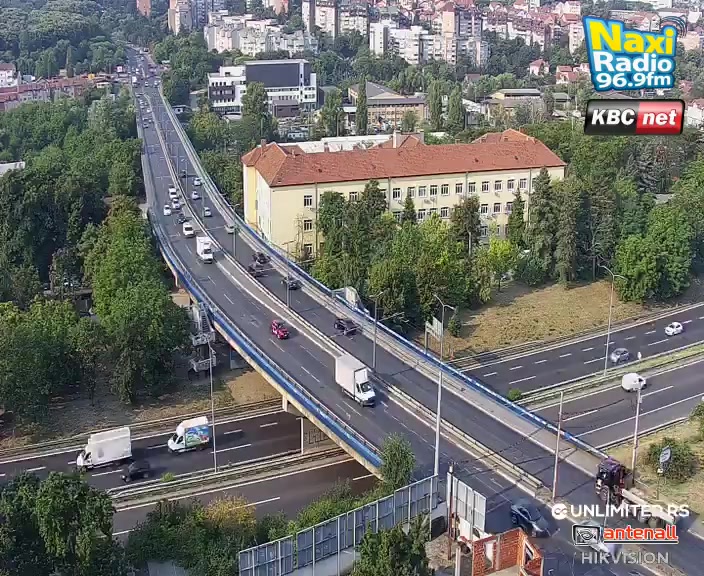
Belgrade — A City at the Crossroads of Civilizations
The Serbian capital stands where the Sava flows into the Danube, and this place has been attracting people for more than two millennia. Belgrade is one of the oldest cities in Europe, with a history spanning more than two thousand years, ruled in turn by Romans, Byzantines, Ottoman Turks, and other empires. Each era has left its mark on the city's architecture and atmosphere, turning it into a true open-air museum. Today, Belgrade webcams online allow you to see this interweaving of cultures in real time — from Roman ruins to Ottoman mosques and Austrian mansions.
The city is divided by rivers into two fundamentally different parts: the historic Stari Grad on the right bank of the Sava and the planned Novi Beograd on the left. This duality creates an unforgettable contrast — cobblestone streets sit alongside broad avenues, and century-old parks stand next to concrete high-rises from the socialist era.
Kalemegdan: The Heart of the Serbian Capital
The Belgrade Fortress rises on a 125-meter hill at the confluence of two rivers, and this is perhaps the most symbolic place in all of Serbia. The name "Kalemegdan" comes from the Turkish words "kale" (fortress) and "meydan" (square); the Turks themselves called it Fikir-bayır — "the hill of contemplation." From here opens a panorama that is impossible to forget: the broad ribbon of the Danube, green islands, the roofs of the old city, and the endless plain of Bačka.
On the site of Kalemegdan in ancient times stood the fortifications of the Roman city of Singidunum — it was under this name that the future Serbian capital was first mentioned in historical sources. The first mention of the fortress dates back to the 3rd century BC, and since then this place has known no peace — it was destroyed and rebuilt dozens of times. Today, within the fortress walls lies a park with alleys, museums, monuments, and cozy cafes where locals come to watch the sunset.
Temple of Saint Sava: A Mosaic Sanctuary
Visible from any point in the city, this cathedral has dominated the Belgrade skyline for many years. The Temple of Saint Sava is one of the largest Orthodox cathedrals in Europe; its design was created at the end of the 19th century, construction began in 1935 and was completed only in the following century. Russian masters created unique mosaics here — the cathedral is called the "New Sophia," the largest and perhaps the most beautiful Orthodox church in Europe.
The decision to build the temple was made by the authorities of the Kingdom of Serbs, Croats, and Slovenes as early as 1894, but the construction was delayed by the Balkan War, World War I, and lengthy project approvals. The 70-meter-high dome is covered in gold leaf, and the interior can accommodate 10,000 people at once. In the evening, when the lights come on, the cathedral looks as if it is hovering above the city.
Skadarlija and the Bohemian Spirit of the Old Town
Descend from the Temple of Saint Sava along the cobblestone Skadarlija Street, and you'll find yourself in a completely different Belgrade. Skadarlija is "Belgrade's bohemian quarter", where famous Serbian writers, actors, and artists gathered. Today, it boasts the best traditional restaurants with live music, serving rakija and grilled meat amid vintage signs and flower beds.
This quarter is the perfect place to feel the pulse of the city: street musicians play Serbian melodies, artists display their works right on the pavement, and at the next table you might find local artists or tourists from distant countries. Belgrade webcams in this area convey the atmosphere of an eternal celebration that doesn't quiet down until late at night.
Zemun: An Austrian Flavor on the Danube
On the right bank of the Danube, at the confluence of the Sava, lies Zemun — a neighborhood that long lived its own life. Until 1934, Zemun was a separate city with its own history, distinct from that of Belgrade. The Romans founded the settlement of Taurunum here, and in the 12th century Zemun was rebuilt by the Hungarians — according to legend, from the stones of Belgrade's destroyed fortifications.
Today, Zemun has preserved the appearance of an Austrian provincial town: narrow streets, tiled roofs, Catholic churches and Orthodox churches side by side. The main attraction is the Millennium Tower atop Gardoš Hill, offering a view of all Belgrade. The Zemun embankment is a multi-kilometer promenade along the Danube, where "splavovi" — floating platforms with restaurants and bars — are moored. Locals come here at sunset to have coffee and watch the sun go down over the river.
New Belgrade: Socialist Architecture
Cross the bridge over the Sava, and you'll find yourself in a completely different world. New Belgrade was built on the left bank of the Sava; construction began on April 11, 1948. It is a planned city with wide avenues, concrete blocks, and spacious squares. Unlike the hilly "old" city, Novi Beograd sits on completely flat terrain.
The most recognizable building is the Genex Tower, known as the "Western Gate of Belgrade." This 35-story residential skyscraper stands on two supports and looks like a giant gateway through which one enters the city from the west. Today, New Belgrade is home to business centers, shopping complexes, and modern residential quarters, and Belgrade webcams online show the dynamic life of this district in real time.
Sava and Danube Embankments: Life by the Water
Waterfronts have always been a center of attraction in Belgrade. The Sava embankment stretches from Branko's Bridge to the Belgrade Fair; historically, the area was occupied by railway infrastructure near the Main Railway Station. Today, it is a trendy public space with the "Beton Hala" pavilion — a cultural center with exhibitions, where cafes and clubs on barges open in summer.
The first "Belgrade on the Water" was built by Russian émigrés, who fled revolutionary Russia. The modern "Belgrade on the Water" project is a large-scale reconstruction of the Sava embankment in the historic center, launched in 2014 with funding from Arab investors. The project includes office and luxury residential buildings, hotels, and shopping centers, transforming a former industrial zone into a prestigious quarter.
The Zemun embankment is a separate story. A multi-kilometer promenade along the Danube, where "splavovi" — floating platforms with restaurants and bars — are moored. This is a place of power for Belgraders: families walk here, people ride bicycles, greet dawn, and bid farewell to sunsets. Belgrade live stream from the embankments conveys this relaxed atmosphere of life by the great water.
Hotel Moskva and Other City Symbols
On Terazije Square stands a building known to every Belgrader — Hotel Moskva. Built in 1908 in Art Nouveau style, it became a symbol of Belgrade luxury. Hotel Moskva is the only hotel without an apartment numbered 13; during World War II, it housed the Gestapo headquarters. Today, its walls host a literary cafe where poetry is read and jazz is played in the evenings.
Belgrade is full of such contrasts: next to Ottoman baths are Austrian mansions, next to Orthodox churches are Catholic churches and a synagogue. This city never ceases to surprise even those who have visited dozens of times. And if you want to see all this with your own eyes without leaving home, Belgrade webcams are the perfect way to travel in real time.
What the Cameras Show
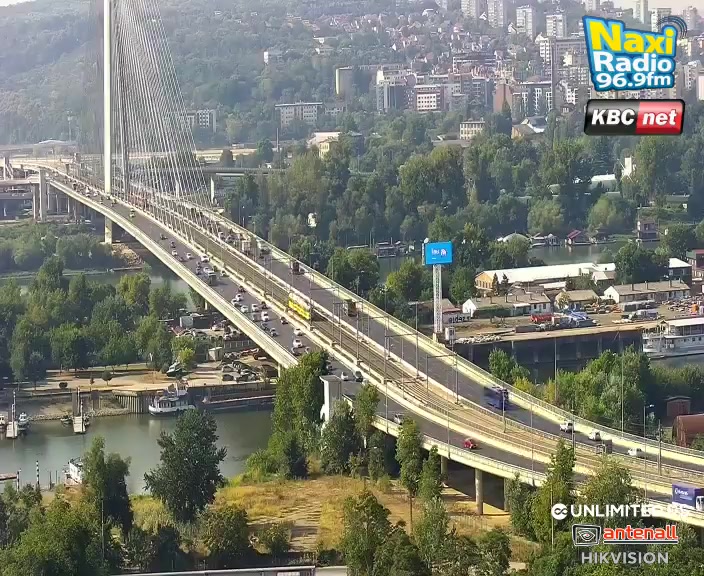
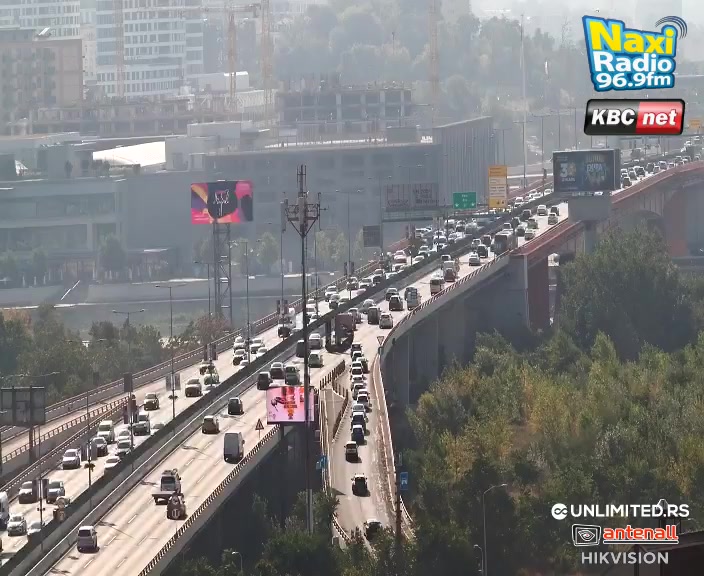
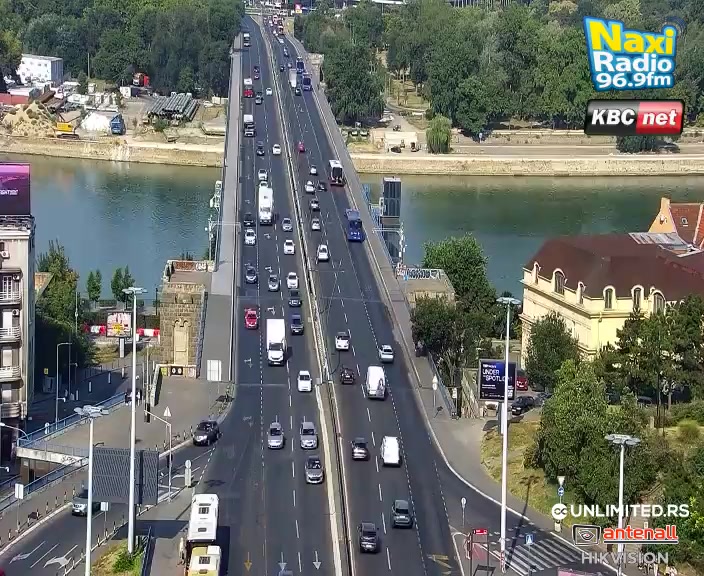
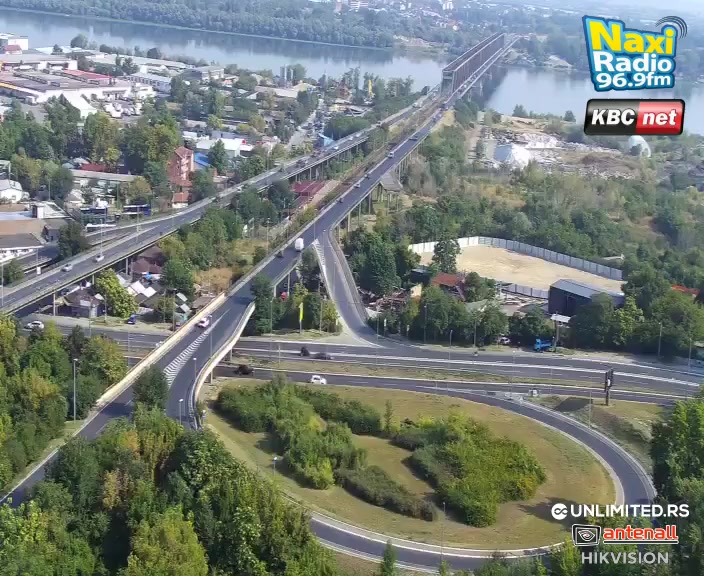
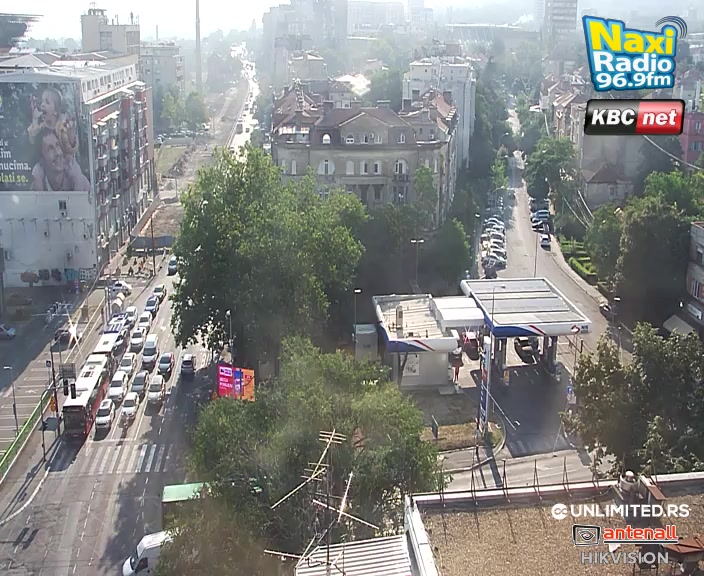
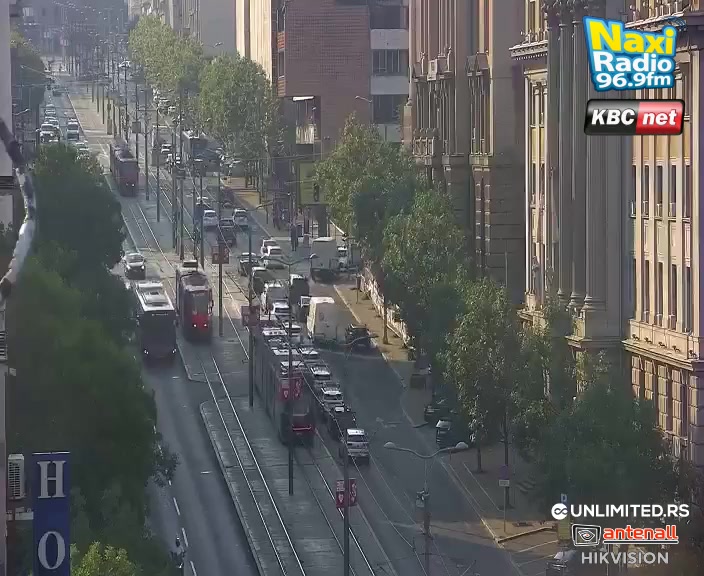
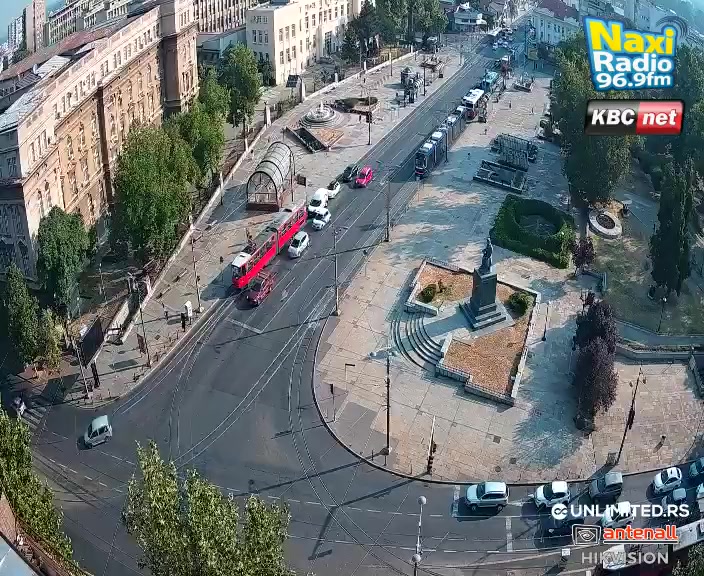
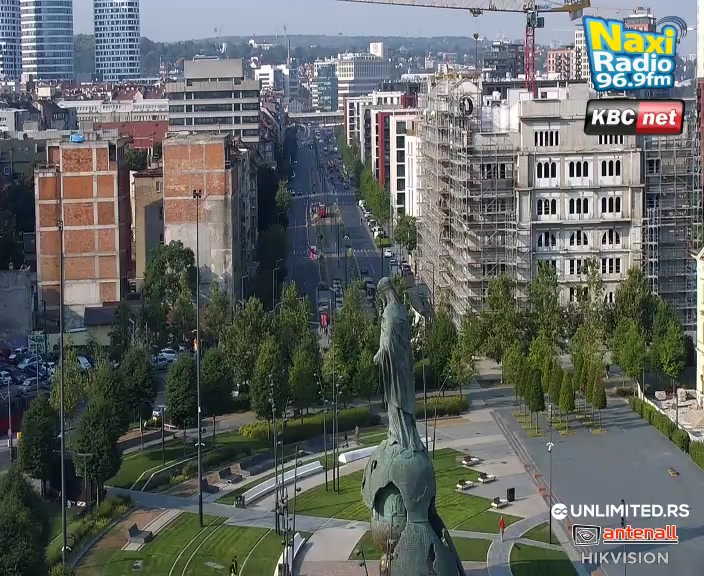
This page features Belgrade webcams covering key points of the Serbian capital. You can watch streams from Kalemegdan, where the fortress rises above the confluence of rivers, or observe life in Skadarlija — the bohemian quarter with restaurants and street musicians. Cameras at the Temple of Saint Sava show one of the largest Orthodox cathedrals in Europe with its golden dome, while streams from Zemun transport you to the atmosphere of an Austrian provincial town on the Danube.
For those interested in modern architecture, New Belgrade webcams are available, with its wide avenues and the Genex Tower. The Sava and Danube embankments are also under observation — you can follow the life of "splavovi" and the walks of city residents. All cameras operate in real time, allowing you to see Belgrade as it is right now: ancient and modern, bustling and cozy, Eastern and Western all at once.