

🏙️ Webcams Pavlovsk online — watch the city in real time
4 cameras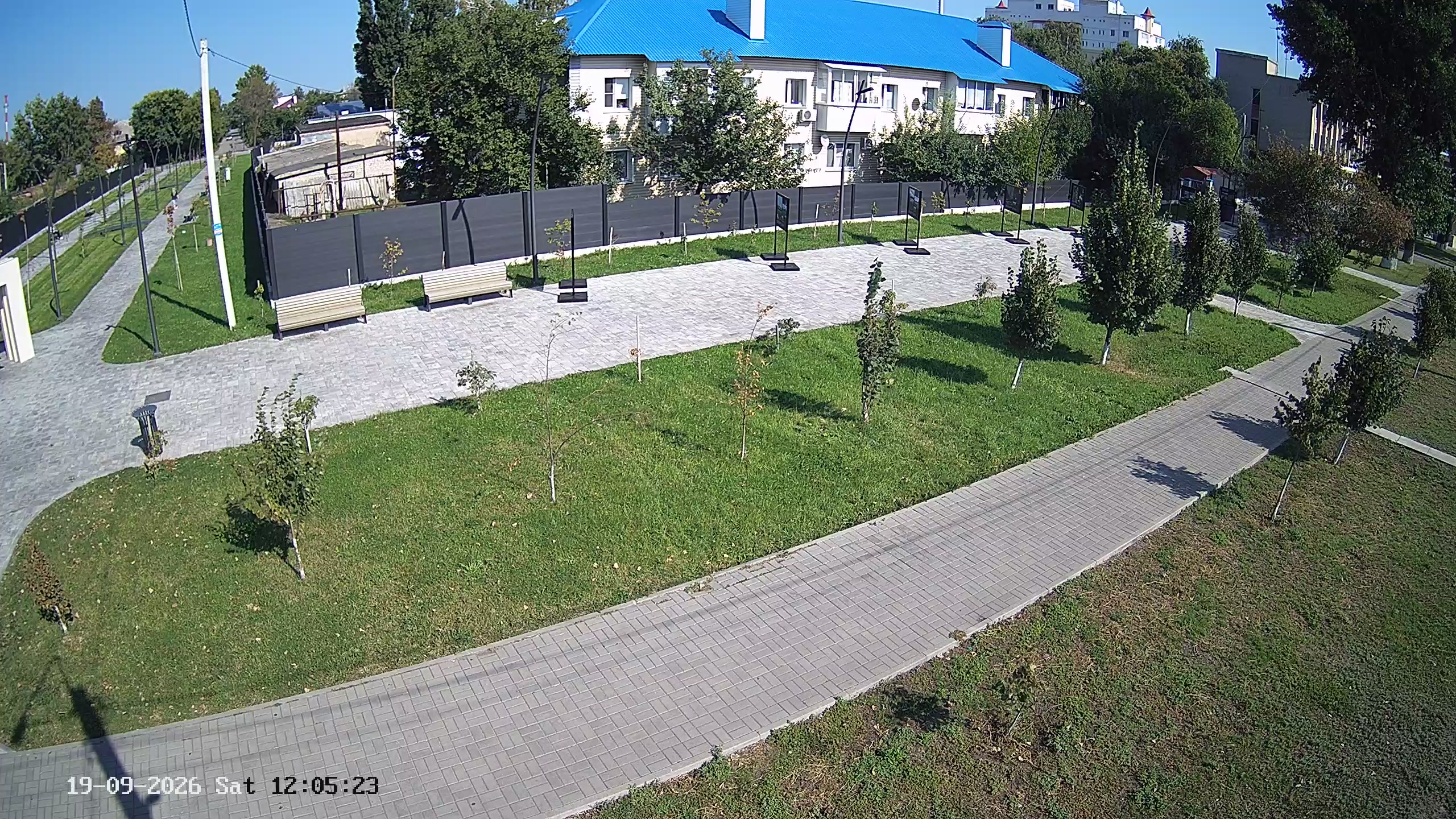
History of Pavlovsk: from shipyard to county town
On the banks of the Osered River, at its confluence with the Don, lies one of the oldest cities in Voronezh Oblast. Pavlovsk is about 70 years older than its northern namesake — Pavlovsk in Saint Petersburg and is included in the list of historical settlements of Russia. The southern city bears the imprint of three centuries, and its architectural appearance still preserves traces of former merchant grandeur.
It all began with ships. The Pavlovsk shipyard operated from 1709 to 1771 — just over six decades, during which ships were built here for the Azov Flotilla. Peter I, seeking to establish Russia's influence on the southern frontiers, personally selected locations for shipyards. The Osered and Don provided a convenient waterway, while the surrounding forests supplied building materials. When the need for the shipyard ceased, the settlement did not fade away but grew into a county town with its own trade, crafts, and characteristic architecture.
Today, Pavlovsk in Voronezh Oblast is a quiet southern town where time flows unhurriedly, and three-story merchant mansions stand alongside wooden houses with carved window frames. Pavlovsk webcams allow you to experience this atmosphere without leaving your home — simply choose a stream and watch the life of the historic town in real time.
Architectural heritage: churches and merchant houses
The dominant feature of Pavlovsk is the Transfiguration Cathedral, built in 1786 after a wooden church on this site burned down. The stone church with a bell tower and tower clock became the spiritual center of the city and one of the oldest monuments of church architecture in the region. Its silhouette is visible from afar, and the cathedral still defines the vertical axis of the historic part of Pavlovsk.
Merchant Pavlovsk left behind entire streets of stone houses with arched gates, wrought-iron fences, and basement rooms for trade warehouses. The mansions belonged to families who conducted grain and textile trade, kept shops and ferry crossings. Many of these buildings have survived to this day, although they need restoration. A walk through the central part of Pavlovsk is a journey through the architectural plans of different eras: from Baroque facades of the late 18th century to Art Nouveau details of the early 20th century.
The city's calling point is the Trinity Church, which complements the architectural ensemble of the central square. Together with the Transfiguration Cathedral, it creates that unique skyline of Pavlovsk that is easily recognizable on old postcards and photographs.
Nature of the Pavlovsk Don Region: Osered River and reservoir
The water system is what determined the fate of Pavlovsk from its very foundation. The name "Osered" comes from the word "syarant," meaning "to pour," "to flow" — over time the ancient word transformed into its familiar modern sound. The Osered River is a natural monument that flows into the Don at the 1161st kilometer from the mouth on the left bank. It flows through the territory of Buturlinovsky and Pavlovsky districts, collecting the waters of numerous tributaries.
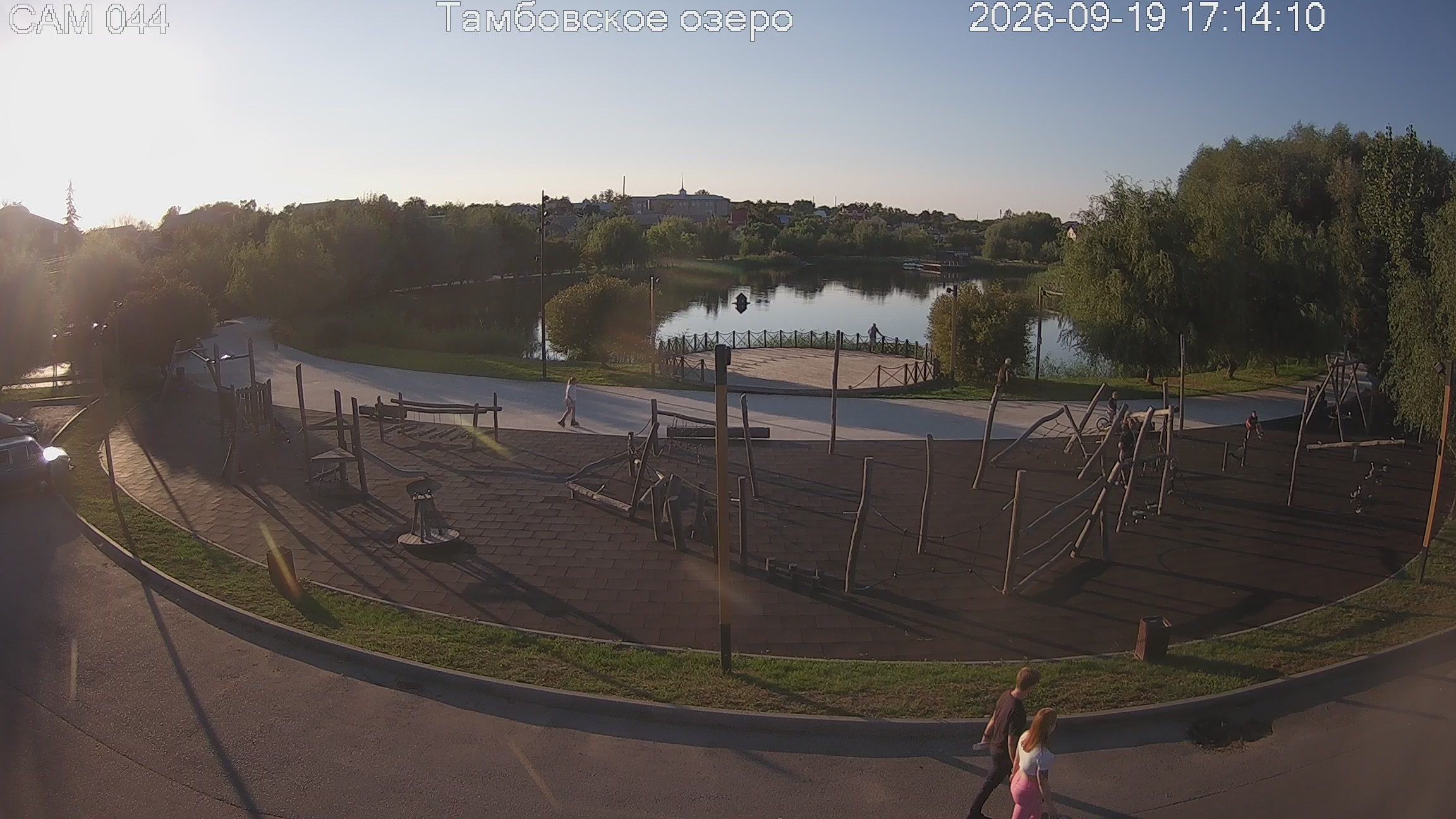
The Pavlovsk Reservoir is another important hydrological feature in the vicinity of the city. Its waters have become home to many birds: mute swan, bearded tit, white-cheeked tern, and gray goose are found here. Wetland ecosystems attract ornithologists and wildlife enthusiasts, especially during migration periods, when the shores are covered with flocks of migratory birds.
The surroundings of Pavlovsk are also rich in terrestrial flora. The Red Book of Voronezh Oblast includes 382 species of animals and 373 species of plants, fungi, and lichens. The Khopyor State Nature Reserve, part of which is located in Pavlovsky District, protects 61 plant species from the regional Red Book and 9 species from the federal one. Meadows, oak groves, and floodplain forests along the Osered create a landscape atypical for the steppe zone — with springs, ravines, and patches of floodplain forest.
Local history museum and cultural life
You can immerse yourself in Pavlovsk's past not only through history textbooks. In 1977, a district local history museum was opened in the former house of merchant I.M. Odintsov — it became a repository of memory about the fates of people who built, traded, and defended this city. The exhibitions cover the period from the Petrine shipyard to the events of the 20th century: here you can see ship tools, merchant documents, household items, and photo chronicles.
The cultural life of Pavlovsk is not limited to museum walls. The city lives with holidays, fairs, and creative gatherings. Local artisans revive traditional crafts — pottery, weaving, wood carving. Folklore ensembles preserve the song traditions of the southern Russian region, and concerts and folk festivals take place on open stages.
For those interested in the history of their native land, Pavlovsk in Voronezh Oblast is a real discovery. This is a place where every cobblestone and every facade bears the imprint of an era, and Pavlovsk webcams online provide an opportunity to touch this heritage from anywhere in the world.
Atmosphere of a southern county town
Pavlovsk is a city of contrasts. On one hand, there is a sense of measured provincial life here: no bustle of megacities, no traffic jams or rush. On the other hand, the city has not stood still in time. New shops, cafes, and sports grounds appear alongside historic buildings, creating modern comfort without destroying the ancient appearance.
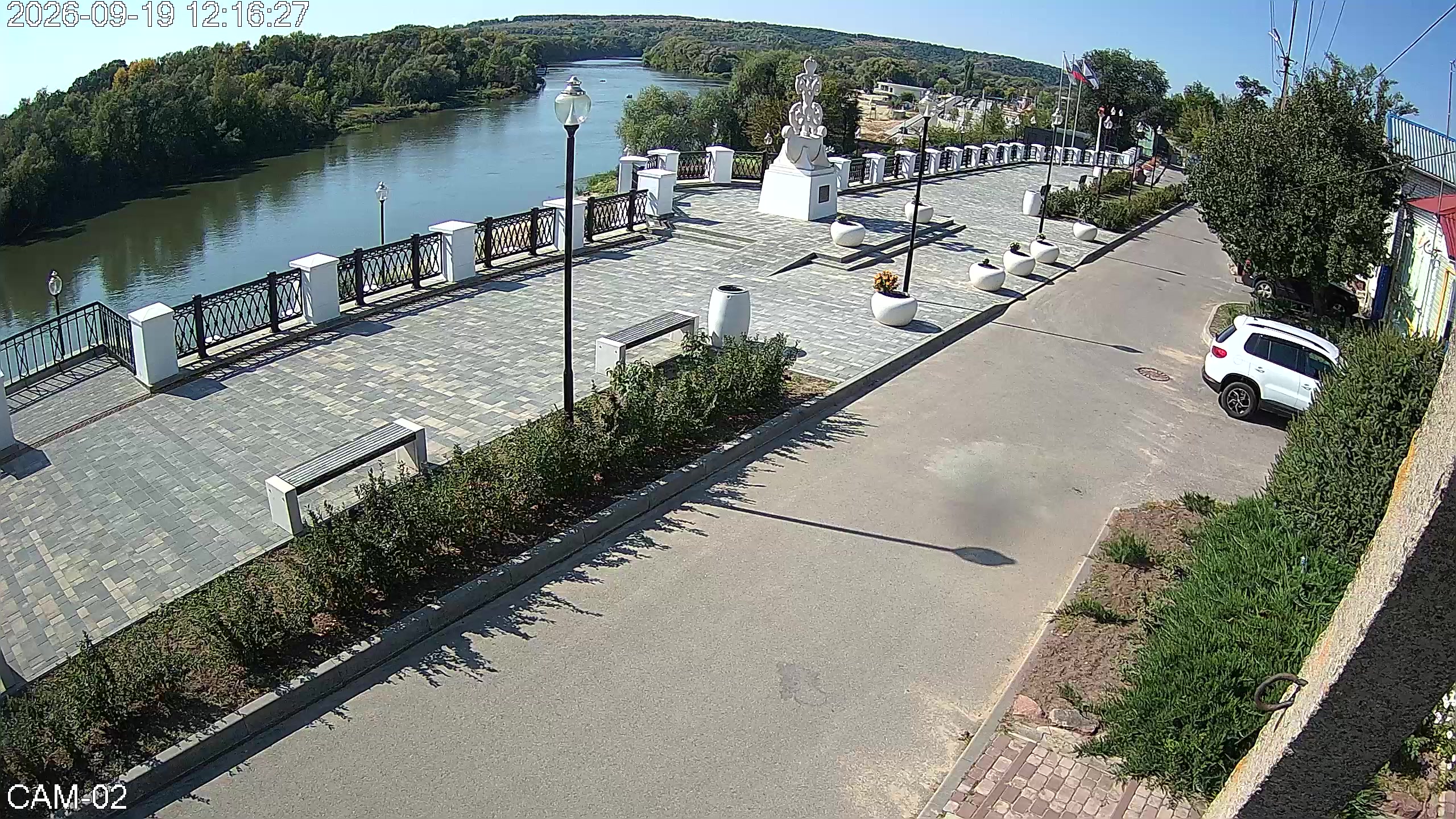
The central part of Pavlovsk features pedestrian streets where locals gather in the evening. The square in front of the administrative buildings serves as a meeting place and venue for festive events. From here, there is a view of the Don and floodplain meadows — the expanse characteristic of southern Russian cities. In the warm season, the Osered embankment fills with fishermen, strolling companies, and simply those who want to sit by the water.
The districts of Pavlovsk differ from each other: the private sector with gardens and vegetable plots gradually gives way to apartment blocks. Former barracks and industrial zones are being reconstructed, giving way to residential complexes and public spaces. At the same time, the city maintains a scale comfortable for walking — here you can walk around the center in an hour, peeking into alleys and courtyards where real architectural gems are hidden.
What the cameras show in the city
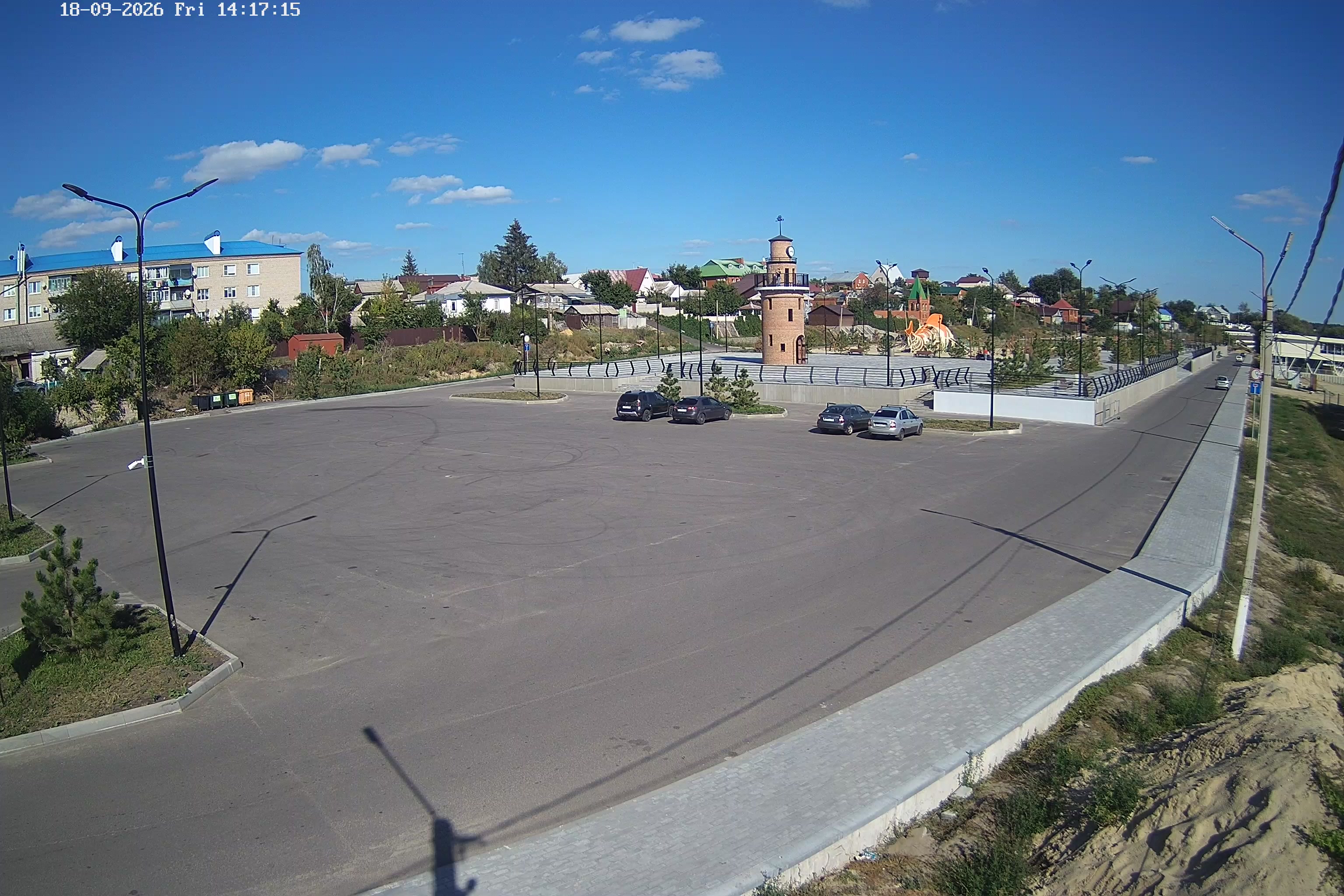
Pavlovsk webcams cover key points of the city: the central square, historic streets, the Osered embankment, and transport interchanges. Online broadcasts allow you to observe in real time how the lighting changes on historic facades, how citizens walk along the cobblestones, and how the river reflects the sky at different times of day.
When choosing a Pavlovsk webcam to watch, pay attention to broadcasts from central locations — that's where the best view of architectural landmarks and everyday city life opens up. The live broadcast from Pavlovsk, Voronezh Oblast operates in real time, allowing you to see the city as it is now: without staged shots and tourist decorations.
For monitoring weather conditions, cameras with a wide viewing angle are suitable — they show the sky conditions, precipitation, and road situation. Pavlovsk cameras online are a window into the life of a southern county town, where history meets modernity, and the quiet of the embankment gives way to the bustle of central streets.