

🏙️ Barnaul Webcams Online — Watch the City in Real Time
5 cameras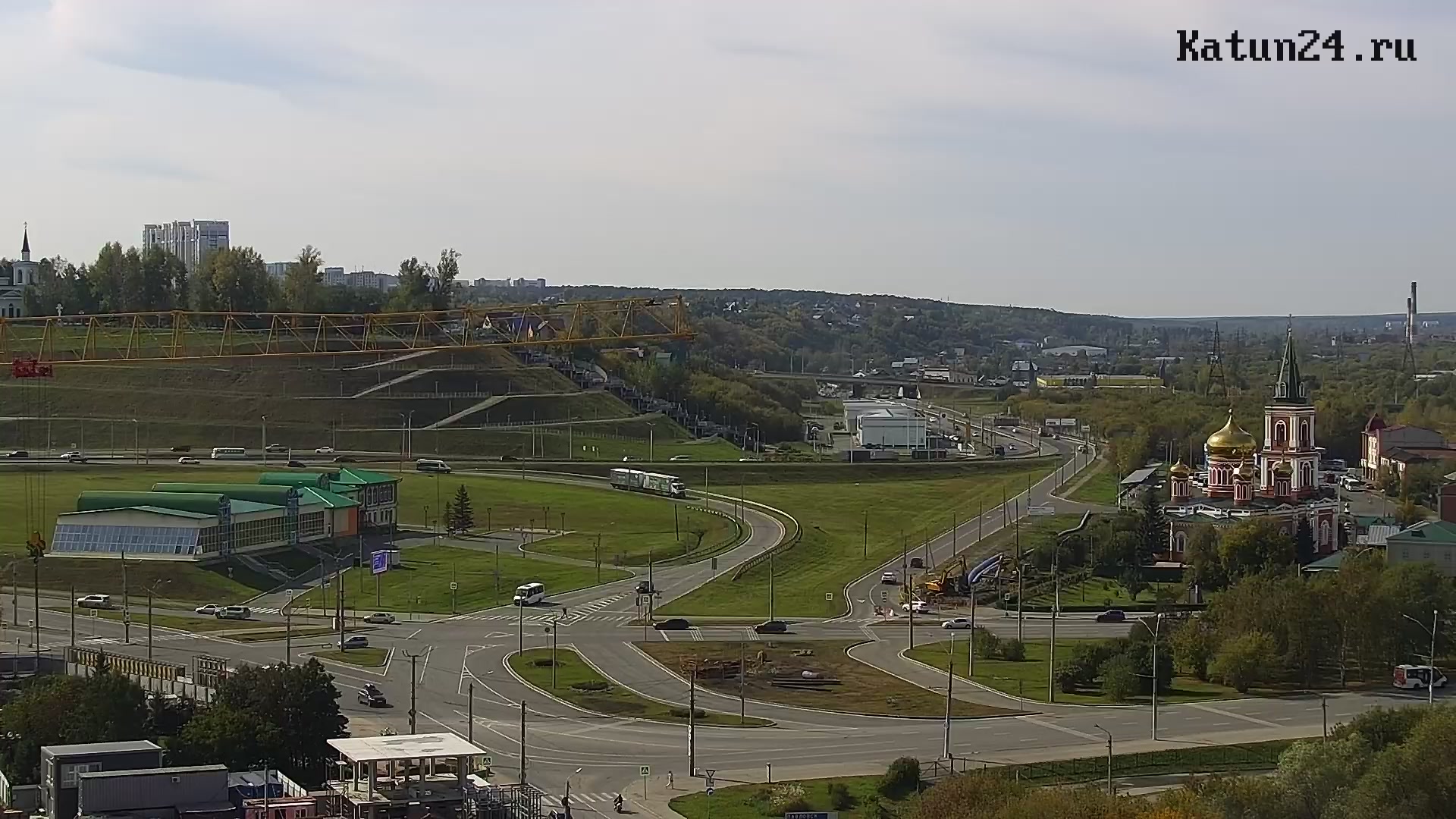


History of Barnaul: From Silver Smelting Plant to Siberian Capital
Barnaul is a city with a rich history that began in 1730, when mining industrialist Akinfiy Demidov founded a copper-silver smelting plant here. This enterprise became the city-forming one and determined the fate of the settlement for centuries to come. Initially, the plant was created for copper mining, but soon it was reoriented to silver smelting, of which there was so much that in the 18th century Barnaul produced about 20 tons of silver — more than all of Europe combined.
In 1766, on the banks of the Barnaulka River, engineer Ivan Polzunov built the first steam engine in the Russian Empire, ahead of James Watt. This event forever inscribed Barnaul in the history of technological progress. Today, the monument to Polzunov adorns Freedom Square, reminding citizens and guests of the city's glorious past.
During the Great Patriotic War, Barnaul became a rear base for the defense industry: every second cartridge for small arms was manufactured here. The Barnaul Machine Tool Plant was the main supplier of ammunition of various calibers, providing the front with the necessary equipment.
The Barnaulka River and Its Role in the City's Foundation
The name of Barnaul is inextricably linked with the Barnaulka River — a left tributary of the Ob, stretching 207 km. The etymology of the name is still debated: on old maps, the earliest documents with the river's name are five maps drawn by Tobolsk cartographer Semyon Remezov at the turn of the 17th-18th centuries. On four out of five drawings, the river is called Boronaur, in one case – Boronur. In written sources of the second decade of the 18th century, the river is mentioned twice. From the words of the Turkic-speaking population of the Upper Ob region, its name was recorded by Russians as Bornoul (1716) and Boranaul (1717). The name "Barnaul" has Turkic, Mongolian, or Ket roots, but the translation of the city's name has various interpretations.
The Barnaulka River originates from Zerkalnoye Lake and flows into the Ob right at Barnaul. It was the advantageous location at the confluence of two rivers that attracted Demidov, and later made the city an important transport hub of Siberia. Today, the Barnaulka embankment is one of the favorite recreation spots for citizens, where you can watch the river flow and enjoy views of the city.
Climate and Nature: Sunny Siberia and the Ribbon Pine Forest
Barnaul is rightfully called the sunniest city in Siberia — there are about 230 clear days a year here, which is more than in Sochi and roughly equal to the "sunniness" of Crimea. Such a number of sunny days makes the city especially attractive for observing through Barnaul webcams online — good visibility allows you to see the smallest details of urban architecture and natural landscapes.
A unique natural landmark of Barnaul is the ribbon pine forest, the longest in the world (550 km). This pine forest grew more than 20,000 years ago on sandy deposits of ancient rivers. Today, it houses sanatoriums, recreation bases, and ski trails, and the forest itself is a favorite place for walks and picnics.
Barnaul's climate is continental, with cold winters and warm summers. In winter, temperatures can drop below -52°C — such records were recorded in January 1812 and December 1966, when even mercury in thermometers froze. Summer, on the other hand, delights with warmth and an abundance of sunny days, making it an ideal time for online observation of the city through webcams.
Attractions: From Demidov Square to Nagorny Park
The architectural appearance of Barnaul was shaped by St. Petersburg architects — Yakov Popov and Andrey Molchanov, students of Carlo Rossi and Giacomo Quarenghi. Thanks to them, the layout of the old center resembles St. Petersburg, and Demidov Square became the only complete urban ensemble in Siberia in the first half of the 19th century. Its creation took about 50 years of painstaking work.
Nagorny Park is the restored territory of the former Barnaul VDNKh, offering picturesque views of the city and the Ob River. The huge glowing letter installation "Barnaul" looks especially impressive here, becoming a magnet for tourists in the evening. From this observation deck, you can watch the life of the city through Barnaul webcams installed in the central part.
Among other attractions are St. Nicholas Church, the 18th-century John the Baptist Church, the monument to I.I. Polzunov on Freedom Square, the Kolyvansky Vase in Pushkin Square, and the tourist center "Mountain Pharmacy." Each of these places bears the imprint of history and deserves the attention of travelers.
Cultural Life: Museums, Theaters, and the Tsoi Monument
Barnaul has a rich museum culture. It is home to the oldest local history museum in Siberia, founded in 1823 by P.K. Frolov. The "World of Time" museum offers a unique interactive exhibition where exhibits can be touched and tried on — over 10,000 items have been collected, from prehistoric mammoth bones to Soviet household appliances.
In 2010, a monument to Viktor Tsoi was erected in Barnaul, becoming the first monument to a rock musician in Russia. Interestingly, in the musician's hometown of Leningrad, a monument appeared only in 2017. The monument was installed at the expense of one of Tsoi's fans and quickly became a place of pilgrimage for fans from all over the country.
The "Spichka" cultural center is a unique space created on the site of a former match factory. It hosts exhibitions, concerts, and festivals, attracting creative citizens and guests of the city. The House of Merchant Poljakov amazes with its architecture, combining elements of Art Nouveau and Baroque, and the historical museum "Gorod" in an old estate tells about the everyday life of Barnaul in past eras.
Barnaul and Space: The Titov Museum
Barnaul has a direct connection to space exploration. In the village of Polkovnikovo in the Kosikhinsky District, there is the memorial museum-complex of German Titov — the second cosmonaut of the planet. The museum complex includes the school building where Titov studied, the Titov family home, exhibition halls with the cosmonaut's personal belongings, the Sokol-K space suit, models of space technology, and even the descent vehicle of the Soyuz TMA-21 spacecraft.
The museum grounds also feature an L-29 training aircraft and a monumental decorative panel "My Blue Planet." The museum has become a center of space education and a place of pilgrimage for astronomy enthusiasts from all over Siberia. An atomic submarine K-263 was named in honor of Barnaul, over which the city's administration established patronage.
Modern City: Infrastructure and Transport
Modern Barnaul is a major industrial and cultural center of Siberia with a population of over 600,000 people. In 2014, the largest shopping center in Siberia, "Arena," with an area of 170,000 sq.m., was opened here, visited by more than 15,000 people daily. It is a magnet for shopping and entertainment, where you can spend an entire day.
The city's transport infrastructure includes buses, trolleybuses, and minibuses. In 1999, double-decker buses from Germany with 84 seats ran through the streets of Barnaul, causing envy among the city's guests. Today, the transport system continues to develop, providing connections between districts and suburbs.
Barnaul became the first city in Siberia to have a boulevard with fences and trees along the road — on Moskovsky Avenue. At that time, there was no such beauty even in Tomsk. Today, the city continues to improve, preserving its historical heritage and creating a comfortable environment for residents and tourists.
What the Cameras Show
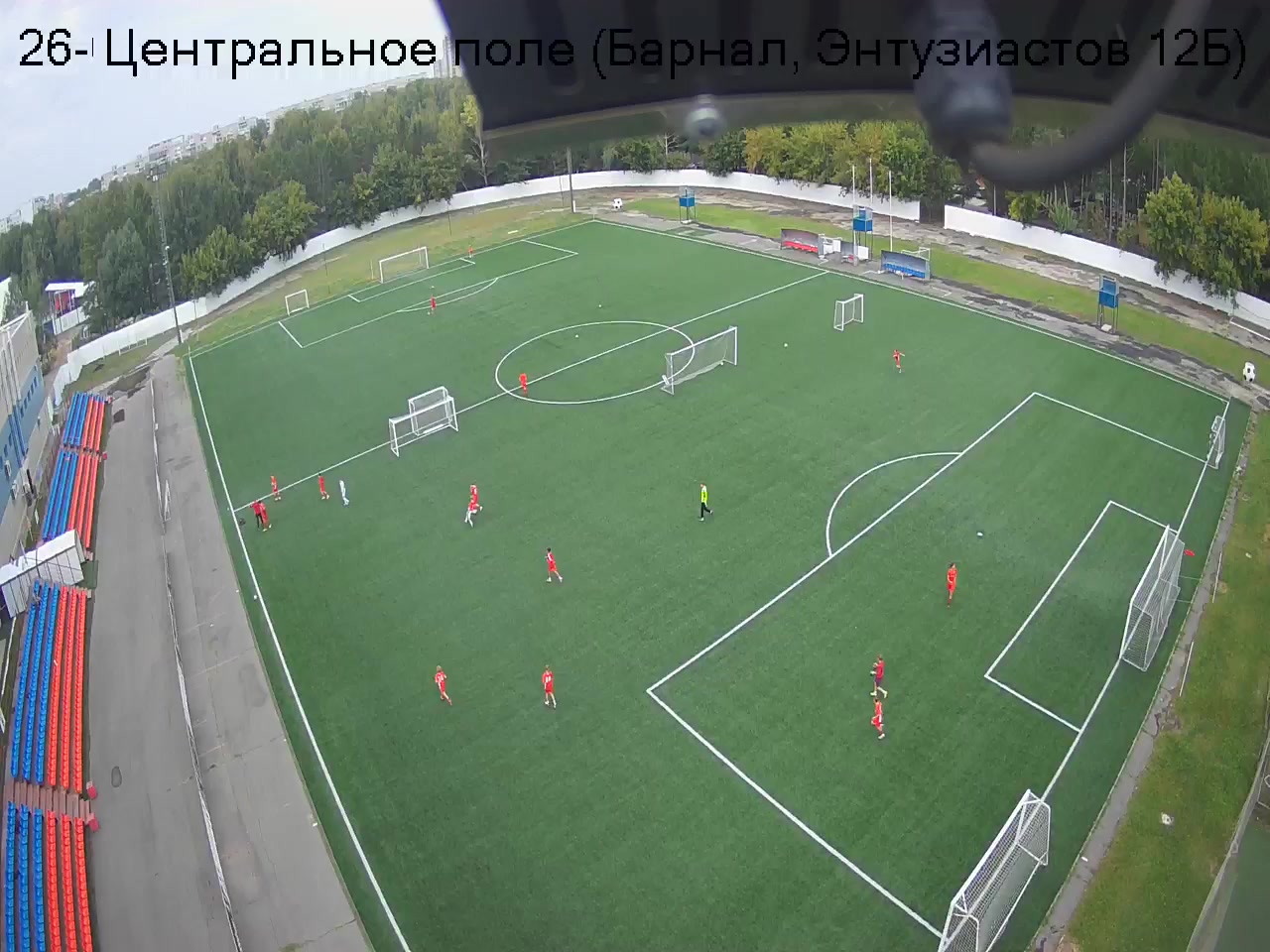
Barnaul webcams online provide access to various corners of the city — from central squares to the Ob River embankment. You can watch Barnaul webcams at any time of day: during the day, the cameras show traffic on the streets, the work of enterprises, and the life of citizens, while in the evening — the city lights and architectural lighting of buildings.
The Barnaul city center webcam allows you to observe Demidov Square, Sovetov Square, and other iconic places. Cameras installed in Nagorny Park demonstrate panoramic views of the city and the Ob River, and broadcasts from the embankment show the life of the river port and recreational areas.
Barnaul live stream is available on our website around the clock. Choose the location you are interested in and enjoy the views of one of the sunniest cities in Siberia in real time. Barnaul webcams are an opportunity to see the city as its residents see it, without the need for personal presence.