

🏙️ Pescara Webcams Online — Watch in Real Time
1 cameras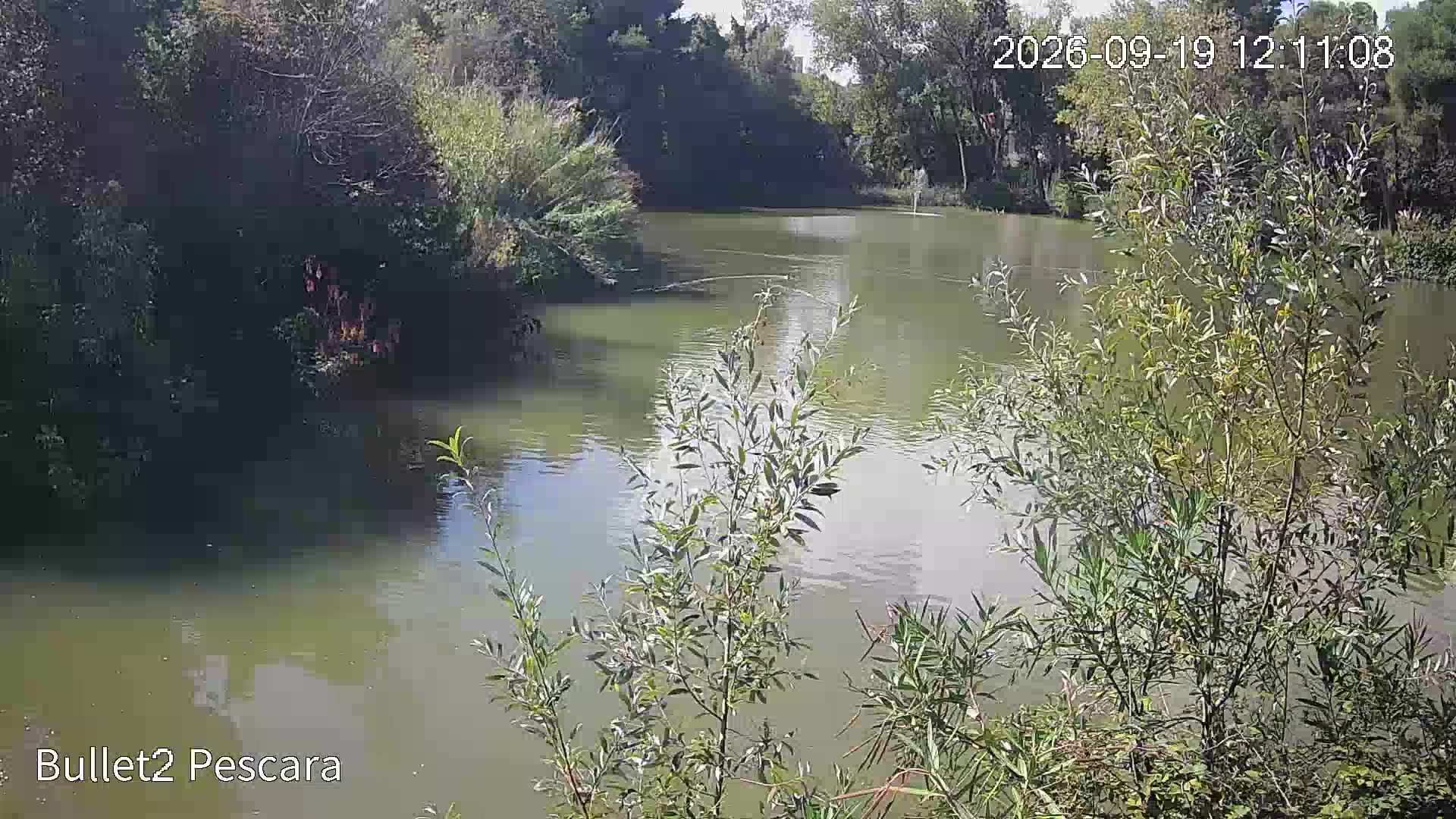
Pescara — A City Between the Adriatic and the Apennines
Pescara occupies a unique position on the map of Italy: the city stretches along the eastern coast of Central Italy, where the Apennines meet the Adriatic Sea. The Aterno-Pescara River flows through the city, dividing it into two parts, creating a distinctive landscape that travelers remember instantly. On one side there is a seafront with beaches, on the other — foothills leading toward the Gran Sasso massif.
This city is the capital of the Province of Pescara in the Abruzzo region and simultaneously the largest settlement in the region. It is often called the "gateway to Abruzzo" for those arriving on the Adriatic coast. Thanks to the Pescara webcam online, you can observe how the city lives in real time — from the morning bustle on the promenade to the evening lights of the Flaiano Bridge.
Ancient Roots and Medieval History
The history of Pescara goes back to ancient times. The city emerged even before the Roman conquest and was founded as a port for the Vestini and Marrucini tribes, who traded with peoples of the East. This trading past shaped the character of the settlement for centuries to come — Pescara has always been a city of contacts, where different cultures and traditions met.
In the Middle Ages, the city experienced many upheavals: barbarian raids, struggles between duchies, and the influence of the Kingdom of Naples. Each period left its mark on the architecture and street layout. The old part of the city, although damaged by time, has preserved a medieval network of alleys where one can get lost in a maze of lanes and suddenly emerge onto a square with a café.
World War II and Revival
The most tragic period in Pescara's history occurred during World War II. During World War II, the city suffered heavy losses among the civilian population, and severe bombings resulted in only some traces of the older city being preserved. The destruction was so extensive that the post-war generation of architects essentially redesigned the center from scratch.
However, Pescara managed not only to recover but also to grow larger. After the war, Pescara developed significantly and became an important city, and over the following sixty years it was included in the province of Chieti, then merged with the town of Castellammare Adriatico and became the largest city in the region. This merger gave a powerful impetus for growth — the city gained new territories for development and access to the sea along the entire coastline.
The symbol of post-war reconstruction became the Risorgimento Bridge, built after World War II, replacing the previous crossing on Corso Vittorio Emanuele II. This bridge connected the riverbanks and became an important transport artery for the growing city.
Architectural Appearance: Modernism and Classicism
The modern silhouette of Pescara is shaped by an amazing combination of eras. Pescara is a city with a predominance of modern architectural elements due to severe bombings during World War II and constant reconstructions. There is no cohesive historic center in the form found in Rome or Florence, but this is precisely what makes the city special — it is alive, changing, reflecting the spirit of the times.
The main landmark of modern Pescara is the Ennio Flaiano Bridge and the tall Camuzzi twin towers. This architectural ensemble has become the city's calling card and an example of how modernism can organically fit into a historical context. The Camuzzi towers are among the tallest buildings in the region, and the Flaiano Bridge connects not just the riverbanks but also different eras in the city's history.
Among the preserved historical buildings, the Cathedral of San Cetteo, the house of Gabriele D'Annunzio (17th century), the Government Palace, the churches of Santo Spirito and Sant'Andrea Apostolo stand out. These structures are islands of history in an ocean of modern development, reminding us that Pescara is much older than its current appearance.
Cultural Heritage: D'Annunzio and Flaiano
Pescara is the birthplace of one of Italy's most brilliant writers, Gabriele D'Annunzio. The house of writer Gabriele D'Annunzio (17th century) is one of Pescara's main attractions. This building attracts not only literature lovers but also those interested in the history of Italian Art Nouveau. D'Annunzio glorified not only his own name but also the entire province of Abruzzo, mentioning local traditions and dishes in his works.
Another important cultural symbol is the Ennio Flaiano Bridge. The Ennio Flaiano Bridge was built in 27 months and solemnly opened on June 15, 2017; width 28 meters, length 85 meters. This engineering structure became not just a functional element of infrastructure but a true work of art. The Flaiano Bridge connects Via Gran Sasso with the Camuzzi towers complex and "Pescara Center," serving as an example of modernist architecture.
Near the bridge is located the Ennio Flaiano Theater, situated in the Centro Storico district of Pescara. This is where the city's main cultural events take place — from theater premieres to music festivals. On summer evenings, residents and guests of the city gather here, enjoying art in the open air.
Culinary Traditions of Abruzzo
The cuisine of Pescara is a reflection of the entire gastronomic tradition of the Abruzzo region. The city is famous for its meat dishes, especially arrosticini — a traditional dish of lamb and goat meat, a special method of preparing meat that originated in the part of Pescara at the foot of the Gran Sasso mountains, then spread throughout Abruzzo. These small meat skewers are cooked over an open fire and served as an appetizer or main course.
Another dish worth trying in Pescara is scripelle — a traditional dish for the city of Teramo, although currently they are prepared throughout the Abruzzo region. These are thin crêpes served in broth or with various fillings. Every restaurant in Pescara has its own secret recipe for this dish.
Interestingly, mentions of traditional Abruzzo dishes in the works of native Gabriele D'Annunzio contributed to their fame in Italy. The writer not only created literary masterpieces but also popularized local cuisine, turning it into part of Italy's cultural heritage.
Beaches and Promenade
The Pescara promenade is the heart of the city during the summer months. A wide strip of sandy beaches stretches for several kilometers along the Adriatic coast. There is everything for relaxation: equipped beaches with sun loungers and umbrellas, free swimming areas, sports courts, and cycle paths.
In the evening, the promenade becomes the city's main thoroughfare. Restaurants and bars set out tables right on the promenade, and the air fills with the aromas of seafood and freshly made pasta. At this time of year, Pescara is especially beautiful — the sunset over the Adriatic creates an unforgettable atmosphere that can be observed through the Pescara webcam online.
Districts and City Layout
The Aterno-Pescara River divides the city into two parts, each with its own character. The right bank is the historic core of the city, where the oldest buildings and narrow medieval alleys have been preserved. The main attractions, museums, and administrative buildings are located here.
The left bank is the more modern part of Pescara, which was actively developed in the post-war decades. Residential neighborhoods, shopping centers, and parks are located here. Both parts are connected by several bridges, each with its own history and architectural style.
The city center is a pedestrian zone with shops, cafés, and restaurants. The main street, Corso Umberto I, crosses the center from north to south and is the main commercial artery. On weekends it is crowded — Pescara residents traditionally take an evening stroll, stopping for an aperitif at one of the many establishments.
What the Cameras Show
Pescara webcams online allow you to see the city from different angles. Cameras located in the center show the main squares and pedestrian streets where everyday life bustles. Broadcasts from the promenade open up views of the Adriatic Sea and beaches, while cameras on the Flaiano Bridge showcase the modern architectural appearance of the city.
For those planning a trip to Pescara, online cameras are a great way to assess the weather and atmosphere of the city before traveling. You can see how crowded the beaches are, what the promenade looks like at different times of day, and what conditions the coast offers for relaxation. The Pescara center webcam watch online is an opportunity to peek into the very heart of the city and feel its rhythm.