

🏙️ Tokyo Webcams Online — Watch Japan's Capital in Real Time
26 cameras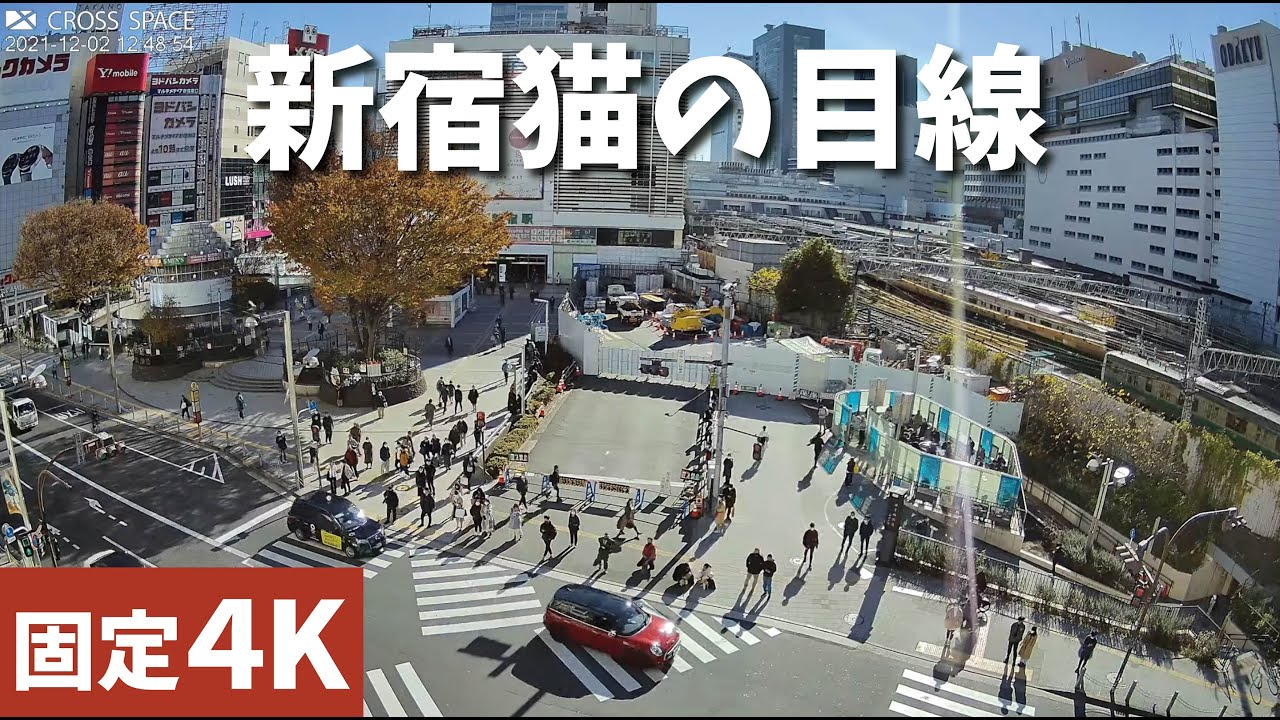



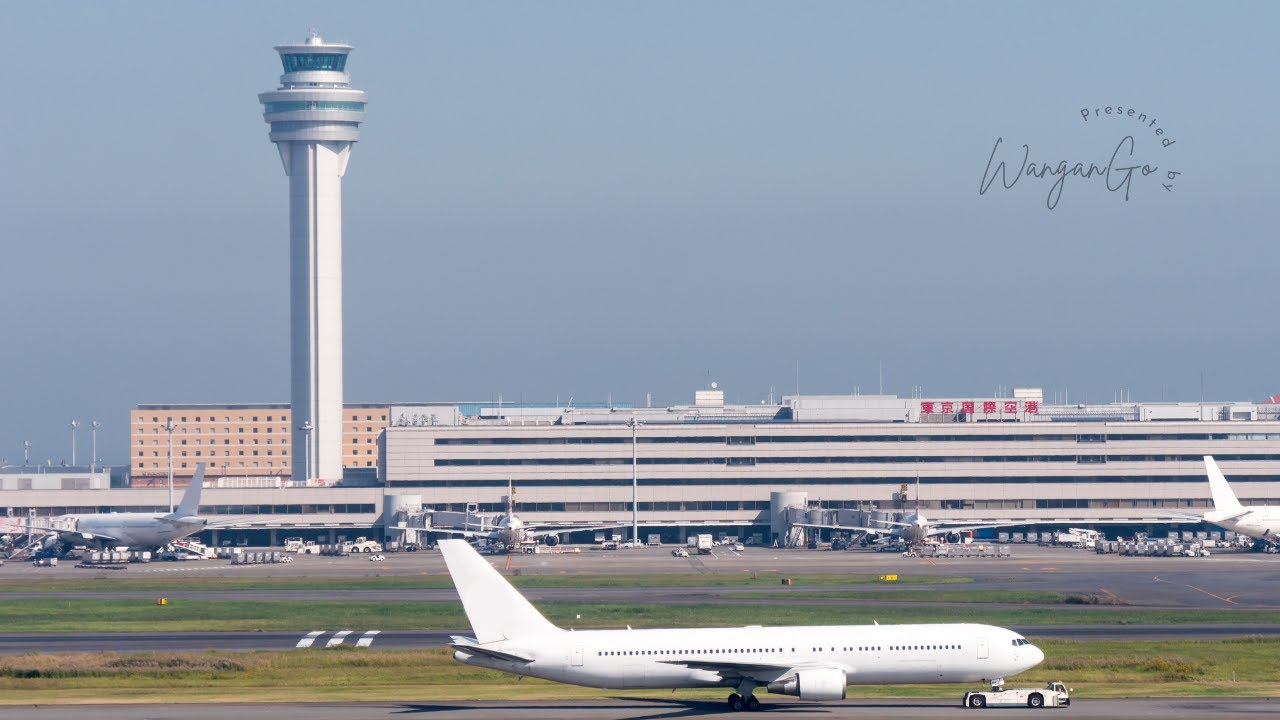

Tokyo: A City of Contrasts and Records
Tokyo is a place where ancient temples stand alongside neon skyscrapers, and centuries-old traditions coexist with the technologies of the future. Japan's capital is staggering in scale: over 14 million people live here, and the Greater Tokyo Area is the largest metropolitan area in the world with a population of around 37 million. This metropolis never sleeps — even at night the streets are full of life, and Tokyo webcams online allow you to observe this pulse at any time of day.
The city began its history as a modest fishing village called Edo, which in 1603 became the political center of Japan after Tokugawa Ieyasu established his shogunate here. Over two and a half centuries, Edo grew into one of the largest cities in the world with a population of over one million. In 1868, after the Meiji Restoration, the city was renamed Tokyo — the "Eastern Capital" — and officially became the center of the empire.
Tokyo Districts: From Historic Quarters to Ultra-Modern
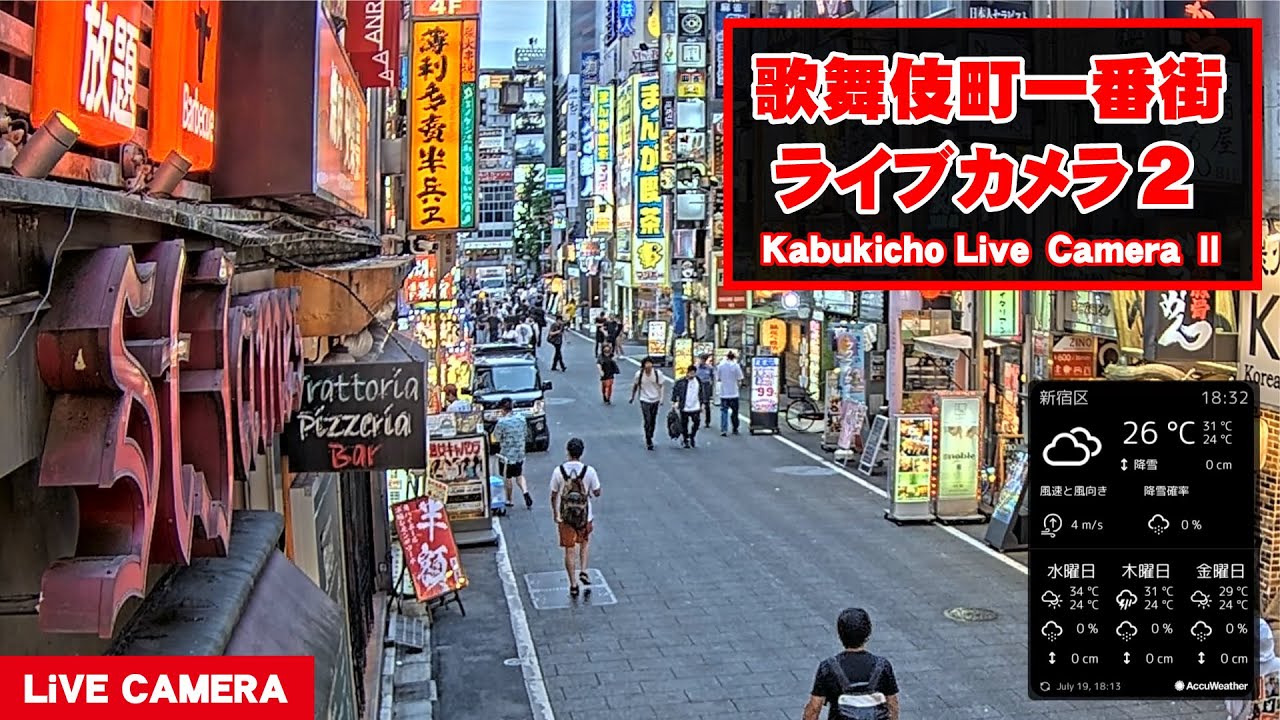
Each district of Tokyo has its own unique character. Shinjuku is the business and entertainment hub with skyscrapers, giant screens, and the busiest railway station on the planet, through which more than 3.5 million passengers pass daily. Tokyo webcams in this area show an endless stream of people, especially during rush hour when station attendants physically push passengers into the carriages.
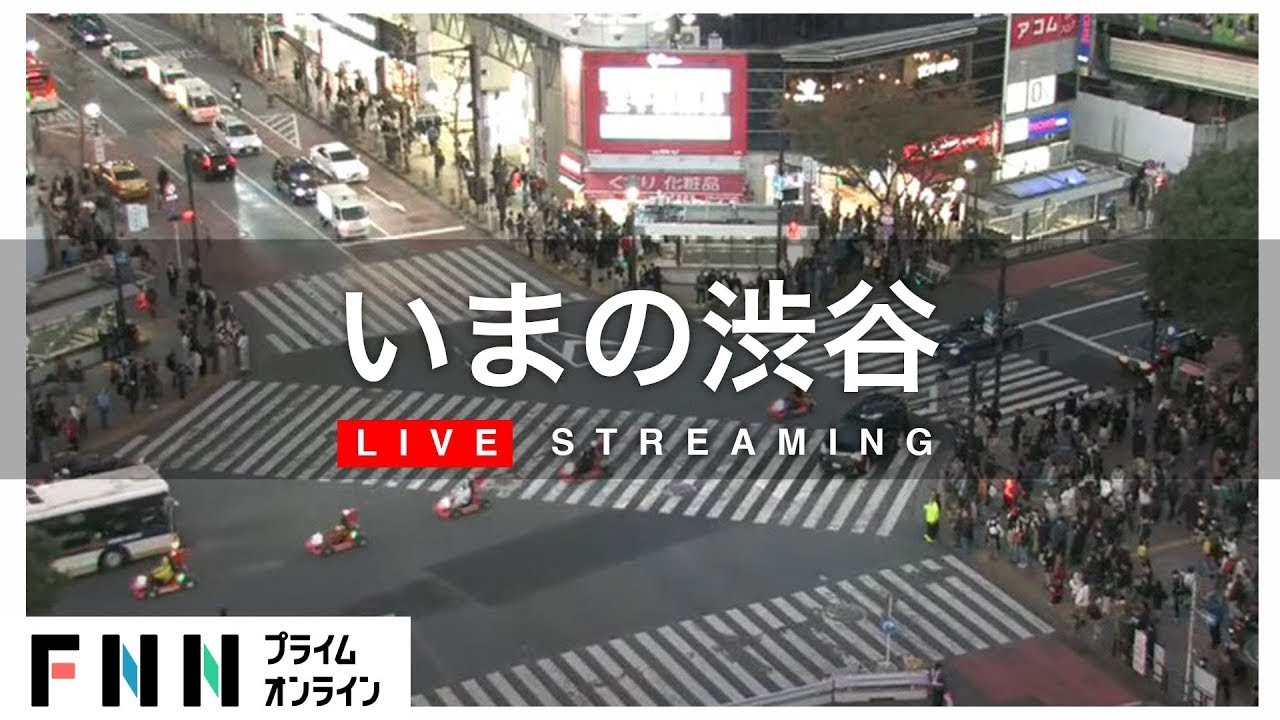
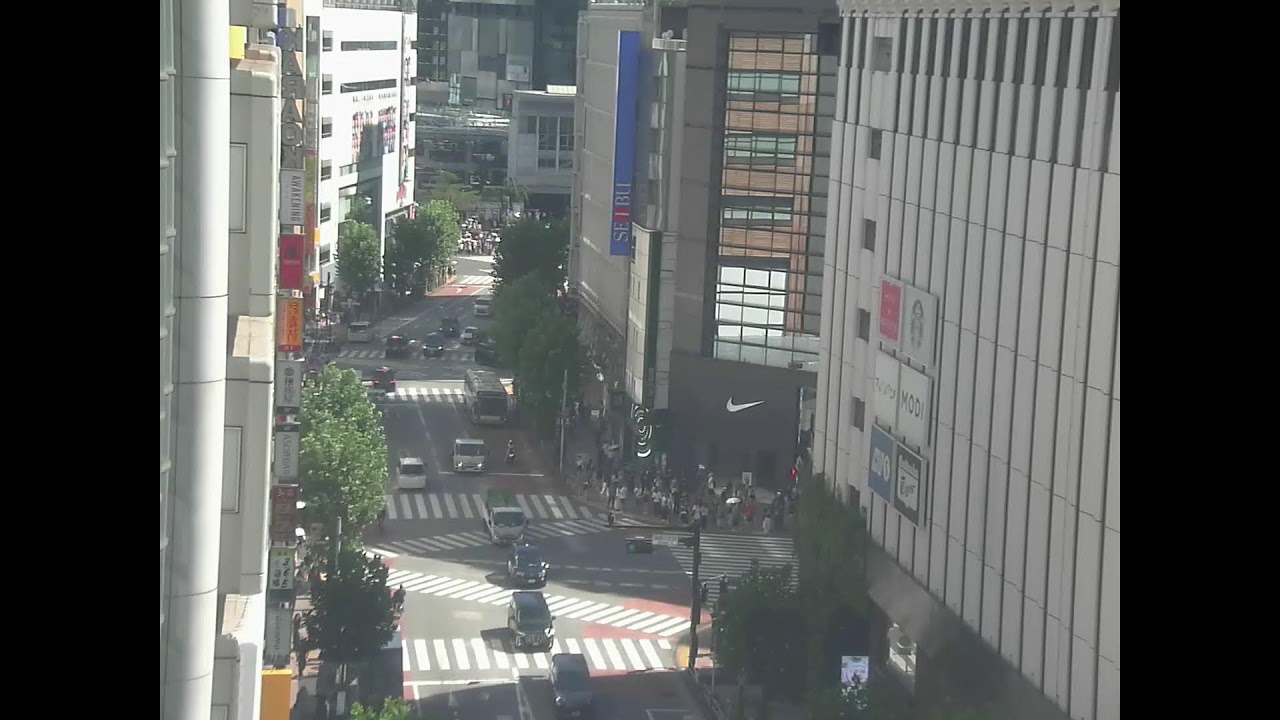
Akihabara is a paradise for geeks and anime lovers, where multi-story electronics stores stand alongside maid cafés and gashapon machines. Shibuya is famous for its crossing, where up to 3,000 people cross the road simultaneously, and the statue of the loyal dog Hachiko. Meanwhile, Yanaka is an old Tokyo enclave with low wooden houses, the Yanaka-Ginza shopping street, and the Nezu Shrine, which miraculously survived the bombings of World War II.
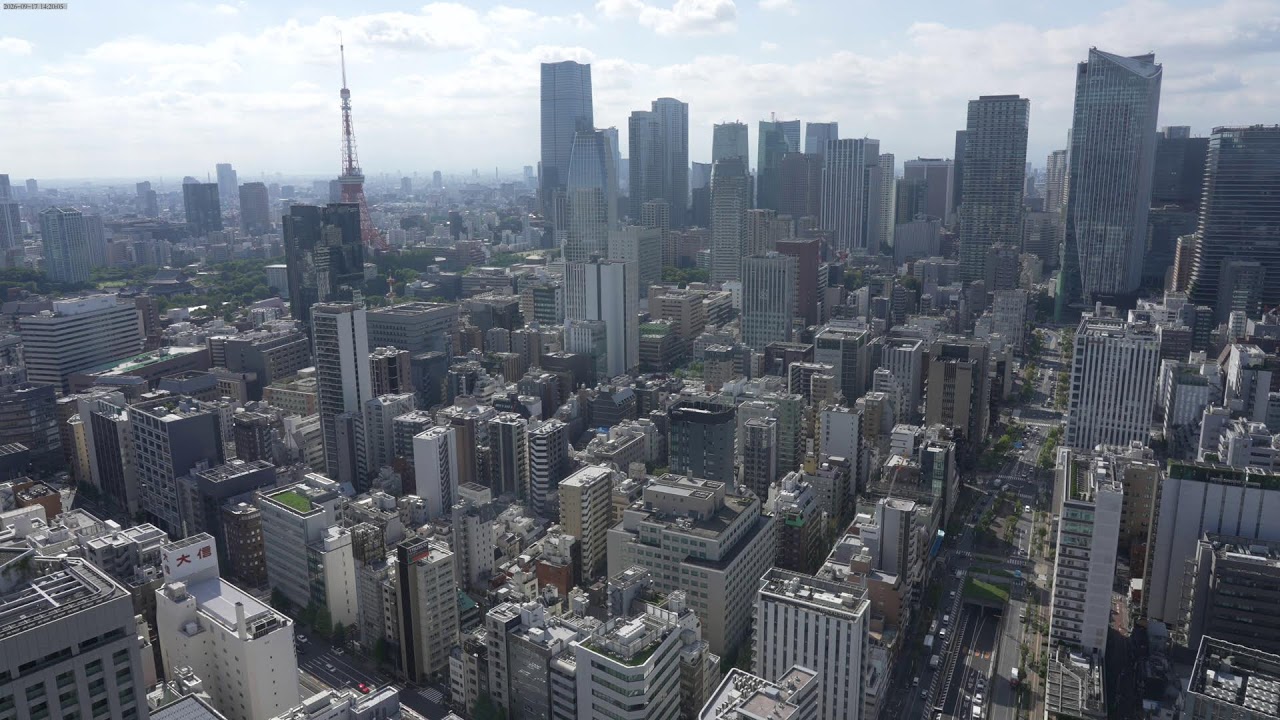
For those who want to see Tokyo from above, there are observation decks at Tokyo Tower and Tokyo Skytree — the tallest structure in Japan at 634 meters. Webcams at these locations broadcast panoramic views of the city, and on a clear day you can even see Mount Fuji.
Tokyo Metro: The Underground City
Tokyo's metro is a separate universe. The system consists of 9 Tokyo Metro lines and 4 Toei Subway lines, covering 180 stations over 195 kilometers. The underground carries around 6.8 million passengers daily, and during rush hour this figure can reach 9 million. Trains run with second-by-second precision, and each station plays its own unique melody signaling departure.
A distinctive feature of Tokyo's metro is the blue lamps installed on platforms to prevent suicides. Studies have shown that blue light calms the nervous system and reduces suicide attempts by 84%. There are also oshiya — station staff who help fit all passengers into overcrowded carriages by literally pushing people inside.
Culture and Traditions: From Geishas to Robots
Tokyo is a city where the past and future intertwine in the most unexpected ways. In the Kagurazaka district, you can still encounter geishas, and at the traditional Kabuki-za theater, performances are held where all roles are played by men. At the same time, at the Henn na Hotel in Ginze, guests are served by android robots, and there is an animatronic dinosaur at the reception desk.
Tokyo's food culture deserves special attention. The city ranks first in the world for the number of three-Michelin-star restaurants — 13 establishments with the highest award. At the same time, the food quality in konbini (convenience stores) amazes foreigners: you can buy fresh onigiri, tempura, and even hot ramen here for as little as 500 yen. And the number of beverage vending machines exceeds 5.5 million units — roughly one for every 23 residents.
Tokyo's unusual cafés have become a separate attraction. A vampire café in Ginze, an owl café, robotized establishments, and an "Alice in Wonderland" style café — each offers a unique experience. And in Omoide Yokocho, a historic alley with bars from the 1940s, you can try authentic Tokyo street food.
Hidden Gems: Non-Touristy Tokyo
Behind the glossy façade of the metropolis lie amazing places. Todoroki Valley in Setagaya is a bamboo stream and walking path right within the city limits, reminiscent of Arashiyama in Kyoto. Gotokuji — a temple considered the birthplace of maneki-neko, where thousands of porcelain cat figurines with a raised paw grant wishes. And in Sugamo>, the "grandmothers' district," you can wander among nostalgic stalls and the Tenso Shrine with its Jizo statues.
The Jimbocho book district is a labyrinth of 170 used bookstores, vintage records, and classic cafés where Tokyo's intellectuals have spent decades. Shimokitazawa is a bohemian quarter with live music venues, tiny boutiques, and the best ramen shops in the back alleys. These places rarely make it into guidebooks, but they are what create the true atmosphere of the city.
What Shocks Tourists in Tokyo
The first thing that strikes foreigners is the overcrowding. Stations and streets are literally packed with people, especially during rush hour. The population density leads to a lack of personal space on trains, and capsule hotels offer accommodation in tiny pods with shared bathrooms. At the same time, the quality of service remains impeccable: the formal greeting "irasshaimase," strict cleanliness standards, and punctuality down to the second.
Automatic taxi doors make tourists flinch, and the absence of paper towels in public restrooms causes confusion — the Japanese carry personal handkerchiefs. It is not customary to hold doors open for others — there are too many people in the city. And slashing noodles, which shocks Europeans, is considered a sign of good manners and gratitude to the chef here.
Tokyo by the Numbers: Records and Facts
Tokyo breaks records on every front. It is the city with the most Michelin-starred restaurants in the world, the busiest railway station (Shinjuku), the largest metro system by passenger traffic, and the highest number of beverage vending machines. The Greater Tokyo Area with a population of around 37 million is the largest urban agglomeration on the planet.
The economic scale is equally impressive: Tokyo's GDP exceeds 1 trillion dollars, making it the largest urban economy in the world. The city welcomes over 14 million foreign tourists annually (pre-pandemic), and duty-free shopping for foreigners allows savings on purchases from 5,000 yen upon presentation of a passport.
The City's Atmosphere: Why You Should Watch Tokyo Online
Tokyo has a unique energy that cannot be conveyed through photographs. It is a city where the neon lights of Shibuya give way to the silence of temple gardens, where the pace of life never slows down for a minute. Tokyo webcams allow you to feel this pulse: watch the flow of people at the Shibuya crossing, follow the train movements at Shinjuku, admire the panorama from Tokyo Tower.
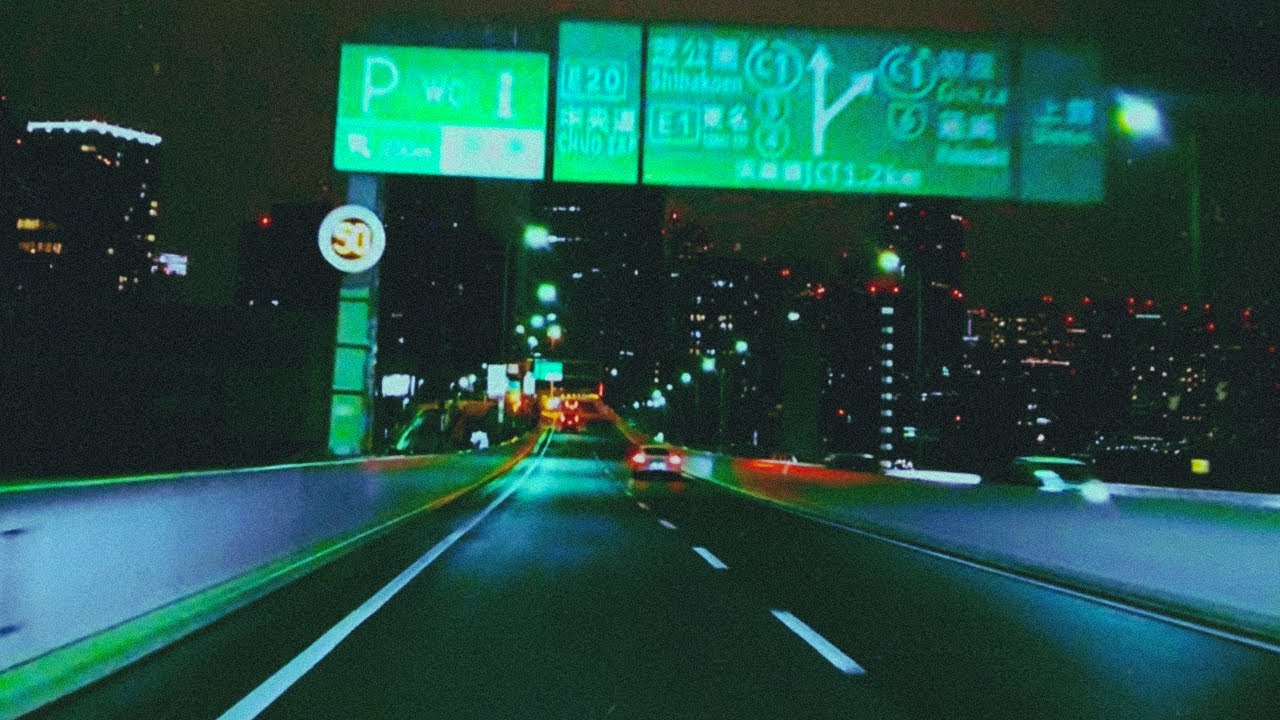
The city is especially mesmerizing in the evening, when the skyscraper illumination turns on and the streets fill with neon signs. At this time, Tokyo transforms, becoming like the set of a sci-fi movie. And early in the morning, you can see the city wake up: the first metro trains, opening shops, morning jogs in the parks.
What the Cameras Show
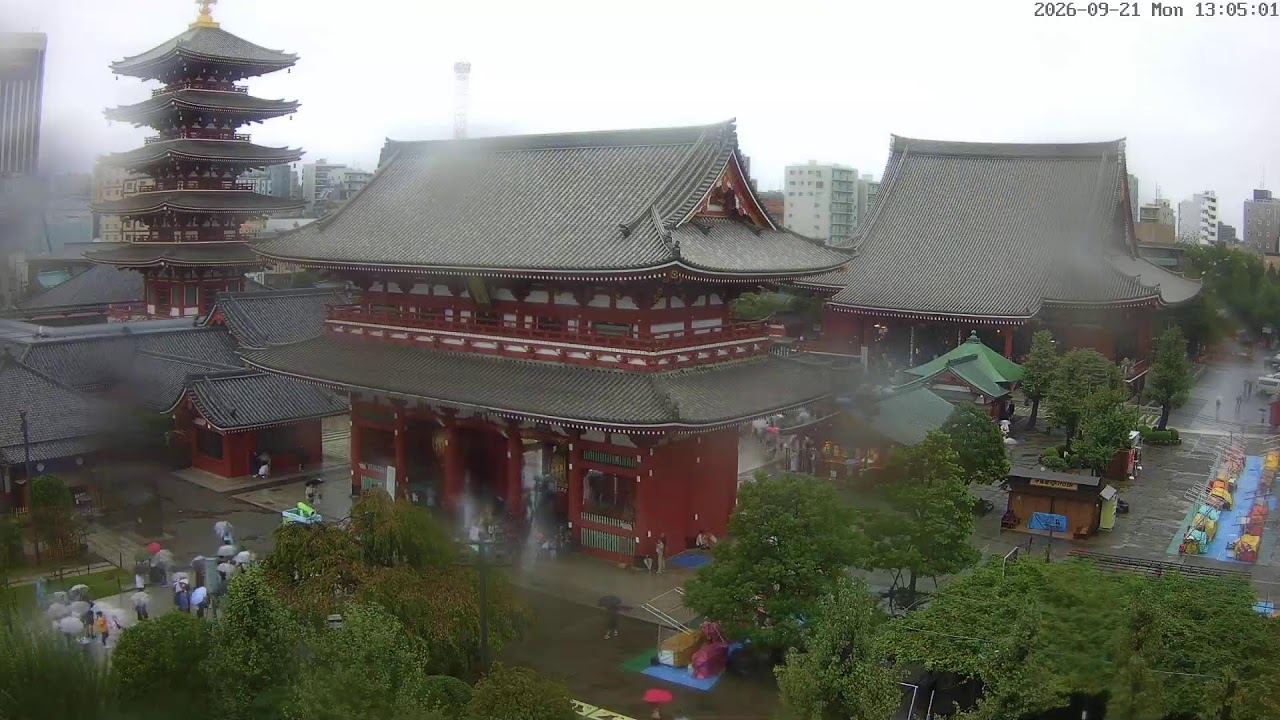
Tokyo webcams online are installed at key points in the city: at the Shibuya crossing, at the entrance to Shinjuku Station, on the observation decks of Tokyo Tower and Skytree, in the Akihabara district, and on the Sumida River embankment. The cameras broadcast the life of the metropolis around the clock — you can watch the movement of people, the operation of transport, the change of day and night.
For those planning a trip to Tokyo, online webcams are a great way to assess the weather, street congestion, and overall atmosphere before traveling. And for those who have already visited Japan's capital, the broadcasts are a chance to once again immerse themselves in the unique energy of this incredible city. Choose a camera and watch Tokyo in real time — the city that never sleeps.