

🏙️ Hiroshima webcams online — watch in real time
1 cameras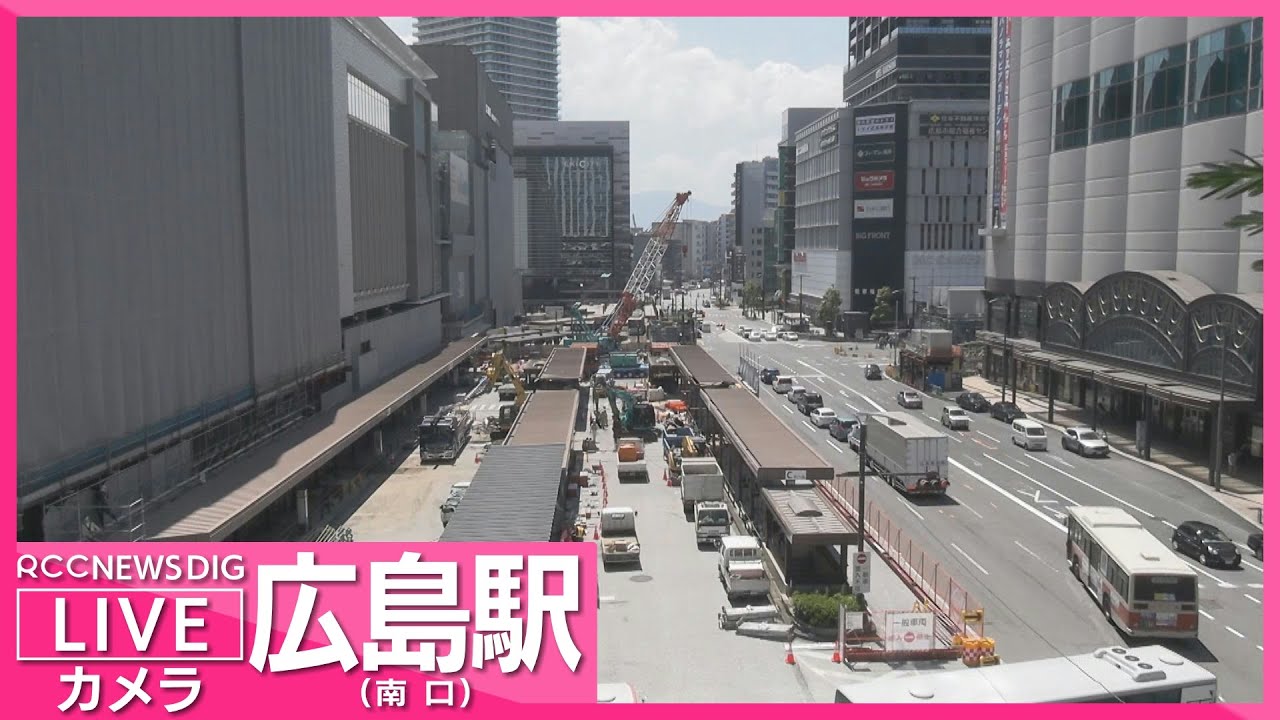
The history and soul of Hiroshima: from Carp Castle to the city of peace
Hiroshima is a city whose history has unfolded over centuries in the delta of the broad Ota River, where six branches flow into the Seto Inland Sea. In 1589, the feudal lord Mori Terumoto founded a castle town here, which gave rise to the modern metropolis. The name "Hiroshima" translates from Japanese as "broad island" — a reference to the delta geography, where river channels form numerous islets.
After the Meiji Restoration in 1868, Hiroshima rapidly transformed into a major urban center and industrial hub of southwestern Honshu. Hiroshima Castle, also known as Carp Castle, was first built by the same Mori Terumoto in 1589, destroyed by the atomic bomb in 1945, and restored in 1958 as a museum. Today, at the epicenter of the atomic explosion stands the Peace Memorial Park, where the Eternal Flame burns — a symbol of humanity's unwavering aspiration for a peaceful sky.
Geography and nature: the Ota delta and the Seto coast
Hiroshima is located in the southwestern part of Honshu island, on the coast of the Seto Inland Sea. The area of Hiroshima Prefecture is 8,400 km², with a population of 2.7 million people. The Ota River delta creates a unique landscape: the city stretches across a flat plain, crisscrossed by numerous canals and river channels, giving it a resemblance to the Venice of the East.
A mountain range stretching to the north of the city protects Hiroshima from cold winds, creating a mild climate with warm winters and hot summers. In spring, the city is immersed in the pink blossoms of cherry trees, and in autumn, maples paint the parks and temple grounds in crimson tones. Thanks to real-time webcams, you can observe how the lighting changes along the embankments and in Hiroshima's parks throughout the day.
Cultural symbols: Peace Memorial Park and the Atomic Bomb Dome
The center of attraction for travelers from around the world is the Peace Memorial Park, laid out on the site of total destruction following the atomic bombing. The Atomic Bomb Dome — the former Industrial Promotion Hall — has been preserved as a ruin, serving as a reminder of the tragedy. Nearby are the Peace Memorial Museum, the Children's Peace Monument, and the Eternal Flame, which will burn until nuclear weapons disappear from the Earth.
The park stretches for more than 12 hectares between the Ota and Motoyasu rivers. It is a place of both grief and hope, where an annual memorial ceremony is held. Webcams aimed at the Peace Memorial Park allow you to see this space at any time — from morning silence to evening illumination.
Miyajima Island: the sacred land of red torii gates
Half an hour by ferry from Hiroshima lies Miyajima Island (Itsukushima) — a sacred island with an area of 31 km² and a population of 1,940 people, which is considered one of the three most scenic places in Japan. Here stands the Itsukushima Shrine, famous for its 16-meter red torii gates, which during high tide stand directly in the water at a distance of 130 m from the shore.
On Miyajima Island, since ancient times, it has not been customary to bury the dead — this is a sacred place where death is forbidden. The entire island is covered with dense forests and has been declared a national park. Mount Misen, at 535 meters high, offers panoramic views of the Inland Sea archipelago. Wild deer roam freely through the streets, unafraid of tourists, and local sweets shaped like maple leaves — momiji — have become the island's gastronomic symbol.
Cuisine and transport: okonomiyaki and legendary trams
Hiroshima-style okonomiyaki is a separate gastronomic universe, fundamentally different from the Osaka version. In Osaka, the ingredients are mixed into a single batter, but in Hiroshima they are layered: cabbage, bean sprouts, noodles, omelet, and pork are arranged on the grill in a specific sequence. The Hiroshima version grew out of post-war scarcity, when each ingredient was saved separately and the layers were built not out of whim, but out of necessity.
Hiroshima's tram network is one of the oldest in Japan and has earned the nickname "moving museum" due to the presence of both modern and historic cars, including the famous 3-section articulated trams of the 3000 series from 1963. The network consists of six urban lines and is operated by Hiroshima Electric Railway Co., Ltd. (Hiroden). Of the 123 trams during the atomic bombing, 108 were destroyed, the remaining seriously damaged, but just three days after the explosion, the trams resumed their routes. Of the 1,241 tram service workers, 185 were killed and 266 employees were injured.
Districts and atmosphere: from Hondori to Shukkei-en
Hondori Street is a pedestrian shopping arcade in the center of Hiroshima, stretching half a kilometer from the Peace Memorial Park to the Naka district. It is the heart of urban life, where department stores, cafes, boutiques, and street musicians coexist. Nearby is Shukkei-en Park — a landscape garden established in the 1920s, where miniature mountains, valleys, and streams recreate Japan's natural landscapes on a reduced scale.
The Port of Hiroshima is an important maritime hub connecting the city with the Inland Sea islands and mainland Japan. Hiroshima Airport receives flights from the country's largest cities and international flights from Asia. Hiroshima Station is a key stop on the Shinkansen high-speed line, from which you can reach Tokyo in four hours. Webcams at the station and port show the rhythm of urban life — from the morning rush to the evening calm.
What the cameras show
This page features real-time webcams of Hiroshima. Here you can find broadcasts with views of the Peace Memorial Park, the Atomic Bomb Dome, Carp Castle, Hondori Street, Hiroshima Station, and the airport. HD cameras allow you to watch the city 24/7 — from sunrises over the Ota delta to the nighttime illumination of urban landmarks. Choose a stream that interests you and watch Hiroshima online right now.