

🏙️ West Mifflin Webcams — Live Stream from Pittsburgh Suburb
1 cameras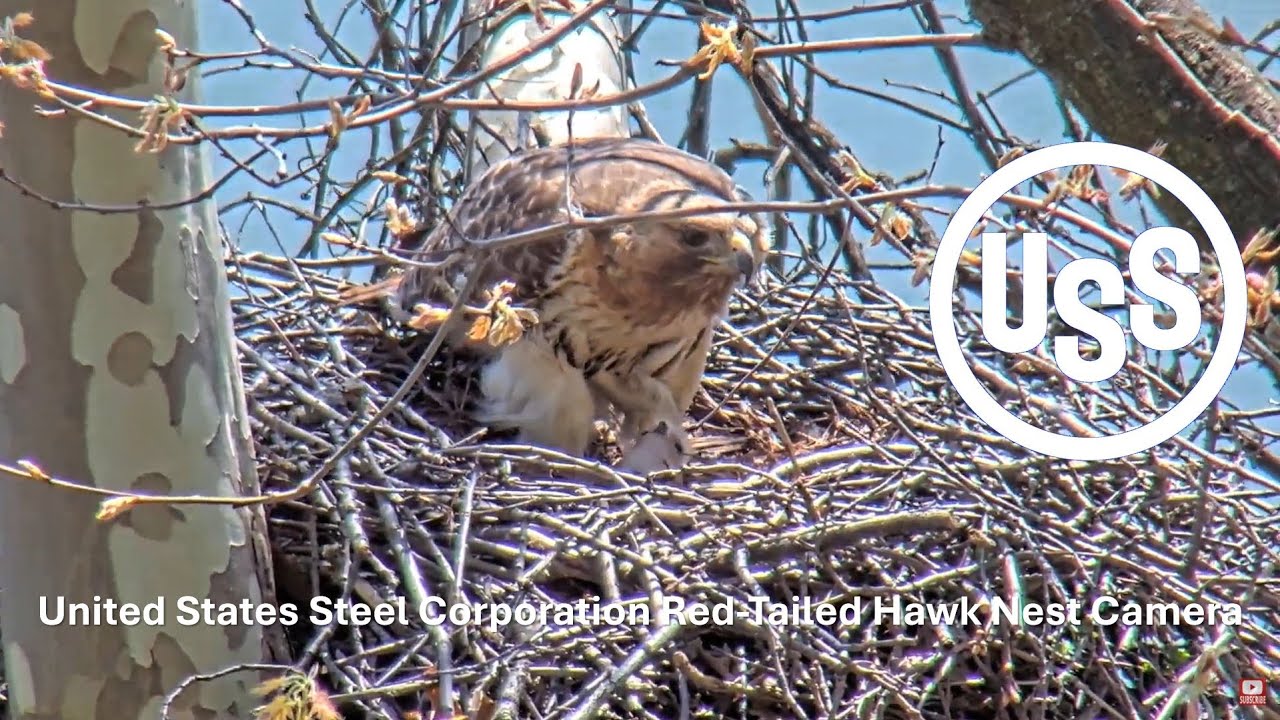
History and Heritage of West Mifflin
West Mifflin is a borough in Allegheny County, located just 8 miles southeast of downtown Pittsburgh. This suburb of the Steel State's capital is named after Thomas Mifflin — the first governor of Pennsylvania and one of the Founding Fathers of the United States who signed the Constitution. For a long time, the area existed as a township until January 3, 1944, when it became the first borough in the region's history, overcoming 156 years of township tradition. This transformation became a historical precedent for Pennsylvania and reflected the local residents' desire for greater autonomy in governance. Today, 19,589 people live here according to the 2020 census, maintaining the atmosphere of a quiet suburban settlement with a rich industrial history. The borough covers an area of about 14.4 square miles, a significant portion of which is occupied by industrial zones and green spaces along the Monongahela River. The terrain is hilly, with elevation changes that create picturesque views of the river and surrounding hills.
The first European settlers appeared here in the mid-18th century, attracted by fertile lands and proximity to Fort Duquesne — a strategic site in the struggle for control of the Ohio Valley. After the Revolutionary War, lands were distributed among veterans, and a rural community began to form. By the early 19th century, mills, smithies, and small farms operated here, supplying the growing Pittsburgh with food. The construction of canals and railroads in the 1830s accelerated the region's development, turning West Mifflin into a transportation hub between the Pennsylvania capital and western territories.
Kennywood — The Jewel of Amusement Parks
The heart of West Mifflin's tourist appeal beats in Kennywood Park, which opened on May 30, 1898, as a trolley park at the end of the Monongahela Street Railway line. The Mellon family, who owned the trolley company, transformed this place into one of the oldest and most atmospheric amusement areas in America. Unlike modern theme parks, Kennywood has preserved the charm of the early 20th century, combining it with advanced ride technologies. Today, more than 40 rides are located on 150 acres along the Monongahela River, including 8 roller coasters — among them the legendary wooden structures Jack Rabbit (1920), Racer (1927), and Thunderbolt (1968). The historic 1927 carousel still spins to the sounds of a calliope, and the children's area Kennyland offers 14 rides for the youngest visitors. The crown of the park's engineering thought is the Steel Curtain coaster, 220 feet high, accelerating to 75 mph and performing 9 inversions — the most in North America. The park operates from late spring to early autumn, attracting thousands of tourists from across the country.
Kennywood is not just an amusement park, but a living museum of the American entertainment industry. Buildings from the early 20th century have been preserved here, including the original dance pavilion and a restaurant serving famous cheeseburgers from a 1930s recipe. Every year, the park welcomes over a million visitors, and its opening season in May becomes the unofficial start of summer for the entire Pittsburgh region. For many families, a trip to Kennywood is a multi-generational tradition passed down from grandparents to grandchildren.
Industrial Past: From Steel Mills to Shopping Centers
West Mifflin is inextricably linked with Pittsburgh's steelmaking history. On the borough's territory is located one of the largest US Steel production complexes — Mon Valley Works (Irvin Plant), which for decades has defined the economic landscape of the region. It is here, on the banks of the Monongahela, that one can observe the work of the industrial giant via online broadcast, assessing the scale of metallurgical production. In parallel with heavy industry, retail trade developed in West Mifflin — in October 1979, Century III Mall opened, which at the time was declared the third largest indoor shopping center in the world. Built on the site of a slag dump that existed since 1931, it became a symbol of post-industrial transformation. However, the era of large malls came to an end — the shopping center closed in February 2019, and its demolition began on March 26 of the same year. Today, construction of a new residential and commercial complex is planned on this site, reflecting modern trends in suburban development.
The metallurgical industry left a deep mark on West Mifflin's identity. During the heyday of the Rust Belt, the mills provided employment for thousands of families, forming a working class with strong union traditions. The reduction of production in the 1980s was a severe blow to the local economy, but the borough managed to adapt by diversifying its economic base. Today, remnants of industrial heritage coexist with new residential quarters and commercial zones, creating a unique urban environment.
Nature and Wildlife Along the Monongahela
The Monongahela River shapes not only the industrial but also the natural landscape of West Mifflin. On the territory of US Steel Corporation (Mon Valley Works–Irvin Plant) is located a bald eagle nest, built in a sycamore tree in 2019. Since then, 6 chicks have successfully fledged, and the life of these majestic birds can be observed via a special webcam. This is a rare case when an industrial zone becomes a habitat for America's symbol, demonstrating that even in the heart of the Rust Belt, nature finds a way to recover. The river banks offer walking trails, and the borough's green zones contrast with metallurgical structures, creating a unique landscape of post-industrial Pennsylvania. In parks and recreation areas, you can encounter deer, foxes, and many bird species, making West Mifflin an interesting place for nature lovers.
Ecological restoration of the Monongahela Valley is one of the region's key tasks. After decades of industrial pollution, the river is gradually coming back to life: fish have returned, and migratory birds nest along the banks. Local environmental organizations regularly conduct clean-up campaigns and tree plantings, turning former industrial wastelands into green corridors. For tourists and local residents, hiking trails along the river are available, offering views of the contrasting neighborhood of factory chimneys and reviving nature.
Architectural Monuments and Historic Sites
In addition to Kennywood and industrial facilities, West Mifflin preserves monuments from the colonial period. The historic Lebanon Church, founded in 1776, is one of the oldest churches in western Pennsylvania. It has over 240 years of continuous service and represents a valuable example of early American religious architecture. For history enthusiasts, there are also traces of the first settlers, whose farms occupied the territory of the modern borough long before industrialization. Ancient stone houses and preserved rural buildings recall the times when these lands were covered with wheat fields and apple orchards. Today, these places can be seen by selecting the appropriate street camera in the catalog and assessing how the landscape has changed over two and a half centuries.
The architectural appearance of West Mifflin is a mixture of styles reflecting different eras of the borough's development. In the historic center, Victorian mansions from the early 20th century have been preserved, built by factory managers and merchants. Next to them are post-war ranch houses and two-story homes built during the 1950s housing boom. Industrial architecture is represented by impressive metallurgical workshops and overpasses, which have become the region's calling card. This mixture of styles creates a unique look where history and modernity intertwine at every step.
What the Cameras Show
Online broadcasts from various points of the borough are available in West Mifflin. Most attractive for observation is the camera on the territory of US Steel Corporation, broadcasting the bald eagle nest in real time. For those who want to see the historic center or the surroundings of Kennywood Park, street cameras with views of key areas are suitable. All broadcasts are available for free and without registration, allowing you to assess the atmosphere of the Pittsburgh suburb at any time of day. Choose a location of interest and enjoy the live broadcast from Pennsylvania, observing the life of this unique borough 24/7.
West Mifflin webcams open a window into the world of a suburb where the industrial past meets the present. Observing the eagle's nest allows you to see a rare phenomenon — wildlife in the heart of an industrial zone. Street cameras demonstrate the everyday life of the borough: traffic on main highways, residents walking in parks, the work of local shops and restaurants. For travelers planning a visit to Pittsburgh, these broadcasts will be an excellent way to assess the atmosphere of the suburb in advance and plan a route. HD quality and stable signal ensure comfortable viewing at any time — whether it's a bright day or a dark night.