

🏙️ Austin Webcams Live — Watch Texas Capital in Real Time
1 cameras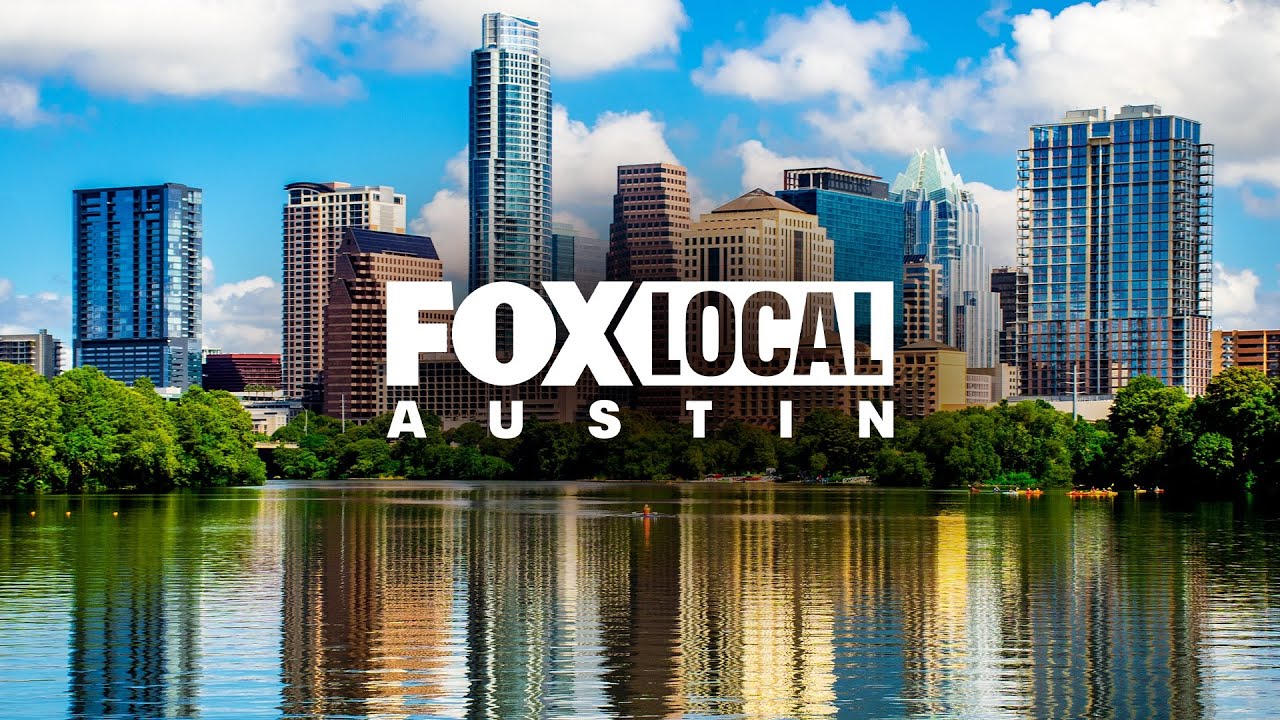
History of Austin: From Frontier Settlement to State Capital
Austin is named after Stephen F. Austin — the "Father of Texas," who organized the colonization of these lands by American settlers in the 1820s. The city was founded in 1839 specifically as the new capital of the Republic of Texas, and the choice fell on a picturesque location along the Colorado River in the Texas Hill Country. The settlement was originally called Waterloo, but was soon renamed in honor of Stephen Austin.
The path to capital status proved thorny. During the republic's independence, the capital moved repeatedly from city to city, and the issue was finally resolved after the so-called "Archives War" in 1842, when government archives were forcibly returned to Austin from Houston. Since then, the city has remained the political center of the state, and the Texas State Capitol — its architectural centerpiece.
Today, Austin is one of the fastest-growing cities in the United States with a population of about one million within city limits and over two million in the metropolitan area. You can observe its dynamic life through Austin webcams installed at key points throughout the city.
Musical Soul: Over 250 Live Music Venues
Austin officially carries the slogan "The Live Music Capital of the World". This is not just an advertising tagline: the city has over 250 live music venues, more per capita than any other city in the United States. Its reputation as a music hub began forming in the 1970s, when the legendary Armadillo World Headquarters club became a meeting place for country, rock, and blues.
Today, Austin's music scene spans all genres — from bluegrass and country to indie rock and electronic music. 6th Street, with its bars and clubs, remains the epicenter of nightlife, while the East Austin and South Congress districts offer more alternative venues. Annual festivals SXSW and Austin City Limits attract musicians and audiences from around the world.
The Bat Bridge: A Unique Natural Spectacle
One of Austin's most astonishing attractions is located right in the city center. The Ann W. Richards Congress Avenue Bridge is home to the largest urban bat colony in the world — approximately 1.5 million Mexican free-tailed bats. These bats arrive in Austin from Mexico every spring and settle under the bridge spans, where the space between concrete slabs creates an ideal microclimate for raising their young.
The spectacle of millions of bats emerging at dusk to hunt draws up to 100,000 tourists annually from mid-March through early autumn. Thousands of winged silhouettes against the sunset sky over the Colorado River — it's a sight that's hard to forget. Many Austin webcams online broadcast views of the bridge, allowing people to observe this natural phenomenon from anywhere in the world.
Food Trucks and the Culinary Revolution
Austin's culinary scene is a separate chapter in the city's history. Food trucks appeared in Austin in the early 1990s on South Lamar Street, where family-run Mexican taco carts created one of the first mobile kitchen scenes in the United States. Today, the city has hundreds of food trucks offering everything from classic Texas barbecue to Vietnamese pho and Ethiopian cuisine.
Food trucks have become more than just a way to grab a quick bite — they've become a true cultural institution. They gather in food truck parks across the city, creating a unique atmosphere of public space. Many well-known Austin restaurants started with mobile kitchens, and today, culinary Austin is recognized as one of the best food cities in America.
"Keep Austin Weird": The Philosophy of Local Residents
The slogan "Keep Austin Weird" was coined by Red Wassenich in 2000 during his appearance on KOOP radio station. Originally, it was aimed at supporting small businesses and local independent stores in opposition to chain retailers. Today, this slogan has become the city's philosophy, reflecting its commitment to individuality, creativity, and unconventionality.
Austin's "weirdness" manifests in everything: from graffiti and street art on East Austin walls to unusual shops on South Congress Avenue. Here you can find a Victorian museum of illusions, a rare vinyl record store, a cafe with live snakes, and a bar designed like an early 20th-century pharmacy. This is a city where eccentricity is not the exception, but the norm.
Silicon Hills: The Tech Boom
The nickname "Silicon Hills" was earned by Austin due to its high concentration of tech companies and startups. The city is home to headquarters of major corporations such as Apple and Tesla, as well as regional offices of Dell, IBM, Google, and many others. The University of Texas at Austin is one of the largest suppliers of engineering talent in the country.
The tech sector has transformed the city's economy and architectural landscape. Former industrial districts have been converted into modern office complexes and coworking spaces, while downtown skyscrapers stand alongside 19th-century historic buildings. This contrast between old and new is one of the defining features of modern Austin.
Unusual Traditions and Local Celebrations
Austin is famous for its unique traditions that can't be found anywhere else. The annual Eeyore's Birthday Party has been held since 1963 on the last Saturday of April in Pease District Park. The celebration features costume parades, drum circles, live music by local bands, hula hoop and unicycle competitions, and a local crafts fair.
The festival began as a University of Texas graduation party and has grown into a major city event while retaining its informal, almost hippie spirit. It's a vivid example of how Austin creates and maintains unique cultural traditions that are passed down from generation to generation.
City Neighborhoods: From Historic Center to Creative Clusters
Austin is a city of contrasts, where each neighborhood has its own unique character. Downtown, with its skyscrapers and Capitol, is the business heart of the Texas capital. South Congress Avenue, known as SoCo, is a bohemian district with boutiques, restaurants, and music clubs. East Austin is experiencing a Renaissance, transforming from a historically African-American neighborhood into a hub of the creative industry with galleries, studios, and craft breweries.
The Zilker neighborhood, with its park and Barton Springs natural pool, is a favorite recreation spot for locals. Hyde Park and Mueller attract couples with their historic districts and modern infrastructure. Each neighborhood of Austin tells its own story, and Austin webcams allow you to feel the atmosphere of each one.
What the Cameras Show
Austin webcams live are installed at the city's most significant locations, allowing you to observe its life in real time. Cameras on Congress Avenue offer views of the famous bat bridge and downtown. Broadcasts from the Colorado River waterfront show Lady Bird Lake park, where locals run, boat, and enjoy sunsets.
Austin online streaming is available from panoramic cameras on the rooftops of high-rise buildings, offering views of the entire Texas capital — from the Capitol to the University of Texas campus. Austin webcams downtown can be watched right now: they capture the pulse of a city where history meets innovation, and natural wonders coexist with technological breakthroughs.