

🏙️ Alpine Webcams Online — Watch in Real Time
1 cameras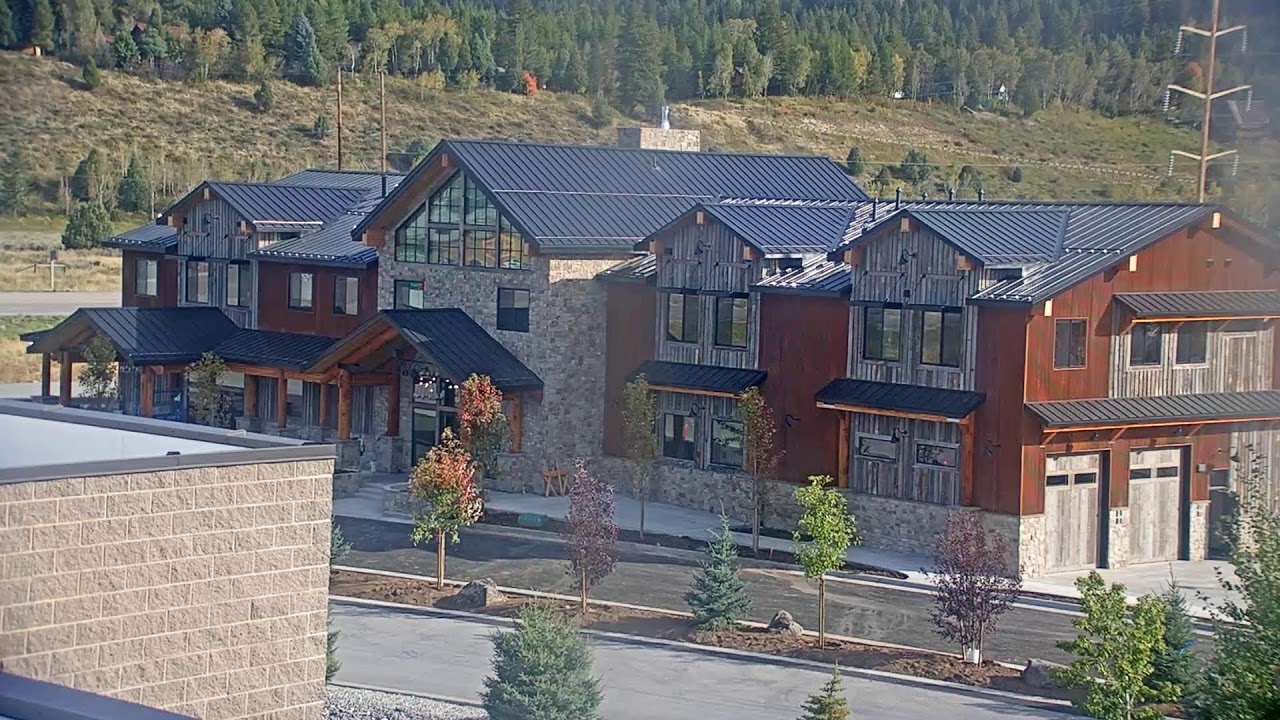
Alpine: Gateway to the Desert and Mountains of Texas
Alpine is not just a dot on the map of West Texas. It is a place where high desert meets mountain grandeur, and the measured pace of a small town coexists with the scale of natural landscapes. Situated at 4,462 feet (1,360 m) above sea level, Alpine offers views rarely seen in a state associated with endless plains. The surrounding mountain peaks exceed a mile in height, creating a dramatic backdrop for the compact downtown with its early 20th-century brick buildings.
The city serves as the unofficial capital of the vast Big Bend region — an area of 12,000 square miles encompassing Brewster, Presidio, and Jeff Davis counties. With a population of only about 12,500 across this giant area, Alpine remains the largest settlement and logistics hub for exploring Big Bend National Park, Big Bend Ranch State Park, and McDonald Observatory.
History of Alpine: From Railroad Tents to Cultural Capital
The history of settlement at the site of present-day Alpine dates back to 1882, when a group of railroad workers set up a tent camp by a creek at the foot of a mountain. The city was officially founded in 1883 and named "Alpine" because of the surrounding mountains — an almost ironic name for Texas that reflects the uniqueness of the local landscape.
Railroad construction transformed the temporary camp into a permanent settlement. By the early 20th century, Alpine had become a trading center for ranchers and miners extracting mercury from the nearby mountains. This boom attracted architects and entrepreneurs, traces of which are still visible in the historic downtown. Today, Alpine webcams allow you to observe this heritage in real time — from the brick facades of the Holland Hotel to the modern coffee shops on Main Street.
Geographic Location and Climate
Alpine is located in western Texas, approximately 330 km southeast of El Paso and 500 km west of San Antonio, at the intersection of US Highways 67, 90, and Texas 118. It is a crossroads of roads leading to the region's main natural attractions.
The high elevation creates a climate unique for Texas — cool winters with rare snowfalls and hot but dry summers. The temperature difference between day and night can reach 20 degrees, making the weather unpredictable. This is why online streaming from Alpine is so valuable — you can see how quickly the lighting changes on mountain slopes and how clouds settle into the valleys.
Attractions and Unique Places
Downtown Alpine is known for its colorful murals on building walls, which are part of a historic walking tour. Each mural tells the story of the region — from Native Americans to space exploration. It is an open-air gallery that turns a walk through downtown into a cultural journey.
Kokernot Field — a historic baseball stadium in Spanish colonial style, built in 1947. It is often called the "Texas Field of Dreams" and a smaller copy of Wrigley Field. Sports Illustrated named it the best small baseball field in Texas. The professional minor league team Alpine Cowboys still plays here, preserving the atmosphere of mid-century American sports.
Holland Hotel — a historic hotel that opened its doors in 1928. Designed by renowned regional architect Henry Trost during the mercury mining boom, it remains an architectural gem of the city. Legend has it that cowboys, miners, and even presidents stayed within its walls.
The Museum of the Big Bend, located on the campus of Sul Ross State University, documents the history of the region from prehistoric times to the present day. Free admission makes it accessible to anyone who wants to understand how the desert and mountains have shaped human life for millennia.
Education and Science: Sul Ross State University
Sul Ross State University is not just a university, it is the heart of Alpine's intellectual life. Founded in 1917, it attracts students from across Texas with unique programs in desert biology, geology, and natural resource management. The campus with mountain views creates an atmosphere far from a typical college town.
It is here that systematic research on the mysterious Marfa Lights has been conducted since the 1980s. The geographic proximity to the phenomenon makes the university a center for scientific study of this anomaly. Students and faculty use modern equipment for observation and analysis, trying to unravel a mystery that has intrigued minds for over 130 years.
Regional Mysteries: The Marfa Lights
Marfa Lights — a mysterious optical phenomenon in the form of flickering balls of light, observed in the desert near the town of Marfa (about 26 miles from Alpine) for over 130 years. They appear at night, move unpredictably, change color and brightness, and then vanish without a trace.
There are dozens of theories — from autokinetic illusions and atmospheric refractions to ghosts of Spanish conquistadors and UFOs. None have received definitive scientific confirmation. Local observatories and university researchers continue to collect data, but the lights remain one of the most enduring mysteries of the American West. For tourists, Alpine serves as a base for trips to the viewing site — a special platform on Highway 90 attracts thousands of visitors annually.
Sports and Recreation in the High Desert
Alpine is not just museums and mysteries. It is a place for outdoor activities in conditions atypical for Texas. The city is surrounded by training routes for runners and cyclists accustomed to altitude. Dry air and elevation changes create ideal conditions for competition preparation.
Baseball season at Kokernot Field is an event that brings the whole community together. The historic stadium with stone walls and wooden bleachers transports spectators back to the 1950s. The professional team Alpine Cowboys plays in a summer league, and the atmosphere at games resembles a small celebration of American sports.
For astronomy enthusiasts, Alpine is the starting point to McDonald Observatory, located in the Davis Mountains. One of the darkest skies in the continental United States makes this place a mecca for stargazers.
What the Cameras Show in the City
Alpine webcams online offer views of the key points of this unique city. Streams from downtown show traffic on the main streets, brick buildings of the historic downtown, and mountains on the horizon. Cameras aimed at the surroundings demonstrate the changeable weather of the high desert — from scorching sun to rare thunderstorms.
Watching Alpine webcams is worthwhile for various reasons: to assess road conditions before a trip to Big Bend, to watch the sunset over the Davis Mountains, or simply to feel the atmosphere of a small Texas town frozen between the desert and the sky. Online streaming from Alpine is a window into a region where time flows slower and space feels infinite.
When choosing a camera, pay attention to angles with a view of downtown — that is where the main life of the city is concentrated. Cameras at the entrances to Alpine show approaches to the city through the desert, where roads stretch straight to the horizon. This is the Texas you won't see in the movies — quiet, spacious, and majestic in its own way.