

🏙️ Webcams St. John's Online — Watch the City in Real Time
2 cameras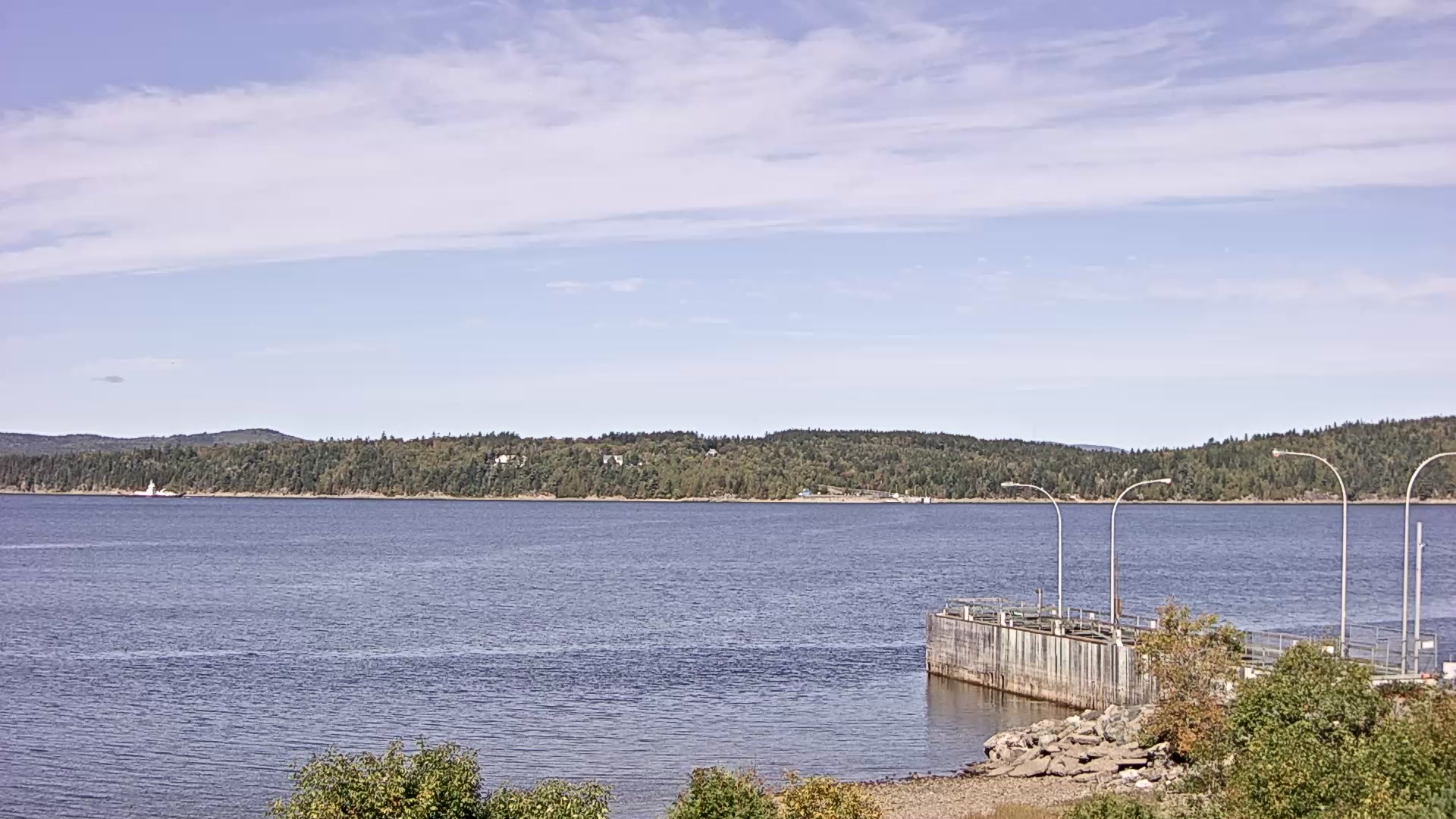

St. John's — Eastern Gateway of North America
St. John's is a city where history begins with the sea. Located on the easternmost edge of the continent, it meets the Atlantic openly and vulnerably. It was here, in the harbour that never freezes, that John Cabot dropped anchor on June 24, 1497, revealing to Europe the fish-rich coast of Newfoundland. Since then, the city has endured fires, wars, economic crises, and revivals, yet it has preserved the spirit of a maritime vanguard. St. John's is not just a dot on the map — it is a place where every stone holds the memory of sailors, fishermen, and aviators who made history from here.
The architecture of St. John's tells its own story. Narrow streets descending to the harbour are lined with 19th-century wooden houses that survived the Great Fire of 1892 and subsequent restorations. The city centre is a labyrinth of steep descents and ascents, where every step reveals a new view of the ocean or the colorful facades of neighboring streets. St. John's is a city to be explored on foot, feeling the cobblestones underfoot and breathing in the salty Atlantic air.
Signal Hill — Where the Wireless Communication Era Began
Rising 167 metres above the harbour, Signal Hill dominates the city as a historical sentinel. This hill witnessed the last battle of the Seven Years' War in North America on September 15, 1762, when French troops surrendered to the British under William Amherst. From then on, the hill remained a strategic military site through World War II, and its summit was used for signal communication with ships in the harbour.
But true world fame came here on December 12, 1901, when Guglielmo Marconi received the first transatlantic wireless transmission — the letter "S" in Morse code, sent from Poldhu, England, over a distance of 3,500 km using an antenna lifted by a kite. This event changed the world forever, making St. John's the cradle of modern wireless communication. Today, the summit is crowned by Cabot Tower, built in 1897 to mark Queen Victoria's Diamond Jubilee and the 400th anniversary of Cabot's landing. From here, the panorama is breathtaking: the boundless Atlantic, colorful houses below, and the endless horizon line beyond which Europe begins.
On the slopes of Signal Hill, fortifications from different eras have been preserved — from 18th-century French cannons to 19th-century British batteries. The Royal Barracks have been restored to their 1862 appearance, and at the Ladies' Lookout — the highest point of the hill — legend has it that the women of St. John's watched for the return of their husbands and sons on incoming ships. The daily noon gun, which historically helped ships check their time, still fires to this day.
Colorful Houses and Maritime History
Walking through the streets of St. John's, it's impossible not to notice the bright facades of the wooden houses. This tradition has its roots in the maritime past: according to one version, sailors painted their homes in vivid colors so they could see them from the sea in thick fog. Others believe that bright paints helped brighten the grey, overcast days, of which there are more than 124 per year in the city. In the 1970s, the city launched a downtown revitalization program, encouraging residents to paint their facades. This is how the famous "jellybean rows" — rows of houses painted in every color of the rainbow came to be.
Today, these colorful houses have become the hallmark of St. John's and a magnet for photographers. They create a unique atmosphere that sets the city apart from any other in North America. Each house has its own story — fishermen, merchants, and sailors lived here, who returned from voyages and found their homes by their bright facades in the thick fog. The tradition of painting houses in bright colors has been preserved to this day, turning St. John's into a living palette on the edge of the Atlantic.
Icebergs and Iceberg Alley
From early spring to the beginning of summer, St. John's transforms into a theatre of icebergs. Ice giants that have calved from Greenland's glaciers sail south along the so-called Iceberg Alley — from the coast of Labrador to Newfoundland. The best time for observation is late May and early June, when icebergs are less constrained by sea ice and pass close to the shores. In some years, the season can stretch into early July, especially in the northern parts of the island.
You can watch the ice mountains from Cape Spear — the easternmost point of North America, from the St. John's harbour waterfront, or during sea excursions from Bay Bulls. Some icebergs reach a height of 15 metres and contain water frozen 12,000 years ago. You can watch them for hours — they drift slowly, shimmering in blue and white hues in the sun. For many tourists, encountering an iceberg becomes the highlight of visiting St. John's, and locals still regard these ice wanderers with respect and awe.
George Street — Heart of Nightlife
Two blocks of pedestrian-only George Street are a concentration of Irish spirit and Canadian joie de vivre. Here you'll find the highest concentration of pubs and bars per square foot in all of Canada — more than 20 establishments on a single block. During the day, the street is open to cars, but from noon it transforms into a pedestrian zone where music pours from every open window. The variety of music is astounding: from traditional Newfoundland folk to jazz, hip-hop, rock, and reggae.
The history of George Street is tragic: it was here on June 9, 1846, that the Great Fire began, which destroyed most of the city. The fire broke out in the cabinetmaker Hamlin's workshop when a glue pot boiled over, and within hours it burned block after block. Today, the street lives through music — the annual George Street Festival draws thousands of spectators to open-air stages, and local musicians from Ron Hynes to Great Big Sea and Blue Rodeo have performed here, creating an atmosphere that cannot be found anywhere else in North America.
Four Seasons in One Day
The climate of St. John's is a separate character in the city's story. The city holds the title of the foggiest in Canada with 124 days of fog per year and the windiest among major cities with an average wind speed of 24 km/h. Locals joke that you can experience all four seasons in a single day here. The morning may start with bright sunshine, fog may roll in by lunchtime, rain may fall in the afternoon, and the evening may clear up again.
The unique time zone — Newfoundland Standard Time — is half an hour ahead of Atlantic Time, making St. John's the only city in North America with such an offset. This is yet another detail that underscores the specialness of this place on the edge of the continent. Fog here is not just a weather phenomenon — it is part of the city's identity, enveloping St. John's in a mystical haze and creating an atmosphere that is impossible to forget.
Waterfalls and Nature Around the City
St. John's is surrounded by wild nature that begins literally just beyond the city limits. Just a few minutes' drive from the centre, you'll find waterfalls, hiking trails, and viewpoints overlooking the Atlantic. The Bowring Park area is the green lungs of the city, where you can walk among century-old trees and watch streams flow into ponds. In the vicinity of St. John's, there are ecological reserves where puffins, guillemots, and other seabirds nest.
Cape Spear — the easternmost point of North America — attracts not only tourists but also those who want to see the sunrise before anyone else on the continent. A 19th-century lighthouse has been preserved here, which still serves as a landmark for ships. In good weather, the cape offers a view of the boundless ocean, and during iceberg season — of the ice mountains passing in the distance. The nature of St. John's is harsh and beautiful at the same time, and it is this combination that makes the city so attractive to travellers.
What the Cameras Show
St. John's webcams online offer views of the city's key landmarks: the harbour, Signal Hill, the waterfront, and central streets. Live broadcasts allow you to see how the weather changes throughout the day, how fog envelops the hill, or how icebergs drift in the distance. Watching St. John's webcams is an opportunity to observe the life of the easternmost city in North America at any time of day. The St. John's downtown webcam shows activity along the waterfront and vessels in the harbour, while cameras on Signal Hill open up a panorama of the entire city and the ocean. Choose a broadcast to see St. John's online in real time and feel the atmosphere of this unique place on the edge of the continent.