

🏙️ Solihull Webcams Online — Watch the City in Real Time
1 cameras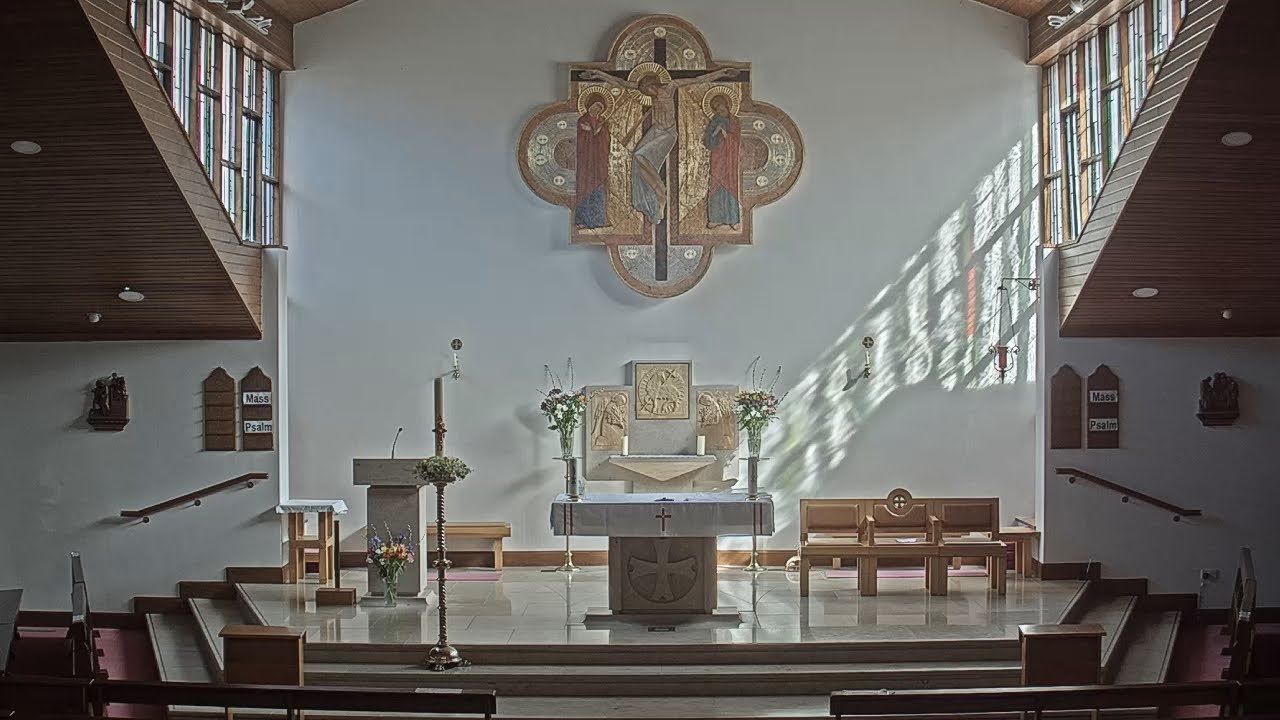
History of Solihull: From a Muddy Hill to the Best Place to Live
The name of this West Midlands city carries a straightforward medieval honesty. Solihull derives from soily hill — a muddy hill — and there's nothing romantic about it. Local red clay soils turned surrounding heights into impassable mud for centuries during the rainy season. But it was this very feature that saved the settlement from the fate of neighbouring industrial giants. The Industrial Revolution bypassed Solihull, unlike Birmingham and the Black Country, and the city preserved its green soul.
In the Domesday Book of 1086, the Solihull area was recorded as one of the most sparsely populated in the country. Scattered farms, small hamlets and a trading post — that's what this place looked like nearly a thousand years ago. But it was from this modest market seed that a city grew, which in 2013 the uSwitch Quality of Life Index named the best place to live in the UK. From a muddy hill to national recognition — a journey a millennium long.
Architectural Heritage: Tudor Facades and Medieval Spires
The centre of Solihull is a layering of eras that can be read like a textbook of English architecture. The dominant silhouette is set by St Alphege Parish Church — a medieval church with a 51-metre spire, towering over the city since the 13th century. Its spire is visible for miles and has served as a landmark for travellers for more than seven centuries.
In the central part of the city, examples of timber-framed houses and shops in Tudor style have survived — dark wooden beams on white plaster create that recognisable English charm. These buildings have endured wars, reconstructions and modernisations, stoically preserving the appearance of the old market. In surrounding villages such as Tanworth in Arden, you can find a church with stained glass windows including a millennium window — another stroke in the architectural portrait of the region.
The City's Green Lungs: Parks and Nature Reserves
Solihull is located in the historic Forest of Arden area on the banks of the River Blythe, and nature here is not decoration but the foundation of the city's identity. The two main parks — Malvern and Brueton — form an interconnected green space. Their total area is about 130 acres, and these are the true lungs of the city, where residents jog in the morning, walk dogs and feed ducks on the ponds.
But the most unusual natural fact about Solihull is connected not with scale but with miniature size. It is home to the UK's first dedicated hedgehog conservation zone. The city became a pioneer in protecting these prickly inhabitants of British gardens, creating safe corridors between parks and private gardens. If you watch Solihull webcams in the central parks, there's a chance to spot these night visitors in evening broadcasts.
Tolkien and Solihull: Literary Connections of Middle-earth
J.R.R. Tolkien's connection with this region is one of those cultural threads that make Solihull a place of pilgrimage for Tolkien fans from around the world. The writer's father Arthur Tolkien was a pupil at Solihull School in the 1860s. John Ronald Reuel himself spent his early childhood in neighbouring Sarehole, where the family moved when the boy was four years old.
Tolkien described Sarehole as a lost paradise — a mill, fields, a slow river and a village atmosphere untouched by factory smoke. It was this landscape that became the prototype for the Shire in The Hobbit and The Lord of the Rings. Sarehole Mill, a watermill on the River Cole, still stands and operates as a museum. For those who know where to look, Solihull and its surroundings are the geographical foundation of Middle-earth, captured in webcams of neighbouring Birmingham and accessible through regional broadcasts.
Modern Solihull: Commerce, Infrastructure, Rhythm of Life
Solihull's pedestrianised High Street is an artery along which you can trace the city's evolution from a market to a modern commercial centre. In 1994, the main street was turned into a pedestrian zone, freeing up space for cafés, shops and street life. And on 2 July 2002, Queen Elizabeth opened the large Touchwood shopping centre, which became a new focal point for the entire West Midlands.
Today, Solihull is a balance between historical heritage and modern professional infrastructure. It is home to offices of major companies, medical centres and educational institutions. Solihull School, the very one where Tolkien's father studied, continues to operate as one of the region's prestigious schools. The city grew through trade and crafts while maintaining its connection to historical architecture — Tudor facades peacefully coexist with glass facades of business centres.
Districts and Surroundings: From the Centre to the Forest Edges
Solihull administratively covers not only the city itself but also a number of adjacent villages and districts, each with its own character. The central part is a compact core with High Street, churches and parks. To the north and east lie residential quarters with Victorian and Edwardian buildings interspersed with modern housing developments.
The Forest of Arden area, in which the city is located, defines its green character on the outskirts. Villages such as Tanworth in Arden, Dorridge and Knowle are part of a single municipal district, but each retains its village identity. The River Blythe and numerous streams create a network of green corridors through which wildlife penetrates into the very heart of urban development. That is why the hedgehog conservation zone here does not seem accidental — it is a logical continuation of a centuries-old tradition of coexisting with nature.
Cultural Life and City Events
Solihull is not an industrial centre or a university town in the classical sense, but its cultural life is richer than one might expect. The city theatre, libraries, music festivals and sporting events form the event calendar. Proximity to Birmingham means residents have access to concerts, exhibitions and top-level matches while still enjoying the benefits of a quiet life.
Solihull School and other educational institutions contribute to the intellectual atmosphere. Sports clubs, golf courses, cricket grounds — a typically English set of entertainments available at any time. Solihull webcams online allow you to see how the city lives in real time: pedestrians on High Street, park greenery, traffic on main roads.
What the Cameras Show
Solihull webcams cover key points of the city and its surroundings. Central broadcasts show High Street and adjacent squares where commercial and social life is concentrated. Cameras in Malvern and Brueton parks offer views of green spaces, ponds and walking paths. Some broadcasts capture architectural landmarks — the spire of St Alphege Church and Tudor facades of the old centre.
For those interested in the literary heritage of the region, it's worth looking for cameras in the direction of Sarehole and neighbouring areas of Birmingham — that's where the landscapes that inspired Tolkien are located. Broadcasts from roads and transport interchanges give an idea of the current situation and traffic congestion. Choose a camera depending on what you want to see: city bustle, park tranquillity or architectural details — and watch Solihull online in real time.