

🏙️ Horton-in-Ribblesdale webcams online — watch live streaming
1 cameras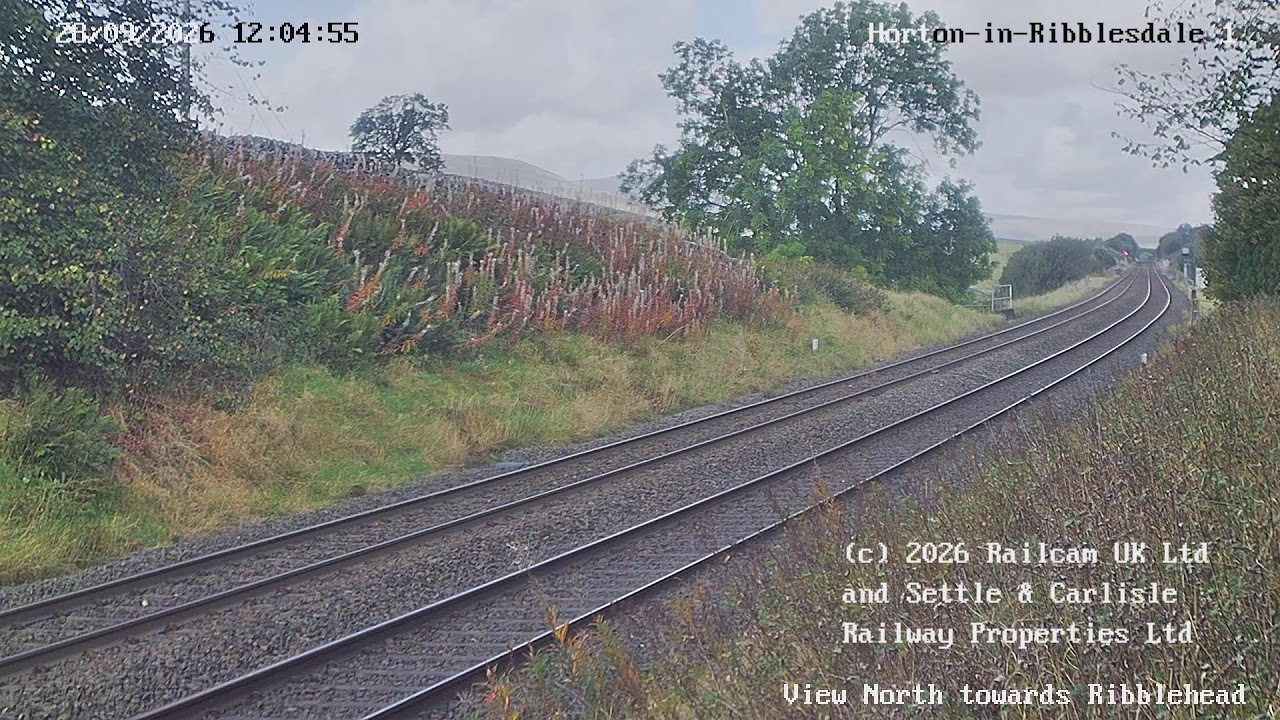
A village where time stands still
Horton-in-Ribblesdale is a tiny Yorkshire village, lost among limestone crags and green pastures of the Yorkshire Dales National Park. It's a place where stone breathes history and the wind carries the scent of heather moorlands. There's no hustle and bustle of megacities here — only the steady pulse of rural life, interrupted by train whistles on the Settle-Carlisle railway and the footsteps of hikers setting off to conquer the peaks.
The village lies in the picturesque valley of the River Ribble, surrounded by three legendary peaks that shape its unique character. Horton-in-Ribblesdale is not just a dot on the map, but a gateway to the wild nature of Northern England, where every stone holds the memory of past centuries.
A thousand years of history frozen in stone
The first written records of the settlement date back to the Domesday Book of 1086, where it appears under the name "Horeton." This means the village has existed for over nine centuries, surviving the Norman Conquest, medieval wars, and the Industrial Revolution.
But the history of these places goes even deeper — an ancient Roman road runs through the village, connecting the forts at Ribchester and Bowness-on-Solway. The Romans appreciated the strategic value of this location almost two thousand years ago, and their legacy is still visible in the outlines of ancient paths carved through the passes.
The village's main historical monument is the Church of St Oswald, built in the 12th century. It underwent expansion in the 15th century and a major restoration in 1879. Inside the church, medieval tombs and a 13th-century sacristy have survived — silent witnesses to an era when the Yorkshire Dales were a battleground of clan conflicts and religious wars.
The Yorkshire Three Peaks: a challenge for every traveller
Horton-in-Ribblesdale is known worldwide as the starting point of the legendary "Yorkshire Three Peaks" route. This classic hike covers three peaks: Whernside (736 m), Ingleborough (723 m), and Pen-y-ghent (694 m). Every year, thousands of hikers come here to test their strength and tackle approximately 39 kilometres of challenging terrain with a total ascent of around 1,600 metres.
The Yorkshire Three Peaks race has been held in the village since 1954. This event transforms the quiet hamlet into a magnet for climbers and extreme hiking enthusiasts from across the UK. Participants start and finish here, in the shadow of limestone cliffs, creating a unique atmosphere of sporting camaraderie.
For those who prefer less extreme adventures, each of the three peaks offers routes of varying difficulty. Pen-y-ghent, with its distinctive profile resembling a whale's back, is the most accessible for beginners. Ingleborough impresses with its plateau-like summit and the remains of an Iron Age hillfort at the top. Whernside, the highest of the trio, offers panoramic views of the west coast and the Lake District.
Ribblehead Viaduct: an engineering masterpiece amid the moorlands
A few kilometres from the village stands the Ribblehead Viaduct — a monumental structure of Victorian engineering. Built between 1869 and 1875 as part of the Settle-Carlisle railway line, it features 24 arches, reaches a height of 32 metres, and stretches 400 metres across the marshy valley.
The construction of the viaduct was a true feat of engineering and human labour. Thousands of workers, known as "navvies," toiled in the harsh conditions of the Yorkshire moorlands, often sacrificing their health and lives to lay the railway through unforgiving terrain. Today, the viaduct remains operational — trains cross it with impressive regularity, creating a contrast between Victorian grandeur and modern transport.
Horton-in-Ribblesdale railway station was opened on 1 May 1876 and sits at an altitude of 255 metres above sea level. It serves as an important transport hub for hikers heading to the Three Peaks and for travellers following the scenic Settle-Carlisle route — one of the most beautiful railways in Britain.
The underground world: caves and karst systems
The limestone geology of the Yorkshire Dales has created a unique underground landscape, and Horton-in-Ribblesdale lies at its very heart. Hall Pot cave is one of the longest cave systems in the UK, stretching approximately 10 kilometres. It attracts cavers and divers from across Europe, offering challenging underwater passages and impressive underground chambers.
The karst landscape around the village forms a characteristic "clint and grike" terrain — green meadows alternate with grey limestone slabs, and sinkholes and dolines hint at invisible underground rivers. This geological phenomenon makes the surroundings of Horton a true paradise for geologists and nature lovers.
Architecture and atmosphere of traditional England
The village has preserved the authentic appearance of a Yorkshire settlement — traditional stone houses and farms from the 17th–18th centuries line the narrow lanes, and historic watermills on the River Ribble recall the pre-industrial era. Local stone, quarried from surrounding pits, gives the buildings a distinctive golden-grey hue that changes with the light.
The centrepiece of social life is the historic pub, traditionally serving as a gathering place for hikers, climbers, and locals. Here, over a pint of ale, routes are discussed, stories of conquered peaks are shared, and new adventures are planned. The atmosphere of this establishment is the perfect blend of Yorkshire hospitality and mountaineering spirit.
Natural diversity and landscapes
The surroundings of Horton-in-Ribblesdale are a mosaic of natural habitats. High moorlands with heather and cotton grass give way to wet meadows in the river valley, while limestone crags drop into shady woodlands. This diversity supports a rich variety of wildlife — here you can encounter red grouse, meadow pipits, and in the sky — peregrine falcons and buzzards.
The River Ribble, which gives its name to the entire valley, flows through the village, creating picturesque riverside landscapes. Its clean waters attract anglers, while its banks appeal to those who enjoy leisurely walks. In overcast weather, the river takes on a leaden hue, contrasting with the emerald green of the meadows.
Climate and weather peculiarities
Horton-in-Ribblesdale lies in a zone of temperate oceanic climate with characteristic unpredictability. The weather here can change several times a day — from bright sunshine to pouring rain with fog. The mountainous surroundings create their own microclimate: snow may lie on the peaks while spring thaw prevails in the valley.
Precipitation is evenly distributed throughout the year, but autumn and winter bring the heaviest rains and storms. Summers are mild, with temperatures rarely exceeding 20°C, making the village an ideal destination for hiking during the hottest months. In winter, the landscapes take on a harsh beauty — snow-covered peaks and frosty air create the atmosphere of a true northern fairy tale.
Horton-in-Ribblesdale webcams: a window into the heart of the Yorkshire Dales
For those planning a visit or simply wanting to soak up the atmosphere of this unique place, Horton-in-Ribblesdale webcams online offer the chance to observe village life in real time. Live streams allow you to see trains crossing the legendary viaduct, hikers gathering at the start of the Three Peaks route, and the changing light on the limestone cliffs throughout the day.
Watching Horton-in-Ribblesdale via webcam is an opportunity to assess weather conditions before a hike, check trail traffic, or simply enjoy the beauty of Yorkshire landscapes without leaving home. Online broadcasts run around the clock, allowing you to observe the village in the rays of the setting sun and in the morning mist hovering over the River Ribble.
What the cameras show
This page features Horton-in-Ribblesdale webcams covering key locations in the village and its surroundings. Here you'll find broadcasts from the railway station, where you can watch trains on the Settle-Carlisle line, cameras overlooking the village centre and historic buildings, as well as panoramic streams offering views of the surrounding peaks and the River Ribble valley.
By selecting a specific camera, you can examine the architecture of traditional Yorkshire stone houses in detail, monitor weather changes in real time, or watch hikers preparing to climb the Yorkshire Three Peaks. Each broadcast is a unique opportunity to connect with the life of this amazing place, where history and nature intertwine into a single landscape.