

🏙️ Glasgow webcams online — watch the Scottish city in real time
1 cameras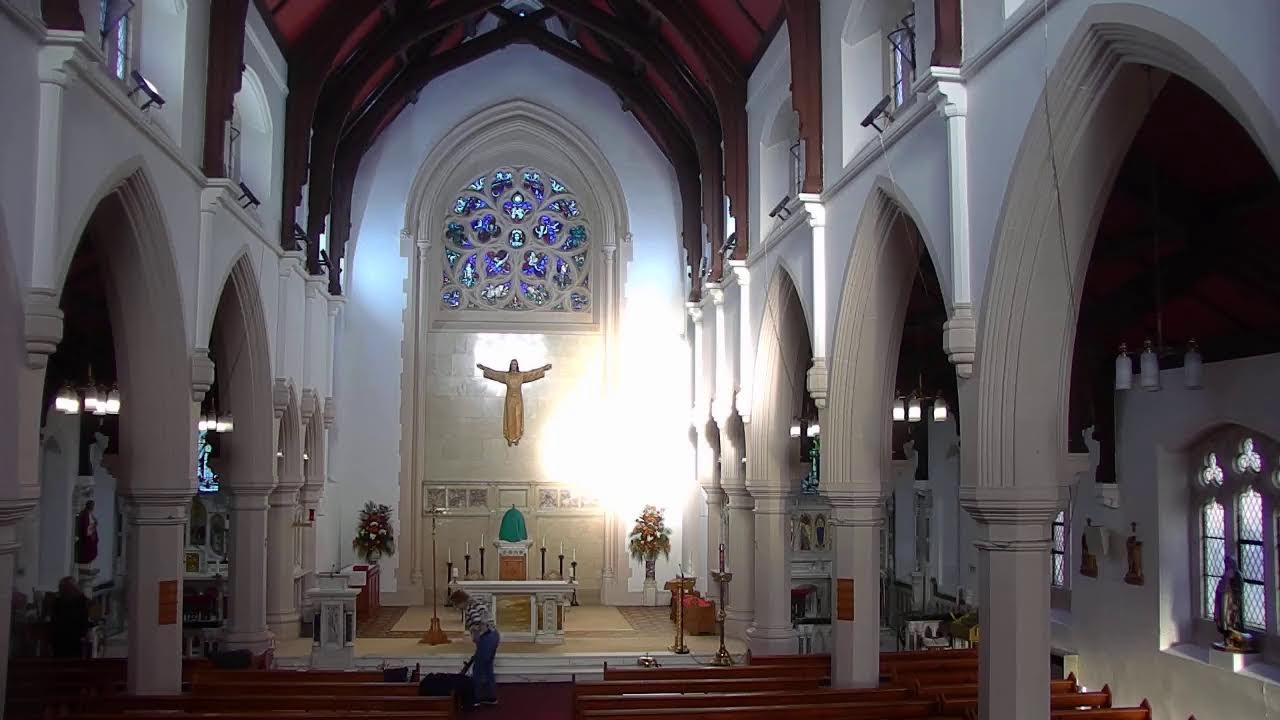
Origin of the name and the green hollow
Glasgow is the largest city in Scotland, whose name has roots in the ancient Brittonic language. The word was formed from the merger of the Cumbric words glas and cau, which in translation means "green hollow". This poetic name reflects the hilly landscape and abundance of parks that still make Glasgow one of the greenest cities in Europe. Modern Glasgow webcams allow you to see this greenery in real time — the city is truly striking for the number of trees and lawns among the stone quarters.
The architectural revolution of Charles Rennie Mackintosh
Glasgow is unthinkable without its most famous son — Charles Rennie Mackintosh (1868–1928), an architect and designer who became the leading representative of the Art Nouveau style in Britain. Mackintosh graduated from the Glasgow School of Art and together with the group "The Four" created a unique movement known as the Glasgow School style.
His architectural signature is recognizable at first glance: strict straight lines and angles contrast with delicate floral motifs and subtle curves. The famous "Mackintosh Rose" became the symbol of this movement — a geometric stylization of a flower that adorns facades, furniture, and interiors of buildings throughout the city. The Glasgow School of Art building on Renfrew Street remains the master's masterpiece, despite the 2018 fire that damaged part of the interiors.
The Duke of Wellington statue and the traffic cone
In the square in front of the Gallery of Modern Art stands one of Glasgow's most unusual landmarks — the equestrian statue of the Duke of Wellington, created by Italian sculptor Carlo Marocchetti and erected in 1844. The monument was built with public subscription funds in honor of the end of the Napoleonic Wars in 1815.
However, the statue's fame is not tied to its historical significance but to a mischievous tradition. Since the mid-1980s, local pranksters have regularly placed an orange traffic cone on the Duke's head. In 2013, the city council even considered a plan to raise the pedestal to thwart the pranksters, but the tradition has survived. Today the cone has become an unofficial symbol of Glasgow and its self-deprecating humor — you can see the statue via Glasgow webcams online, and it's quite possible that the famous cone will be sitting on the Duke's head.
UNESCO City of Music
In 2008, Glasgow was awarded the status of UNESCO "City of Music" — a title the city wears with pride and good reason. The fact is that Glasgow hosts over 100 music concerts every week — from intimate venues to huge arenas. The Royal Concert Hall, the Barbirolli Centre, the legendary King Tut's Wah Wah Hut where Oasis and Radiohead once played — the city's music scene is incredibly diverse.
Glasgow has given the world bands such as Simple Minds, Primal Scream, Franz Ferdinand, and Mogwai. The streets of Merchant City and the West End are filled with the sounds of street musicians, and the clubs on Sauchiehall Street throb with electronic music until dawn. You can feel the rhythm of the city by turning on Glasgow webcams in the evening — the lively streets and packed squares show that life here buzzes around the clock.
The "Clockwork Orange" Subway
Beneath the streets of Glasgow lies one of the most unusual transport systems in the world. Glasgow Subway opened on December 14, 1896 and became the fifth metro system in the world. Since then, it has never been expanded — the network still consists of a single circular line 10.4 km long with 15 stations.
The tunnels, 3.35 meters in diameter, are laid at a depth of about 10 meters — making it one of the shallowest metro systems in the world. The bright orange color of the carriages and the circular shape of the line led to the affectionate nickname "Clockwork Orange". Trains run in both directions around the loop, and a full circuit takes about 24 minutes. The stations have retained their Victorian charm, and some still operate original early 20th-century escalators.
The River Clyde and the shipbuilding empire
The River Clyde is the artery that made Glasgow what it is. In the 19th century, over 20 shipyards operated on its banks, launching the largest and fastest ships of the era. Glasgow became the world capital of shipbuilding, and its craftsmen were renowned throughout the British Empire.
Transatlantic trade with the colonies brought wealth to the city, and Glasgow became the largest metallurgical and shipbuilding center of the empire. Merchants built a port at the mouth of the Clyde, named Port Glasgow. After the opening of the Glasgow-Edinburgh railway line, the city became the world's leading manufacturer of steam locomotives. Today, modern cultural centers stand along the Clyde embankment — the SEC Centre and the Glasgow Science Centre — while old shipyards have been transformed into residential quarters and offices.
Districts and atmosphere of the city
Glasgow is a city of contrasts, where each district has its own character. The West End with its Victorian terraces, tea rooms, and Botanical Garden attracts students and bohemians. Merchant City is the quarter of former tobacco magnates, whose palaces are now occupied by museums and shops. The East End preserves the spirit of working-class Glasgow with the Cathedral of St. Mungo and the Necropolis on the hill.
Govan and the South Side offer quiet residential streets and parks, while the North Side is experiencing a revival with new residential complexes along the embankment. The city is famous for the friendliness of its locals — Glaswegians are known for their warm welcome and sense of humor. The city's architecture ranges from medieval fragments to bold modern buildings, and murals on house walls tell stories about famous citizens.
What the cameras show
This page features Glasgow webcams broadcasting the city in real time. You can watch the main squares, the River Clyde embankment, architectural landmarks, and the busy streets of the center. Glasgow webcams online are an opportunity to see the UNESCO City of Music without having to go anywhere: just choose a stream and enjoy the view of the Scottish metropolis with its green hills, Victorian facades, and ever-changing sky.