

🏙️ Live webcams Barry — watch the town in real time
1 cameras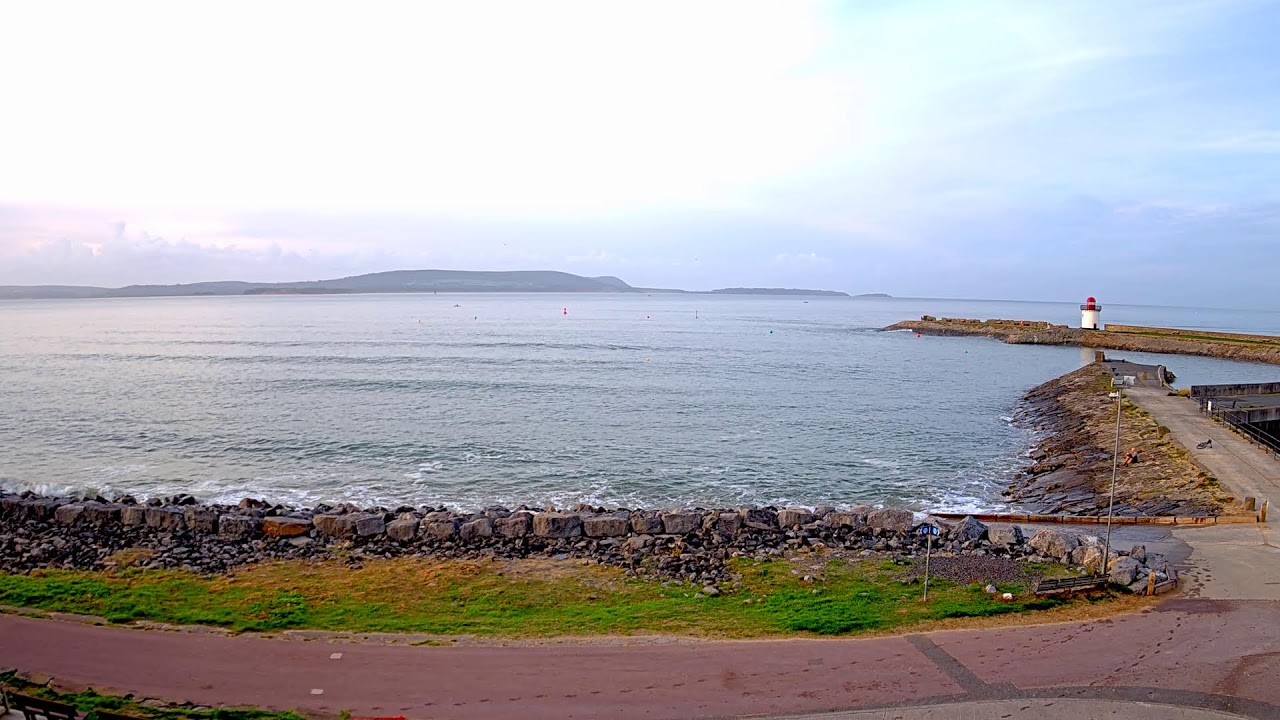
History of Barry: from island to industrial centre
Barry is a town in south-east Wales, situated on the coast of the Bristol Channel. Today it is a settlement with a rich history, but just over a century and a half ago it was a separate island, separated from the mainland by a strait. The peninsula was an island until the 1870s, when it merged with the mainland due to the expansion of Barry and the construction of docks. It was the docks that became the engine which transformed a quiet settlement into one of the most important ports of the British Empire.
Today Barry is part of the unitary authority of the Vale of Glamorgan, a picturesque region with a coastline recognised for its geological and aesthetic qualities. The town attracts tourists not only with its beaches and architecture, but also with its cinematic heritage — it was here that the finale of the cult British series "Gavin and Stacey" was filmed.
The town's architecture tells its history better than any textbook. Victorian terraces stand alongside Edwardian mansions, and former dock warehouses have been converted into residential lofts. Barry's streets hold the memory of thousands of workers who laboured in the port, loading coal from Welsh mines onto ships bound for the most remote corners of the world.
Barry Island: sacred history and tidal records
Barry Island (Ynys y Barri) was named after Saint Baruc — a 6th-century Breton hermit monk, who was buried on the island. Within a mile of the island there were two chapels, a holy well, several burial mounds and the abbey of Peyrol, indicating an ancient history of settlement. The chapel dedicated to Saint Baruc was first built in 1307, and its ruins survive at the northern tip of the island.
But the main natural attraction of these parts is the tides. The Barry coast on the Bristol Channel has the second largest tidal range in the world — 15 metres (49 feet), surpassed only by the Bay of Fundy in Nova Scotia. This means that at low tide the sea retreats a vast distance, exposing the sandy bottom, and at high tide the water returns with astonishing speed. This natural phenomenon can be observed both in person and through Barry webcams installed along the coast.
Local residents are accustomed to this pulsation of the sea. Fishermen go out to fish at low tide, while surfers ride the waves at high tide. Children explore the rock pools left behind by the retreating water, and tourists photograph the dramatic landscapes that change every six hours.
Barry Docks: the coal empire of David Davies
Barry Docks were opened in 1889 by industrialist David Davies — a Welsh industrialist and Liberal politician. The docks were built by the Barry Railway Company and connected the island to the mainland, filling in the strait between them. This engineering solution not only changed the geography of the region, but also created the infrastructure for the rapid growth of the coal industry.
In 1913 Barry Docks exported 11 million tonnes of coal, becoming the world's largest coal export port. The Dock Offices building, constructed by David Davies, still adorns the waterfront and is one of the town's most recognisable architectural landmarks. It was here that the final scene of "Gavin and Stacey" was filmed, where Ness waits for the bus to Southampton.
Today Barry Docks is not only a working port, but also a historic area where you can stroll along the waterfront, explore the old warehouses and feel the atmosphere of industrial Wales at the end of the 19th century. Container terminals and modern cargo vessels stand alongside Victorian cast-iron columns and stone masonry, creating a unique landscape where past and present intertwine.
Whitmore Bay: the main beach and the legacy of "Gavin and Stacey"
Whitmore Bay beach is the main beach of Barry Island, a wide crescent of golden sand bordered by a promenade with a colonnade. The beach is also known as "Barry Island Beach" and is the central holiday destination on the island. In summer it buzzes with life: cafés and attractions are open, and families with children enjoy swimming in the waters of the Bristol Channel.
The beach scenes where the whole company spends a day by the sea were filmed at Whitmore Bay opposite the main square and promenade. The houses of Gwen and Stacey are on Trinity Street on Barry Island — one of the most recognisable locations from the series. Fans of the show still come here to take photographs on the doorsteps of the legendary houses.
Barry webcams pointed at Whitmore Bay allow you to see the beach at any time of year — from summer fun to winter solitude, when the tide rises 15 metres and the promenade with its colonnade frames the surging waves. The online Barry broadcast from the beach is an opportunity to observe the changing seasons, the tides and the way the town lives to the rhythm of the sea.
Amusement park: from Billy Butlin to the present day
The history of the amusement park on Barry Island is inextricably linked with the name of Billy Butlin. Billy Butlin holidayed on Barry Island in the early 1920s in a guesthouse, and it was this visit that inspired him to create the concept of the Butlins chain of holiday camps. The Butlins camp on Barry Island opened on 18 June 1966 — it was the last and smallest of all Billy Butlin's camps. The camp was located at Nell's Point, where Billy Butlin took out a 99-year lease in 1966.
After Butlins closed, the camp was renamed The Barry Island Resort, owned by Majestic Holidays, and closed in 1996. Today the site of the former camp is a residential area, but the memory of Butlin and his vision of family holidays lives on in local museums and the stories of old-timers.
Barry Island Pleasure Park continues to operate on the island, offering attractions for the whole family. It is a place where history meets modernity, and the traditions of a Welsh seaside resort have been preserved for over a century. Here you can ride the rollercoasters, try Welsh sweets and simply enjoy the atmosphere of a seaside resort.
Hidden coves: Jackson Bay and other coastal corners
In addition to the popular Whitmore Bay, the Barry coast hides many secluded coves. Jackson Bay is a small hidden cove on Barry Island, a 15-minute walk from the busy beaches of Whitmore Bay, known as the "secret beach". The cove consists of sand, grey limestone terraces and red clay cliffs and is part of the Vale of Glamorgan coast along with Whitmore Bay and Watch House Bay.
These coves are the ideal place for those who want to escape the crowds and enjoy the wild beauty of the Welsh coast. The red clay cliffs create a striking contrast with the grey limestone, and the tide, rising 15 metres, changes the landscape beyond recognition every day. Barry webcams installed along the coast allow you to see these coves at different times of day and at different tidal states.
Vale of Glamorgan: the heritage of the region
The Vale of Glamorgan (Welsh: Bro Morgannwg) is a unitary authority in south-east Wales, encompassing the towns of Barry, Penarth, Dinas Powis, Llantwit Major and Cowbridge. The Glamorgan Heritage Coast is a picturesque coastline recognised for its geological and aesthetic qualities.
The Vale includes attractions such as Cosmeston Lakes Country Park, Dyffryn Gardens, Ogmore Castle and Cosmeston Medieval Village. These places attract lovers of history, nature and walking. The Vale of Glamorgan coast is a succession of cliffs, coves and beaches, each with its own character and history.
Cosmeston is a particularly interesting place. Here you can see a reconstructed medieval village, walk around lakes created on the site of former quarries, and imagine what Wales looked like centuries ago. Dyffryn Gardens are Victorian gardens with a collection of plants from around the world, and Ogmore Castle preserves the memory of the Norman conquest of Wales.
What the cameras show in the town
Barry webcams are installed at key points in the town and allow you to observe coastal life in real time. The cameras at Whitmore Bay beach show the golden sand, the promenade with its colonnade and the waters of the Bristol Channel. The broadcasts from Barry Docks offer a view of the historic Dock Offices building and the working port. The coastal cameras showcase the famous tides, which rise 15 metres — the second largest in the world.
You can watch Barry webcams online at any time — whether it is morning fog over the docks, midday heat on the beach or an evening sunset over the Bristol Channel. The online Barry broadcast allows you to feel the atmosphere of the Welsh coast without leaving home. The Barry town centre webcam online is an opportunity to see how the town lives, where the history of industrial Wales meets the resort romance of Barry Island.