

🏙️ Benidorm Webcams Live — Watch the City with Beaches and Skyscrapers Online
1 cameras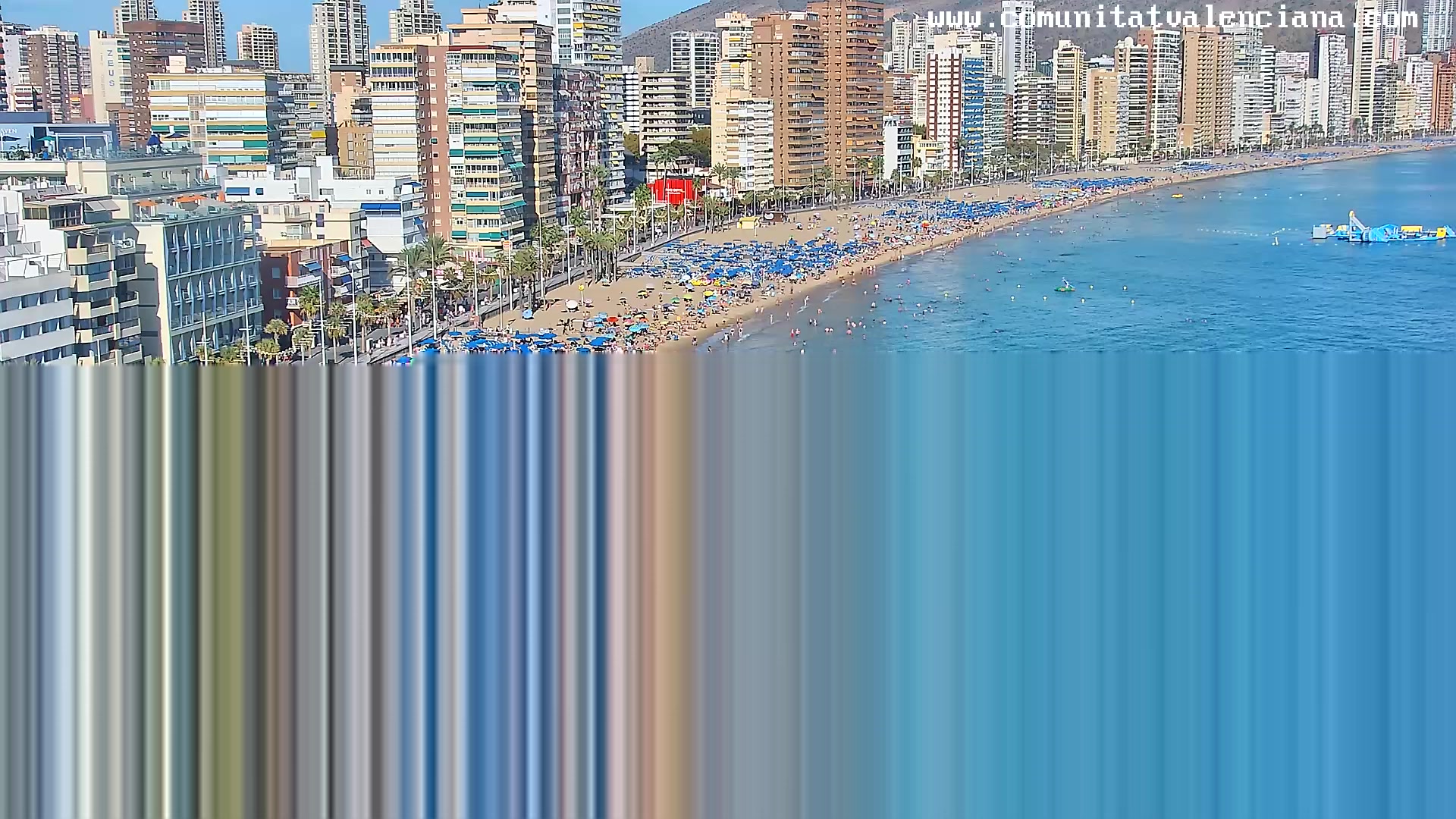
History and Origin of the Name
Benidorm is one of the most paradoxical resort cities in the Mediterranean. Once a tiny fishing village whose residents caught tuna and traded in locusts, today it is a thriving metropolis with a population of around 70,000 people, capable of welcoming up to half a million guests daily during the peak summer season. The city's name bears traces of Moorish rule: according to one version, it comes from the Arabic "Ban-i-Darumn" — "Children of Darum"; according to another, from the Latin "Bene Dictum," which translates to "Blessed Place." Both versions seem fitting: the city truly appears destined for success.
The transformation of a fishing bay into the tourist capital of Costa Blanca began in the 1950s, when the Franco government decided to unlock the coast's tourist potential. Since then, Benidorm has become a symbol of Spanish mass tourism — a unique subculture of British, German, and Russian-speaking expats has formed here, many living for months at a time. Yet the city has not lost its Mediterranean charm: step away from the main thoroughfares and you'll find yourself in a labyrinth of whitewashed alleys smelling of jasmine and sea.
Architecture: City of Skyscrapers on the Coast
Benidorm's skyscrapers have long been its hallmark. In terms of high-rise buildings per capita, the city rivals Madrid and Barcelona. The most grandiose of them all is Gran Hotel Bali, soaring 186 meters into the sky — 45 floors of glass and concrete visible from any point on Levante Beach. Nearby rise residential towers, many reaching 130–150 meters, creating the illusion of a Manhattan harbor on the Mediterranean shore.
The city's architecture evolved rapidly: in the 1960s and 70s, developers fought for every meter of ocean view. Today, Benidorm's panorama is a chaotic yet surprisingly harmonious mix of concrete giants, green palm groves, and blue swimming pools. At night, the skyscrapers are illuminated by neon advertisements, turning the city esplanade into a light carnival. The best views of this colossus are from the beach or the upper floors of hotels, where you can gaze upon the endless sea and rocky capes.
Beaches and Maritime Romance
Benidorm boasts two magnificent sandy beaches separated by a rocky cape. Levante Beach (Playa de Levante) stretches for three kilometers along the eastern coast. This is the liveliest zone: from morning until late evening, children play, bars operate, tourists sunbathe, and volleyball players train. The water here is always calm, with a gently sloping shore — perfect for families with toddlers.
On the opposite side of the bay lies Poniente Beach (Playa de Poniente), stretching three kilometers along the western edge. It is wider, more spacious, and much quieter: couples, elderly tourists, and those who value peaceful swimming without crowds flock here. Poniente is home to the famous promenade — an endless row of cafes and restaurants under palm trees serving paella and Sangria cocktails. Both beaches hold the Blue Flag certification for water quality and service standards.
Benidorm Island: Mysticism and Nature
At the very entrance to the bay, like a guardian of the city, stands the uninhabited Benidorm Island (Isla de Benidorm). This rocky islet, covered with sparse vegetation, does not welcome tourist visitors but serves as a vital landmark and source of legends. According to local lore, pirates once hid treasure in the island's caves. Another legend tells of a dragon guarding a hoard — hence the name of the bay.
The island is visible from any beach and from the windows of most high-rise hotels. In good weather, its silhouette stands out against the sunset sky, creating a picturesque scene that artists love to capture. Regular boats circle the island, allowing visitors to see its rocky cliffs and gull nesting sites. This is Benidorm's place of power — a reminder that the resort bustle always borders on the wild nature of the sea.
Old Town: The Soul of a Fishing Village
Behind the facade of modern skyscrapers lies the historic heart of Benidorm — the so-called Casco Antiguo (Old Town). It is a labyrinth of narrow cobblestone streets, white houses with tiled roofs and balconies draped in bougainvillea. The spirit of Mediterranean Spain still lives here: grandmothers hang laundry on lines, boys play football in the square, and taverns serenade their guests.
The main landmark of the Old Town is the Church of Saint James (Iglesia de San Jaime), built in the late 18th century on the site of an older temple. Its blue dome is visible from afar, and inside rests an image of the Virgin Mary — the city's patroness. Every July, a grand festival is held in her honor with fireworks and processions. Next to the church is a viewpoint on the cape, offering a breathtaking view of both beaches and the city panorama.
Theme Parks and Modern Entertainment
Benidorm does not sleep after sunset. One of the main draws for active tourists is the Terra Mítica theme park, located a few kilometers from the city. It is divided into zones dedicated to ancient civilizations: Egypt, Greece, Rome, and the Island of Treasures. But the city itself has plenty of entertainment: Aqua Natura water park, Terra Natura Zoo, and numerous nightclubs and bars.
In the evening, tourists fill the promenade and Paseo Marítimo street, where street musicians and artists perform. Bicycle rides, roller skating, boat trips — all available right on the shore. During the high season, concerts by world-famous stars take place in Benidorm, and in July the grand Fallas festival turns the city into a sea of fire and fireworks.
Weather and Climate: Perfect Holiday Year-Round
Benidorm is one of the few European resorts where comfortable holidays are possible in any season. The Mediterranean climate provides over 300 sunny days per year. Summers here are hot but not stifling — sea breezes moderate the heat, and temperatures rarely exceed 32°C. In winter, the mercury drops to 12–15°C, ideal for walks and excursions.
The swimming season lasts from May to October, with water warming to 25–27°C. But even in November and December, you can spot tourists in swimsuits on the beach — the southern sun is generous here. The city is shielded from cold northern winds by mountain ranges, so even in winter months, mild spring-like weather prevails.
Districts and Resort Atmosphere
Benidorm is divided into several districts, each with its own character. The tourist heart of the city is the coastal strip between Levante and Poniente. This is where the main concentration of hotels, restaurants, and shops is located. The "El Castell" district is the territory of the Old Town on the cape between the beaches. Just north lies the residential area of "La Cala," quieter and more family-oriented.
In recent years, the "Rincón de Loix" district has been gaining popularity — it attracts active youth and budget travelers, with many hostels and affordable bars. On the western edge of the city, apartment complexes and villa quarters have sprung up, home to many expats. Benidorm is so diverse that within the same city you can find both a budget beach holiday and a luxury stay on the upper floors of a skyscraper.
What the Cameras Show
Benidorm's webcams allow you to see the city in real time without leaving home. With their help, you can check the weather on the beaches, watch the sunset over Benidorm Island, see crowds of tourists on the promenade, or the sparkling lights of the nighttime city. The cameras are located in high-rise hotels, the Old Town, and on the beaches, providing panoramic views. Choose your preferred viewpoint and you'll instantly be transported to the Costa Blanca coast, where the sun always shines and the waves of the Mediterranean splash.