

🏙️ Webcams Nes online — watch the village on Ameland island
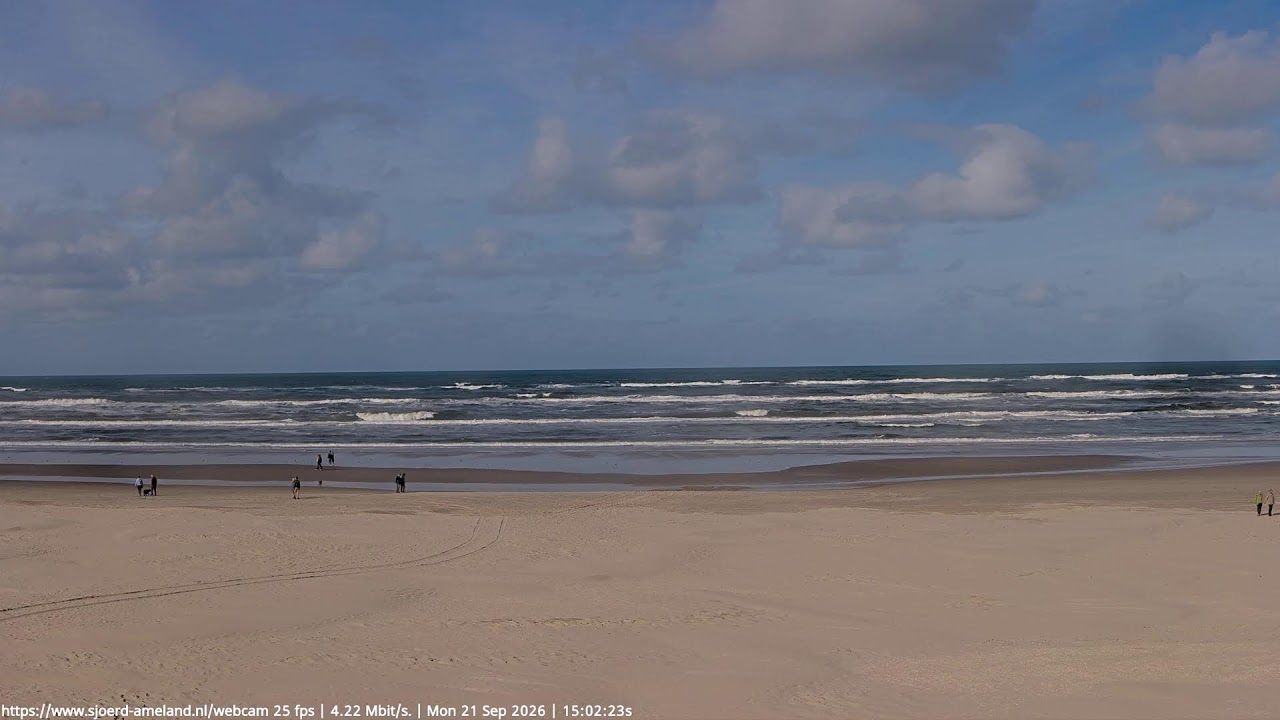
2 cameras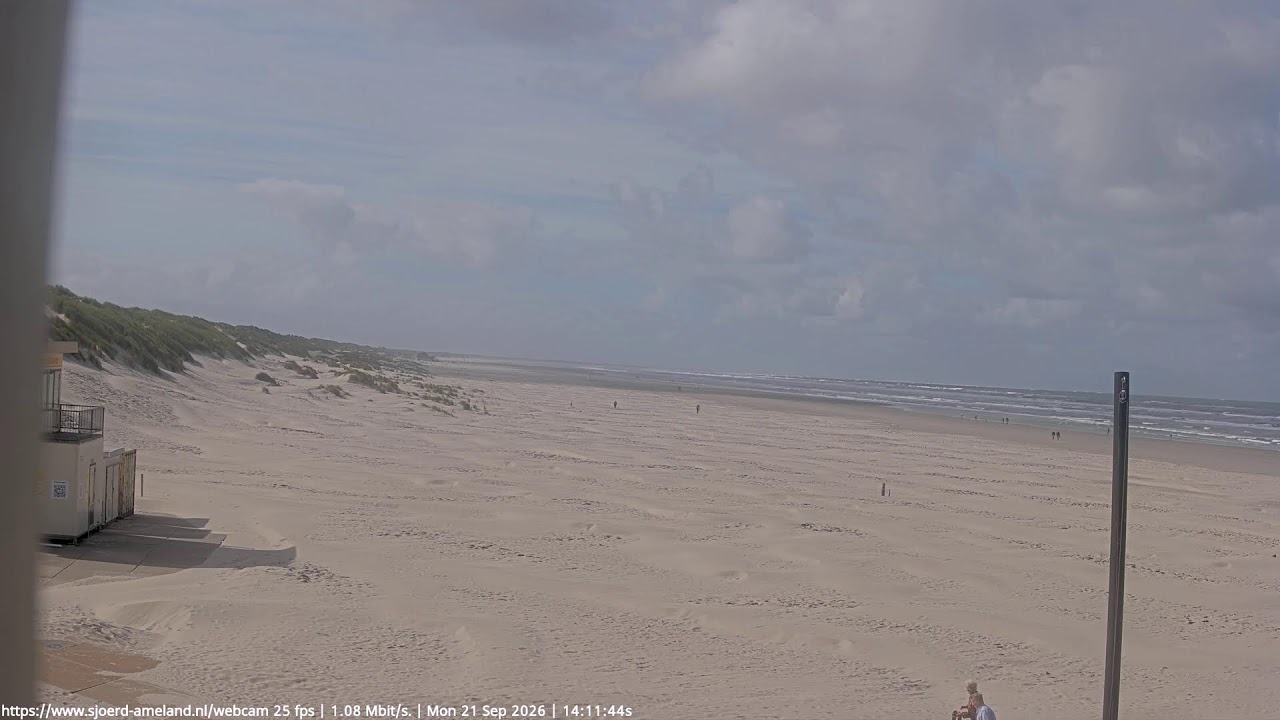
Village of Nes: the sea gates of Ameland
Nes is the only village on Ameland island that has a spring dock and one of the largest marinas, making it the main port of the island and one of the 17 ports of the Wadden Sea Nes is the only village on Ameland with a spring dock. It is a place where maritime history meets modern lifestyle, and the landscape is shaped by dunes, tides, and cast-iron lighthouses.
Ameland faces the North Sea with dunes and wide sandy beaches, and the Wadden Sea with a low tidal coastline Ameland faces the North Sea with dunes. The village of Nes preserves a mix of traditional houses and modern shops, restaurants, and bars Nes preserves a mix of traditional houses, creating a unique atmosphere of a Frisian island settlement. Here, fishing boats sit alongside pleasure craft, and old warehouses have been converted into cafes with waterfront views.
History carved in cast iron and stone
The history of Nes is closely tied to the sea — the island has repeatedly been subjected to floods, storms, and changing coastlines, which has influenced the way of life of local residents The history of Ameland is closely tied to the sea. On the Frisian Islands, including Ameland, ancient customs corresponding to Scandinavian traditions have been preserved Ancient customs have been preserved on the Frisian Islands.
The old church tower in Nes dates back to 1723 The old church tower in Nes dates back to 1723, reminding us of the centuries when the island's inhabitants fought the sea for their survival. On Ameland, there were lost villages — Sier, De Blieke, and Koudenburg — which were eventually swallowed by the sea There were lost villages on Ameland. These lost settlements are silent witnesses to how the coastline changed and how the sea took land from the islanders.
Bornrif Lighthouse: a cast-iron giant on the edge of the dunes
The Bornrif Lighthouse was built in 1880 The Bornrif Lighthouse was built in 1880 and is one of the most recognizable symbols of the island. The height of the lighthouse is 55 meters, making it one of the tallest in the Netherlands The height of the lighthouse is 55 meters. It rises above the dunes and serves as a landmark for ships passing through the strait between Ameland and Schiermonnikoog.
The lighthouse was designed by the Dutch architect Quirinus Harder (1801–1880) — the most important lighthouse designer in the second half of the 19th century The lighthouse was designed by Quirinus Harder. The lighthouse is built from cast-iron segments — an innovative material for that time. The segments were cast at the Nering Bögel foundry in Deventer, delivered to Ameland, and welded on site The lighthouse is built from cast-iron segments.
The lighthouse is named after the sand plateau "Bornrif" located off the coast of Ameland The lighthouse is named after the Bornrif sand plateau. Until 2005, the lighthouse was used by the coast guard, then transferred to the municipality of Ameland and used as a museum Until 2005, the lighthouse was used by the coast guard. Today, Bornrif is not just a navigational tool, but a monument to 19th-century engineering, attracting tourists interested in maritime history.
Nature that breathes with the tides
The Wadden Sea is a UNESCO World Heritage Site The Wadden Sea is a UNESCO World Heritage Site, which underscores the uniqueness of the ecosystem surrounding Nes. It is a shallow sea with extensive mudflats that are exposed at low tide, creating a food base for millions of migratory birds.
In Nes, there is the Ameland Nature Center (Natuurcentrum Ameland) — a museum dedicated to local flora and fauna In Nes, there is the Ameland Nature Center. Here you can learn about the seals that inhabit the sandbanks and the diversity of birds nesting in the dunes. The surrounding Nesserduinen dunes are a quiet natural area with a view of the western part of the village of Nes The surrounding Nesserduinen dunes.
The "De Phenix" windmill (Molen de Phenix) from 1880 stands near the center of Nes — it still grinds flour in the traditional way The "De Phenix" windmill from 1880. This is not a mock-up, but a functioning monument of material culture that shows how the island's inhabitants used wind energy long before the advent of electricity. The windmill is part of a cultural landscape where past technologies coexist with modern lifestyles.
Cultural heritage and everyday life
Nes is a place where maritime heritage meets modernity. The village preserves its authentic character through traditional architecture and local customs. On the Frisian Islands, including Ameland, ancient customs corresponding to Scandinavian traditions have been preserved, which is reflected in holidays, cuisine, and everyday life. Locals speak a Frisian dialect that differs from standard Dutch.
Through webcams, you can observe how life in Nes changes throughout the day: from the morning stillness in the marina to the evening activity in restaurants and bars. Nes attracts those who value peaceful relaxation in nature, sea excursions, and the opportunity to see the unique natural phenomena of the Wadden Sea. The village offers a variety of accommodations — from campsites to comfortable hotels, and local restaurants specialize in seafood and Frisian cuisine.
Legends and spirits of the Wadden Sea
On Ameland, the legend of "De Witte Vrouw" (The White Woman) is known, associated with the island. In Dutch mythology, legends of "witte wieven" (white women/spirits) are widespread, which are associated with natural objects — hills, bodies of water, forests, and the sea In Dutch mythology, legends of "witte wieven" are widespread. These stories are passed down from generation to generation, reminding us that the sea and dunes of Nes hold not only natural but also mystical secrets.
According to local beliefs, spirits appear in the mist over the dunes or on the mudflats at low tide. These legends reflect the islanders' respect for the power of the sea, which both feeds and threatens their home. In Nes, as in other Wadden Sea settlements, oral traditions are an important part of cultural identity, connecting generations of islanders.
What the cameras show
Webcams in Nes allow you to see the key points of the village: the marina with moored vessels, approaches to the spring dock, central streets, and architectural monuments. The cameras are positioned to cover the port area, where the main activity is concentrated, as well as adjacent areas with traditional buildings.
Watching Nes online is an opportunity to appreciate the scale of the marina, which is one of the largest on the Wadden Sea, and to see how the cast-iron Bornrif lighthouse rises above the dunes. Webcams give an idea of the rhythm of life in an island settlement, where the sea determines both the character of the buildings and the daily activities of the inhabitants. Observing through the cameras allows you to feel the atmosphere of a place where maritime history meets modern tourism, and the natural cycles of tides set the pace of life.