

🏙️ Venice Webcams Online — Watch the City in Real Time
16 cameras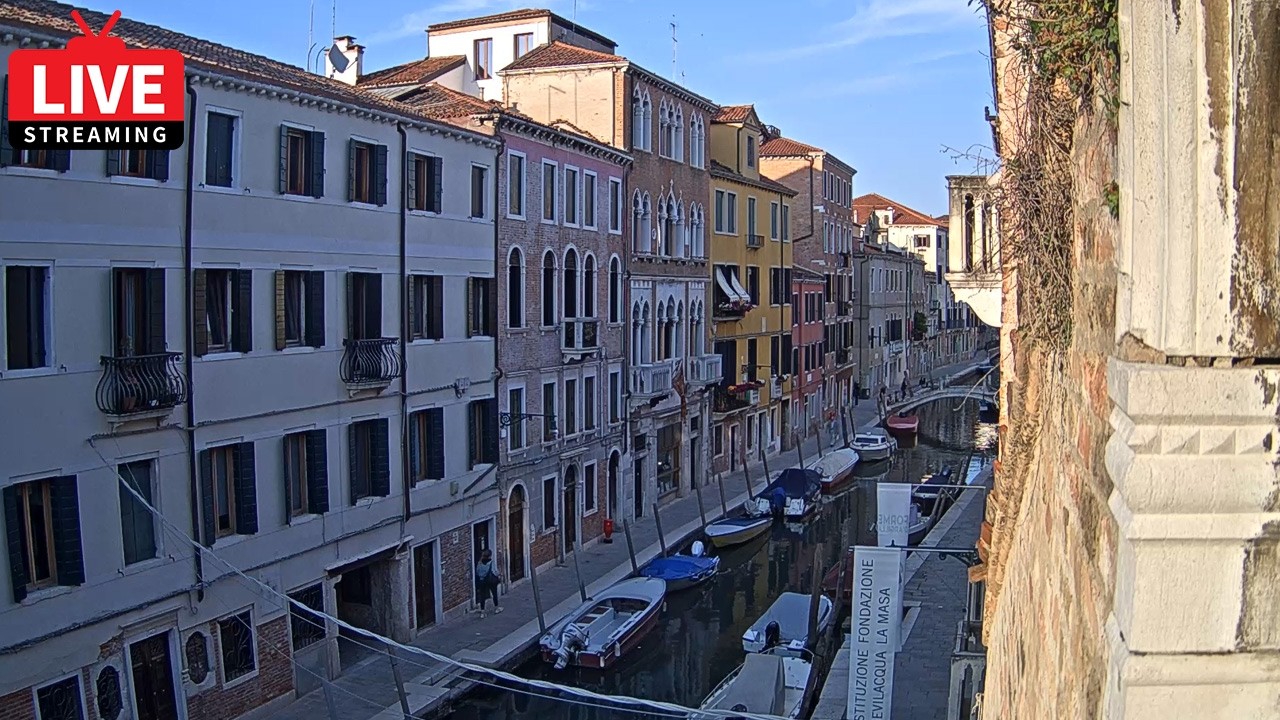



Venice — a city that lives on water
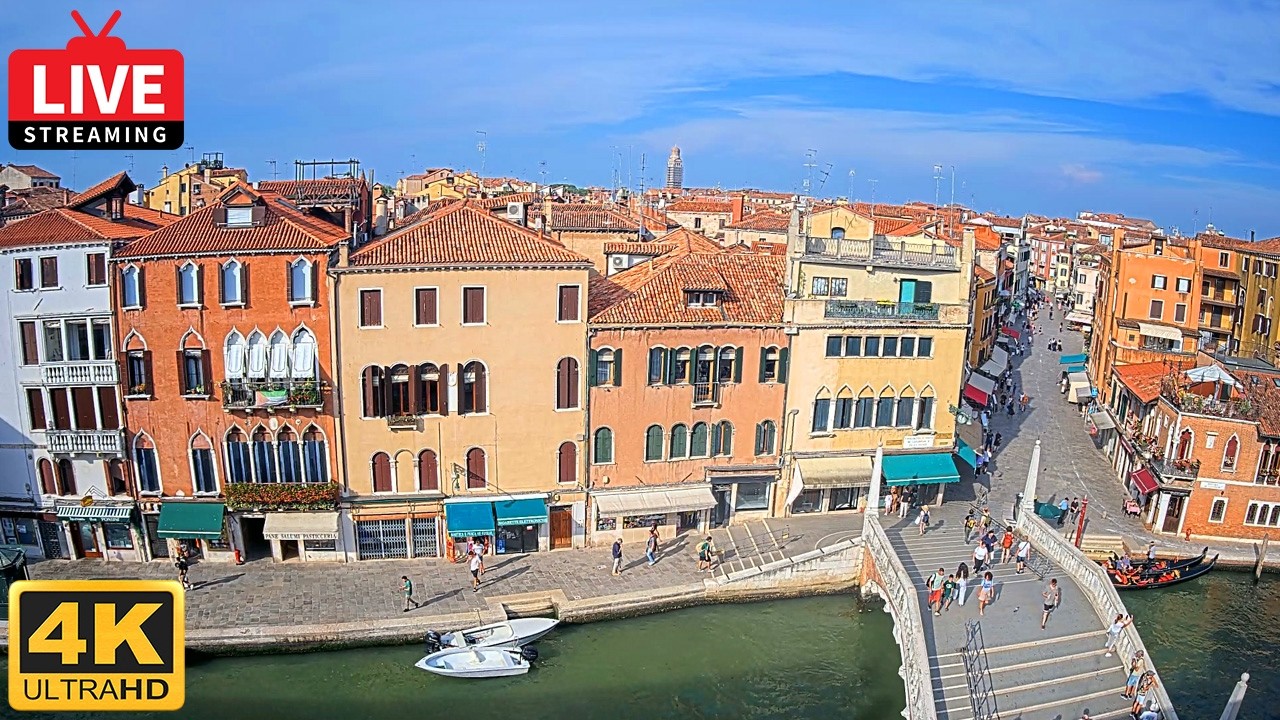
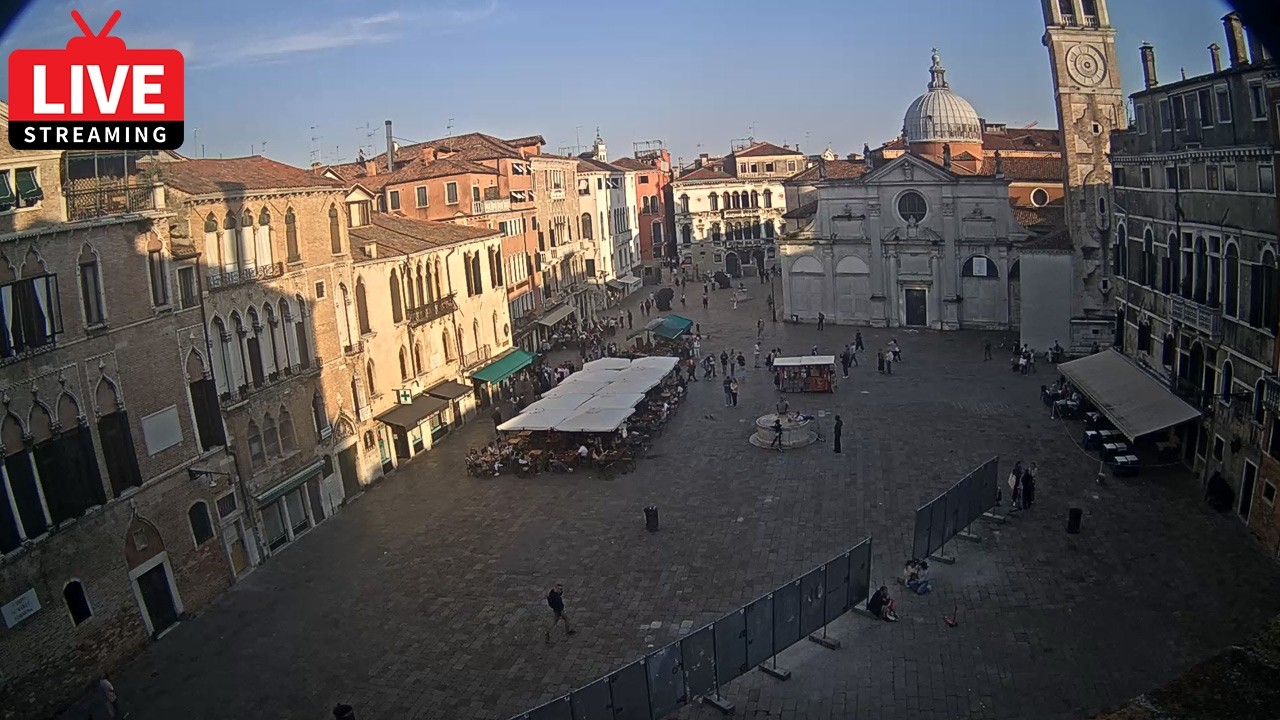
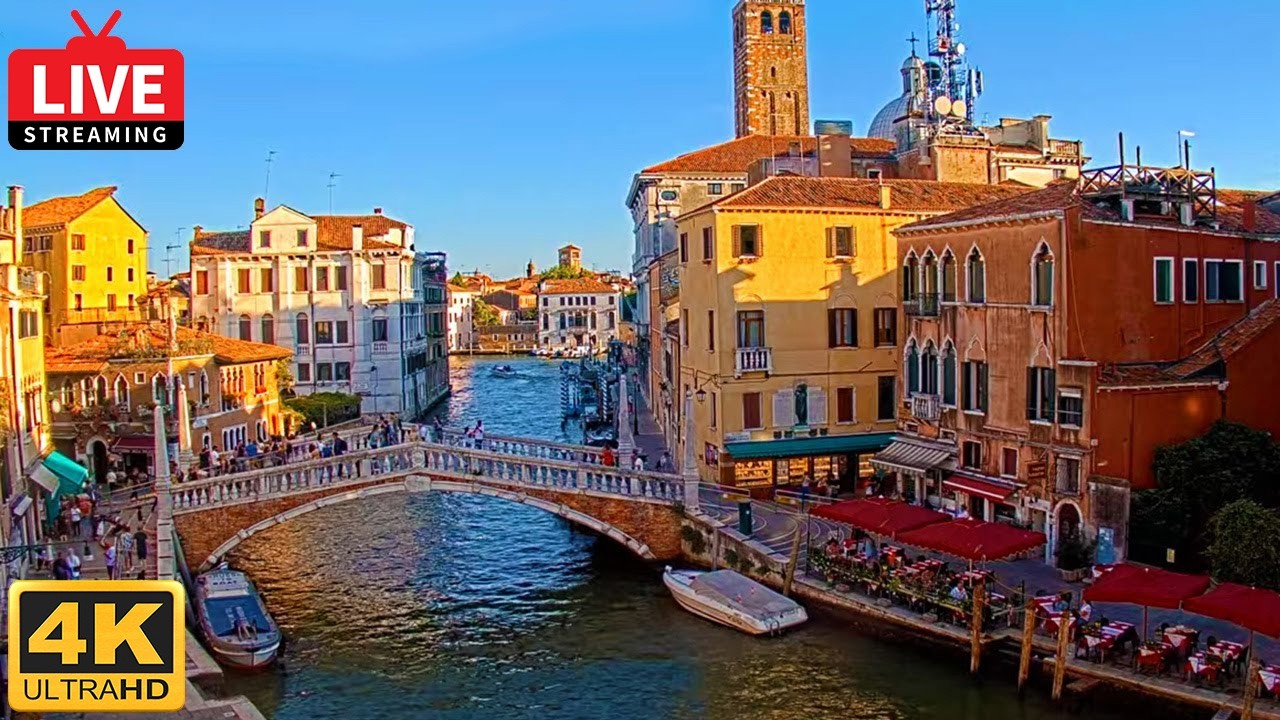
Venice is not just a city, but an archipelago of 121 islands connected by a network of canals and bridges. There are no roads here, and for centuries boats have been the main mode of transport. Venice amazes with its fragile beauty: buildings stand right on the water, reflecting in the mirror of the canals, and the narrow streets — calli — can be wandered for hours, each time discovering something new. Venice webcams allow you to see this unique city in real time without leaving your home.
Architecture on water: how houses and bridges stand
In the historic center of Venice there are 435 bridges that connect one island to another. Across the main waterway — the Grand Canal — there are only four bridges. The city is built on millions of oak and larch piles driven into the soft silt of the lagoon. These wooden supports do not rot in water, but over time become even stronger, turning to stone from minerals. The famous Rialto Bridge stands on more than 30 thousand such piles — originally it was wooden, but after numerous fires the Venetians made it of stone.
Gondolas and water transport: why they are black
The gondola is a symbol of Venice, but few know why they are all black. In the 16th–17th centuries, the city had a law on sumptuary restrictions that prohibited ostentatious luxury. Wealthy merchants and officials tried to decorate their boats with gold and bright colors to demonstrate their wealth. To end this rivalry, the authorities ordered all gondolas to be painted dark, almost black. This tradition took root and has survived to this day — today the black gondola is not only a tribute to history, but also a practical solution, as the dark color better hides dirt.
Acqua alta and the MOSE project: fighting floods
Venice periodically suffers from the phenomenon of "acqua alta" — high tides when the water level rises above normal and floods squares and streets. To protect the city, the MOSE project was created — a system of 79 mobile gates located on the seabed in three inlets connecting the lagoon with the Adriatic Sea. Each gate measuring 20 × 30 meters and weighing about 300 tons rises by pumping air when the water level exceeds 110 centimeters, temporarily isolating the lagoon from the sea. This engineering marvel allows protecting the city from floods up to 3 meters high.
Sewage without sewers: how Venetian canals work
Venice has no central sewage system in the usual sense. Household wastewater is discharged directly into the city canals, from where it is carried away by tidal currents into the lagoon and further into the Adriatic. Thanks to the regular change in water level, clean seawater constantly flows into the canals, and slightly polluted water is drawn away from the city, providing natural self-cleaning. The smell appears only during strong low tides when the drainage holes are above the water level. City webcams show how boats continuously move along these canals, creating a vivid picture of urban life.
Garbage and logistics in a city without roads
Garbage collection in Venice is a whole system adapted to the absence of roads. Sanitation workers manually push small mobile cart containers through narrow streets, bringing waste to transfer points onto special garbage boats. Each type of waste is loaded into a strictly designated compartment in accordance with recycling principles. Large cargo is delivered along the canals on freight boats and barges, which approach the piers and use cranes to unload building materials, food, and other goods.
Venetian masks: from everyday life to carnival
Venetian masks appeared in the 13th–14th centuries, and in 1436 the mask makers officially formed their guild. Masks were used not only at carnival, but also in everyday life — they allowed anonymous participation in gambling, secret deals, and visiting places where public recognition could harm one's reputation. Carnival used to begin on December 26, right after Christmas, and lasted until Ash Wednesday — the beginning of Lent. Masks also protected against smells during plague epidemics: the famous "plague doctor" mask with a long nose was filled with aromatic herbs. Wearing masks year-round was common until the end of the 18th century, when after the fall of the republic masks became almost exclusively an attribute of the carnival festival.
Why Venice is sinking and what is being done to save it
Venice is slowly sinking due to a combination of natural soil subsidence and global sea level rise. Historical groundwater extraction accelerated the compaction of bottom sediments, and the weight of buildings and vibrations increase soil compression. According to scientists' calculations, the city could become uninhabitable as early as 2028, and by 2100 it could be completely submerged. In addition to the MOSE project, work is being carried out to save the city by strengthening the foundations of historic buildings, raising embankments, and restoring salt marshes that serve as natural buffers against flooding.
What the cameras show in the city
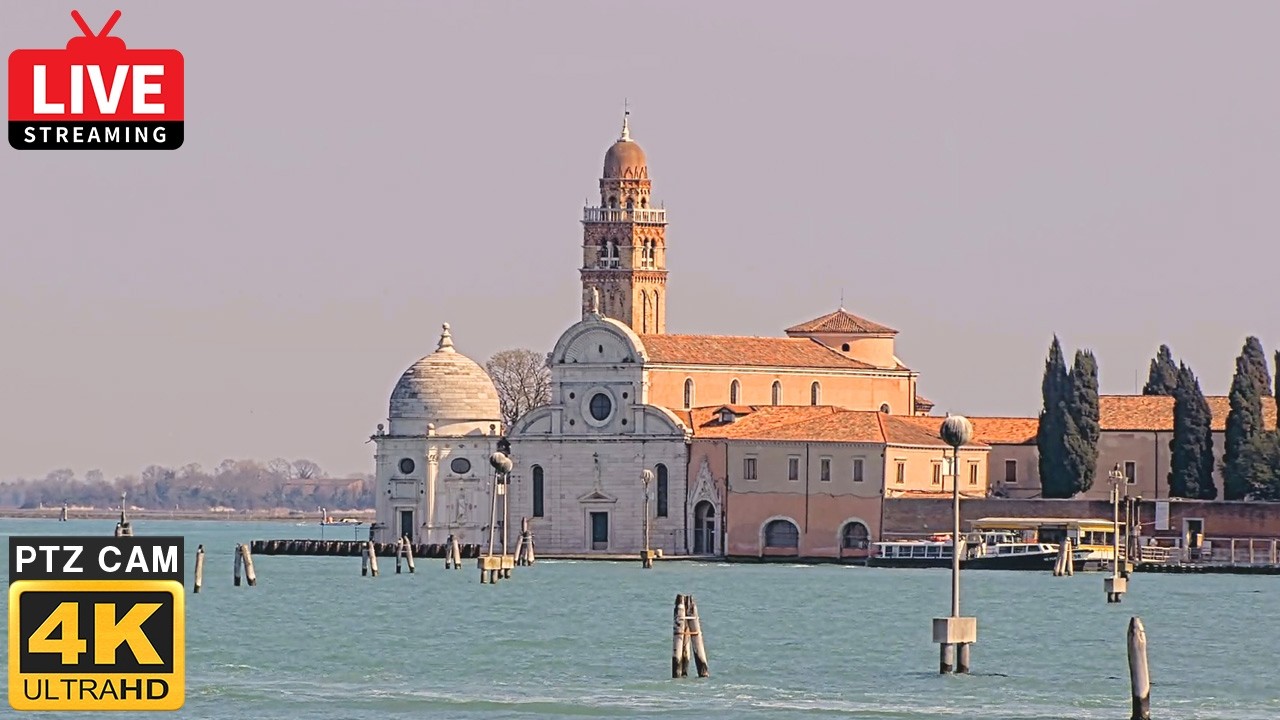
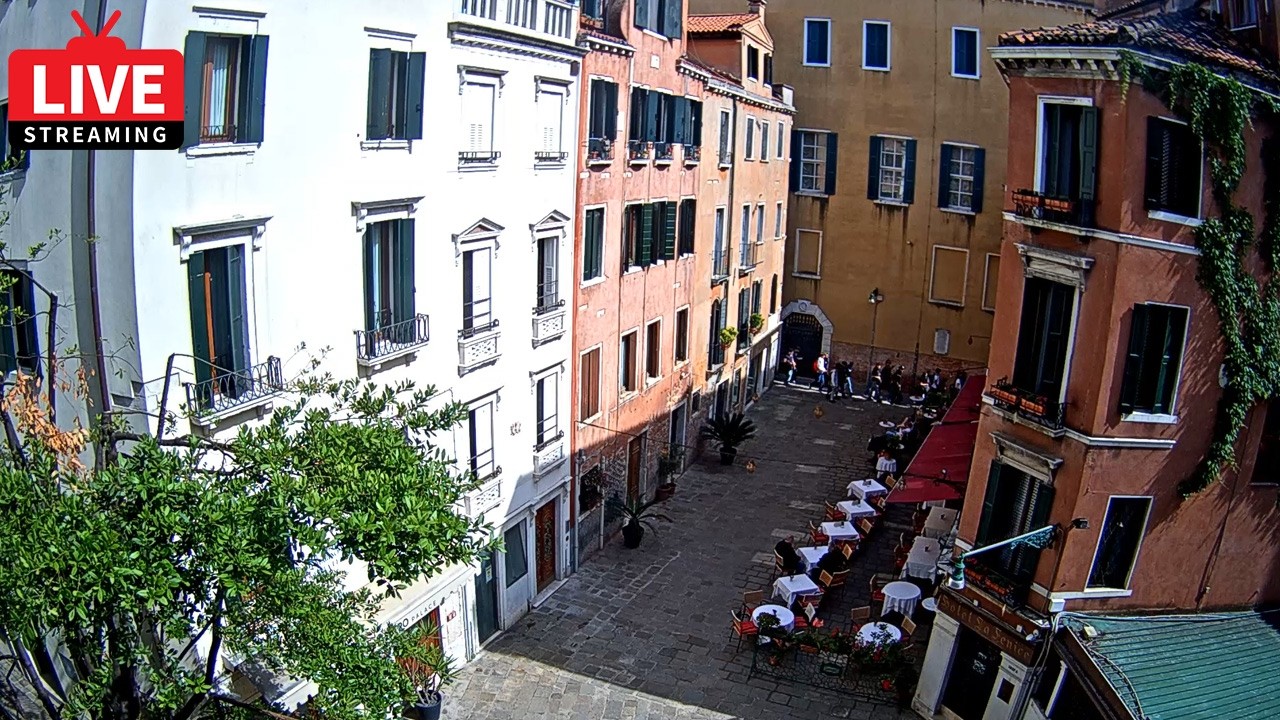
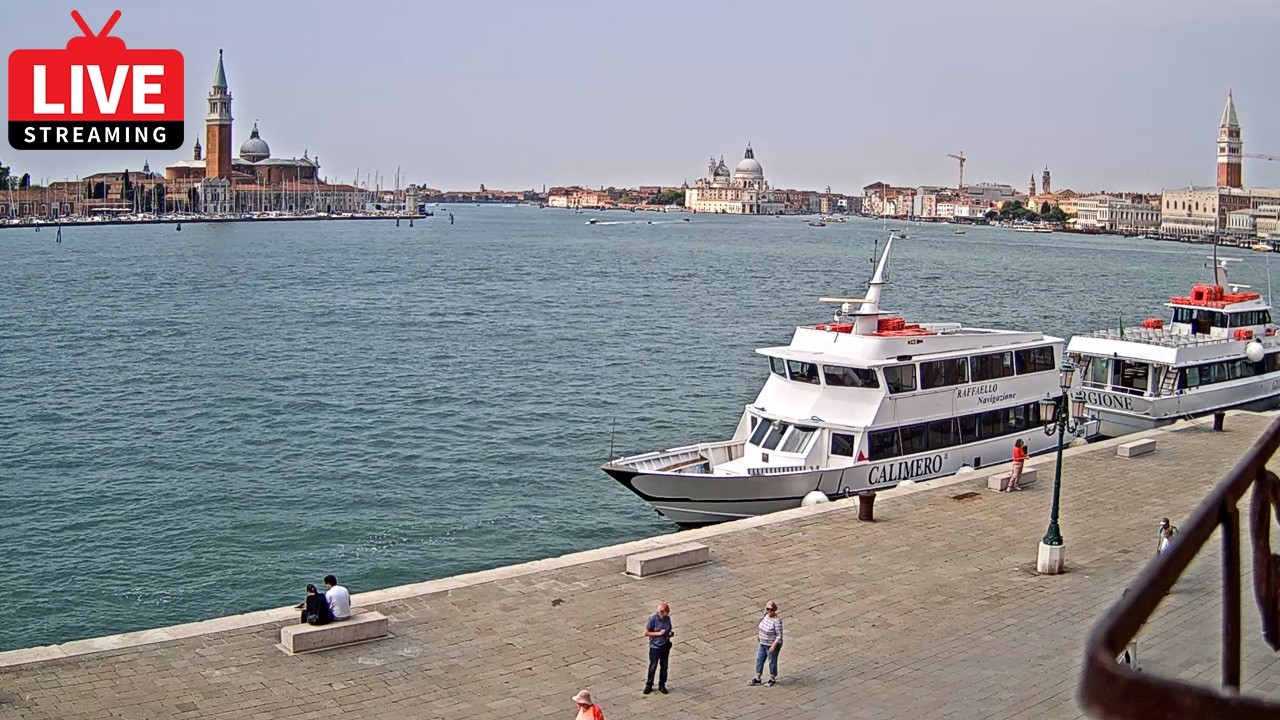
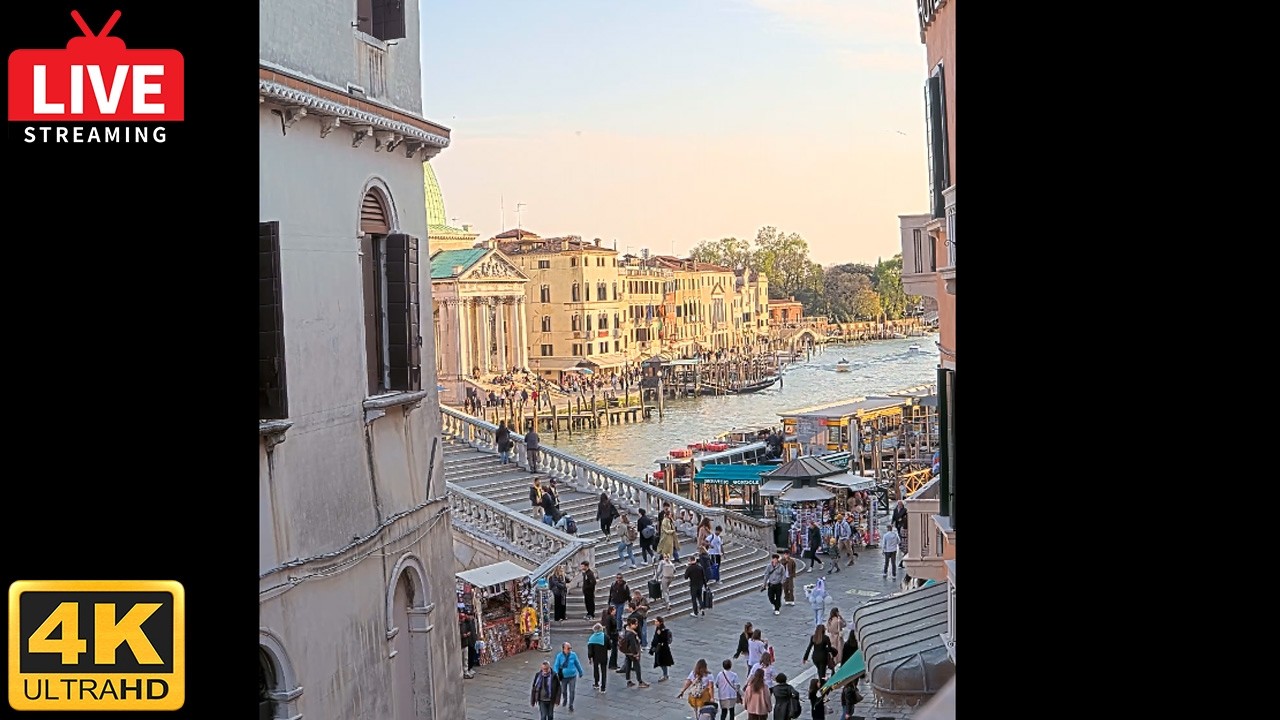
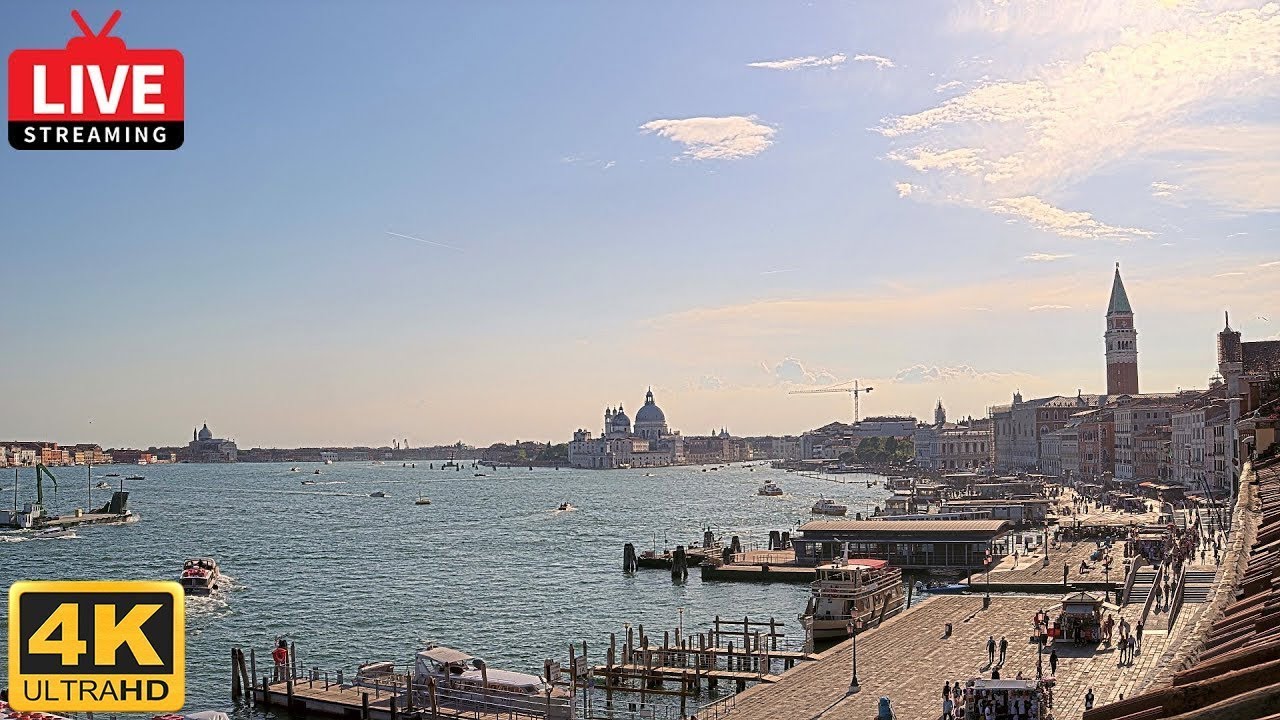
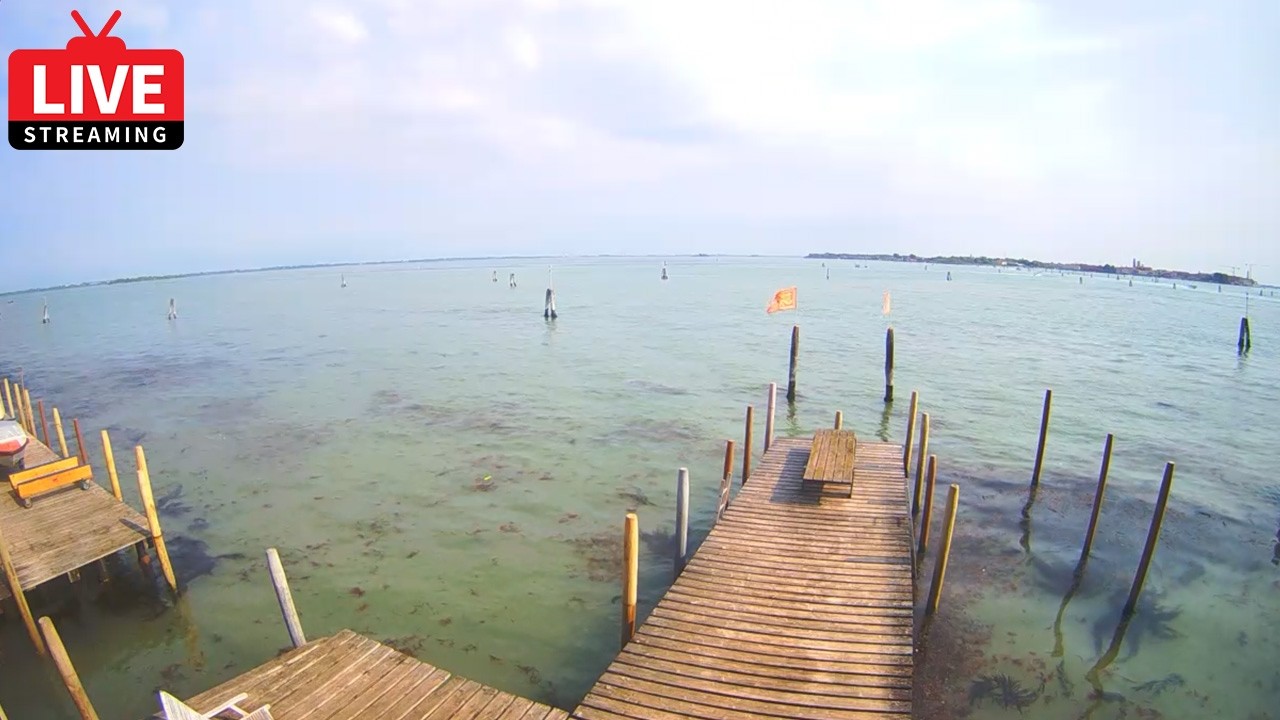
Venice webcams are installed at key points in the city and allow you to observe the life of this unique place in real time. Cameras on the squares show the movement of tourists and locals, broadcasts from the embankments demonstrate the continuous flow of boats along the canals, and views of bridges and cathedrals reveal the architectural grandeur of the city. You can watch the webcam at any time of day — the city is beautiful both during the day and at night, when the lights reflect in the dark water of the canals.