

🏙️ Ceri Webcams Online — Watch the Medieval Borgo in Real Time
1 cameras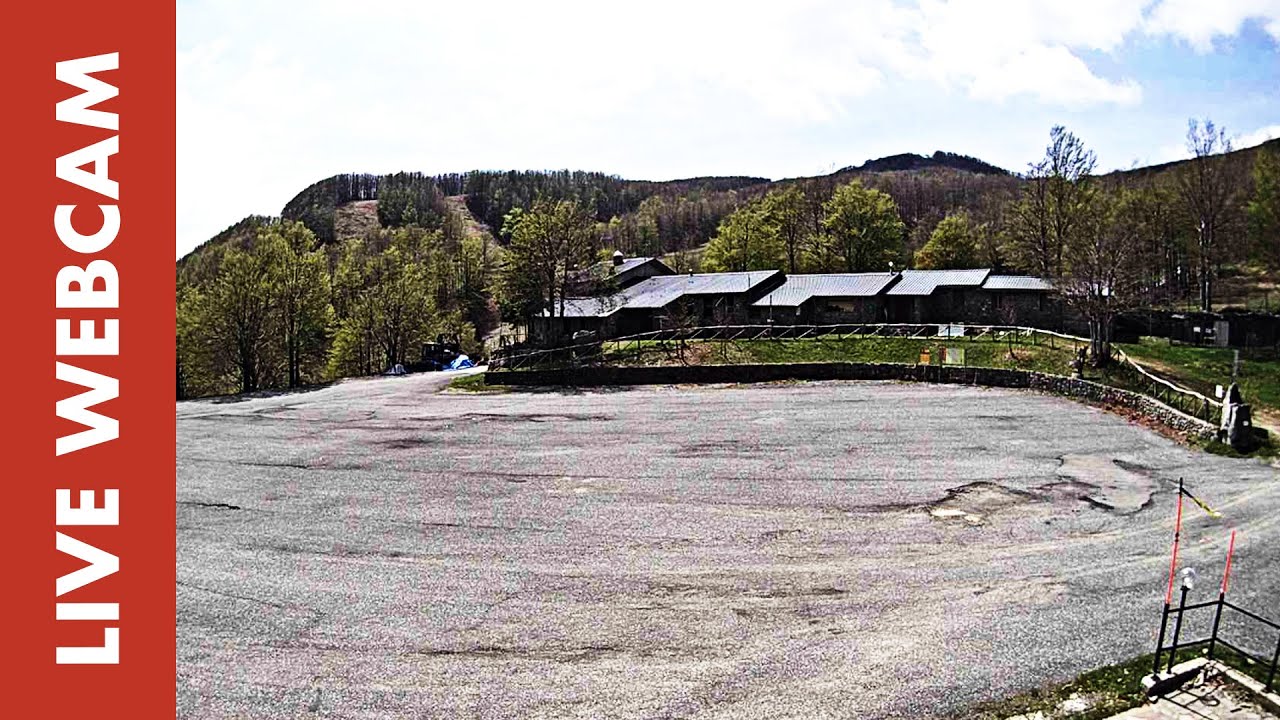
Ceri — A Jewel of Lazio on Tufa Rock
Imagine a tiny town frozen in the Middle Ages, where stone walls remember Norman mercenaries and tufa cliffs offer views of the Roman Campagna. This is Ceri — one of those Italian borghi that need no tourist advertising because they are already adored by those weary of the capital's hustle. Located in the metropolitan city of Rome, in the Lazio region, this hamlet-frazione belongs to the municipality of Cerveteri yet lives by its own, very ancient rules.
The name Ceri derives from the Latin Caere Novum — "New Caere," which immediately points to the connection with the powerful Etruscan city of Clusium-Caere, from which modern Cerveteri remains. An ancient settlement once flourished here, but medieval inhabitants chose a new location — safer, on a fortified tufa plateau. And they were right: it is precisely this geological feature that has preserved Ceri's appearance virtually unchanged over the centuries.
History: From Etruscans to Roman Aristocrats
Archaeological finds indicate that people lived here as early as the 7th century BC, though the settlement in its present form took shape much later. In 1236, the inhabitants left the old site and founded a new fortified town on the tufa rock — this year is considered the official birth date of the modern borgo.
The medieval history of Ceri is a succession of ownership changes typical of small Italian towns of that era. First the borgo belonged to the Normans, then passed to powerful Roman families. Anguillara, Cesarini, Orsini — these names sound like a chronicle of feudal Italy, and each family left its mark on the hamlet's architecture and layout. The Orsini, in particular, held control over Ceri until the 19th century, which explains the remarkable preservation of the historic center: when the owner remains the same for centuries, no one demolishes the old for the new.
Architecture: Tufa as Building Material and Protection
The main building material of Ceri is local tufa, a porous volcanic rock that is easy to work with but becomes stronger over time. It is this stone that determined the character of the construction: houses seem to grow out of the rock, and narrow streets wind between stone walls, creating a labyrinthine feel. The fortified tufa plateau on which the hamlet stands provided natural protection from enemies — the ascent along the single road is easy to defend, and from the rocky cliffs any approach is visible.
Entering through the single gate, you find yourself in a completely different world: silence, stone staircases, arches, inner courtyards where laundry dries and lemon trees bloom. There is no automotive chaos, no neon signs — only stone, sky, and Mediterranean herbs pushing through the tufa blocks.
Church of Madonna di Ceri: 12th-Century Frescoes
The main shrine of the hamlet is the Church of Madonna di Ceri, inside which 12th-century frescoes have been preserved. This is a rare example of medieval wall painting in the Lazio region, executed in the style characteristic of that time — with flat, iconic figures of saints and rich pigments that have not faded over eight centuries.
According to local legend, the image of the Madonna was found in a nearby cave, and it was this miraculous discovery that prompted the construction of the church. For a small borgo, the church became not only a spiritual center but also a focal point of identity — the Feast of the Madonna di Ceri remains the main event of the local calendar to this day.
Borgo Atmosphere: Two Restaurants and Complete Disconnection
Ceri has only two restaurants, but this is not a drawback — it's a feature. Both establishments offer high-quality local cuisine — handmade pasta, local olive oil, vegetables from surrounding farm gardens, and simple yet impeccable dishes of Lazio tradition. No fast food, no tourist kitsch — only what is truly prepared for themselves and their guests.
Visitors describe Ceri as a place "frozen in time." There are literally a dozen permanent residents, and on weekdays you can walk down the main street without meeting a soul. This makes the hamlet an ideal spot for those who want to experience authentic Italy — without crowds, without souvenir shops, without buses full of tourist groups.
Surroundings: Etruscan Necropolises and Villas
Ceri is an excellent base for exploring the surroundings. Nearby is the famous Cerveteri Necropolis — a UNESCO World Heritage site with Etruscan tombs carved into tufa. A bit further toward the coast lies the Villa of Pompey near Ladispoli — an archaeological site bearing witness to the Roman presence in these places.
Tufa quarries, Mediterranean scrub, overgrown paths between hamlets — all this creates a landscape that has remained unchanged for centuries. And this is precisely why Ceri is so valuable: it is not an open-air museum but a living organism, albeit a tiny one, that continues to exist according to laws established in 1236.
How to Get There and When to Watch
The easiest way to reach Ceri is from Rome — by car along the Aurelia highway toward Cerveteri, then following signs for the ascent to the borgo. Public transport does not run here, which only adds to the feeling of isolation. Parking is located at the foot of the rock; from there, it's only on foot, along a steep path to the single gate.
The best time to visit is spring and autumn, when the light is softer and the temperature allows for climbing the hill without exhaustion. In winter, the hamlet is especially deserted and atmospheric; in summer, it is bathed in sun and permeated with the scent of heated tufa and thyme.
What the Cameras Show
If you are planning a trip or simply want to experience the atmosphere of a medieval borgo without leaving home, Ceri webcams online are an excellent way to see tufa walls, narrow streets, and the panorama of the Roman Campagna in real time. Webcam broadcasts allow you to assess the weather on site, understand how deserted or lively the hamlet is at any given moment, and simply enjoy a view that has barely changed since the 12th century. Choose a camera aimed at the historic center or the panorama of the surroundings, and watch Ceri in real time — this Italian borgo is worth seeing with your own eyes, even if only through a screen.