

🏙️ Webcams Hungen online — watch the German city in real time
1 cameras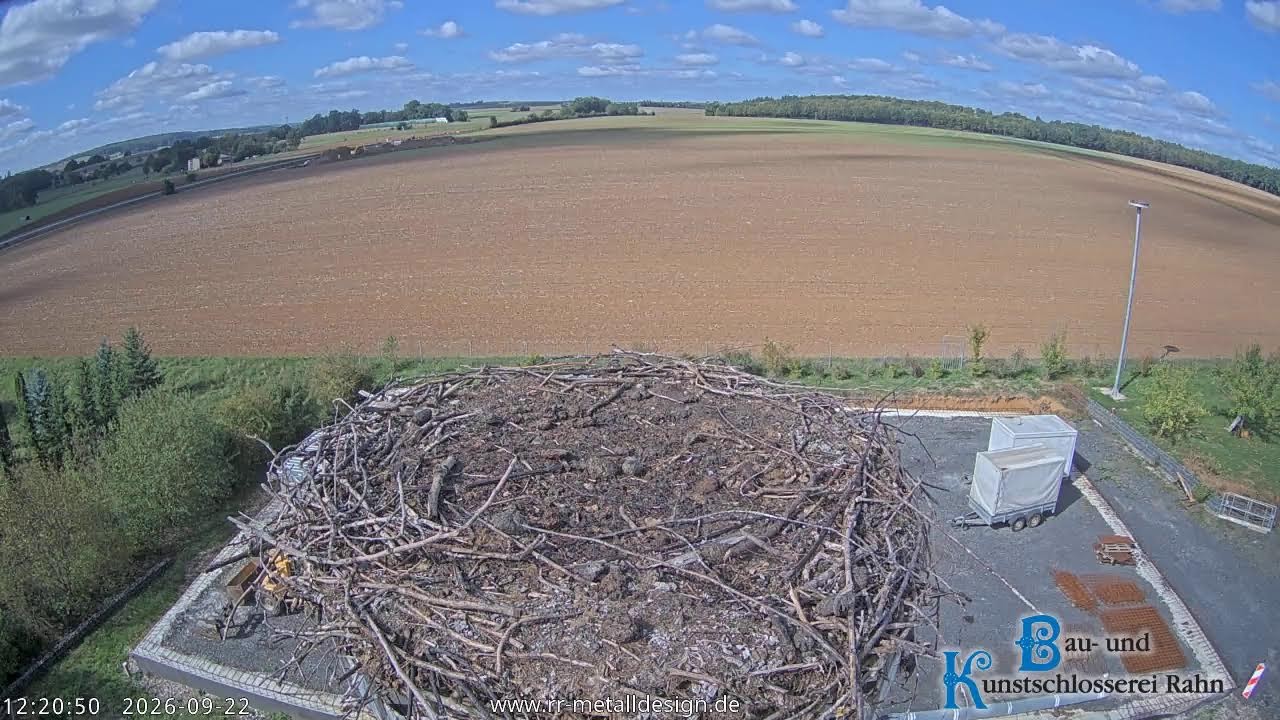
History of Hungen: from the Middle Ages to the present day
Hungen is a small town in the state of Hesse, whose history dates back to the era of Charlemagne. The first written mention of the settlement dates back to 782, making it one of the oldest settlements in the region. Over the centuries, Hungen developed as a typical German town — with a town hall, market square, and church at its center. The narrow streets of the old town preserve the memory of times when trade and craft life thrived here.
In 1806, an important administrative change occurred: Hungen came under the jurisdiction of the Grand Duchy of Hesse. This event determined the town's future and its place in the regional structure of Germany. Today, Hungen is part of the Gießen district and preserves the atmosphere of provincial Germany with its measured pace and neatness. The town was not subjected to large-scale industrialization, which allowed it to preserve its historical appearance.
A walk through the center of Hungen is a journey through the ages. Half-timbered houses, whose age is measured in centuries, coexist with later Baroque-style buildings. Each building here has its own story, and the urban development was formed over many generations of residents.
Schäferstadt — the shepherds' town in Hesse
One of the most unusual features of Hungen is its nickname. The town is known as "Schäferstadt" (Shepherds' Town). This is not just a beautiful name: Hungen is the only town in Hesse where the position of town shepherd exists. The tradition of grazing sheep on the town's meadows has survived to this day and has become part of the local identity.
Every two years, Hungen hosts a shepherds' festival, which attracts guests from all around. During these days, the town becomes a stage for demonstrating traditional crafts, and shepherds with their flocks walk through the streets, reminding of the times when cattle breeding was the basis of the region's economy. The festival includes a fair, folk music concerts, and tastings of local products.
The town shepherd is not just a tribute to tradition, but a real profession requiring knowledge and skills. Sheep graze on specially designated areas, maintaining the ecological balance and preserving the historical landscape. For tourists, watching the flock has become a kind of attraction — seeing sheep against the backdrop of medieval castle walls is possible only here.
Hungen Castle and its Baroque heritage
The main architectural dominant of the town is Hungen Castle (Schloss Hungen). This is a Baroque building, in whose architecture elements of medieval construction can be traced. The castle has undergone several stages of reconstruction and today represents a mixture of styles characteristic of German palace structures. Its walls have seen the change of eras and rulers, while maintaining monumentality and grandeur.
The castle courtyard is not empty — cultural events are regularly held here. Film festivals, theater productions, and music concerts transform the historical space into a living cultural center. For tourists, the castle is interesting not only as an architectural monument, but also as a place where you can touch the modern life of the town. In summer, an open stage is set up in the castle courtyard, where local and guest artists perform.
The interior of the castle has preserved elements of palace decor — stucco, ceiling paintings, antique furniture. Tours of the castle halls are conducted by local guides who know the smallest details of its history. Of particular interest are the domestic premises, where the atmosphere of life of a noble family of past centuries has been recreated.
Districts and villages: thirteen parts of one town
Hungen is not just a historic center. Administratively, the town includes 13 villages, each with its own history and character. Such a structure is typical for German communes, where as a result of municipal reforms, small settlements were merged into larger entities. Each village maintains its own identity, having its own traditions and places for residents' gatherings.
The villages surround the central town in a ring, creating a unique landscape of the Hessian countryside. Here you can see traditional half-timbered houses, well-kept fields and pastures — a typical picture of the German province that has changed little over the past centuries. Bicycle and pedestrian paths are laid between the villages, allowing you to explore the surroundings of Hungen at a leisurely pace.
Some of the villages are known for their chapels and churches, whose age exceeds 500 years. Others are famous for their vineyards or orchards. Together they form a single space where urban and rural life are intertwined, creating the unique flavor of Hungen.
Cultural life and festivals
In addition to the shepherds' festival, Hungen lives a rich cultural life. Local residents carefully preserve traditions, passing them from generation to generation. The town's market square is a place of meetings and celebrations, where Christmas bazaars, fairs, and folk festivals take place. On such days, the town is filled with music, aromas of local cuisine, and the laughter of guests.
The Hungen Museum tells the history of the region from ancient times to the present day. Its exhibition includes archaeological finds, household items, documents, and photographs, allowing you to trace how the life of the town has changed over the centuries. A special section is dedicated to cattle breeding traditions and the role of shepherds in the region's economy.
The musical life of Hungen is represented by choral groups and brass bands that perform at town celebrations. The local school of arts teaches children and adults to play musical instruments, ensuring the continuity of cultural traditions. Classical music concerts in the castle halls have become a regular event in the town's cultural calendar.
Nature and surroundings: the Nidda River
Hungen is located in the valley of the Nidda River, which flows through the entire state of Hesse. The river landscapes create a picturesque backdrop for the town, and walks along the embankment are a favorite pastime of local residents. Tourist routes are laid in the surroundings of the town, allowing you to enjoy the nature of the region. The Nidda River originates in the Röhrskopf massif and flows into the Main, and its banks in the area of Hungen are particularly picturesque.
In spring and summer, the surroundings of Hungen are especially beautiful: green meadows, flowering fields, and the calm surface of the river create an idyllic picture. It is at this time that the town looks most picturesque, which is well visible in photographs and postcards. The surrounding forests are rich in mushrooms and berries, and local residents traditionally go for them in autumn.
For outdoor enthusiasts, conditions for hiking and cycling have been created in Hungen. The routes pass through forests, fields, and along the river, opening views of the town and its surroundings. Observation decks are installed on some sections, where you can watch birds and enjoy panoramic views of Hesse.
What the cameras show
For those who want to see Hungen in real time, online broadcasts are available. The town has a webcam broadcasting the life of storks — these birds have long become a symbol of prosperity in German towns. Watching storks in their nest is an engaging activity that attracts not only ornithologists but also nature lovers. The camera operates in real time, allowing you to follow the life of the feathered inhabitants of Hungen.
Hungen webcams allow you to assess weather conditions in real time. This is especially useful for travelers planning a trip to the Hesse region. The live broadcast from the town gives an idea of what a typical German provincial town looks like at any time of the year. The online broadcast is available for free and without registration, making it a convenient tool for travel planning.
You can watch Hungen webcam online at any time of the day — the broadcast is conducted around the clock. This allows you to see the town in different lighting: morning mist over the Nidda River, daytime bustle of the market square, or evening lights of lanterns. The image quality is high enough to see the details of architecture and what is happening on the town's streets.