

🏙️ Saint-Malo Webcams Online — Watch in Real Time
2 cameras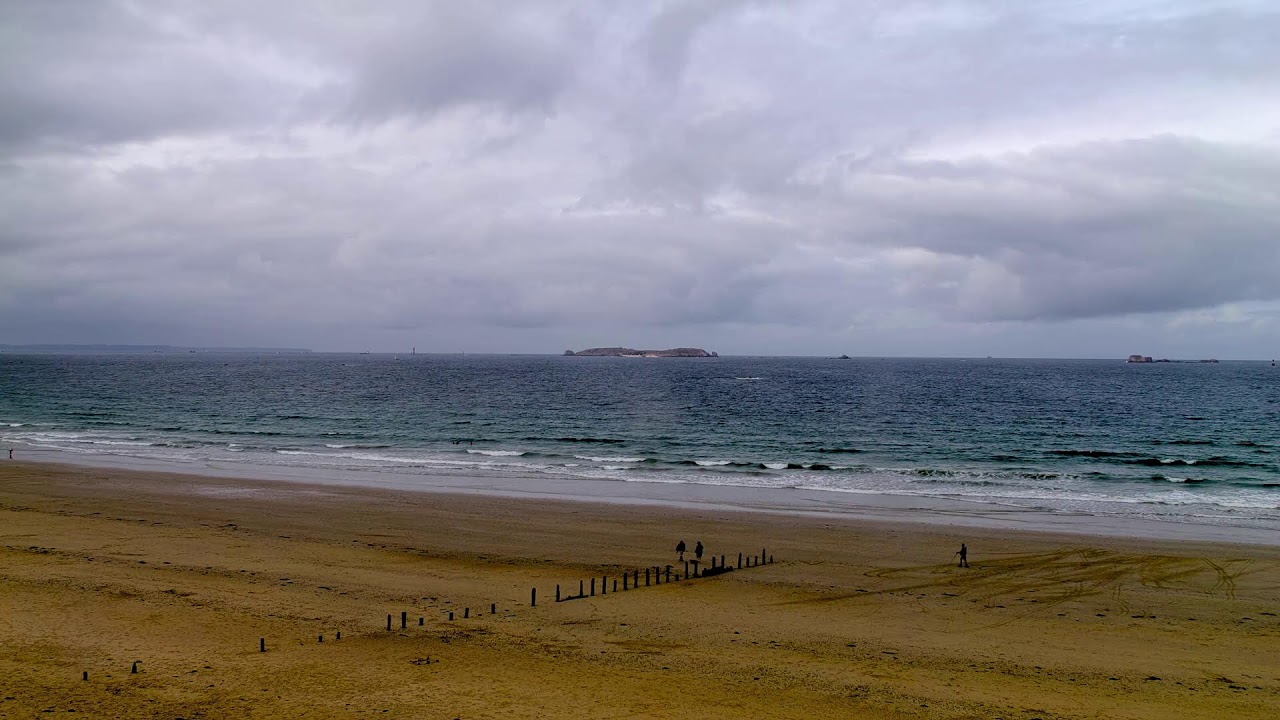
A City That Rose from the Rock
Saint-Malo is a place where granite walls meet the Atlantic, and the history of corsairs lingers in the salty air. Located in the northwest of France, in Brittany, this port city has for centuries been an outpost of seafarers, privateers, and explorers. Today Saint-Malo remains one of the most colorful cities on the French coast, and Saint-Malo webcams online let you see it at any time of day — from sunrise over the fortress towers to sunset, painting the granite in golden hues.
The city was founded in the 5th–6th centuries by hermit monks, from whom it received its name — Saint Maclou (Saint-Malo). At first it was a small monastery on a rocky headland, but by the 12th century the settlement had grown into a free city with special privileges. In 1590–1594, Saint-Malo even declared itself an independent republic, breaking away from France — a bold move for a city that lived by maritime trade and privateering.
Fort Intramuros — The Granite Ring of the Old Town
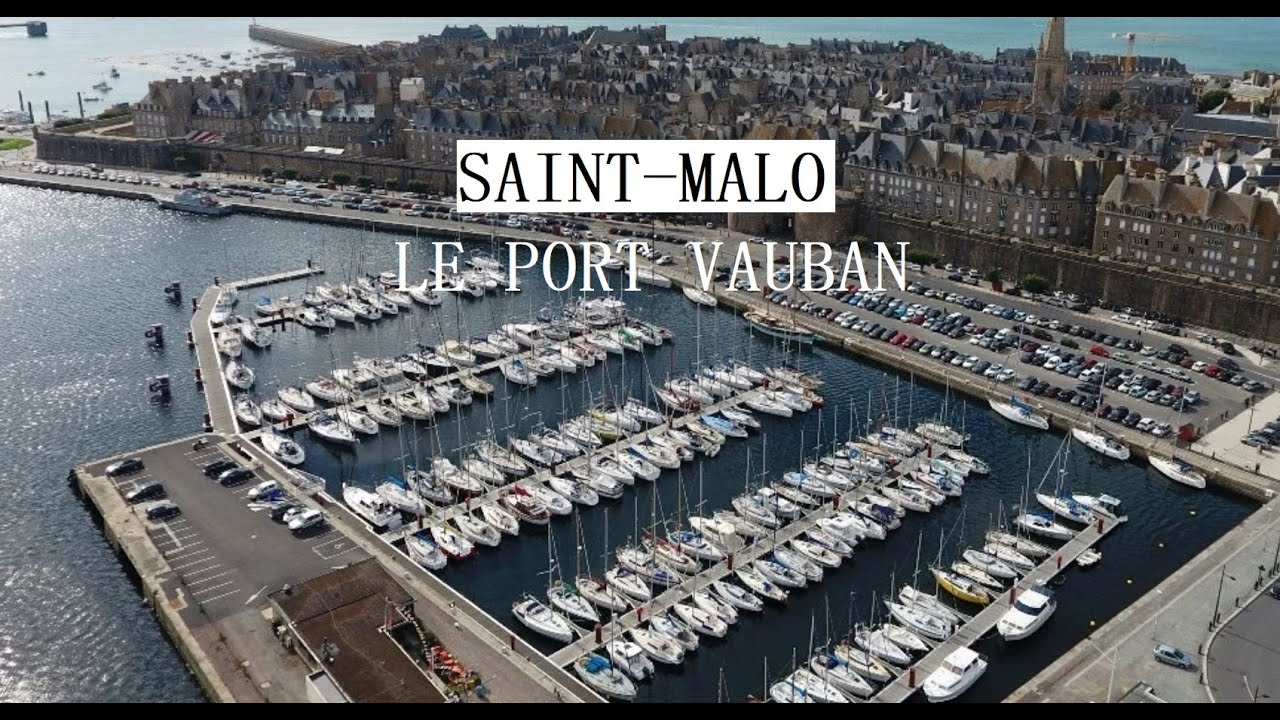
The heart of Saint-Malo is Intramuros, the old town enclosed by mighty fortress walls. The walls stretch for 1754 meters, encircling a maze of narrow streets, cafés, and shops. Built from local granite, they reach a height of up to 12 meters and include 8 towers and 4 main gates. The Porte Saint-Vincent gate has been the main entrance to the city since the 14th century, and the Bidou tower, also built in that century, remains the highest point of the fortress.
During World War II, the city was 80% destroyed — bombings and fires wiped out most of the buildings. But the fortress walls withstood the assault, like unwavering sentinels. After the war, Intramuros was carefully restored, and today its architecture once again delights the eye — granite facades, steep roofs, and cozy interior courtyards create an atmosphere unlike any other city in France.
Tides — A Natural Show 13 Meters High
One of the most impressive features of Saint-Malo is its tides with an amplitude of 13–14 meters, among the highest in Europe. During spring tides, which coincide with full and new moons, the ocean recedes 2–3 kilometers, exposing the bottom with granite boulders that have been used for centuries to build Mont-Saint-Michel. The tidal wave moves at speeds of up to 10 km/h — faster than a running person — and it is best to observe this phenomenon from a safe distance.
At low tide, the islets along the coast become accessible — you can walk to them on dry land, though locals warn: linger too long and you may be cut off from the mainland for several hours. This is exactly why Saint-Malo webcams are so popular with tourists — they allow you to see the scale of the tides in real time and plan your walk across the exposed seabed.
Corsairs and Explorers — The Maritime Glory of the City
Saint-Malo was the main center of French privateering in the 17th–18th centuries. Hundreds of corsar ships were based in the local harbor, and their spoils made the city the country's largest port by trade volume. The famous René Duguay-Trouin captured over 300 ships and became one of the wealthiest people in France, and one of the streets in Intramuros still bears his name.
But corsars were not the only ones to make the city famous. Jacques Cartier, born in Saint-Malo in 1491, set sail from the local port in 1534 on his first expedition to Canada. He discovered the St. Lawrence River and explored the territory of modern Canada, naming these lands with the word 'Canada' — from the Iroquoian 'kanata,' meaning 'village.' A monument to Cartier stands on the waterfront, and the house where he was born is preserved as a museum.
Districts and Islands — From Intramuros to Saint-Servan
Modern Saint-Malo extends far beyond the fortress walls. The Saint-Servan district, located to the south of Intramuros, is a quiet residential quarter with parks and views over the bay. It is here that the La Désirade tower stands, one of the few surviving medieval structures outside the fortress.
The eastern district of Rothe was once a fishing village that has become an upscale neighborhood with villas and panoramic terraces. From here you get the best view of the bay and Grand Bé island, where on the day of the writer Chateaubriand's death, the highest tidal wave in the city's history was recorded. A monument to the author of 'The Genius of Christianity' stands on the island, and at low tide you can walk to it on foot.
Climate and Nature — Oceanic Character
Saint-Malo is strongly influenced by the Atlantic. It has a mild maritime climate with cool winters and moderately warm summers. Temperatures rarely drop below freezing, but the wind and humidity create a sensation of coolness even in July. That is why locals prefer to dress in layers — it may be foggy in the morning, but by noon the sun warms the granite walls to a pleasant heat.
Vegetation in the city is modest — granite is not exactly conducive to lush greenery — but in the parks and along the waterfront you can find maritime pines, eucalyptus, and whimsical agaves. In the bay you can spot herons and seagulls, and at low tide — whole colonies of mussels and crabs that become prey for local fishermen.
What Cameras Show the City
This page features Saint-Malo webcams broadcasting the city in real time. You can choose a camera located on the fortress wall to see the panorama of Intramuros and the harbor, or switch to a waterfront stream — to watch the tides and ships entering the port. Cameras on the towers offer views of the bay and islands, while those installed in the Saint-Servan district show quiet streets and parks.
Watching Saint-Malo webcams is best during spring tides — then you will see how the ocean recedes, exposing the granite seabed, and how it returns, filling the bay with incredible speed. And if you are planning a trip to Brittany, online streams will help you assess the weather and tide conditions in advance — so your walk across the exposed seabed will be safe and memorable.