

🏙️ Webcams Plougonvelen online — watch in real time
1 cameras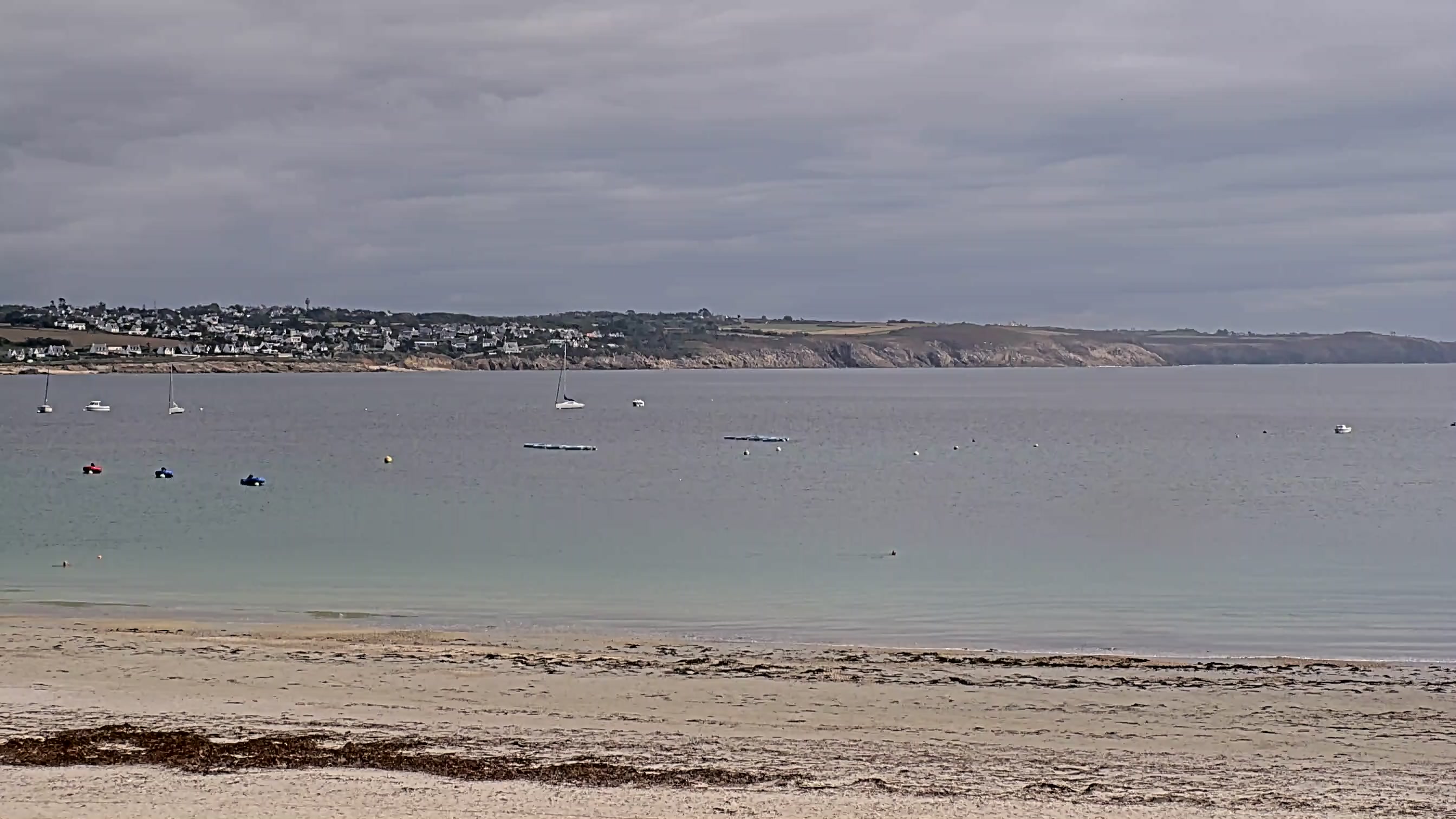
Historical heritage of Plougonvelen: from legends to the present day
Plougonvelen is a small commune on the western coast of Brittany, preserving the memory of centuries of maritime history. The main attraction is the Abbey of Saint-Mathieu in Finistère, founded in the 6th century by a former knight who served at the court of King Childebert I of the Franks. He took monastic vows after a tragic incident: falsely accused by his stepmother, the knight killed his own brother, repented, and dedicated his life to God. This story became the foundation for one of the most significant spiritual centers in western Brittany.
According to legend, the body of the Apostle Matthew was rescued from the sea off the coast of Plougonvelen, which gave the name to Saint-Mathieu Point. In 1602, a royal patent confirmed the monks' right to the remains of all those who perished at sea and along the coast near Saint-Mathieu, Plougonvelen, and Le Conquet. And on December 16, 1768, the ship "La Dorothée" was wrecked off the abbey — another page in the maritime history of these places. The Abbey of Saint-Mathieu has been a historical monument of France since 1875, underscoring its significance for national heritage.
The abbey's architecture reflects several eras of construction. Romanesque elements coexist with Gothic details, and the ruins of the temple create an atmosphere of medieval grandeur. The chapel dedicated to the Virgin Mary has been better preserved than the other buildings and still attracts pilgrims and tourists.
Saint-Mathieu Point: lighthouse, abbey, and semaphore
Saint-Mathieu Point is a promontory in the commune of Plougonvelen, Finistère department, in western Brittany. According to legend, the abbey was founded in the 6th century by Saint Tanguy. In the 12th century, the monastery fell into disrepair. Today the complex consists of temple ruins, a lighthouse, and a preserved chapel dedicated to the Virgin Mary. The abbey, lighthouse, and semaphore are situated on high cliffs dominating the ocean, forming a unified ensemble visible for many kilometers from the shore.
In December 1695, the coal fire at the Saint-Mathieu lighthouse was replaced with a structure of 15 copper oil lamps arranged on three levels. This improvement made the lighthouse one of the most modern for its time on the Brittany coast. Today, Plougonvelen webcams allow you to see this majestic landscape in real time — from the stone walls of the abbey to the vast expanse of the Atlantic.
The semaphore installed on the point is part of the maritime signaling system and is still used to ensure navigation safety. From the height of the cliffs, there is a panoramic view of the Goulet de Brest strait and the endless ocean — a sight that leaves no one indifferent.
Fort Bertrou: a fortress on a tidal island
Fort Bertrou is located on a tidal island that is now connected to the mainland by a footbridge — originally, access was only possible by boat or rope bridge. In the 17th century, Brest received new development, and Vauban was appointed to fortify the city. The Château de Bertrou became part of the defense system of the Brest roadstead and was transformed into a real fort. Fort Bertrou occupies a strategic position controlling the Goulet de Brest strait — the key maritime route to the harbor of Brest.
Visitors to the fort can explore the casemates, gun platforms, and enjoy panoramic views of the coastline. The tidal nature of the island creates a unique atmosphere: during low tide, the fort is only partially surrounded by water, while at high tide, waves wash its walls almost completely. The exhibition inside the fort tells about its military history and role in defending the Breton coast.
Geographical location and climate
Plougonvelen is located at the extreme west of Finistère, where harsh cliffs meet the endless ocean. The coastline is indented with bays and capes, creating dramatic landscapes. The local climate is typically oceanic, with mild winters and cool summers. Moist winds from the Atlantic bring frequent rains, but they also maintain the lush greenery of coastal meadows.
Online broadcasts from Plougonvelen webcams show not only architectural monuments but also the power of coastal waves, especially during stormy weather. In winter, you can observe the play of the elements when waves crash against the rocks with incredible force, spraying water tens of meters upward.
Nature and landscapes of western Brittany
The local nature preserves its pristine character — there are no large industrial facilities, making the region attractive for those who appreciate the wild Atlantic. Coastal trails lead to viewing platforms offering views of rocky cliffs and green pastures. In spring, the slopes are covered with wildflowers, while in summer, herds of cows and horses graze here.
The flora and fauna of the coast are typical of western Brittany: heather moors, oak groves, and coastal colonies of seabirds. On the rocks near Saint-Mathieu Point, you can observe cormorants, gulls, and other birds nesting on the coastal cliffs. The coastal waters are rich in fish, attracting fishermen and sea fishing enthusiasts.
Cultural life and tourism in the commune
Despite its modest size, Plougonvelen offers tourists a rich program. In addition to visiting the abbey and the fort, you can walk along coastal trails leading to viewing platforms. Local residents carefully preserve Breton traditions, and cafés serve fresh seafood — oysters, crabs, and lobsters caught in coastal waters.
Several beaches near Plougonvelen are popular among surfers and beachgoers. Local surf schools offer lessons for beginners, while experienced riders find good waves here. The Brittany coast is famous for its surf spots, and Plougonvelen is no exception.
How to get there and where to stay
Plougonvelen is located 20 kilometers from Brest, the largest city in the region. You can get here by car via the D785 road or by public transport from Brest. During the season, additional bus routes run for tourists. For those traveling by bicycle, special routes have been laid along the coast.
Accommodation options range from small guesthouses to hotels in neighboring communes. Local hotels offer cozy rooms with ocean views and a traditional Breton breakfast with crepes and cider. It is better to book accommodation in advance, especially during the summer season when the coast attracts many tourists.
What the cameras show
This page features Plougonvelen webcams broadcasting views of the Abbey of Saint-Mathieu, Saint-Mathieu Point, Fort Bertrou, and coastal landscapes. Choose the stream you are interested in to see Brittany in real time — from the grandeur of the cliffs to the play of waves at the foot of the lighthouse.