

🏙️ Audierne webcams online — watch in real time
1 cameras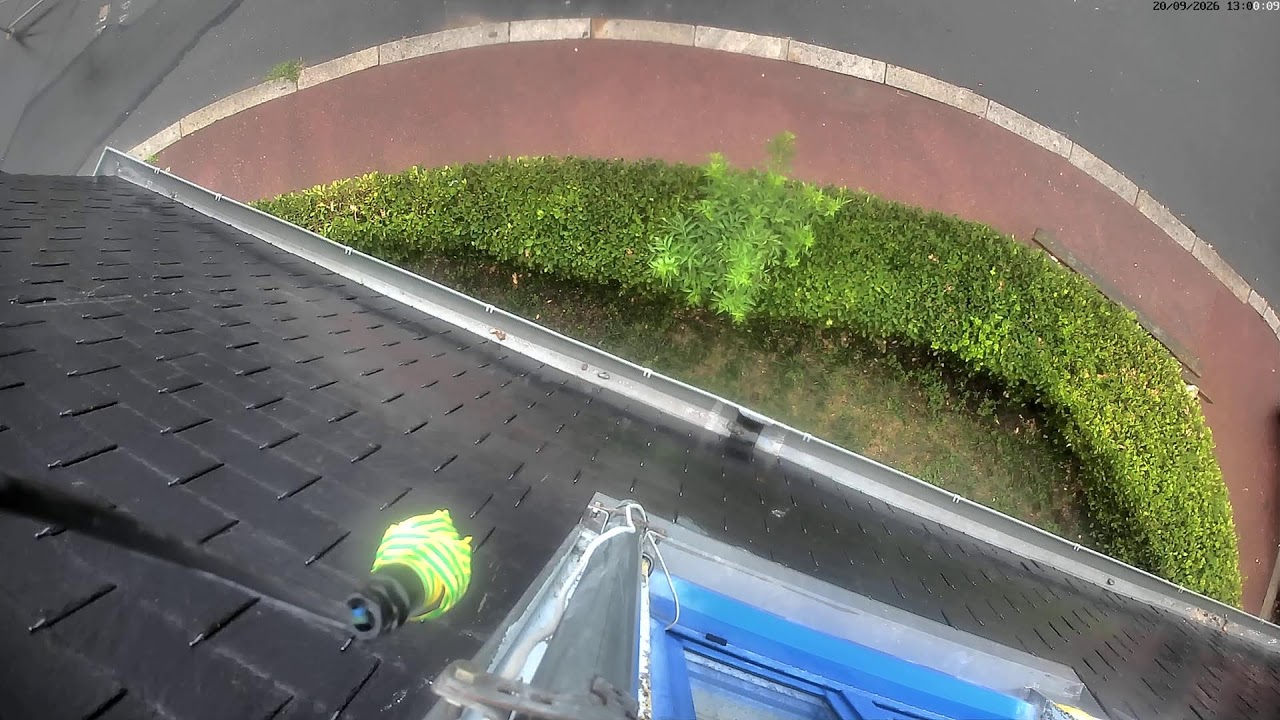
History of Audierne: from fishing haven to maritime fortress
At the westernmost tip of Brittany, where the Atlantic crashes against the cliffs of Cap-Sizun, lies a small port with a long and turbulent destiny. Audierne originated as an offshoot of the ancient parish church of Plogoff — this fact alone is enough to understand how deeply the roots of this settlement reach into the history of Armorica. The town's name carries the imprint of its Celtic past: "Aod thiern" translates as "shore of the prince (thiern)", as if reminding of the times when these lands were ruled by local chieftains.
The port of Goyen, which forms the heart of modern Audierne, first appears in written sources in the early 15th century. A 1410 document mentions it as "port de Goezian", and within seven decades the town had become a notable maritime force. Bordeaux registers from 1482–1483 record 10 ships arriving from Audierne — an impressive figure for a provincial port of that era. By the end of the 15th century, the harbor appears in documents under the name Trefgoazien, reflecting the evolution of the local Breton language.
Shipwrecks and the grim legacy of the bay
The waters off Audierne were never kind to sailors. The Bay of the Three Sisters, which protects the port from the west, was the site of countless disasters for centuries. Until the 18th century, the inhabitants of the Pointe du Raz and Audierne bay area lived off the wreckage of shipwrecks, collecting cargo and timber washed ashore by the waves. This grim survival economy shaped the character of the local population — hardy people, accustomed to danger and skilled at reading the ocean.
The second half of the 17th century and the entire 18th century brought decline to the town. Nearly continuous wars with England paralyzed trade, while blockades and privateer raids ruined shipowners. Audierne's first mayor, Dumanoir, who took office in 1790, wrote with bitterness about the city's former glory — the legacy of prosperity had dissolved in the smoke of artillery fire and the storms of the revolutionary era. Nevertheless, it was in 1789 that Audierne sent four delegates to the Third Estate assembly in Quimper, confirming its status as a full participant in the political life of Brittany.
Île de Sein and La Vieille lighthouse: guardians of the Atlantic
To the west of Pointe du Raz, separated by the turbulent Raz de Sein strait, lies a flat strip of land that has become a symbol of Breton courage. Île de Sein is located 7.20 km from Pointe du Raz — a distance local fishermen crossed in frail boats long before the advent of engines. Today the island has preserved its authentic way of life: it is a car-free island, where the natural landscape remains untouched by civilization.
Between Audierne and Île de Sein, on the rock of Gorlebella — "the farthest rock" in Breton — stands one of the most dramatic lighthouses of the Atlantic. La Vieille lighthouse was built from 1882 to 1887 in conditions that seem unbearable even today: the builders lived on a bare rock surrounded by raging waves, and materials had to be delivered using cableway systems. The lighthouse became the last outpost of civilization before the open ocean, and its light saved thousands of ships from perishing off these treacherous shores.
Districts and landmarks of the town
Modern Audierne is a conglomeration of historic quarters, each preserving traces of a particular era. The old town around the Saint-Roch church has retained narrow streets with granite houses, their facades coated with the patina of salt and time. The port area, once centered on Goyen, now welcomes yachts and fishing boats, and along the waterfront you can watch fishermen sorting their catch.
Of particular interest is the Esine district on the southern outskirts — here lie the remains of fortifications that protected the entrance to the bay. The headland with its windmills and viewing platforms offers a panorama of the entire harbor, and on clear days the silhouette of Île de Sein is visible on the horizon. For those who want to feel the scale of this landscape without leaving home, there are Audierne webcams broadcasting views of the port and rocky coastline in real time.
Cap-Sizun: the edge of the earth and its secrets
The territory of Cap-Sizun, of which Audierne is a part, holds the memory of millennia of human presence. The Cap-Sizun Maritime Museum, established in 2000, houses over 1,500 objects illustrating the region's history from prehistoric times to the present day. The collection includes navigation instruments, ship models, cult objects, and archaeological finds from sunken vessels. The paradox is that the museum currently has no permanent home — its treasures await a new building, remaining inaccessible to the general public.
The legends of Cap-Sizun are inseparable from the myth of the drowned city of Ys. Princess Dahut, the central figure of this tale, according to the local version disposed of her child in a place known as Hell of Plogoff — a grim name that locals pronounce with a special expression on their faces. These legends are not mere folklore: they reflect a real fear of the ocean, which every year claimed the lives and property of coastal communities.
Maritime heritage and Breton culture
Audierne is one of those places where Breton identity is felt most acutely. The local dialect, traditional festivals, seafood cuisine — all of this creates an atmosphere atypical for continental France. The town lives by the rhythm of the tides: when the water recedes, exposing the sandy beaches of the bay, shellfish gatherers emerge onto the sandbanks, and when the tide returns, the fill of waves and the cries of gulls fills the port.
Excursion routes around the area offer visits to La Vieille lighthouse, Pointe du Raz, and Île de Sein — the classic "Lighthouses and Shipwrecks" tour covers the key points of the region's maritime history. But even without a boat trip, one can get an impression of the scale of these landscapes: online broadcasts from Audierne webcams allow you to see the rocky shore, the bay, and the horizon where the sky meets the Atlantic.
Which cameras show the town
This page features Audierne webcams available for real-time viewing. The broadcasts cover the port area, the waterfront, and the rocky coastline of Cap-Sizun. Select a camera of interest to observe vessel movements, changing weather, and the life of the Breton port at any time of day. Audierne webcams are a window into a world where the history of seafaring continues to be written every day.