

🏙️ Webcams Tallinn Online — Watch in Real Time
2 cameras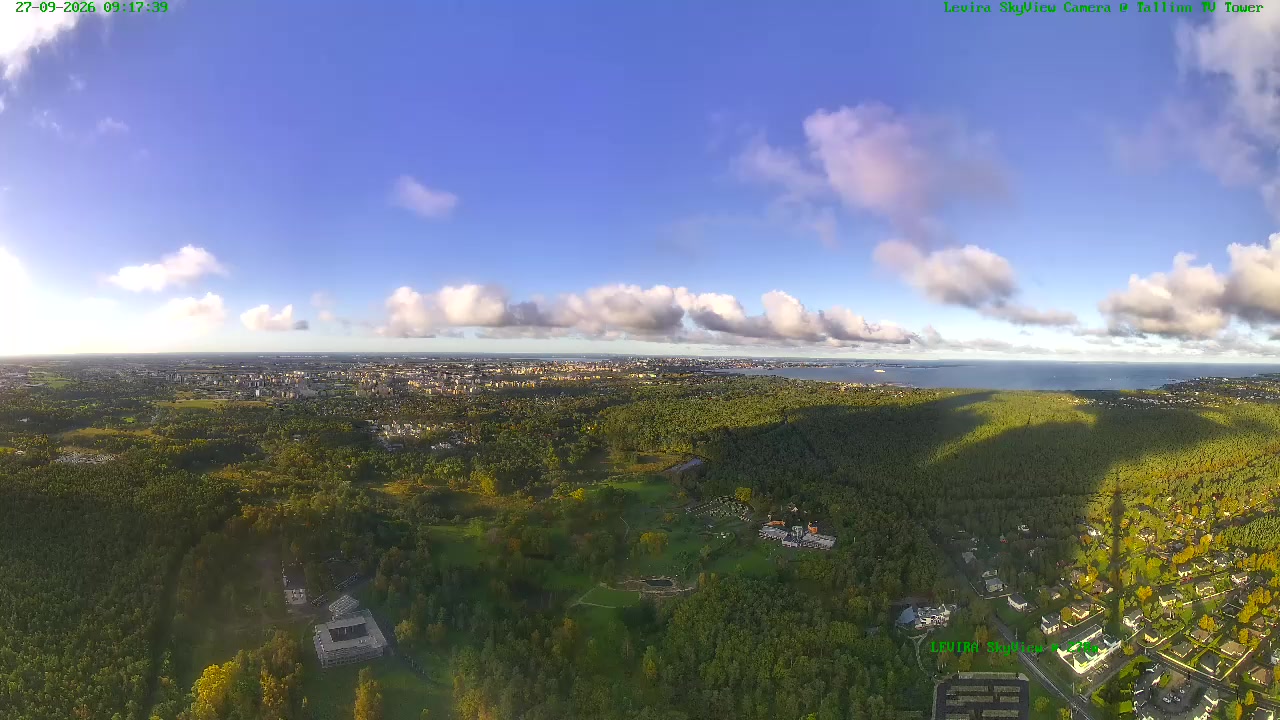
Tallinn: Medieval Heritage on the Gulf of Finland Coast
Tallinn is the capital of Estonia and the country's largest city with a population of 456,518 people (as of January 1, 2025). The city spans an area of 159.37 km² along the coastline of the Gulf of Finland, located just 80 kilometers from Helsinki. Tallinn is a place where Scandinavian restraint intertwines with European history, where medieval streets coexist with modern technological solutions.
The first written mention of a settlement on the site of modern Tallinn dates back to 1154, when the Arab geographer Al-Idrisi described a fortified harbor called Lindanise. In 1219, Danish troops under King Valdemar II conquered these lands, laying the foundation for the development of one of the most important trading centers in the Baltic region.
Old Town — The Heart of Tallinn
Tallinn's historic center, known as the Old Town, is an exceptionally well-preserved medieval urban ensemble. Since 1997, it has been included in the UNESCO World Heritage List as an outstanding example of a Northern Hanseatic trading city. The protected area covers 113 hectares, and the buffer zone encompasses 2,253 hectares.
The Old Town is divided into two parts: the Upper Town (Toompea), where the rulers' residences were located and where the Estonian Parliament now sits, and the Lower Town — the commercial and craft center surrounded by massive fortress walls. About 5,000 people live here — a small fraction of Tallinn's total population, yet this is where tourists from around the world flock.
Architectural Landmarks and City Symbols
Tallinn's silhouette is unimaginable without church spires and fortress towers. St. Olaf's Church (Oleviste) reaches a height of 123.7 meters — the maximum allowable building height in Tallinn, established by the city council after gaining independence. Previously, in the 15th century, the spire was even taller, making the church one of the tallest structures in the world.
Tallinn Town Hall on Town Hall Square is another symbol of the city. Built in 1404, it is the oldest town hall in Scandinavia and the Baltic countries. Nearby is the Town Hall Pharmacy, which has been operating continuously since the early 15th century — one of the oldest functioning pharmacies in Europe.
Toompea Castle on the hill of the same name now serves as the seat of the Riigikogu — the Estonian Parliament. Its walls have seen Danish kings, Teutonic Knights, Swedish governors, and Russian governors. The pink facade of the castle with the Pikk Hermann Tower is one of the most photographed objects in Tallinn.
Cultural Diversity and Ethnic Composition
Tallinn is a multinational city. According to census data, Estonians make up 53% of the population, Russians 34%, and the remaining 13% includes Ukrainians, Belarusians, Finns, and representatives of other nationalities. This diversity is reflected in the architecture, cuisine, and cultural life of the city.
After Estonia regained independence in 1991, Tallinn underwent a significant transformation. From a Soviet industrial center, it turned into a modern European capital with a developed IT industry. Tallinn became the first city in the world to introduce free public transport for its residents, and its e-residency system attracts entrepreneurs from all over the world.
Tallinn's Districts: From Medieval Streets to Soviet Quarters
Tallinn consists of eight administrative districts, each with its own character. Kesklinn (the center) includes the Old Town and the business district. Lasnamäe is the largest residential area with typical Soviet panel housing, where a significant portion of the Russian-speaking population lives. Mustamäe and Nõmme are more prestigious districts with private houses and green streets.
The creative city of Telliskivi — a former industrial complex turned into a trendy space with galleries, restaurants, and shops. Kadriorg is a palace and park ensemble from the Peter the Great era, home to the Presidential Palace and the Kumu Art Museum. Each district of Tallinn tells its own story — from medieval trade guilds to Soviet industrial giants.
Tallinn Through the Ages: From the Hanseatic League to the Digital Revolution
In the 14th–16th centuries, Tallinn (then known as Reval) was the northern outpost of the Hanseatic League — a powerful trading confederation. It was during this period that the architectural appearance of the Old Town took shape: merchants' houses with high gables, churches, the town hall, and fortress walls. The Great Guild House (built in 1413) and the House of the Blackheads are reminders of those times.
After the Great Northern War, Tallinn became part of the Russian Empire. During the Soviet period, the city grew significantly due to industrialization and migration from other republics. New residential areas, industrial enterprises, the Linnahall Palace of Culture and Sports, and the TV tower appeared. Many of these structures have survived to this day and are architectural monuments of their time.
Climate and Nature of Tallinn
Tallinn lies in a temperate maritime climate zone with mild winters and cool summers. The proximity of the Gulf of Finland moderates temperature fluctuations but brings frequent winds and precipitation. In summer, the white nights last from June to July, when the sun barely dips below the horizon — this is the ideal time for walks along the waterfront and observing the city through webcams.
The surroundings of Tallinn are rich in natural attractions. The coastline with beaches and pine forests, the Paldiski Nature Reserve, lakes, and marshes — all create a unique landscape contrast with the stone walls of the Old Town. Kadriorg Park, the Botanical Garden, and the Song Festival Grounds are favorite recreation spots for city residents.
Legends and Mysteries of Old Tallinn
The medieval streets of Tallinn hold many legends. They say that the Pikk Hermann and Fat Margarita towers are lovers who failed to reach the gates before midnight and were turned to stone. In the underground tunnels of the Kiek in de Kök tower, locals read portals to the otherworld. The Blacksmith's House on Pikk Street is allegedly visited by a restless spirit clanking tools at night.
The King's Garden of Denmark — the place where, according to legend, the Danish flag Dannebrog was born. Statues of monks stand here, looking almost alive in the moonlight. The narrow passage of St. Catherine's Passage (Katariina käik) with huge medieval tombstones in the walls sends shivers down your spine — this was once the site of a monastery cemetery.
What the Cameras Show
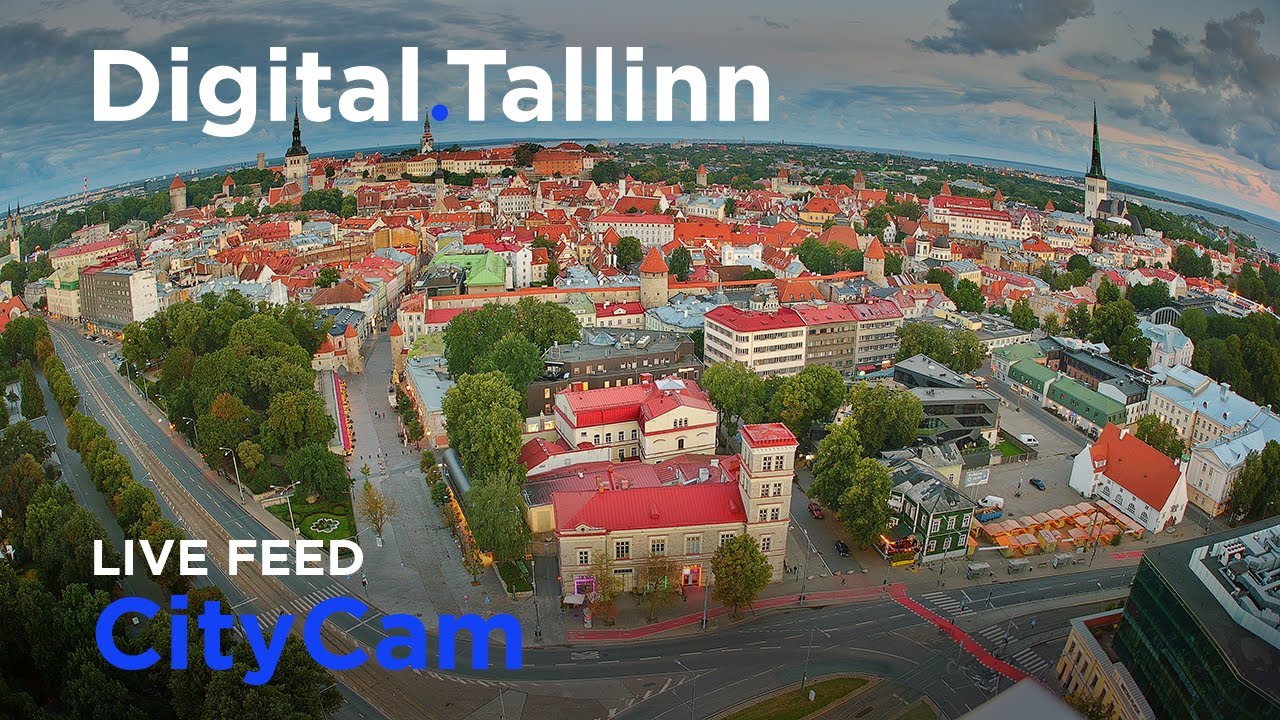
Tallinn's webcams allow you to see the city in real time without leaving home. Cameras installed on main squares and intersections broadcast the life of the Old Town: tourists exploring medieval streets, merchants on Town Hall Square, ships in the port. Panoramic cameras offer views of church spires and the fortress walls of Toompea.
Online broadcasts from the Gulf of Finland waterfront show ferries cruising between Tallinn and Helsinki, and sunsets over the Baltic Sea. Cameras in modern districts demonstrate the dynamic life of a European capital — from business quarters to parks and embankments. Whether you are planning a trip or simply want to experience the atmosphere of a northern city, Tallinn's webcams are the perfect way to take a virtual journey.