

🏙️ Webcams Nieuwpoort online — watch in real time
2 cameras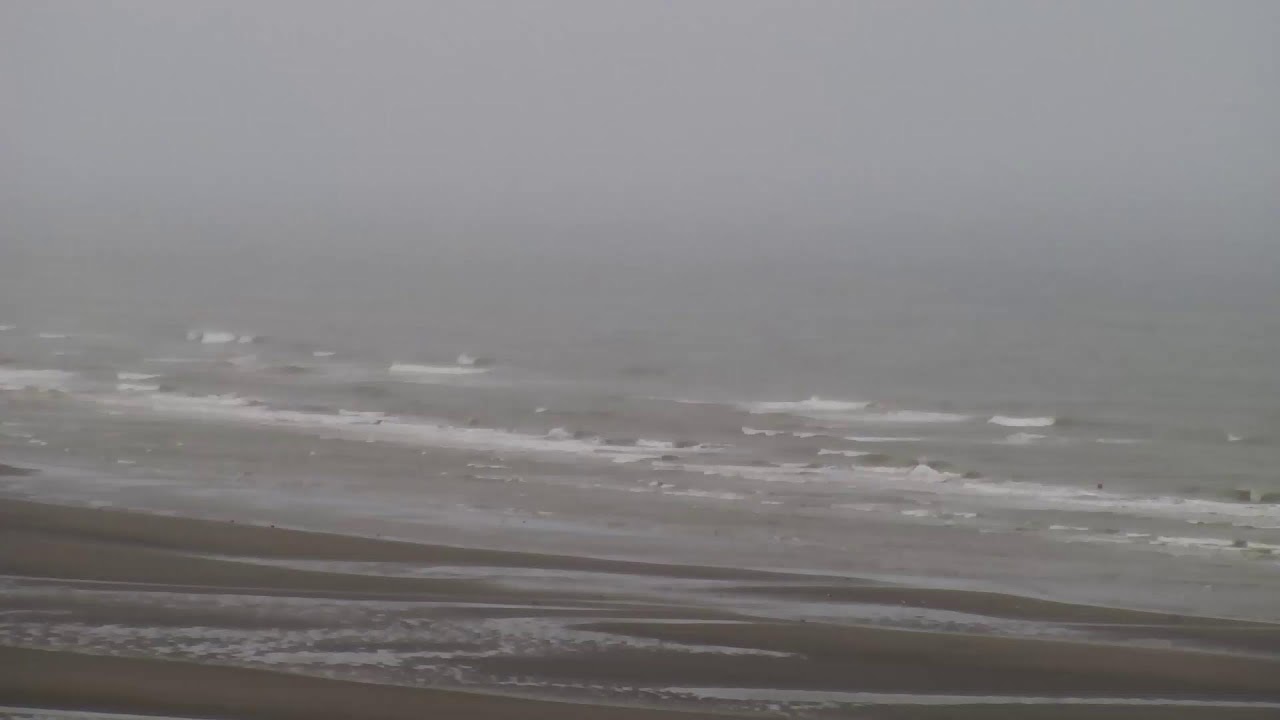
Geographical location and unique structure of Nieuwpoort
Nieuwpoort occupies a special place on the map of the Belgian coast, located in the very heart of West Flanders. The city is situated on the North Sea coast in Flanders, in western Belgium, at the mouth of the Yser River, which flows into the North Sea. This strategic position at the junction of river and sea has shaped its centuries-long history as the region's most important port. Nieuwpoort consists of two centers: the old medieval center (Nieuwpoort-Stad) with small houses and cobblestone streets, and the coastal center. This dual structure creates the city's unique character, where narrow medieval alleys coexist with a spacious promenade and modern beach zones. The old town, surrounded by preserved fragments of fortress ramparts, preserves the atmosphere of a 17th-century Flemish province, while the coastal part is oriented toward tourism and recreation. The mouth of the Yser River forms a natural harbor protected by dunes, making Nieuwpoort an important strategic point for centuries.
Historical heritage: from the Battle of the Dunes to World War I
The history of Nieuwpoort is inextricably linked to military conflicts that shaped its development over the centuries. The Battle of Nieuwpoort took place on July 2, 1600, during the Eighty Years' War, when the Dutch army under the command of Maurice of Nassau clashed with Spanish forces in the dunes near the city. This battle became one of the key episodes in the struggle for Dutch independence and demonstrated the superiority of Dutch military tactics in coastal terrain. Three centuries later, the city once again found itself at the center of military operations. During World War I, the Belgians opened navigation locks, flooding the Yser River valley to halt the German advance. This engineering feat saved Flanders from occupation and forever entered military history as an example of scorched earth tactics. The flooded Yser valley became an insurmountable obstacle for German troops and a front line for four years of war. Ruins of destroyed buildings and trenches still recall the tragic events of those years.
Architectural landmarks: lighthouse, town hall, and windmills
The architectural appearance of Nieuwpoort is shaped by several iconic landmarks, each with its own unique history. The Nieuwpoort Lighthouse (Vuurtoren van Nieuwpoort) was built in 1881, stands 31 meters tall, was blown up in October 1914 during World War I, and rebuilt in 1923 from brick. The brick structure of the new lighthouse became a symbol of the city's recovery after the devastation of war. Interestingly, the first lighthouse on the European continent was built in Nieuwpoort in 1284, underscoring the city's centuries-old maritime tradition and its significance for navigation in the North Sea. The Nieuwpoort Town Hall (Stadhuis) was built in 1986 when the municipality became part of a larger merger, and today the building is used as a museum. Three historic windmills (one of which was brought from another Belgian city) adorn the landscape park on Nieuwpoort's former city ramparts, which house museum exhibits with ancient mechanisms. These windmills not only serve as architectural decoration but also demonstrate traditional grain milling technologies used in Flanders for centuries.
Fishing heritage and auction traditions
The port of Nieuwpoort remains an active fishing port, preserving traditions rooted in the Middle Ages. The Vismijn fish auction hall in Nieuwpoort got its name because before electronic trading was introduced, auction participants shouted "mijn" (mine) to place their bids. This unique tradition reflects the character of local fishermen and traders who have worked on the North Sea for centuries. Today, the port combines industrial fishing with yachting and tourist infrastructure. Fishing boats sit alongside pleasure yachts, and the auction hall continues to operate, though modern technology has replaced the traders' shouts with electronic terminals. Fresh fish is delivered to the local market and waterfront restaurants, preserving the region's gastronomic traditions.
Natural landscape: dunes, parks, and coastline
The environment of Nieuwpoort is a unique combination of seacoast, dune arrays, and river valley. The landscape park on the former city ramparts serves as a green corridor connecting the old town with the coastal zone. The dunes, which were the scene of the historic battle of 1600, are now a nature reserve with hiking trails and observation decks. The Yser River, which flows into the sea within the city limits, creates a freshwater ecosystem contrasting with the salty marine environment. This diversity of landscapes makes Nieuwpoort attractive for nature lovers, offering beach walks, birdwatching of migratory birds at the river mouth, and exploration of dune ecosystems. Tides shape the shoreline, exposing sandbars and creating conditions for shellfish gathering.
Cultural life and modern character
Modern Nieuwpoort is a blend of historical heritage and resort infrastructure. The city attracts tourists not only with its beaches but also with museum complexes located in historic buildings. The former town hall, now converted into a museum, tells the story of the region's maritime history and the city's role in the wars of independence. The windmills on the ramparts are open to visitors, showcasing ancient mechanisms and milling technologies. The waterfront area offers seafood restaurants, shops, and promenades with views of the port. The city also serves as a starting point for exploring the Flemish coast, including nearby resorts and historic towns. Festivals and cultural events held in the historic center attract lovers of Flemish culture and traditions.
Climatic features and coastal atmosphere
Its location on the North Sea coast determines the mild but windy climate of Nieuwpoort. Sea breezes create a special atmosphere that can be felt on the promenade and in coastal parks. Temperature fluctuations here are less extreme than in the interior of the continent, but the weather can change quickly, which is typical for coastal regions. This variability gives the city a special charm, attracting lovers of maritime aesthetics. Sunny days alternate with cloudy ones, and sunsets over the sea create picturesque landscapes that can be observed from the promenade or from the windows of coastal cafes. The wind blowing from the sea brings the smell of salt and seaweed, creating the unique aroma of a coastal city.
What the cameras show
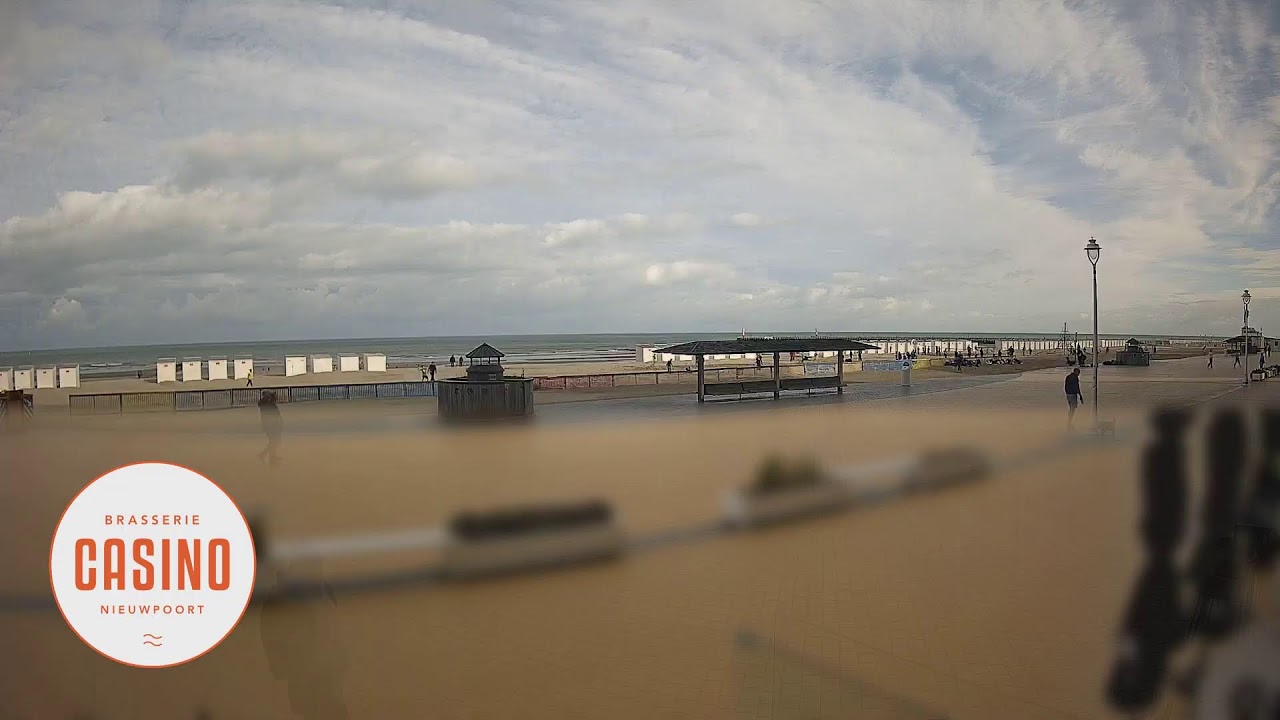
Nieuwpoort webcams provide access to various aspects of life in this Flemish port city. Broadcasts from central squares allow you to observe architectural monuments and the daily life of the old town. Cameras on the promenade show the movement of fishing vessels and yachts in the port, as well as weather changes over the North Sea. Coastal cameras cover the beach area and dunes, showcasing natural landscapes that have witnessed historical events. Through the camera lens, you can see how medieval cobblestone pavements coexist with modern port infrastructure, and how the Yser River flows into the sea, creating a unique geographical landscape. Live streams make it possible to assess the scale of the port, the condition of the beaches, and the atmosphere of this Belgian coastal city at any time.