

🏙️ Taipei Webcams Online — Watch the City in Real Time
11 cameras




Taipei Webcams — Watch in Real Time
Taipei is the main cultural and economic center of Taiwan, one of the most densely populated cities in the world with numerous attractions. Ancient traditions and modern technologies intertwine here, and on the streets you can find Chinese temples, tornado-era skyscrapers, and bustling night markets. Taipei webcams provide a unique opportunity to observe the rhythm of this unique city around the clock from anywhere in the world.
A City Between Tradition and Innovation
Taipei is a metropolis with a population of about 2.6 million people, located in the northern part of the island. The city became the capital of Chinese Taipei after the division of China in 1949. Interestingly, Taipei has preserved a rich cultural heritage: there are several Confucian shrines, Buddhist temples, and historical sites. At the same time, the city actively develops technology — the Taipei 101 skyscraper has become a symbol of modern Asia.
Taipei 101 — The Tallest Symbol of the City
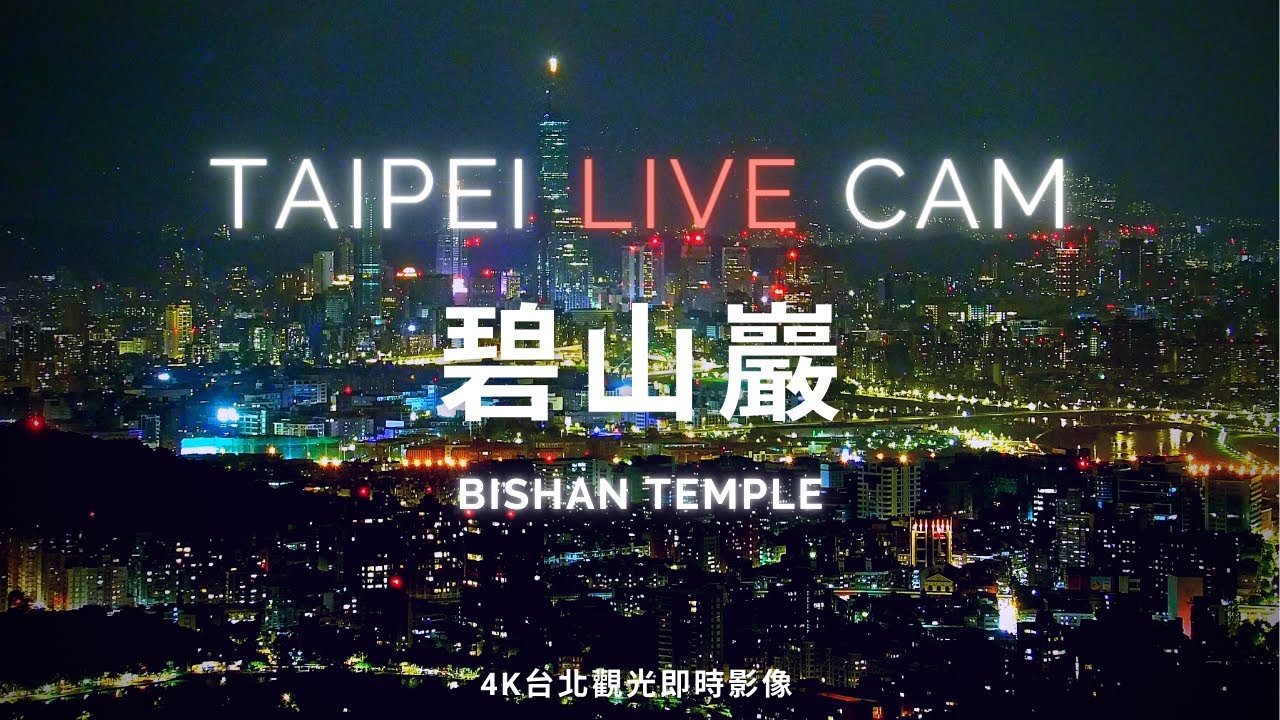
The Taipei 101 skyscraper is not just a building, but an important part of the city's identity. The height of the skyscraper is 508 meters, with 101 floors above ground and 15 floors underground. The building was constructed in 2003 and remained the tallest building in the world for six years, yielding the title only to the Burj Khalifa in 2010. For effective wind protection, two 7-ton dampers are installed inside the 60-meter spire, which dampen micro-vibrations and maintain antenna stability.
You can view Taipei 101 directly from the streets: several observation decks and broadcasts from nearby buildings allow you to watch the movement through the panorama of this architectural masterpiece. The building has 61 elevators, including two special elevators the size of a double-decker bus, which quickly lift visitors to the observation decks.
Spiritual Heritage in the Heart of the Metropolis
At the heart of Taipei's existence are several religious sites where Buddhist, Taoist, and Confucian traditions intertwine. Longshan Temple was built in 1738 by immigrants from Fujian province and dedicated to the goddess Guanyin. This place has preserved rich architectural crafts and folk beliefs in a single space. The Confucius Temple in Taipei is one of the largest Confucian shrines in Asia, built just over a century ago with funds from citizens.
These temples and shrines are located in different districts of the city, but all are available for visual observation through the city's camera networks. You can see processions of worshippers at the entrance, garlands of symbolic elements, and architectural details, each carrying semantic meaning.
Shilin Night Market — The Gastronomic Center
Shilin is one of the most famous districts of Taipei, where shopping streets, cafes, and numerous eateries are concentrated. Shilin Night Market is the largest and most famous market in Taiwan, especially in terms of cuisine. The history of the day market began in 1909, and the night market opened in 1913 — they are located on the site of a former wharf on the Keelung River. Here you can see hundreds of stalls with food, clothing, and accessories, as well as sample local dishes.
A visit to Shilin is a must-have element of any city itinerary. Camera networks broadcast the streets of the district at night, showing the bright lighting of stalls, the bustling crowds, and the festive atmosphere. This allows you to get an impression of the scale and diversity of the market even without physical presence.
Coastal Tamsui with Historical Monuments
The Tamsui district is a coastal area within New Taipei, facing the Taiwan Strait. Tamsui is known for beautiful sunsets and Old Street with shops and restaurants on the waterfront. Nearby is the Santo Domingo coastal fort: it was originally built by the Spanish in 1629 as a wooden fortification, and in 1642 the Dutch erected a stone fortress in its place. This district attracts tourists with its combination of maritime nature and historical sites.
Through internet resources, you can observe the Tamsui waterfront, the evening lighting of the piers, and surrounding areas. The camera shows a panorama of the coastline, traffic on coastal roads, and the atmosphere of the district at different times of day.
Presidential Office Building — A Symbol of Political History
The Presidential Office Building in Taipei was built in 1919 during the Japanese occupation and originally served as the residence of Japanese governors-general. After the establishment of Chinese Taipei, the building became the workplace of senior officials. The building and adjacent park are an important historical and cultural site, frequently visited by tourists and residents.
It is possible to observe the facade and surrounding grounds of the building through the city's camera networks. This allows you to see the structure of the building, entrance areas, adjacent paths, and trees that have formed a green halo around the residence.
What the Cameras Show
Network cameras in Taipei cover different aspects of city life. Among the broadcast objects are high-rise buildings, shopping districts, waterfronts, and historical monuments. Observation through webcams allows you to assess climatic features, street traffic, and the atmosphere of the city in natural conditions. Importantly, the cameras form a panoramic view of the city without automatic correction, allowing you to see the city as it appears from a distance.
Popular directions for online observation include the districts of Sinyi, Datong, Wanhua, and suburban areas such as Tamsui. Each direction demonstrates a unique side of Taiwan: from a high-tech center to a coastal resort. Regular broadcasts help track the weather, operating hours of facilities, and the overall rhythm of the metropolis.