

🏙️ Setagaya Webcams Online — Watch Live Streaming in Real Time
1 cameras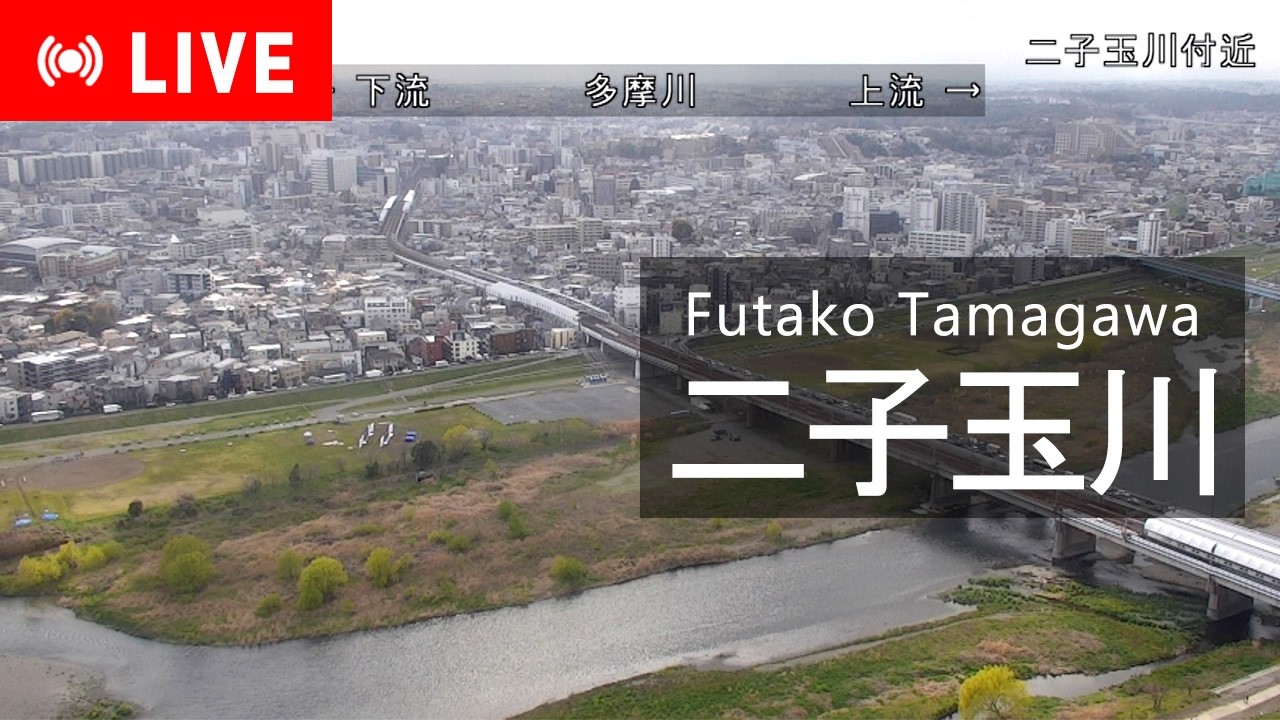
Setagaya: The Southwest Hub of Tokyo Life
Setagaya is a special ward in the southwestern part of Tokyo, located along the banks of the Tama River, which serves as the boundary between the capital's metropolitan area and Kanagawa Prefecture. This ward occupies nine and thirty-five hundredths percent of Tokyo's area and accounts for nine and nine tenths percent of its population. The river divides the boundaries, separating the municipality's territory from the neighboring prefecture.
The ward combines modern residential neighborhoods, small shops and small restaurants. There are specialized shopping centers and small stores for local residents. The border along the Tama River makes the ward a boundary between two administrative units of Japan.
Nature in the Urban Fabric: Todoroki Gorge
Todoroki Gorge is the only natural gorge in central Tokyo, stretching along the Yazawa River. The gorge is approximately one kilometer long. It was formed by the Yazawa River, which cut through the volcanic deposits of the Musashino Plateau. This is the local name for the plateau in Kanagawa and Tokyo, which got its name from the structure of lava and ash from the last eruption of Mount Fuji.
The gorge houses the Buddhist temple Todoroki Fudoson. There are also ancient burial mounds here, evidence that this area was inhabited in ancient times. A rocky stream flows among the slopes, and the rocks form natural rock formations.
Local residents and tourists come here to walk among the dense greenery and stand at the foot of the rocks. The Yazawa River makes a sharp turn at this point, and the waterfall creates a picturesque scene. This is a rare place of nature in the metropolis where you can hear the sound of water among urban development.
Gotokuji Temple and the Legendary Maneki-neko
In Setagaya, in the Shibuya area, is Gotokuji Temple. This temple is popular for its connection with the traditional Japanese symbol of luck — the maneki-neko figurine, or "beckoning cat." Legend has it that in the seventeenth century, a poor monk lived in the temple, who shared his meager food with cats. According to legend, one of the cats raised its paw, inviting the monk into a house where luck awaited. From this image came the symbol of luck.
The temple is known as a place of worship with numerous maneki-neko figurines. The cats are depicted in various poses, raising their right paw, left paw, or both paws. Visitors leave figurines as a sign of gratitude for luck and as a gift for guests.
Passersby and tourists visit the temple to see the many cats in different positions and buy figurines at the temple shop. This is a place with history and tradition, connected with Japanese folk culture and belief in luck.
Shimokitazawa: A Hipster Quarter with Character
Shimokitazawa is a neighborhood in the southwestern corner of the former Kitadazawa ward, which is now part of Setagaya. The name translates as "Lower Kitadazawa," reflecting its geographical position. This quarter is often called "hipster" because of the large number of vintage shops, indie cafes, and small bars located in the alleys.
The pedestrian alleys are filled with vintage clothing stores, music shops, and cafes with homemade desserts. Around the railway station there are shops with vinyl records, books, and craft items. This is a place for those who love a calm atmosphere and non-standard choice of goods.
The neighborhood is known for its festivals held on the main street, as well as concerts by independent musicians in small venues and cafes. Here you can find craft stores, handmade jewelry, and small galleries. Shimokitazawa is distinguished by its distinctive character and cozy atmosphere.
Setagaya Park and Japanese Landscapes
Setagaya Park is a place that symbolizes the Japanese garden landscape. The park has a pond with a bridge over it, a small stream, a waterfall, and stone groups. The creation of the park reflects the desire to preserve traditional Japanese landscape design elements in urban development.
Next to the park is a parallel road that leads to the center of Setagaya or towards Shibuya Station. The park is used by local residents for walks and yoga. In the park you can often see families walking with children or elderly people sitting on benches under the trees.
Evergreen trees grow in the park, forming a green wall with their crowns. In summer, flowers bloom on the trees, giving the park a fresh look. This is a quiet place in the center of the city where you can take a break from the hustle and bustle.
Sandanzaya: Ancient Streets of New Tokyo
Sandanzaya is one of the oldest neighborhoods in Tokyo, whose name comes from Japanese words meaning "three tea houses." The name reflects the history of tea trade in this area. Narrow wooden houses with traditional architecture have been preserved here. The facades are often decorated with retro-style signs.
The neighborhood has traditional izakaya bars — places to relax with small tables where you can serve tapas and have a drink. The walls of buildings are often decorated with signs and plaques written in Japanese. The neighborhood attracts people looking for the atmosphere of an old city.
Sandanzaya is often mentioned in lists of neighborhoods where it's good to live due to its proximity to Shibuya and its ancient atmosphere. In the evening the neighborhood looks cozy, illuminated by neon signs, and in the morning tourists and locals walk the streets shopping.
What the Cameras Show
The page features webcams that broadcast views of Setagaya and its surroundings. You can watch streets, shops and parks in real time. For convenience, the cameras are divided by neighborhoods so you can choose the right image. No registration is required to view — select a camera and enjoy the image in your browser.