

🏙️ Webcams Hakone Online — Watch in Real Time
1 cameras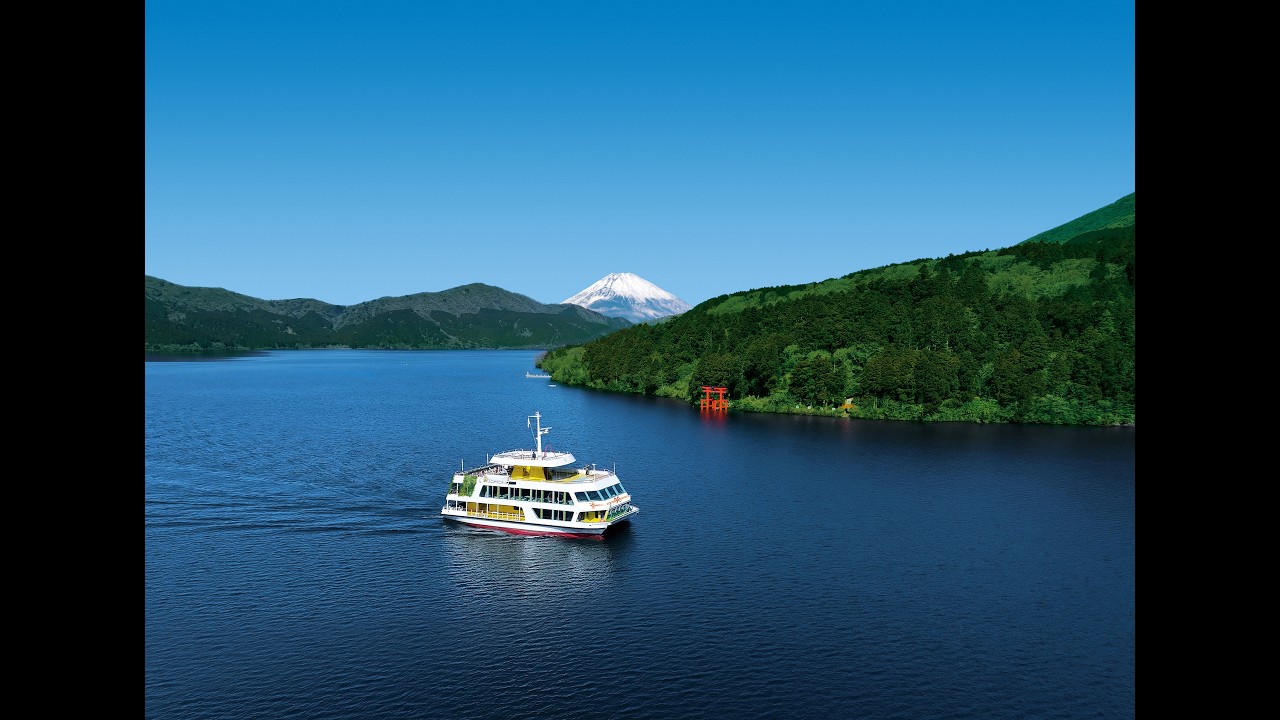
Hakone — Gateway to Mount Fuji and the Kingdom of Hot Springs
Hakone is not just a town but a whole world squeezed between volcanic ridges and the deep waters of Lake Ashi. Located in the Fuji-Hakone-Izu National Park, this resort area of Kanagawa Prefecture attracts travelers from all over Japan and around the globe. Everything here smokes — literally: sulfur emissions from cracks in the earth's crust remind you that a sleeping volcano lies beneath your feet. But it is precisely this geological activity that has created what millions come here for — hot spring onsens, healing waters, and breathtaking landscapes.
If you're planning a trip or simply want to soak up the atmosphere of this place, Hakone webcams online let you see the town in real time — from the mist over Owakudani to the red torii gates reflected in the waters of Ashi. It's a living guide that works around the clock.
Lake Ashi and the Red Torii of Peace
Lake Ashi is the jewel of Hakone, a crater lake formed after a volcanic eruption over 3,000 years ago. Its shores are a postcard you could gaze at endlessly. But the lake's main symbol is the red torii Heiwa no Torii, built in 1952 as "torii of peace" to commemorate the San Francisco Peace Treaty. The gates bear the word "peace" written by Prime Minister Shigeru Yoshida. These gates stand right in the water, and on clear days Mount Fuji is visible through them — one of Japan's most photographed views.
Three tourist ships in pirate style cruise the lake: Royal II, Victory, and Vasa. Royal II models the French ship of the line Royal Louis from the 18th century. This is not just an attraction — from the ship's deck you get a panorama of the entire body of water and surrounding mountains. Hakone webcams often show Lake Ashi from different angles, allowing you to appreciate the scale of the landscape and see how the light on the water changes throughout the day.
Owakudani Volcanic Valley — The Smoking Heart of Hakone
Owakudani is a valley that smells of sulfur and looks like a movie set for a science fiction film. This is an active volcanic zone with sulfur springs, most of which are toxic and unsuitable for bathing. Columns of steam rise from the cracks, and the ground is colored in yellow and ochre hues. There is a cable car station here, from which you can ascend to a height and view the valley from above.
But Owakudani is famous not only for its landscapes. The local specialty is black eggs (kuro-tamago), boiled in the hot springs. According to legend, eating one egg adds 7 years to your life. The eggs acquire their black color and slight sulfuric taste due to the chemical reaction between hydrogen sulfide in the water and iron in the shell. They are sold in baskets of 5 at the foot of the cable car — a must-have souvenir for every tourist.
Hakone Shrine — 1200 Years of History by the Lake
Hakone Shrine was founded in the 8th century and has over 1200 years of history. It is dedicated to the patron deities of the Hakone region and all the local gods of Kanto. According to legend, the priest Mangan tamed the nine-headed dragon living at the bottom of Lake Ashi, and the shrine was moved to the lake's shores. Its current form dates to 1667.
You can approach the shrine through massive red torii gates standing right in the water of the lake. The path to the main hall passes beneath the canopy of cryptomerias — ancient Japanese cedars over 400 years old. This is a place of power, where you feel the connection between nature and the spiritual tradition of Japan. Hakone webcams sometimes show the approaches to the shrine, allowing you to appreciate the scale of the architectural complex and its integration into the landscape.
Hot Springs and Onsen Traditions
Hakone is one of Japan's leading hot spring resorts. Onsens are everywhere here — in day spas, hotel baths, ryokans, and even youth hostels, as well as in free-flowing ashi-yu (foot baths). The water in the springs varies in mineral composition: there are sulfur, salt, bicarbonate, and ferruginous varieties. Temperatures range from 40 to 80 degrees.
The tradition of bathing in onsens in Hakone dates back to the Edo period, when samurai and monks came here to heal wounds and restore their strength. Today there are dozens of hot springs — from luxurious spa complexes to modest street ashi-yu, where you can steam your feet for free while sitting on wooden benches along the stream. It's the perfect way to relax after a long hike along Hakone's trails.
Open-Air Museums — Art Among the Mountains
Hakone surprises not only with its nature but also with its cultural life. Hakone Open-Air Museum — a park with about 120 outdoor art installations. This is the first museum of its kind in Japan, opened in 1969. Works by Rodin, Picasso, Miró, Arming, and other masters are exhibited here — sculptures stand among pines and mosses, creating a dialogue between art and nature.
Also in Hakone is the Pola Museum of Art — a museum built in the forest, famous for its collection of Impressionists and a glass facade that blends with the surrounding landscape. Both museums are included in the discount program of the Hakone Free Pass — a pass that gives unlimited rides on 8 types of transport and free admission to many museums.
Hakone Checkpoint — A Border Post of the Edo Period
The Hakone Checkpoint has been located at its present site since 1619 and served as an important border post for checking travelers on the road between Edo (Tokyo) and Kyoto. It is one of the largest checkpoints on the Tokaido route — the main transport artery of feudal Japan. Here they checked documents, confiscated weapons from daimyo arriving in Edo, and ensured that the wives of feudal lords did not leave the shogunate's capital.
Today the checkpoint has been restored to its historical appearance — with wooden gates, watchtowers, and an exhibition of weapons and armor. Nearby runs a section of the old Tokaido route, paved with stones and surrounded by cryptomerias. Walking along this section is a way to literally follow in the footsteps of samurai and merchants who walked this road centuries ago.
How to Get to Hakone and What to See for Free
From Tokyo to Hakone you can get by the Odakyu Romancecar train from Shinjuku Station to Hakone-Yumoto — the journey takes about 85 minutes. For those planning to move around actively, there is the Hakone Free Pass — a pass that gives unlimited rides on 8 types of transport (including trains, cable cars, pirate ships, and buses) and discounts or free admission to many museums.
Free attractions in Hakone include the torii of peace on Lake Ashi, walks along the old Tokaido route, views of Mount Fuji from the waterfront, ashi-yu foot baths, and a visit to the Hakone Checkpoint. Hakone webcams allow you to assess weather conditions in advance and choose the best day for your trip — after all, Fuji often hides behind clouds, and a clear day here is a real gift.
What the Cameras Show
Hakone webcams cover key points of the town: Lake Ashi with views of the red torii and Mount Fuji, the volcanic Owakudani Valley with its sulfur emissions, cable car lifts, and panoramic platforms. Some cameras are installed in the Hakone-Yumoto area — the main transport hub of the resort, where most routes begin.
Watching Hakone webcams online is an opportunity to see how the light on the lake changes throughout the day, how mist envelops the mountain slopes, and how steam rises from the cracks of Owakudani. It's a live stream from Japan that helps you plan a trip or simply enjoy the beauty of one of the country's most picturesque corners without leaving home.