

🏙️ Aomori Webcams Online — Watch in Real Time
2 cameras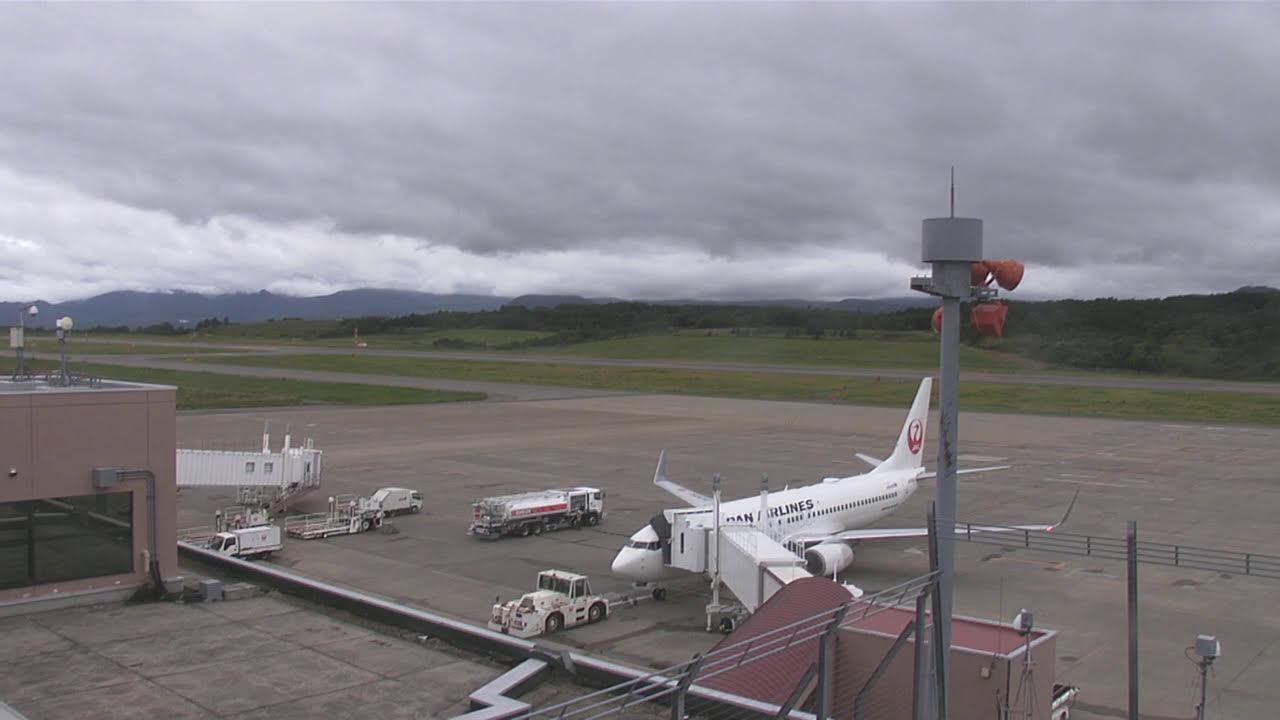

Aomori — Northern Gateway of Japan
The city of Aomori is located at the northern tip of Honshu Island, in the Tohoku region. It is the administrative center of the prefecture, home to about 300 thousand people. The city stands on the shores of Mutsu Bay, which connects the inland Sea of Japan with the Pacific Ocean. Historically, these lands were divided between the Nanbu and Tsugaru clans, and this rivalry lasted until the Meiji Restoration. Today, Aomori is a modern city with developed infrastructure, where ancient traditions coexist with technological solutions.
The climate here is harsh: more than 800 centimeters of snow fall in winter, making Aomori one of the snowiest cities on the planet. Local residents have adapted to these conditions: sidewalks are heated, and houses are built with steep roofs. Summers are cool and humid, ideal for growing apples — the prefecture produces most of Japan's apples.
Nebuta Festival — The Soul of the City
Every year from August 2 to 7, Aomori transforms into a giant stage for the Nebuta Matsuri Festival. This is one of Japan's most spectacular summer events, included in the list of the country's 100 Soundscapes. Giant paper floats — nebuta — up to 5 meters high and 9 meters wide parade through the streets. They depict dragons, warriors, and mythical creatures, illuminated from within by hundreds of lamps.
Next to the railway station is the Nebuta Museum Wa Rasse, where you can see these giant sculptures year-round. The exhibition includes a historical chronology of the festival, craftsmen's tools, and films about the creation of the floats. Bamboo-steel frames, covered with wire mesh and handmade Japanese washi paper — the technology for making nebuta has not changed for centuries.
Architecture and Attractions
The architectural symbol of the city is the pyramidal Aomori Prefecture Tourist Center, known as ASPAM. It opened in 1986 and has since remained one of the most recognizable buildings in northern Honshu. The observation deck on the top floor offers panoramic views of Mutsu Bay and the surrounding area.
In the city center is the Aomori Museum of Art with a collection of contemporary art, including works by Yoshitomo Nara and other Japanese avant-garde artists. Nearby is a historic quarter with traditional wooden houses, where you can feel the atmosphere of old Hirosaki — the western part of the prefecture, which historically competed with eastern Morioka.
Sannai-Maruyama Archaeological Heritage
In the suburbs of Aomori is the Sannai-Maruyama archaeological park — a reconstructed settlement of people from the Jomon period. This is one of the largest archaeological sites in Japan, where remains of dwellings, pottery, and ritual objects over 5,000 years old have been preserved. Visitors can enter the reconstructed houses and see how the ancient inhabitants of these places lived.
The Jomon period is a period in Japanese history from 14,000 to 300 BC, when people engaged in gathering, hunting, and fishing. Finds at Sannai-Maruyama testify to the complex social structure and developed culture of these communities.
Mount Osore — Sacred Peak
On the Natsudomari Peninsula, south of Aomori, rises Mount Osore — one of the three main sacred peaks of Japan. In Buddhist tradition, it is considered the gateway to the afterlife, a place where the living can communicate with the souls of the dead. On the slopes of the mountain is the Sainokojin Temple, where mediums — itako — come to conduct spirit-summoning rituals.
The volcanic landscape of Mount Osore with sulfur fumaroles and acid lakes creates an atmosphere that the ancient Japanese perceived as the threshold between worlds. Today it is a popular place for pilgrimage and ecotourism.
Mutsu Bay and Seafood Cuisine
Mutsu Bay, on whose shores Aomori stands, is famous for its rich catch. Local fishermen catch fish and seafood here, which immediately end up on market shelves and in restaurants. The city is home to the famous Furukawa Fish Market, where you can try the freshest sashimi and sushi made from local ingredients.
Aomori's cuisine is a combination of seafood and agricultural products. Apples grown in the prefecture are used not only in desserts but also in main dishes. The local bakery is famous for apple pies with whole fruits, and souvenir shops sell dozens of varieties of apple sweets.
Transportation Accessibility
Aomori is connected to Tokyo by high-speed rail — the Shinkansen train covers the distance in about 3 hours. Aomori International Airport receives flights from Seoul, Shanghai, and other Asian cities. The city has an extensive network of buses and trams, and bicycle routes along the waterfront are convenient for tourists.
Aomori Railway Station is a modern building from which it is easy to reach the main attractions. Nearby are hotels, restaurants, and shopping centers, making it a convenient starting point for exploring the city.
What the Cameras Show
This page features Aomori webcams online, which allow you to observe the city in real time. You can look at Mutsu Bay, central streets, the railway station, and other locations. The broadcasts are available for free and without registration — just choose the camera you are interested in and enjoy the view of northern Japan.
Aomori webcams show the city at different times of day and in any weather: from snowy winter landscapes to blooming spring. This is a great way to plan a trip or simply transport yourself to the other side of the world for a while. Watch Aomori online — and discover Japan as the locals see it.