

🏙️ Amami webcams online — watch the island in real time
1 cameras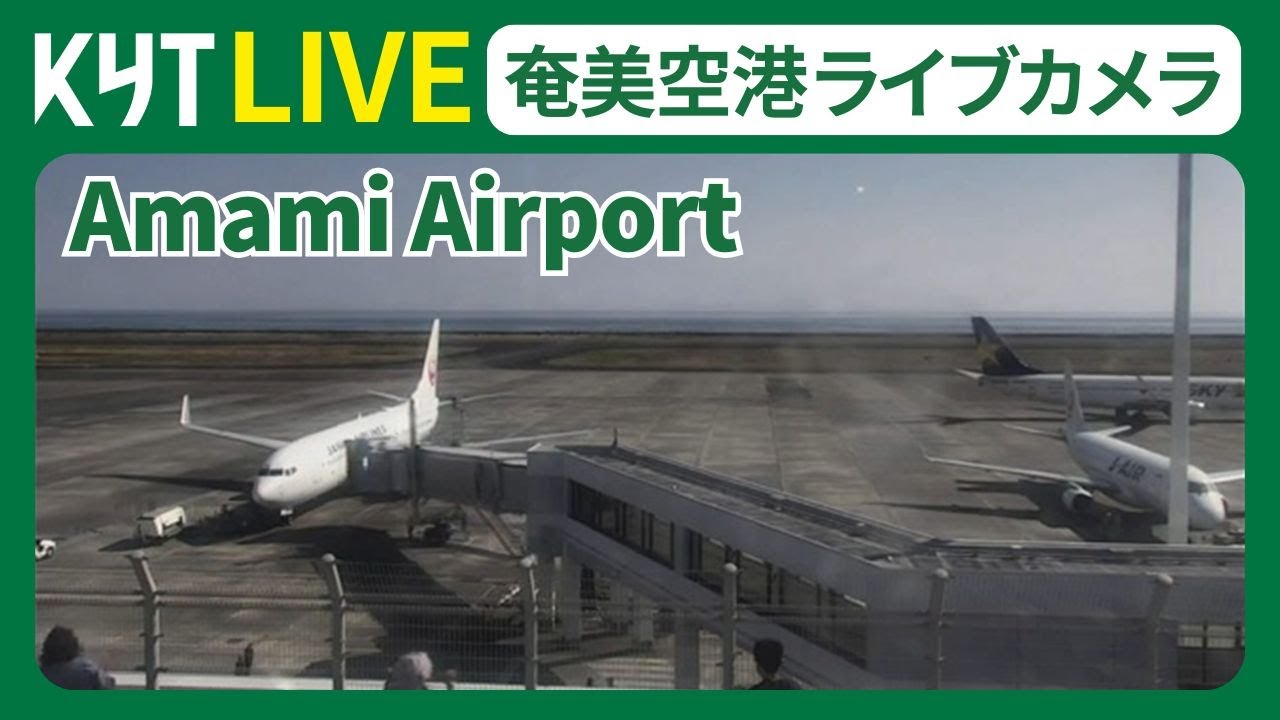
Geographical Location and Climate of Amami Island
Amami Oshima is located in the East China Sea, roughly halfway between Kyushu and Okinawa. This tropical island is part of Kagoshima Prefecture and represents one of the most scenic archipelagos in Japan. The climate here is subtropical — warm and humid, with heavy rainfall during the rainy season and frequent typhoons in late summer. The average annual temperature stays around 20°C, making Amami attractive for tourism virtually year-round.
The island is surrounded by coral reefs that form a unique marine ecosystem. The coastline is indented with bays and lagoons, while the central part rises into mountain ranges covered with evergreen forests. You can admire this beauty not only during a trip — Amami webcams online allow you to see the island at any time of day without leaving home.
Natural Heritage: Endemics and Mangrove Forests
Amami Oshima is often called the "Galapagos of the East" due to its high level of endemism. The island is home to unique species found nowhere else in the world: the Amami rabbit, Amami frog, and Amami turtle. The Amami rabbit (Pentalagus furnessi) is a relict species surviving only on this island and neighboring Tokunoshima. These dark-furred creatures are nocturnal and feed on acorns and plant shoots.
Special attention deserves the mangrove forests, which locals call "Kuroshio-no Mori" — forests of the Black Sea. You can explore the mangroves by kayak or SUP board, and reach the park by car or bus from Amami Airport. A walk among the mangrove tree roots extending into the clear water leaves unforgettable impressions. Birds nest here, crabs and small fish hide, and the air is filled with salty breeze and the aroma of tropical greenery.
Amami Gunto National Park combines the island's natural attractions: mangrove thickets, subtropical forests, and coral reefs. The park is home to rare animal species and endemic plants that can be seen only here. For nature lovers, Amami is a true paradise where every step reveals something new.
Culture and Traditions: Oshima Tsumugi and Shimauta
Amami's cultural heritage is no less impressive than its natural one. The island is famous for its unique textile craft — Oshima Tsumugi. This traditional silk textile is known for its Doro-Jome mud-dyeing technique, which gives the fabric a deep black-brown hue. The process of creating a single piece of fabric can take from several months to a year: the silk is first soaked in fermented mud, then with plant dyes, and finally woven on handlooms. The patterns on Oshima Tsumugi are geometric ornaments passed down from generation to generation.
The island's musical tradition is Shimauta, which translates as "island song." Shimauta is accompanied by the shamisen — a three-stringed instrument called the "soul of music" of Amami. The songs tell of love, the sea, hard labor, and the joys of island life. Shimauta melodies are characterized by a distinctive minor mode and an improvisational performance style. Festivals and concerts are regularly held on the island where you can hear this authentic music performed live.
Local Cuisine and Gastronomic Features
Amami's gastronomy is a separate reason to visit the island. The basis of local cuisine is rice, seafood, and tropical fruits. The main dish you must try is Keihan — rice with chicken breast, egg, and vegetables. This hearty and flavorful dish is served in both traditional restaurants and modern cafes.
The island's location determines the abundance of fish and seafood in the diet. Tuna, mackerel, shellfish, and seaweed — all of this is present on the locals' table daily. Special attention deserves the black sugar produced from sugarcane grown on Amami plantations. It is used in desserts, beverages, and even main dishes, giving them a caramel note.
Tropical fruits — mango, papaya, lychee, pineapples — here they are ripe and juicy, unlike the imported ones in mainland stores. At local markets you can buy fresh fruit right off the counter, and at cafes you can try fruit desserts and smoothies.
Attractions and Tourist Routes
Amami offers diverse routes for travelers. Amami City is the administrative center of the island, from where most excursions begin. The airport connecting the island to the mainland is located here, as well as Nase Port, from where ferries depart to neighboring islands.
Sanekka Beach is one of the most popular recreation spots. White sand, turquoise water, and coral reefs create ideal conditions for snorkeling and diving. During the season, you can see turtles feeding near the shore. For those who prefer land walks, trails are laid through subtropical forests to waterfalls and observation decks with panoramic ocean views.
The Mangrove Park is another must-visit point on the route. A kayak trip among the mangrove tree roots allows you to feel like an explorer of the wild. Guides talk about the mangrove forest ecosystem and its role in protecting the coastline from typhoons.
You can observe island life not only during a trip. Amami webcams in real time show city streets, ports, and coastal areas, allowing you to feel the atmosphere of a tropical island from anywhere in the world.
What the Cameras Show
The page features Amami webcams broadcasting live from various points on the island. Cameras are located in Amami City, Nase Port, the airport, and on popular beaches. You can watch Amami online in HD quality — the image is transmitted in real time without delays.
Street cameras show the city's central streets, traffic, and pedestrians. Port cameras allow you to watch the arrival of ferries and fishing vessels. Beach cameras broadcast the coastline — you can see waves, palm trees, and vacationers. All cameras are available for free and without registration.
To navigate the cameras, use the catalog on the page. Select the location that interests you — the city center, Amami Airport, or Sanekka Beach — and enjoy the live broadcast. Amami webcams online are an opportunity to touch the life of a tropical island at any time of day.