

🏳️ Philippines webcams online — watch the archipelago in real time
23 cameras








Archipelago of a thousand islands: geography and scale
The Philippines represent an incredible conglomerate of land and water. The Philippines consist of 7,641 islands at high tide and 7,107 at low tide. This archipelago ranks second in the world in size, second only to Indonesia. Most Philippine islands are unnamed and uninhabited, making them a true paradise for explorers. Located in the South China Sea, Philippine Sea, Sulu Sea, Celebes Sea, and Luzon Strait, these lands attract travelers with their pristine nature. Access to the most remote corners of the country is opened via online broadcasts.
Historical milestones: from Magellan to independence
The country's history is full of dramatic events. Ferdinand Magellan arrived in the Philippines in 1521 and was killed on the island of Mactan in a battle with local chieftain Lapu-Lapu. From that moment began the era of Spanish colonization, which officially started in 1565 under the leadership of Miguel Lopez de Legazpi. The country is named after the Spanish King Philip II. For a long time, the lands were under foreign rule until they gained freedom. The Philippines was the first country in Southeast Asia to gain independence after World War II in 1945, and finally became independent from the USA on July 4, 1946. An interesting detail: during war, the Philippine flag is turned upside down so that the red stripe is on top.
Linguistic diversity and cultural traditions
Almost 200 languages are spoken on the Philippine islands, making local society incredibly diverse. Despite this, almost all Filipinos speak excellent English, making them one of the largest English-speaking nations in the world. Politeness here is an art form: foreigners are addressed as "sir" and "ma'am" regardless of age, and young people call older ones "ate" and "kuya". The first people settled in the Philippines tens of thousands of years ago and belonged to the Negritos - they are characterized by dark skin and short stature, presumably they came from Africa. You can watch this motley stream of life through a computer screen.
Natural wonders and records
The local fauna can surprise even experienced naturalists. The largest crocodile in the world was caught right here in the Philippines - its length was 6.17 meters, and its weight was over 1000 kg. On the archipelago, you can have breakfast in a 21st-century metropolis, have lunch in a village living by the precepts of the 16th century, and have dinner on a deserted beach. Low prices for housing and food make these lands attractive for budget travelers who want to see the exotic of Asia.
Climate and seasons: when to watch the archipelago
The tropical climate dictates its own rules. The Philippines has a distinct rainy season and dry season, as well as a period of typhoons. Philippines online broadcast allows you to assess weather conditions in real time, see the scale of storms or enjoy a sunny day on the coast. Online broadcasts show how the landscape changes depending on the weather.
What the country's cameras show
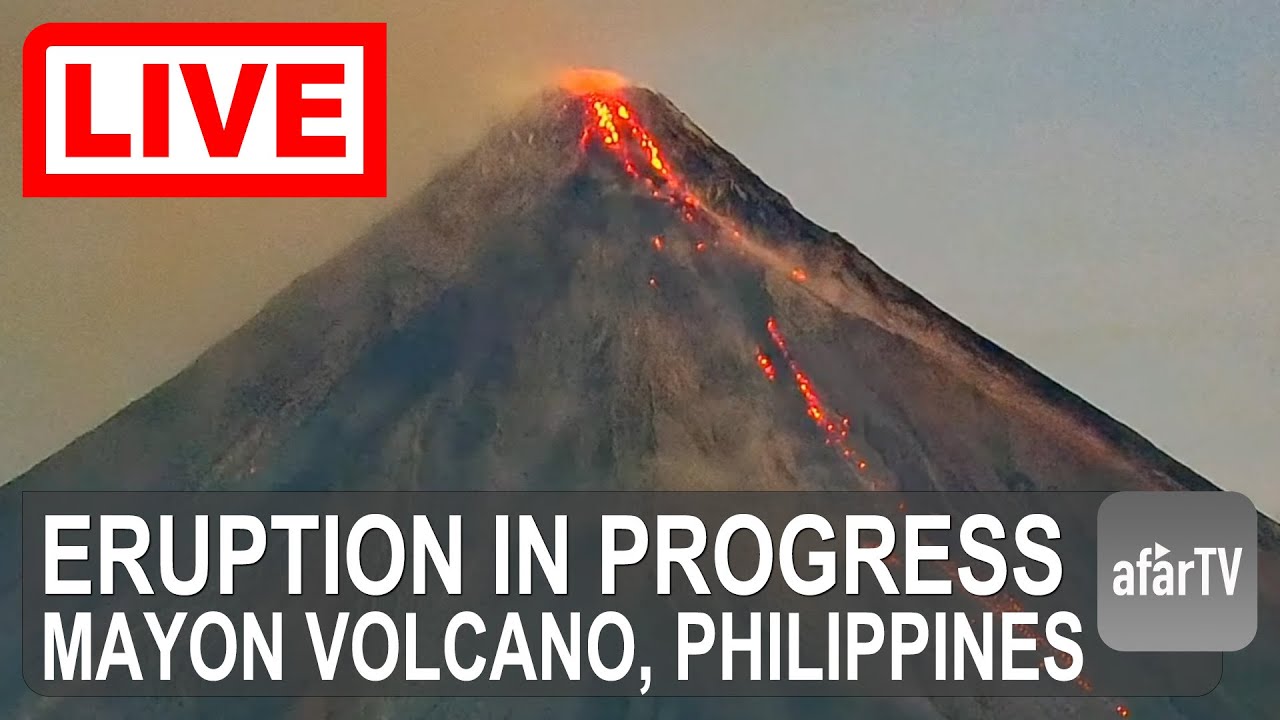
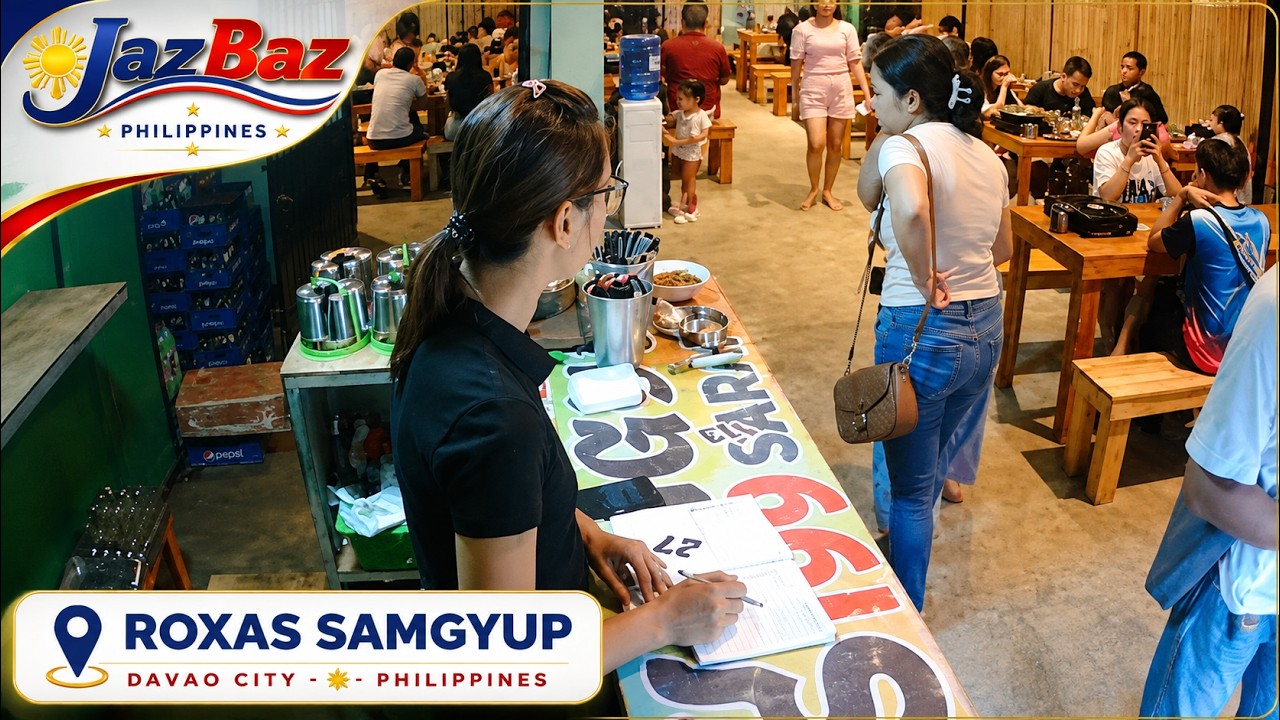
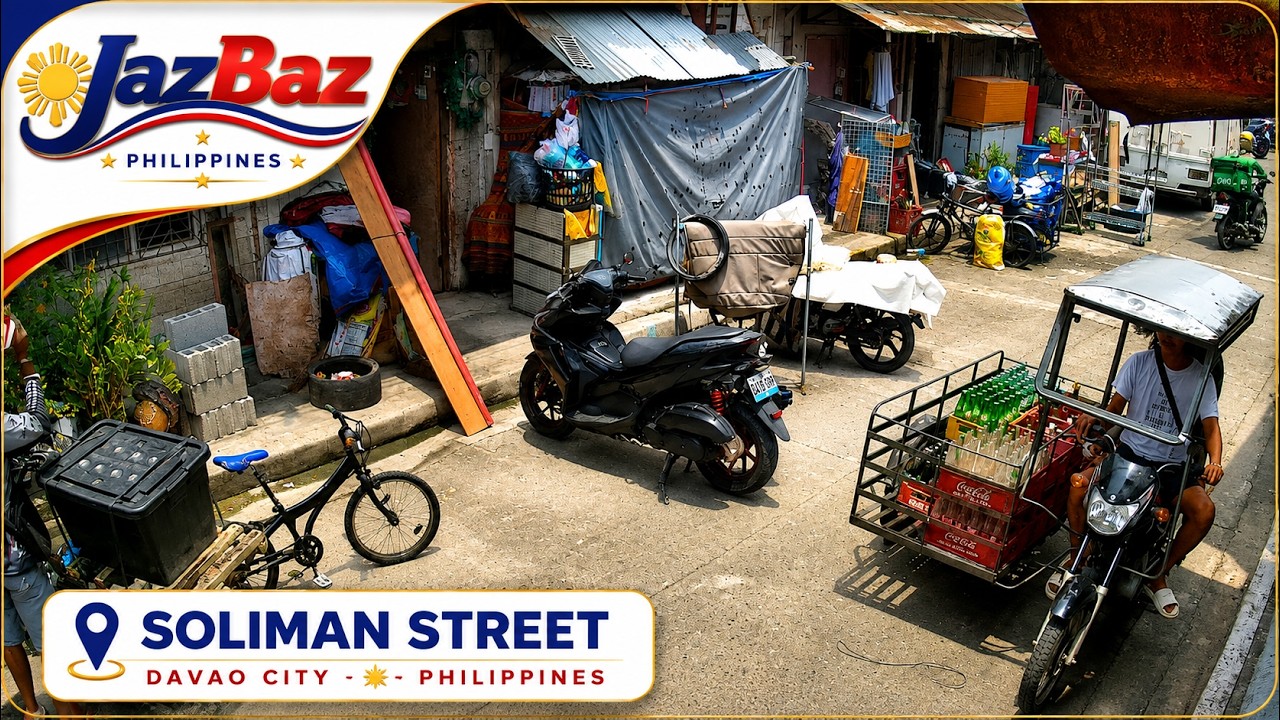
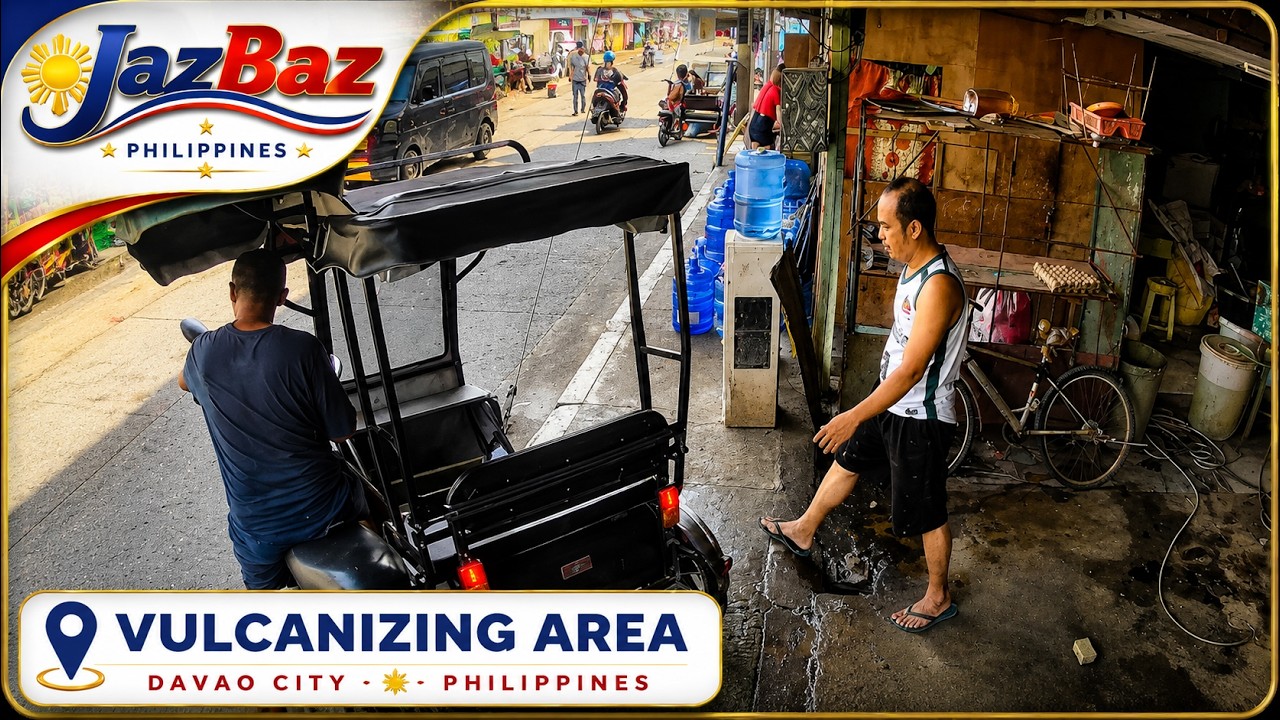
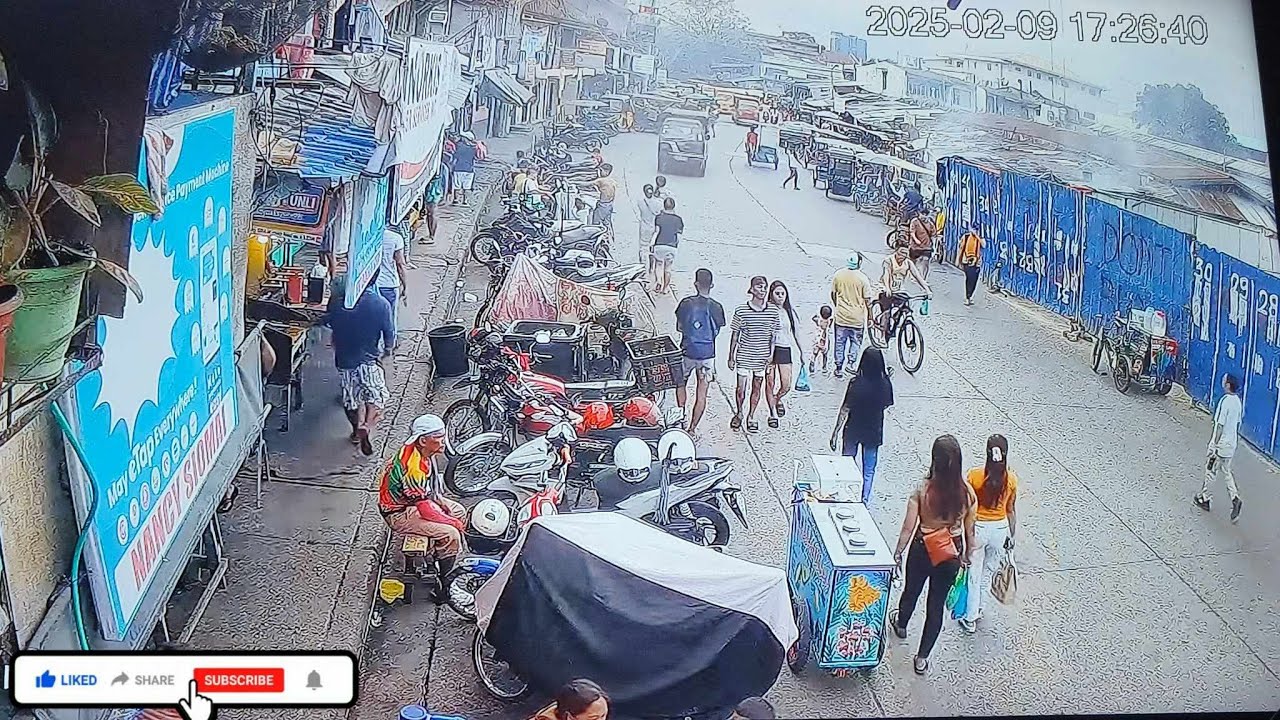
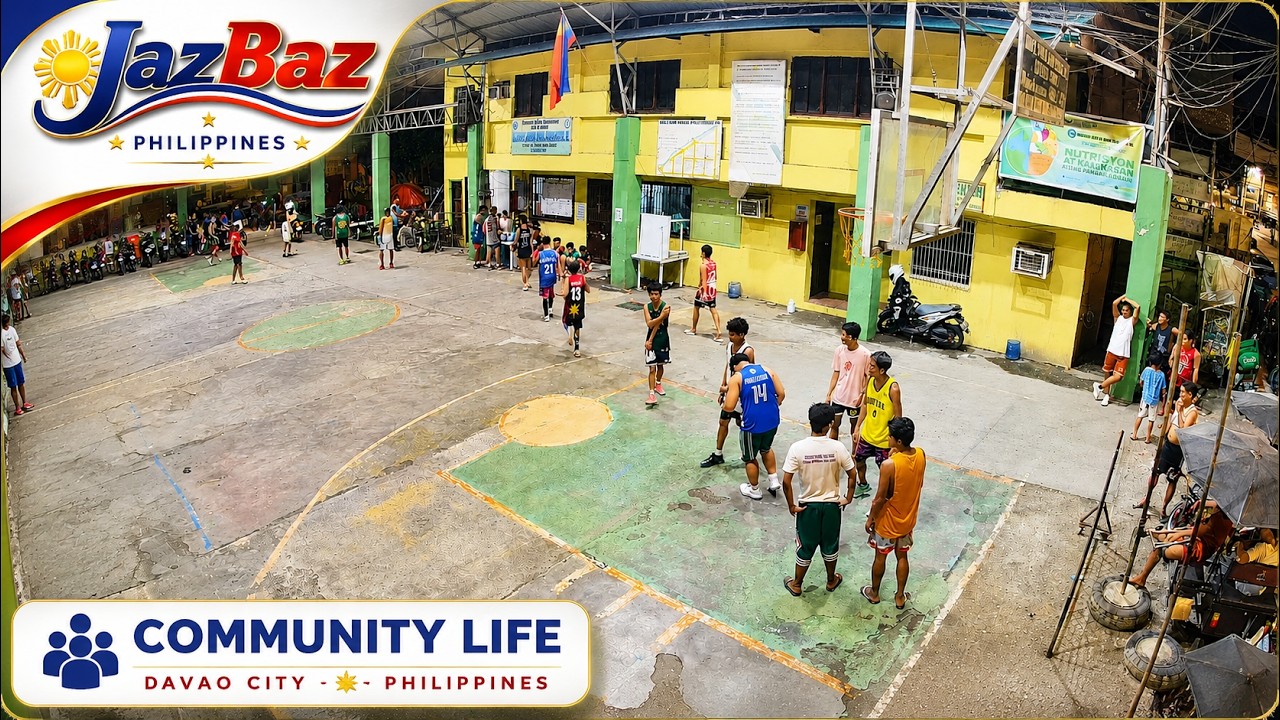
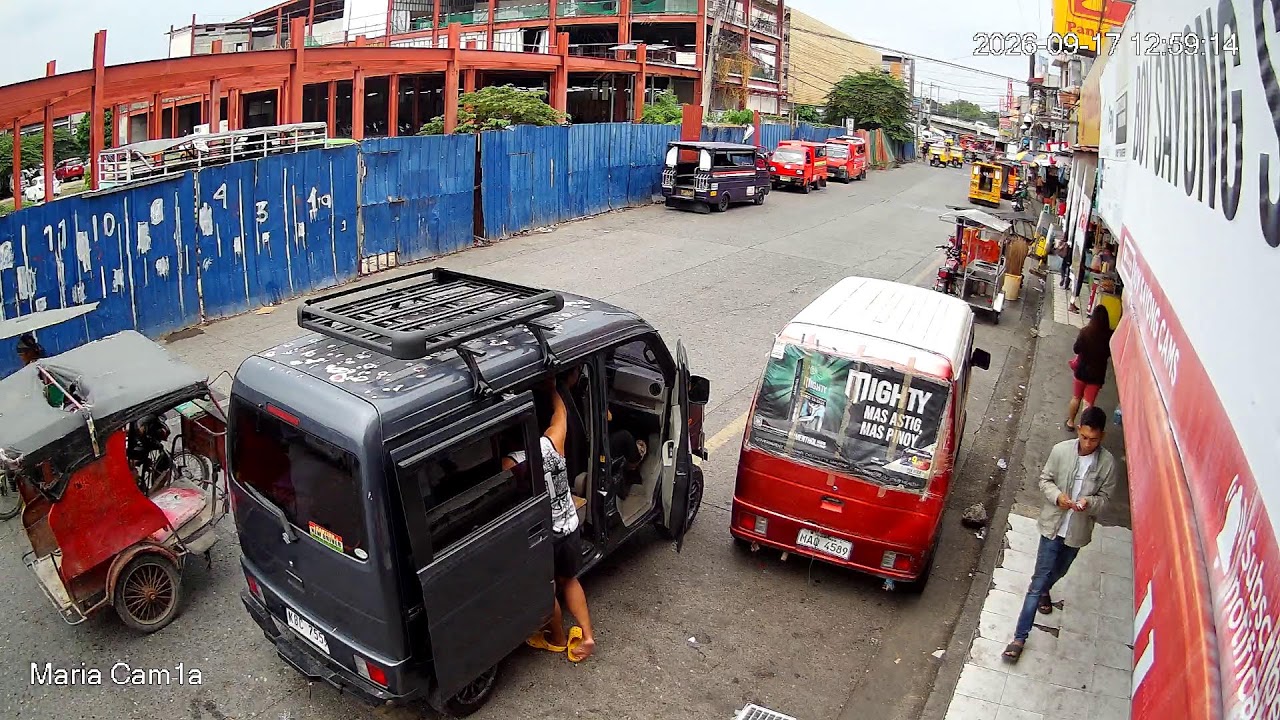
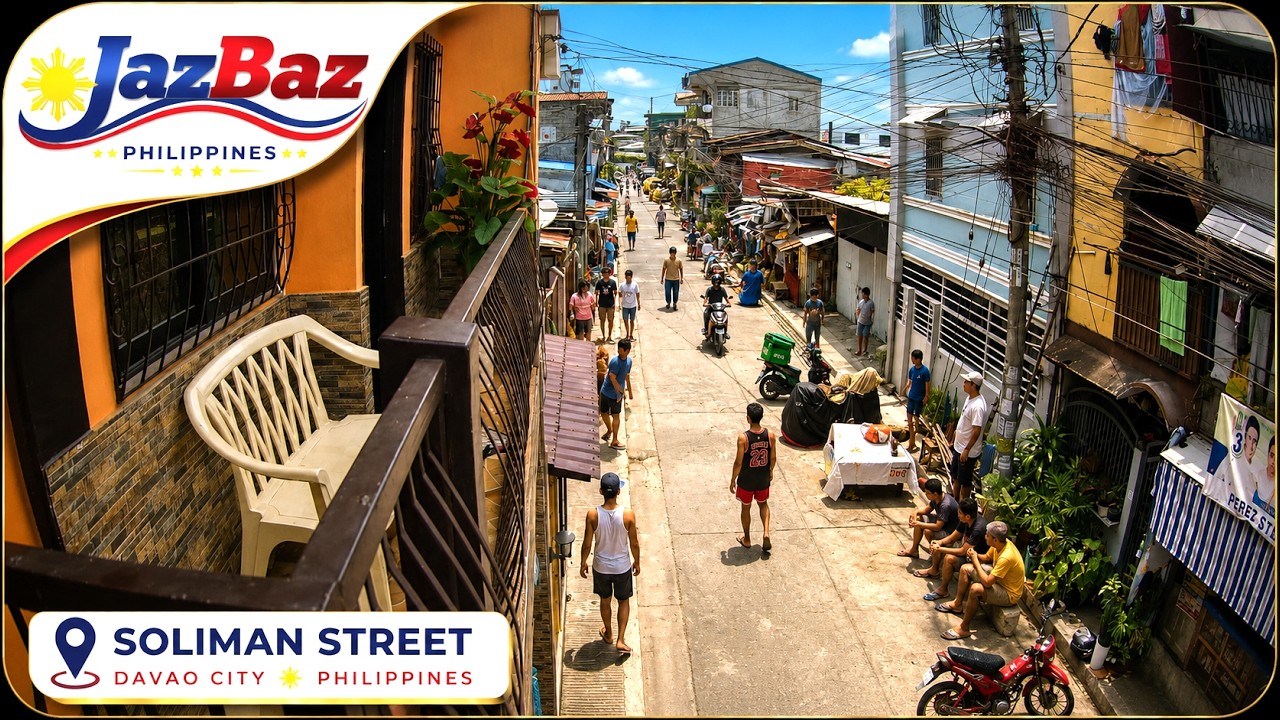
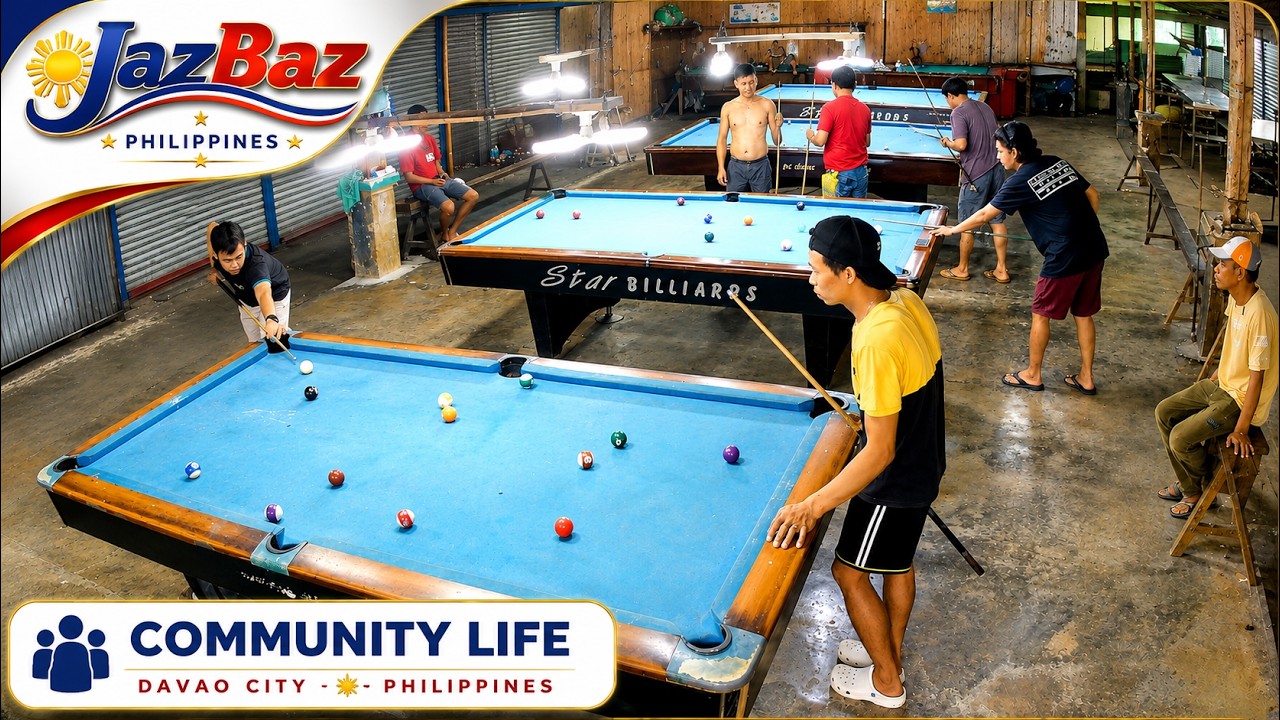
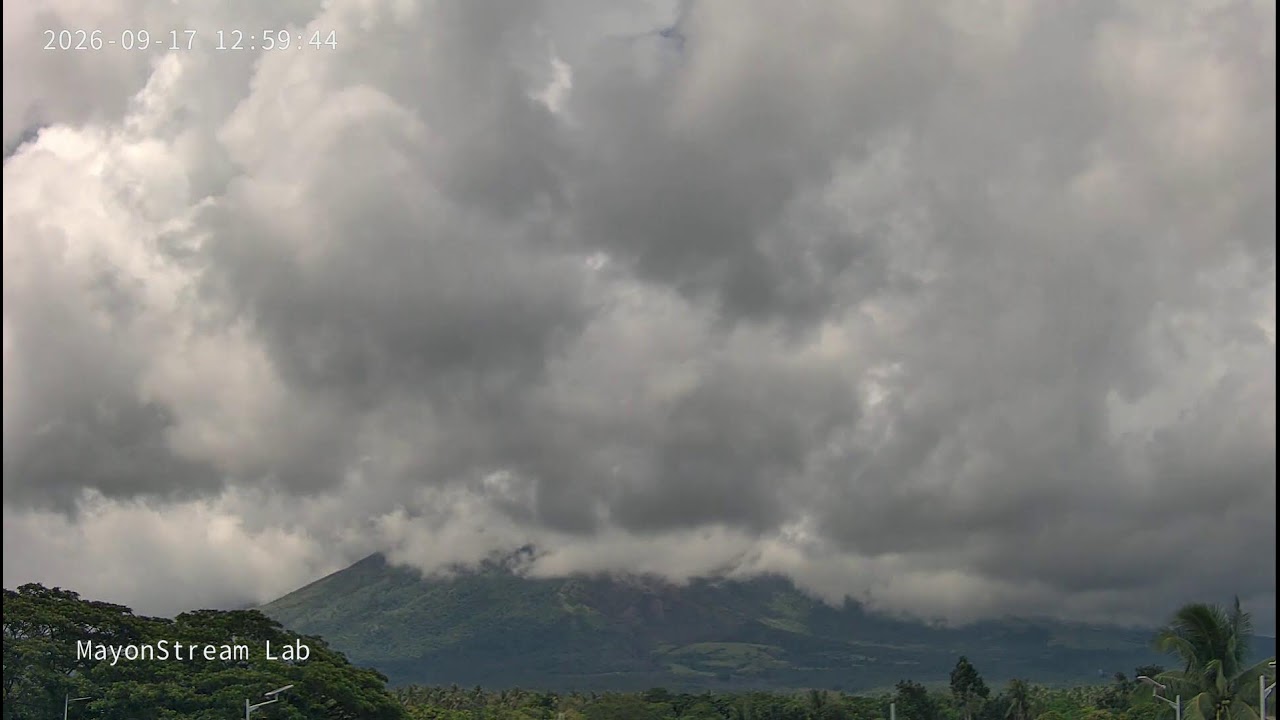
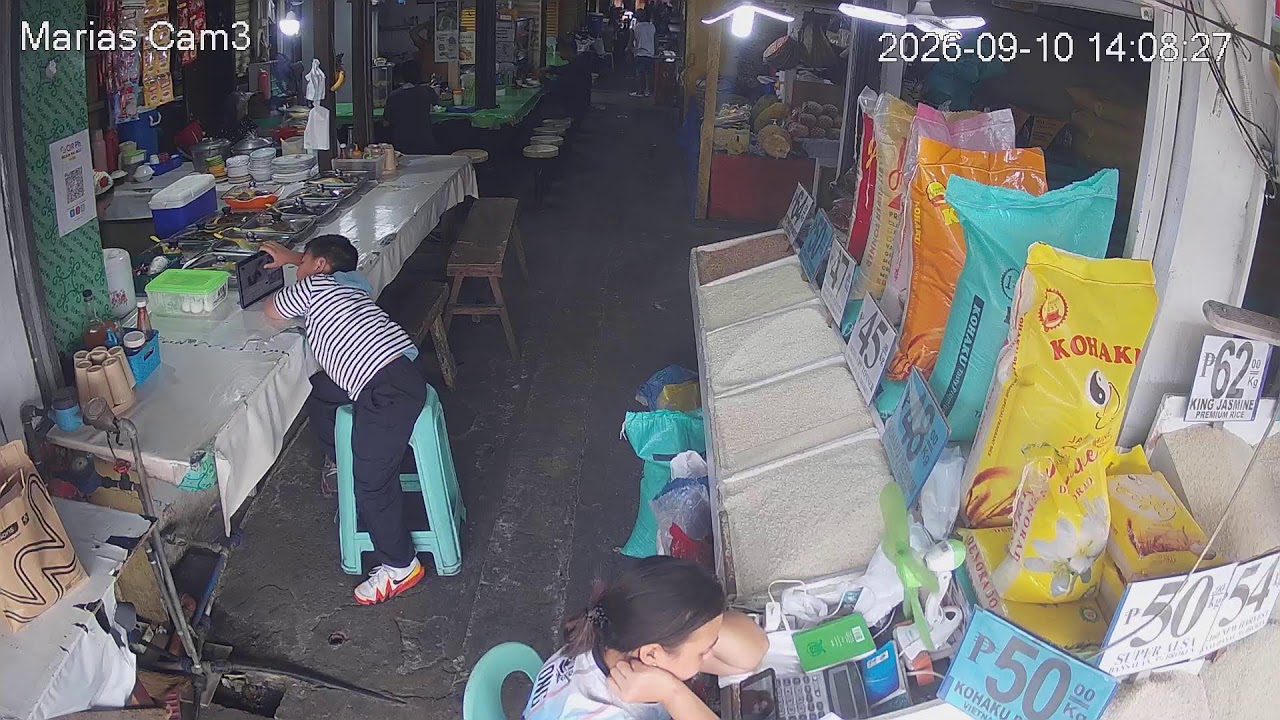
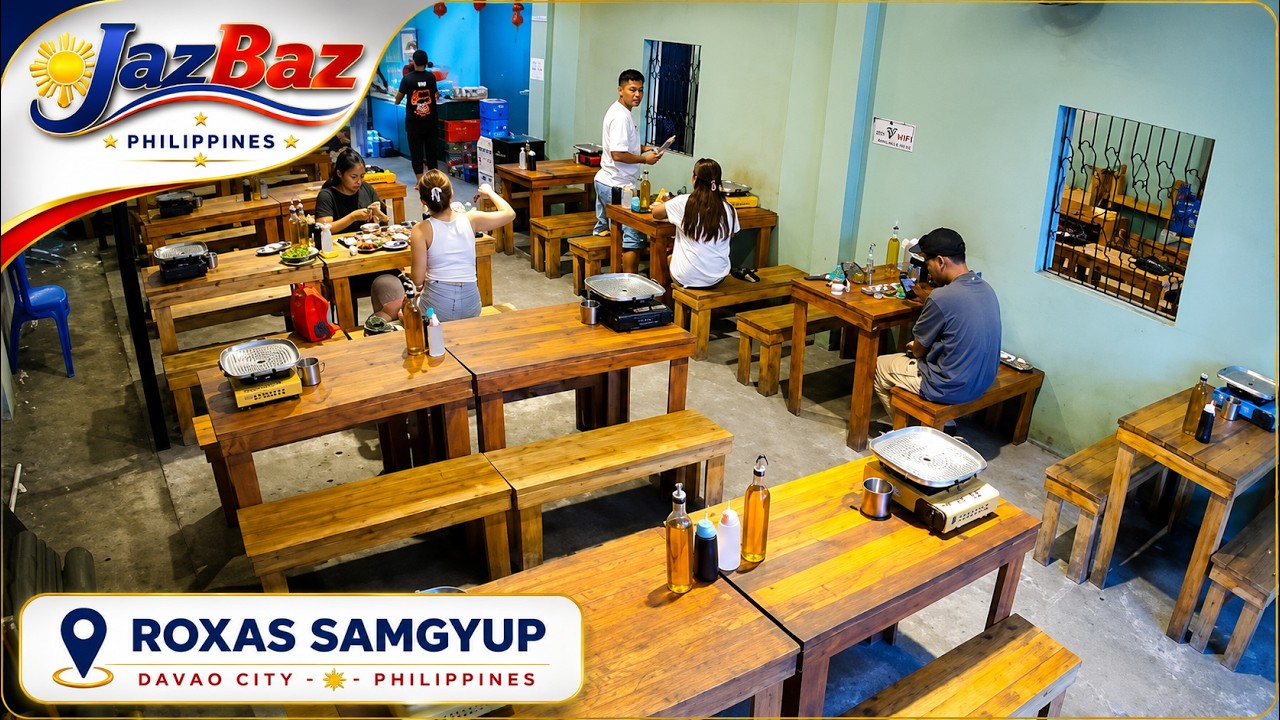
This section collects Philippines webcams online, covering key locations of the archipelago. Here you will find broadcasts from the beaches of Boracay and Cebu, views of the Taal Volcano, Banaue Rice Terraces, and the streets of Manila. A Philippines webcam watch online can be done at any moment - choose an interesting city or landmark and enjoy the live broadcast of this amazing Asian state.