

🏙️ Flic-en-Flac web cameras online — watch in real time
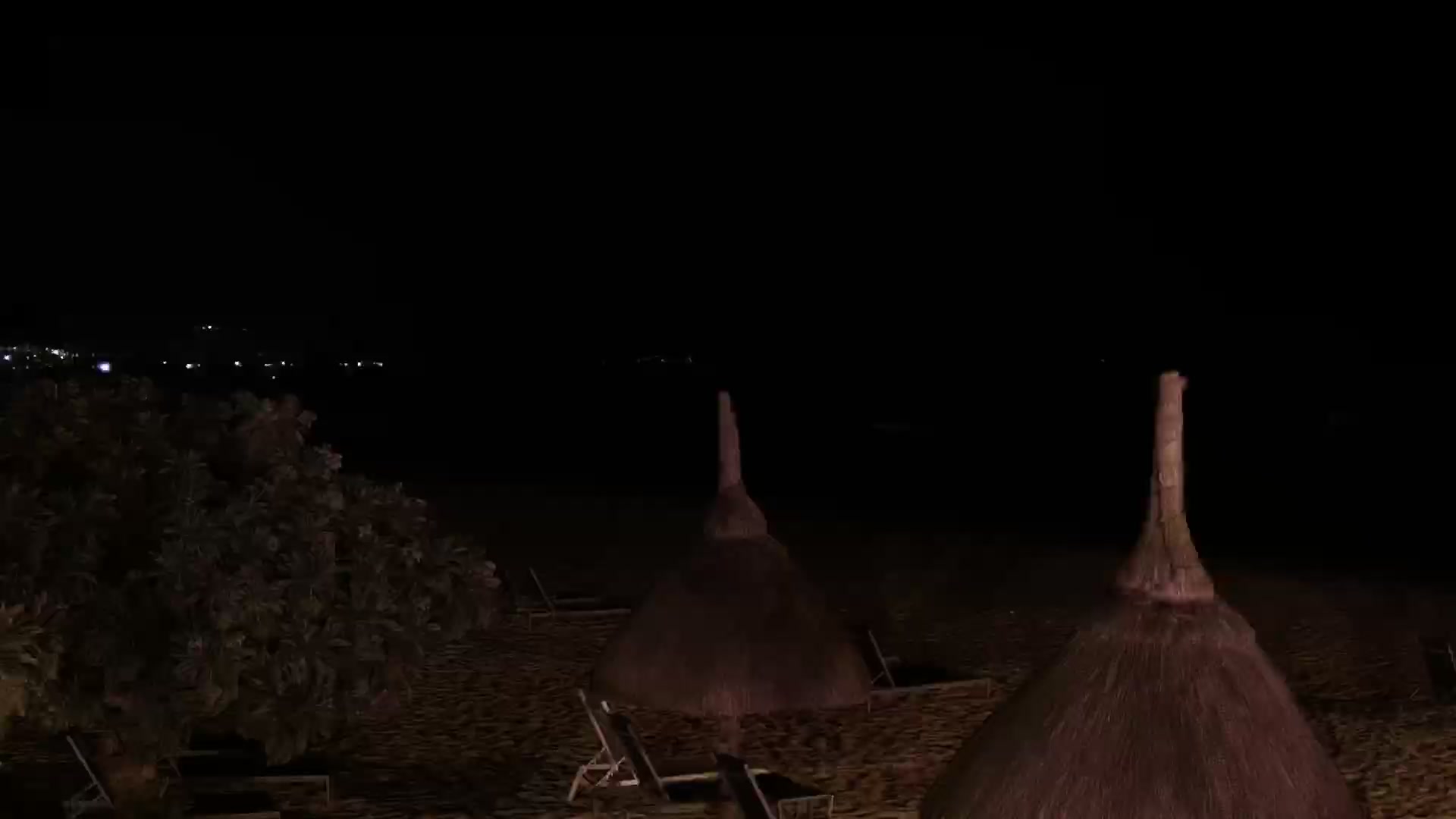
2 cameras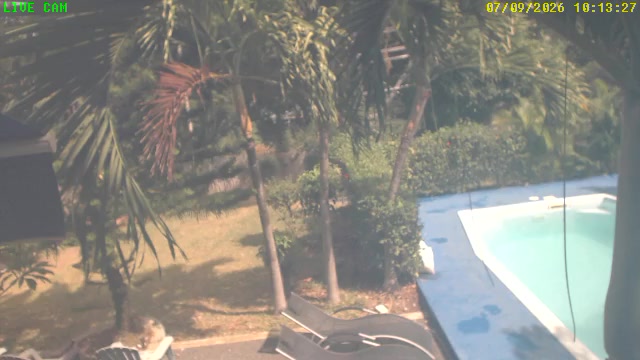
Flic-en-Flac on the map of Mauritius: history and atmosphere of a resort town
Located on the west coast of Mauritius, Flic-en-Flac is a place where the cradle of evening sunsets meets the foamy crests of waves. It is a resort whose history dates back to the era of the first Dutch settlements on the island, and today it attracts thousands of travelers from around the world. The remarkable combination of untouched nature and modern resort infrastructure makes the town special. Sit back in a comfortable chair, open your browser and embark on a virtual journey through Flic-en-Flac — the web camera online is ready to show the town in detail and from different angles. The broadcast runs around the clock, allowing you to observe the rhythm of coastal life and weather conditions from your device screen.
The atmosphere of the town changes with the tides. Local residents bring their share of rhythm to the villages — for many, Flic-en-Flac remains a home to this day. It was once a quiet fishing village that has turned into one of the most popular tourist destinations in Mauritius. In the 1960s, residents of surrounding settlements came here only for the cemetery, and only decades later did resort development transform the region. Today Flic-en-Flac is not only hotels and restaurants, but also a living community that preserves traditions in the context of modernity.
Etymology: where the town name came from
The name of this resort settlement holds an interesting origin story. Interestingly, Flic-en-Flac is not a local phrase, but a legacy of Dutch settlers who first landed on Mauritius in the 17th century. The Old Dutch expression "Fried Landt Flaak" translates as "free and flat land," reflecting the natural features of this coastal area. "Flat land" referred to a coastal plain suitable for agriculture and settlements, while "free" indicates the accessibility of the territory without restrictions. Although the official version of the name's origin traces back to the Dutch language, the local population has adapted it, making it part of the town's identity.
History of Flic-en-Flac: from village to resort
The history of Flic-en-Flac is inextricably linked to life on the island. Archaeological data and historical evidence indicate that the first settlements in this region appeared as early as the 17th century, when Dutch ships attempted to develop new territories off the east coast of Africa. Later, French colonists joined the life of the town, followed by British authorities. For centuries, Flic-en-Flac remained a quiet coastal settlement whose economic development depended on seafaring and fishing.
A unique historical imprint of the era can be seen in the old cemetery, which in the 1960s became a place of pilgrimage for residents of surrounding villages. At that time, it was the only necropolis in the district, where families came to perform ritual ceremonies. The situation began to change with the onset of the tourist boom that swept the west coast of Mauritius in the mid-20th century. Hotel construction, infrastructure development and an influx of tourists transformed Flic-en-Flac from a forgotten village into a world-class resort. Today, the historic center of the town combines cozy streets, old buildings and modern hotel complexes, creating an atmosphere where the past comes alive in every sign.
Flic-en-Flac Beach: the town's main natural symbol
It is impossible to talk about Flic-en-Flac without mentioning its main natural attraction — the beach. Flic-en-Flac Beach is known as one of the longest in Mauritius, its soft sand stretching for more than 5 kilometers, capturing the hotel zone, the lagoon and parts of the island on the opposite side. The endless horizon to the west, where the sky meets the sea, turns beach walks into a special aesthetic pleasure. Sunlight reflects off the smooth water surface, creating a picturesque picture that captivates even those accustomed to the urban hustle and bustle.
The water near the shore is always calm thanks to natural protection from strong waves and currents. Coral reefs line up in a solid line along a significant part of the beach, creating a safe zone for swimming both underwater and above water. These reefs are not only a natural barrier against strong gusts of wind and waves, but also a unique ecosystem rich in marine life. Snorkeling in these waters gives a sense of magic: the transparent water provides access to underwater landscapes teeming with various species of fish and coral reefs. From the raised shore, one can observe the life of the lagoon and water surface, and from the water — how the town landscape stretches across the horizon.
Living nature and reefs of Flic-en-Flac
The coral reefs surrounding Flic-en-Flac represent some of the most picturesque waters in the Indian Ocean. Their structure creates ideal conditions for the life of many marine inhabitants: from small tropical fish to large predators found in open waters. This makes the region a popular place for diving and snorkeling — the transparent water and vibrant underwater world turn every dive into a journey through colors and shapes.
Above the water, the nature of Flic-en-Flac is no less impressive than the underwater world. Casuarina trees planted along the beach form a strip of shade that protects vacationers from the scorching sun and creates a cozy atmosphere. Their vertical structure and openwork foliage harmoniously fit into the landscape, complementing the natural scenery. Against the backdrop of the azure sky and blue water, corals, mangrove forests and coastal vegetation create a multi-layered picture that looks unique from every angle. Nature observation can begin right from the shore, where parrots, hummingbirds and local birds easily approach people without fearing human presence.
Casela Nature Parks: closeness to wild nature
A little inland, at the foot of the Rempart mountain, lies Casela Park — a popular natural attraction located near Flic-en-Flac. This park was founded in 1979 with the aim of preserving lands with unique vegetation and creating a platform for environmental education of visitors. The territory covers about 250 hectares, and the diversity of landscapes — from forests and savannas to waterfalls and mountain slopes — is impressive. Casela today is not just a walking area, but a center for biodiversity conservation, where rare species of plants and animals find shelter in the conditions of civilization.
The wildlife of the park is impressive in its diversity. About 1,500 birds live here, making Casela a true ornithological attraction. Parrots, flamingos, peacocks and exotic birds create bright accents in the landscape, often allowing visitors to approach them in safe conditions. The mammal collection is no less impressive: lions, cheetahs, zebras, giant tortoises, monkeys and even tigers live in the park. Unique excursions such as safari tours, lion walks, zipline and ATV rides allow guests to immerse themselves in the atmosphere of the African savanna without leaving the island. Casela is regularly recognized as the most visited attraction in Mauritius, attracting families and outdoor enthusiasts.
Nature in motion: opportunities for active recreation
The landscape around Flic-en-Flac is rich in tropical forests, hilly plains and coastal plains, creating opportunities for a variety of active recreation. Walks along the trail along the west coast offer panoramic views of the lagoon and hotel zone, allowing you to feel the difference between the town and the wild coast. Casela Park offers nature activities: cycling and ATV excursions, walks along forest trails and swimming in natural springs. For those who value speed, there is a zipline that runs among rocks and trees, allowing you to feel the thrill of falling through the foliage from a height.
The living life of the town: the rhythm of coastal streets
The coast of Flic-en-Flac is not only the beach and reefs, but also a vibrant urban life. The hotel zone and adjacent areas offer many places where you can try local cuisine, walk through souvenir shops or simply have a picnic on the grass. The town's architecture reflects modern standards while preserving some elements of history. Restaurants with terraces overlooking the lagoon create an atmosphere of evening relaxation, where fresh seafood coexists with national dishes.
Life on the coast flows at its own pace. Sunlight, a gentle breeze and the sounds of waves create a backdrop for dates, family celebrations and solitary walks. The town streets that can be observed through Flic-en-Flac web cameras reflect the everyday life, way of life and atmosphere of local residents. This is a great opportunity to compare the virtual experience with the real one when you decide to visit the island in the future.
What the cameras show
You are now on the catalog page with web cameras of the town of Flic-en-Flac. The list includes overviews of key coastal points — the beach area, lagoon, hotel area and natural objects, including the surroundings of Casela Park. The cameras offer various angles: panoramic views of the sea, sunset over the horizon, walking areas and proximity to living nature. All broadcasts are available in real time and allow you to monitor the weather, waves, beach activity and the atmosphere of the town from anywhere in the world. For those who have already visited Flic-en-Flac, the catalog becomes a way to return to familiar places, and for those planning a trip — an assistant in choosing the time to visit and exploring locations. Choose the camera that interests you the most and enjoy observing the life of this unique resort via the internet.