

🏙️ Webcams Nguruman online — panoramas of the Great Rift Valley
1 cameras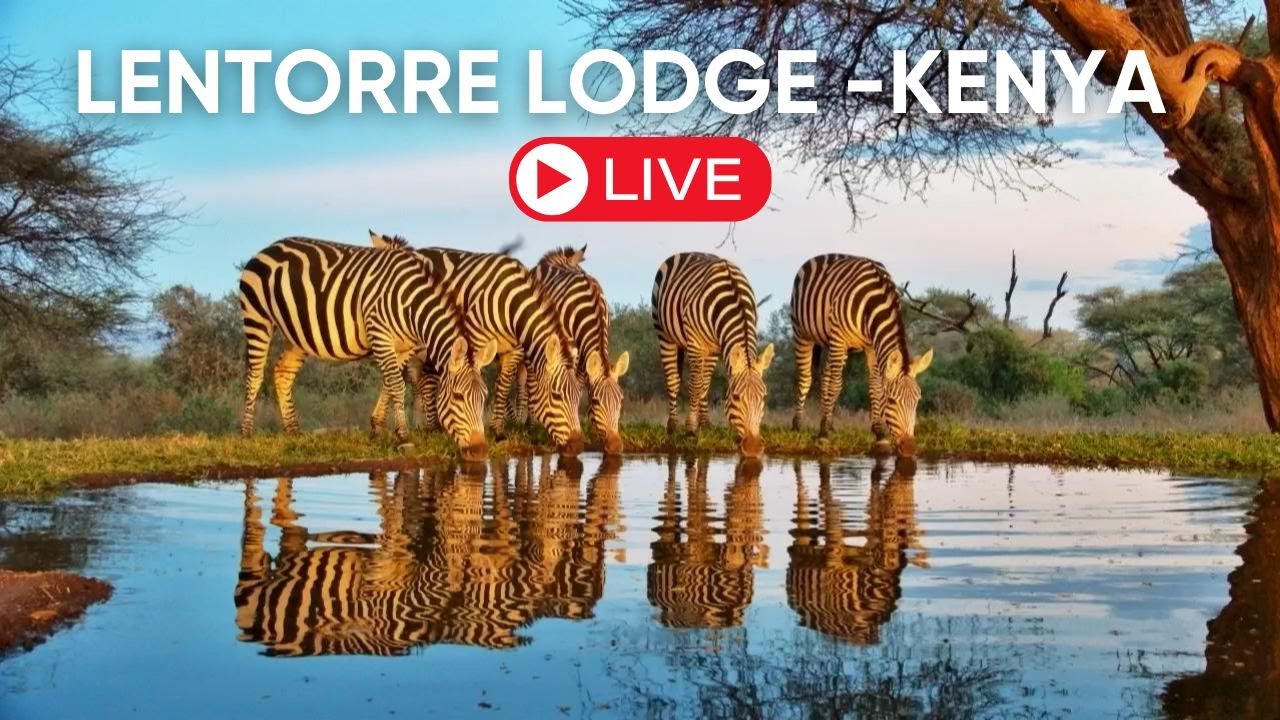
Nguruman Escarpment — western wall of the Great Rift Valley
The Nguruman Escarpment forms the western edge of the Great Rift Valley in Kenya, rising to about 2400 meters above sea level at its highest point. This massive rock formation stretches approximately 50 kilometers from the vicinity of Loisuk to the shores of soda Lake Magodi. The slopes of the escarpment are covered with dry acacia forests and euphorbia shrubs, creating a contrast with the sun-scorched plains below. The traditional name of these places in the Maasai language is Ol Esaiata, reflecting the deep connection of the indigenous population with the landscape.
Tectonic processes that shaped the Great Rift Valley over millions of years created here one of the most impressive examples of rift topography in East Africa. From the escarpment's peak points, panoramic views of the valley floor open up, where gray plains alternate with green river floodplains. It is these views that attract travelers, and Nguruman webcams allow you to see this geological might remotely.
Ewaso Ng'iro River — lifeline of arid land
The main water artery of the region is the Ewaso Ng'iro River, which originates in the Aberdare Mountains to the north and flows south, cutting through the Nguruman Escarpment. It is one of the few Kenyan rivers that does not flow into the ocean: its waters are lost in the Lorian Swamps in the eastern part of the country. Along the riverbed at the bottom of the rift valley stretches a green corridor where fig trees and palms grow.
For Maasai pastoralists, Ewaso Ng'iro is the only reliable water source in the dry season. Herds of cattle, goats, and sheep gather at the riverbanks for watering, creating a characteristic picture of an African pastoral landscape. Nile crocodiles and hippos inhabit the river, and coastal vegetation serves as a refuge for elephants and buffalo. Webcams in the river area show this concentration of life around the water source.
Wildlife at the foot of the escarpment
The Nguruman region is part of the vast Maasai Mara ecosystem and serves as an important migration corridor for wildlife. Elephants, giraffes, zebras, and buffalo are found on the plains at the foot of the escarpment. Predators — lions, leopards, cheetahs, and hyenas — follow herbivores along seasonal routes. Dry forests on the upper slopes of the escarpment provide shelter for small antelopes and primates.
Ornithologists and casual observers alike value Nguruman for its bird diversity. Besides flamingos at Lake Magodi, Maasai eagles, vultures, secretary birds, and many species of weavers can be found here. Nguruman online webcams provide an opportunity to observe the feathered inhabitants without disturbing their natural habitat.
Maasai culture — guardians of these lands
Nguruman is the traditional territory of the Maasai people, semi-nomadic pastoralists whose identity is inseparably linked with cattle. Traditional settlements — enkang — consist of round huts built from branches and plastered with dung, surrounded by thorny fences for protection from predators. Warriors-morans undergo the eunoto ritual, marking the transition to the next age grade.
The colonial episode left a painful mark: in the 1900s, the British authorities used the escarpment as a natural barrier to control Maasai movements, and some lands were given to white settlers. After Kenya gained independence in 1963 the lands came under the management of local communities. Today, the Maasai actively participate in ecotourism, working as guides on hiking routes and conducting cultural excursions for travelers.
Lake Magodi — soda wonder at the foot
At the eastern foot of the Nguruman Escarpment lies soda Lake Magodi, whose surface is covered with a crust of tripoli — a mineral salt. The alkaline waters attract flamingos, which filter the water in search of algae and crustaceans. Pink flocks of birds against the backdrop of the snow-white lake surface and dark escarpment slopes create one of the most photogenic landscapes in the region.
The lake's bottom is sodium-alkaline, and mammals avoid drinking from it, but for birds it serves as an important feeding base. In the dry season, when other water bodies dry up, Magodi becomes a place for bird concentration. Nguruman webcams allow you to observe this phenomenon in real time, tracking the arrivals and departures of flamingos.
Trekking and ecotourism on the escarpment
The Nguruman Escarpment is one of the recognized hiking destinations in Kenya. Multi-day routes lasting from two to four days run along the top edge of the escarpment and descend to the Ewaso Ng'iro River. Guides from the local Maasai lead groups through patches of dry forest, past waterfalls, and through villages where one can get acquainted with the traditional way of life.
The route from Shaba settlement — the gateway to the escarpment — to Lake Magodi is considered classic. The path passes through diverse landscapes: from wooded slopes to open plains where herds of zebras and gazelles graze. Overnight stays are organized in campsites under the open sky, adding an adventurous character to the journey. Webcams in the Shaba area help travelers assess current trail conditions before starting the hike.
Which cameras show the city
Nguruman webcams cover key points of the region: panoramic views from the top of the escarpment over the Great Rift Valley, views of the Ewaso Ng'iro River with its green corridor, approaches to Lake Magodi, and the surroundings of Shaba settlement. Real-time broadcasts allow you to observe animal migration, changing light on the escarpment slopes throughout the day, and seasonal fluctuations in the river's water level. Select a camera from the navigation panel to start watching Nguruman right now.