Avtoradio Studio in Moscow — Webcam Online
History of Avtoradio: Three Decades on Air
Avtoradio is one of Russia's oldest independent radio stations, which first went on air in April 1993 in Moscow. The idea of creating the first motorist radio station belonged to a group of enthusiasts — I. Goransky, V. Kladnitsky, N. Chuklinov, and A. Yushkin, who in 1991 conceived a station format that had never existed on the domestic radio market before. The first broadcast was hosted by Diana Berlin, and by May 1993 the radio station had mastered the VHF band at 68 MHz.
Over thirty years of operation, Avtoradio has undergone several major format transformations. In 2000, the station launched its first morning show "Hit the Gas!", and later the iconic "80s Disco," which became not just a program but a full-scale music festival. The radio station pioneered car broadcasting in the country and maintained audience loyalty through a unique combination of music, humor, and useful information for drivers.
Studio in the NTV Technopark: A Leap into the Future
For a long time, Avtoradio's studio was located in the "Danilovskaya Manufaktura" business center — a reconstructed 1867 weaving mill where offices were designed in loft style with preserved historical elements of the building. However, in April 2026, the radio station moved to a completely new space — the NTV Technopark near the Ostankino TV Tower in Moscow.
The new building is described as futuristic not only on the outside but also inside. The studio is designed as a multi-format space combining a radio studio, a concert venue, and a zone for creating digital content. The acoustics here are brought to the level of a concert hall, and the equipment provides maximum immersion for guests. According to the creators' vision, this is a magnet for trendsetters and celebrities, where technology amplifies emotions and the distance between hosts and the audience is minimized.
How the Studio Works: Equipment and Design
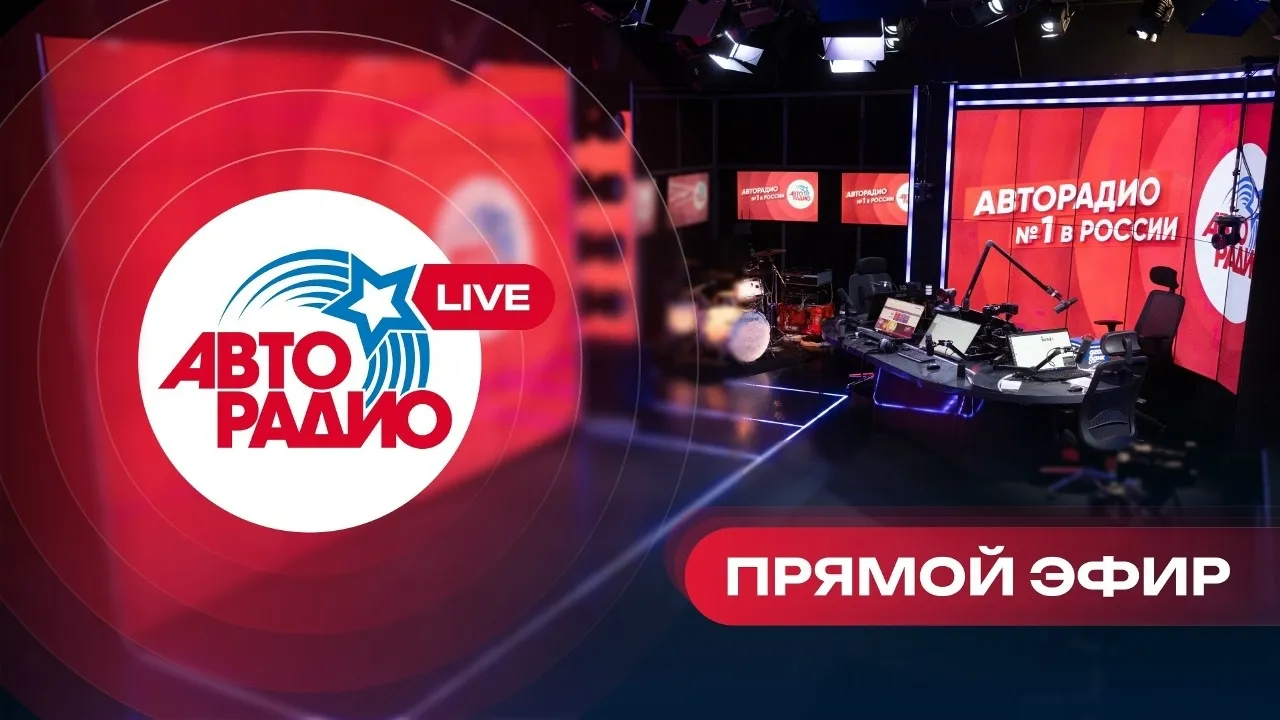
The Avtoradio studio space in Moscow is designed in a modern style with accents on red panels with LED lighting. The ceiling is equipped with studio floodlights and spotlights, and blue LED lighting runs along the perimeter and along the floor line, creating the studio's distinctive visual identity. At the center of attention is a professional mixing console with multiple monitors and laptops, microphones on flexible stands, and office chairs for hosts and guests.
An interesting interior detail is the drum kit in the background of the studio. It serves as a reminder that Avtoradio has always been not just an information and music station, but also a platform for live sound. The studio is designed so that small concerts and acoustic recordings can be held here live on air when needed.
Open Studio at the Ostankino TV Tower
One of the most remarkable chapters in Avtoradio's history is the "Open Studio" project, launched on September 21, 2015. The hosts of the morning show "Murzilki Live" broadcast directly from the observation deck of the Ostankino TV Tower at a height of 147 meters. It was a unique experiment — radio broadcasting with a panoramic view of Moscow, where listeners could not only hear the hosts but also watch what was happening via a webcam in real time.
The project became a symbol of the radio station's openness and innovation, and clearly demonstrated how media can use urban spaces to create content. The Ostankino TV Tower itself is one of the symbols of Moscow and Russian television and radio broadcasting, adding additional symbolic weight to the project.
Iconic Programs and Festivals
Avtoradio is known for its signature programs that have become part of the cultural code of several generations of listeners. "80s Disco" is not just a music program but a full-scale international festival that draws thousands of spectators in Moscow. The "Hit the Gas!" show has been waking up the city in the mornings since 2000, and "Murzilki Live" turned the morning broadcast into an interactive show with elements of humor and improvisation.
The radio station is also actively developing digital formats — podcasts, video broadcasts, social media. The move to the NTV Technopark was a logical continuation of this strategy: the new studio is designed with the needs of multi-platform broadcasting in mind, where the same content simultaneously airs on radio, streams via webcam, and is recorded for digital platforms.
Avtoradio 90.3 FM Today
Today, Avtoradio continues to broadcast on 90.3 FM in Moscow, remaining one of the most recognizable radio stations in the country. The station's format combines talk and music broadcasting with a focus on automotive topics, current news, humor, and interactivity. The radio station's audience reaches several million listeners weekly, and the webcam in the studio allows fans to watch the hosts at work in real time.
Moscow as the radio station's home base is no accident. The capital is Russia's media center, and the studio's location in the NTV Technopark near the Ostankino TV Tower places Avtoradio at the epicenter of domestic television and radio broadcasting. This gives the station access to cutting-edge technical infrastructure and the opportunity to invite leading experts, musicians, and public figures on air.
What You Can See on the Camera
The webcam in the Avtoradio studio in Moscow broadcasts the interior of the main studio space in real time. In the frame — a professional mixing console with multiple monitors and laptops, microphones on flexible stands, and office chairs. A drum kit is visible in the background. The walls are decorated with red panels with lighting, and the ceiling is equipped with studio floodlights and spotlights. Blue LED lighting along the studio perimeter and floor line creates the characteristic atmosphere of the radio station. The broadcast comes directly from the studio, and viewers can watch the preparation of broadcasts and the hosts at work in real time.
Similar cameras
Find similar