

🏙️ Webcams San Marcos Online — Watch in Real Time
2 cameras
History of San Marcos: From Ancient Settlements to a University Town
San Marcos is a city with deep roots dating back to the Paleo-Indian era. Archaeologists have discovered evidence of Clovis culture along the San Marcos River, indicating human habitation in this area over 10,000 years ago. These ancient mammoth hunters left stone tools that are now housed in local museums. The city was founded in the 1800s, when settlement began with the establishment of a mission and fort. Rapid growth occurred in the 20th century, when the population began to increase rapidly thanks to the development of education and commerce.
Today, San Marcos is a dynamic university town in Texas. The population of San Marcos is 74,316, the city's area is 36.3 sq. miles with a population density of about 1,898 people per sq. mile. Located on the border of Austin and San Antonio, it occupies a unique position in the I-35 corridor, attracting students, tourists, and shoppers from across the state.
Texas State University: The Heart of the City
Texas State University is the main attraction and largest employer in San Marcos. Founded in 1899, it is the seventh-largest university in Texas. The campus began with the Old Main building in 1903 and now spans 457 acres with 225 buildings. The university is the city's largest employer with nearly 3,000 employees.
The 36th U.S. President Lyndon B. Johnson graduated from the university in 1930 (then known as Southwest Texas State Teachers College), earning a teaching certificate and a bachelor's degree in history. In 1965, he returned to sign the Higher Education Act, underscoring the campus's historical significance for American education. Today, the campus hosts tens of thousands of students, and its buildings combine Victorian architecture with modern academic facilities.
San Marcos River: The Blue Artery of Texas
The San Marcos River is a true gem of the city. It maintains a constant temperature of 72°F (about 22°C) year-round, making it popular for swimming, tubing, and kayaking. Spanish monks called it the "River of the Innocents," and its springs were dammed 150 years ago, creating an underwater archaeological preserve. The river flows through 150 acres of parkland, offering artificial rapids, swimming areas, walking trails, and kayaking opportunities.
In the warm months, the river becomes the main recreation spot for students and residents. Tubing is especially popular: people float downstream on inflatable tubes, enjoying the crystal-clear water and coastal greenery. The banks are filled with picnics, volleyball courts, and hiking trails, making the waterfront a center of attraction for all ages.
Historic Downtown: Downtown Square and Its Surroundings
The city's historic downtown (Downtown Square) has been popular since the 1850s, when rapid population growth led to the opening of numerous shops and businesses. Today it is a pedestrian zone with Victorian architecture, boutiques, restaurants, and galleries. In the city center is the LBJ Museum of San Marcos, dedicated to the years future President Lyndon B. Johnson studied at Southwest Texas State Teachers College.
The square is surrounded by historic buildings, many built in the late 19th century. Farmers' markets, music festivals, and holiday events are held here. Cafes and restaurants offer Tex-Mex cuisine, barbecue, and craft beer from local breweries. Street musicians and artists create a relaxed atmosphere that attracts both locals and tourists.
Outlet Malls: Shopping on the Border of Austin and San Antonio
San Marcos outlet malls include two centers (Premium Outlets and Tanger Factory Outlet Center), opened in 1977, with a combined area of 1.2 million square feet. The outlet malls feature over 240 brands, including luxury labels, and it is the only place in Texas for stores like Balmain, Gucci, Saint Laurent, Dolce & Gabbana, Moncler, MCM, Ferragamo, and others. To walk the entire outlet mall, you need to cover about 4 miles.
This place attracts shoppers from across the southern United States. Prices for designer items are significantly lower than in regular boutiques, and the assortment is updated regularly. Many tourists come to San Marcos for entire days to update their wardrobe with discounts up to 65%. The infrastructure includes parking lots, rest areas, and restaurants, making shopping comfortable even on hot summer days.
Climate and Best Time to Visit
San Marcos is in a humid subtropical climate zone. Summers are hot and humid, with temperatures often exceeding 95°F (35°C) in July and August. Winters are mild, with rare frosts. Spring and fall are the ideal time to visit, when the temperature is comfortable for walks along the waterfront and shopping.
The city is prone to sudden downpours, especially in spring. However, even on rainy days, life in San Marcos is bustling: students fill cafes, and the outlet malls are always crowded. Locals are accustomed to changeable weather and always have an umbrella and sunscreen on hand at the same time.
What the Cameras Show
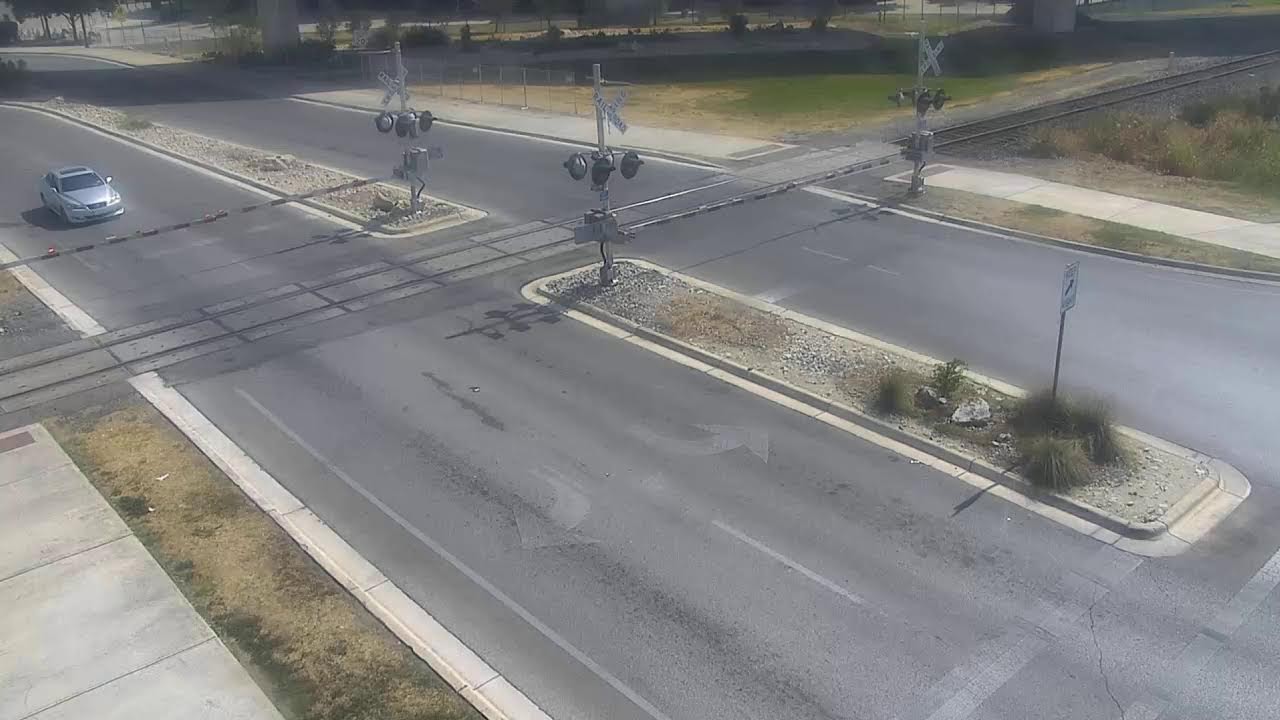
San Marcos webcams online cover key points of the city: the San Marcos River waterfront, the Texas State University campus, the historic Downtown Square, and the outlet malls. The broadcasts are in real time, allowing you to see student life, tourists tubing, shopping crowds, and quiet residential streets.
The cameras are installed at major intersections and in public spaces. The image quality allows you to see architectural details and Texas nature in all its glory. The live stream from San Marcos is an opportunity to feel the atmosphere of a university town without leaving home.