

🏙️ Webcams Oklahoma City Online — Watch in Real Time
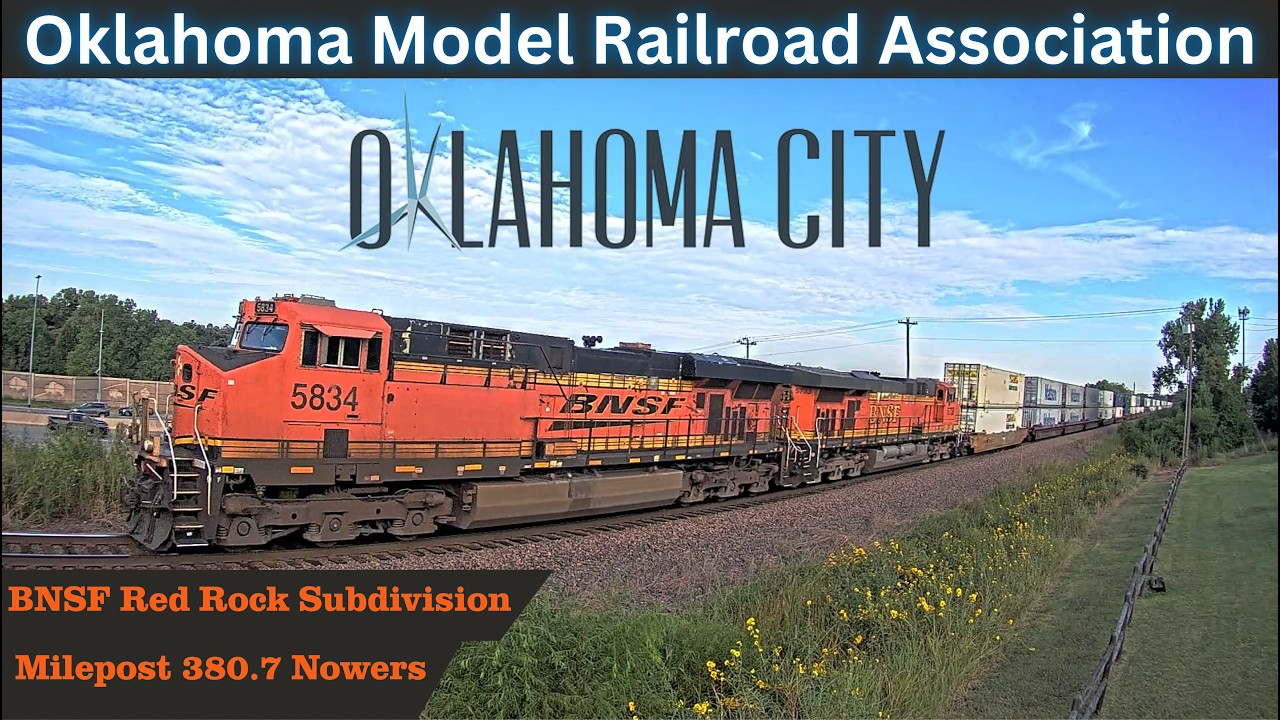
2 cameras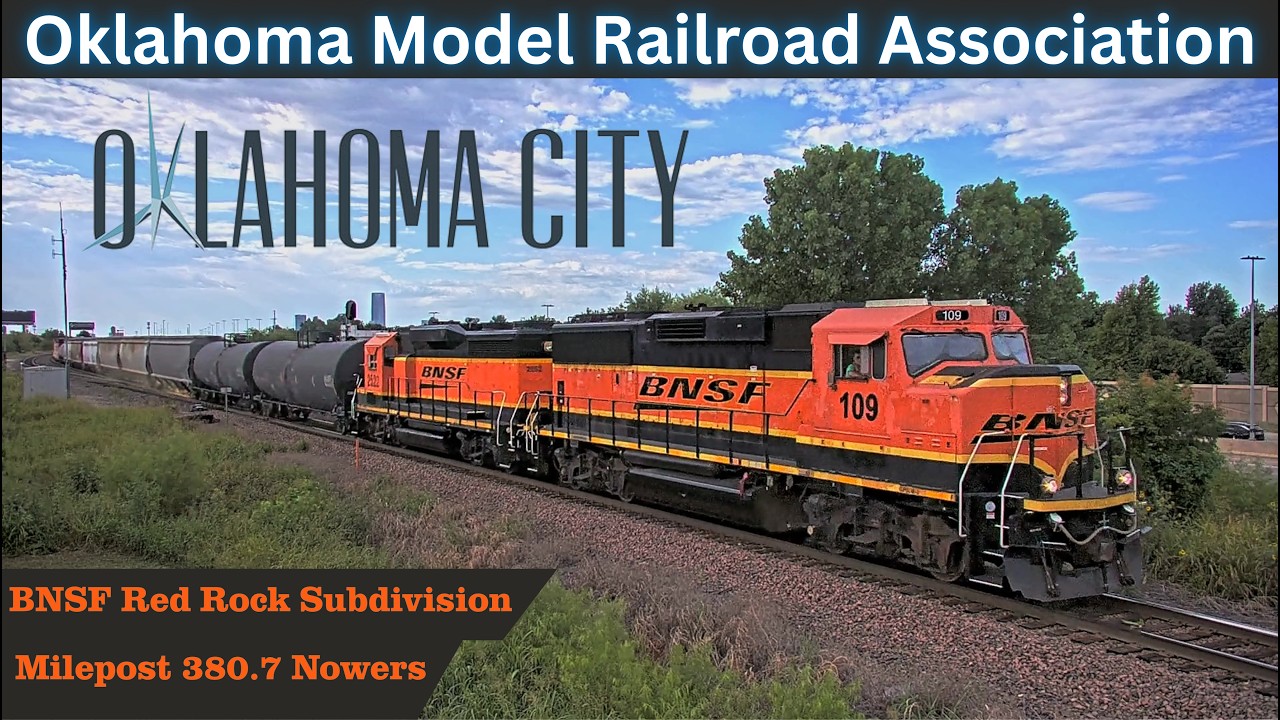
City History: From Land Run to State Capital
Oklahoma City is a city born in a single day. On April 22, 1889 began what became known as the Land Run of 1889. About 50,000 people rushed onto the unassigned lands of Indian Territory to claim plots of about 8,000 km². By sunset that day, a makeshift town with a population of 10,000 had risen on what was once bare prairie. Under the Homestead Act, each settler was entitled to 160 acres of land — roughly 0.65 km². Guthrie became the state's first capital, but in 1910 the capital functions moved to Oklahoma City, where they remain to this day.
Today, Oklahoma City is the largest city in the state of Oklahoma with a population of about 680,000 and a metropolitan area exceeding 1.4 million. It's a city where cowboy culture coexists with oil derricks, and modern skyscrapers stand alongside historic early 20th-century buildings. Those who want to experience this unique atmosphere can use Oklahoma City webcams online — they capture the pulse of the city in real time, from busy intersections to quiet park alleys.
Oil, Cowboys, and Tornadoes: The Three Faces of Oklahoma City
Three elements define the character of this city. The first is oil. Oklahoma City is the only state capital in the US with operating oil derricks on the Capitol grounds. The legislature building sits directly above the Oklahoma City Oil Field, and for a long time the Petunia #1 derrick operated literally a few steps from the dome. Oklahoma ranks fifth in the country for oil production, and the first well in the region was drilled back in the 1880s. Black gold transformed Oklahoma City from a frontier town into an industrial center of the South.
The second element is cowboys. Oklahoma National Stockyards, founded in 1910, remains one of the world's largest livestock markets. Stockyards City — a historic district in the southwest of the city — still lives and breathes cowboy culture: auctions are held here, saddle workshops and restaurants with authentic Texas cuisine operate. This is a place where Wild West history is not a museum exhibit but everyday reality.
The third element is tornadoes. Between 1890 and 2011, Oklahoma City was hit by 147 tornadoes. The city lies in the heart of "Tornado Alley" — a corridor where warm, moist air from the Gulf of Mexico collides with cold air masses from the Rocky Mountains, creating ideal conditions for tornadoes. On May 3, 1999, the city experienced one of the most destructive tornadoes in US history — an F5 on the Fujita scale with winds exceeding 500 km/h. The memory of the tragedy is preserved at the Oklahoma City National Memorial and Museum, one of the city's most visited museums.
Bricktown: The Canal That Changed the City
In the late 1990s, Oklahoma City took a gamble that transformed its appearance. The Bricktown Canal opened in 1999 and became the catalyst for the revitalization of an entire district. The waterway stretches about 1 mile, and its creation was funded by voters through a temporary sales tax increase as part of the MAPS projects, totaling $23 million. Today, Bricktown is a pedestrian zone with restaurants, bars, a concert venue, and gondola water tours. Former red-brick warehouse buildings have been converted into lofts, offices, and entertainment spaces. The district became a symbol of how public investment can revitalize a depressed industrial area.
Bricktown is the perfect place to start exploring the city. It's a short walk to Chickasaw Bricktown Ballpark, the Science Museum Oklahoma, and the Oklahoma River waterfront. In the evening, the district is illuminated by thousands of lights reflecting off the canal water — a sight worth seeing at least once.
Stockyards City: The Heart of Cowboy America
If Bricktown is the modern face of Oklahoma City, then Stockyards City is its historic soul. Oklahoma National Stockyards is one of the world's largest livestock markets, founded in 1910. Over a million head of cattle are sold here annually. Auctions take place on Mondays and Tuesdays, and the spectacle is hypnotic: flashing ear tags on animals, rapid gestures of auctioneers, the smell of leather and hay.
Stockyards City is not an open-air museum but a living neighborhood. Here you'll find boot workshops where cowboy boots are still handmade, stores with Stetson hats and Wrangler jeans, restaurants with steaks cooked over an open fire. Cattlemen's Steakhouse — a legendary establishment opened in 1910 — still serves steaks according to great-grandfathers' recipes. On weekends, you can see real cowboys who've come to sell cattle or just have a whiskey after a hard week.
The Capitol and Oil Derricks: A Unique Symbol of Power
The Oklahoma State Capitol building is an architectural paradox. Unlike most state capitol buildings in the US, it has no dome. Construction began in 1917, but the dome was never built due to lack of funds — instead, oil derricks appeared on the Capitol lawns in the 1940s. And this is no decoration: the building sits directly above an oil field, and for a long time, oil extraction right from the legislative grounds brought revenue to the state.
The Petunia #1 derrick operated on Capitol grounds until 2021, when it was finally decommissioned due to safety concerns. But the fact remains: no other state capital in the US can boast such proximity of political power and the oil industry. Today, the Capitol grounds are open to visitors, with a museum and art gallery operating here, and a park with monuments and memorials surrounding it.
Tornado Alley: How the City Lives Under Stormy Skies
Oklahoma City sits at the epicenter of the most tornado-prone region on the planet. "Tornado Alley" is not a metaphor but a geographic term designating a corridor from Texas to South Dakota where conditions for tornado formation occur most frequently. The tornado season here lasts from March through June, with the peak in May. The city has endured several catastrophic strikes: in 1999, an F5 tornado claimed 36 lives; in 2013, a tornado in Moore City — a suburb of Oklahoma City — killed 24 people, including 20 children.
But the city's residents don't live in constant fear. One of the best warning systems in the world has been created here: sirens, mobile apps, television broadcasts. Basements and shelters are mandatory elements of residential homes. Meteorologists from the National Weather Service in Norman, a suburb of Oklahoma City, are considered the world's leading tornado experts. Every local resident knows what to do when the sky turns green and the air becomes still.
Districts and Atmosphere: From Plaza District to Midtown
Oklahoma City is a city of neighborhoods, each with its own character. The Plaza District is a bohemian quarter with murals, independent shops, and coffee houses. The Paseo Arts District is a historic area with Spanish architecture, galleries, and restaurants. Midtown is a modern residential district with new condos, bars, and restaurants. Outer City is the endless suburbs where homes neighbor stables and ranches.
The city center — Downtown — is compact and walkable. Here you'll find the Devon Energy Center skyscraper, 257 meters tall — the tallest building in Oklahoma, Chickasaw Bricktown Ballpark where the Oklahoma City Dodgers play, and the Art Museum with a collection of Dale Chihuly's works. The city actively invests in public spaces: the MAPS program, started in 1993, has brought billions of dollars into infrastructure, parks, and cultural facilities.
Climate and Nature: Four Seasons
Oklahoma City sits on the border between temperate and subtropical climates. Summers are hot and humid — temperatures regularly exceed 38°C. Winters are mild but with sharp swings: in January, it can be +15°C or -10°C within a single week. Spring is the season of thunderstorms and tornadoes, autumn is dry and comfortable, with temperatures around 20°C.
The nature around the city is endless prairies crossed by river valleys. The Oklahoma River flows through the southern part of the city, creating a green corridor with parks and bike paths. Martin Park Nature Center and Myriad Botanical Gardens are oases of greenery amid the concrete. The latter is home to the Crystal Bridge — a tropical greenhouse in the shape of a cylinder, 22 meters tall, where palms, orchids, and exotic birds thrive.
What the Cameras Show
Oklahoma City webcams online offer a chance to see the city through the eyes of its residents. Broadcasts from central squares show the rhythm of Downtown — streams of cars at intersections, pedestrians near the Capitol, tourists at the memorial. Cameras in Bricktown capture the atmosphere of evening leisure: canal lights, gondola rides, restaurant visitors on open terraces. Views of Stockyards City show a completely different America — cowboy hats, trucks with trailers, cattle pens.
For those interested in weather, Oklahoma City webcams in real time are fearless observers of storm fronts. In spring and summer, you can watch thunderstorm clouds gather over the city, lightning flash, and lighting change in minutes. This is not just a broadcast — it's a window into the life of a city that has learned to live with tornadoes, oil, and cowboys, while remaining one of America's most underrated cities.