

🏙️ Webcams Junction City online — watch in real time
1 cameras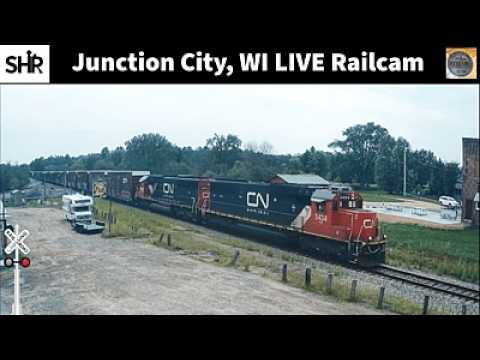
Geographic location and landscape
Junction City is located in the north-central part of Kansas, in the Flint Hills region — the rolling prairies of the Great Plains. The city lies between the Smoky Hill and Republican rivers, approximately 3 miles above their confluence, which forms the Kansas River. It is this location at the junction of two rivers that gave the settlement its name — Junction City literally means "city at the crossroads." The terrain is characterized by gentle hills and vast grassy plains typical of this Midwest region. The city sits on the boundary between temperate and subtropical steppe zones, creating unique conditions for the growth of tallgrass prairies — one of the rarest ecosystems in North America.
The climate here is humid continental, with hot summers and cold winter. Summer temperatures often exceed 30°C, while winter brings frost and snowfall. Thanks to the open landscape, weather can change quite quickly. Real-time webcams allow you to observe these changes — from morning fog over the rivers to evening thunderstorms so characteristic of the Great Plains. Annual precipitation averages around 860 mm, with the majority falling in spring and summer months.
History: from trading post to modern city
The history of Junction City began in 1858, when a trading post was established here along the Kansas River. The settlement quickly developed as an important waypoint for travelers and traders heading west along the Santa Fe and Oregon trails. By 1860, it had become the county seat of Geary County (formerly known as Davis County until 1889). Today, the population stands at 22,932 according to the 2020 census, making it one of the significant settlements in northeastern Kansas.
Development is inextricably linked to the military history of the region. In the mid-19th century, important trade routes passed through here, and the settlement served as a supplier of goods for settlers and the military. The architecture of the downtown area has preserved elements of that era — brick buildings in Victorian commercial style still adorn the main streets. The historic city center is a typical example of Midwestern American layout with wide avenues and a clear grid of blocks.
Fort Riley: military heritage and regional influence
It is impossible to talk about Junction City without mentioning Fort Riley — a major US Army military base located between Junction City and Manhattan. The fort was established in 1853 to protect westward expansion along the Santa Fe and Oregon trails. Today, the base spans an impressive 101,733 acres in Geary and Riley counties and is home to the 1st Infantry Division ("Big Red One") and the US Army Cavalry School. The military presence defines the economy and social life of the entire region.
The connection between the city and the fort is so close that it is practically impossible to separate their histories. As historians note, the settlement developed as a trading center for the nearby fort. Military personnel and their families make up a significant portion of the population, and the economy largely depends on military contracts and base spending. Historic Fort Riley is listed among the "8 Wonders of Kansas History", underscoring its importance to the state.
On the fort grounds stands the Custer House — part of the US Cavalry Museum. The house is preserved in its original condition with furniture from the 1880s–1890s, and in October, famous "Ghost Tours" are held here with stories of hauntings. This place attracts both military history enthusiasts and paranormal seekers. Tours of the historic part of the fort allow visitors to see late 19th-century barracks and learn about the daily life of cavalry soldiers.
Attractions and natural sites
Junction City offers diverse opportunities for tourists and locals alike. Key attractions include Heritage Park, Milford Lake, Tuttle Creek State Park, Geary County Historical Museum, and the 1st Infantry Division Museum. These places reflect both the natural wealth of the region and its military heritage. Heritage Park in the city center serves as a venue for public events and strolls, while the museums house artifacts telling the story of the first settlers.
Milford Lake — the largest lake in Kansas, located near the city — is a popular spot for fishing, swimming, and water sports. Tuttle Creek State Park offers hiking trails and wildlife viewing opportunities, including migratory birds that stop here during their journey. In the city itself, George Smith Library features a "Kansas Facts" exhibit dedicated to state history. For those who want to see the area before visiting, Junction City webcams provide an excellent opportunity to assess the atmosphere — from bustling downtown intersections to quiet residential neighborhoods.
Infrastructure and transportation accessibility
Junction City is located at the intersection of several important transportation arteries. Interstate I-70 runs directly through it, connecting to Kansas City in the east and Denver in the west. This makes it a convenient stopover for travelers crossing the Great Plains. The distance to Topeka, the state capital, is about 100 km to the east, and to Wichita — approximately 200 km to the south.
The city is served by the Union Pacific railroad line, which historically contributed to its development as a trading center. Today, rail infrastructure continues to play an important role in the regional economy, providing freight services for agricultural enterprises. Public transportation consists of bus routes connecting various neighborhoods and the military base. The city also operates a municipal airport serving general aviation.
Cultural life and local events
Despite its modest size, Junction City has an active cultural life. Several annual events are held here, including fairs, parades, and festivals. The military presence shapes a special character — you can meet military families from across the US, creating a unique multicultural atmosphere. The city's restaurants and cafes offer diverse cuisine, from traditional American barbecue to dishes brought by military personnel from other states.
Geary County Historical Museum houses artifacts telling the story of the first settlers and the region's development. The 1st Infantry Division Museum on the Fort Riley grounds presents US military history from World War I to the present day. These institutions are important centers of historical preservation for the local community. The city also operates community centers and libraries offering educational programs for all ages.
What the cameras show in the city
Junction City webcams online allow you to observe life in real time. The broadcasts cover central streets, intersections, and public spaces, giving an idea of the rhythm of this small but important Kansas city. Live streams are available free of charge and without registration, making them a convenient tool for planning a trip or simply getting acquainted with life in the American Midwest.
You can watch the city in HD quality, allowing you to see the details of urban architecture and natural surroundings. The online broadcast is an opportunity to see what a typical Great Plains settlement looks like: with wide streets, historic buildings, and views of endless prairies. Observing Junction City through webcams provides an idea of the daily life of the region, where military history intertwines with modernity, and nature dictates the rhythm of existence.